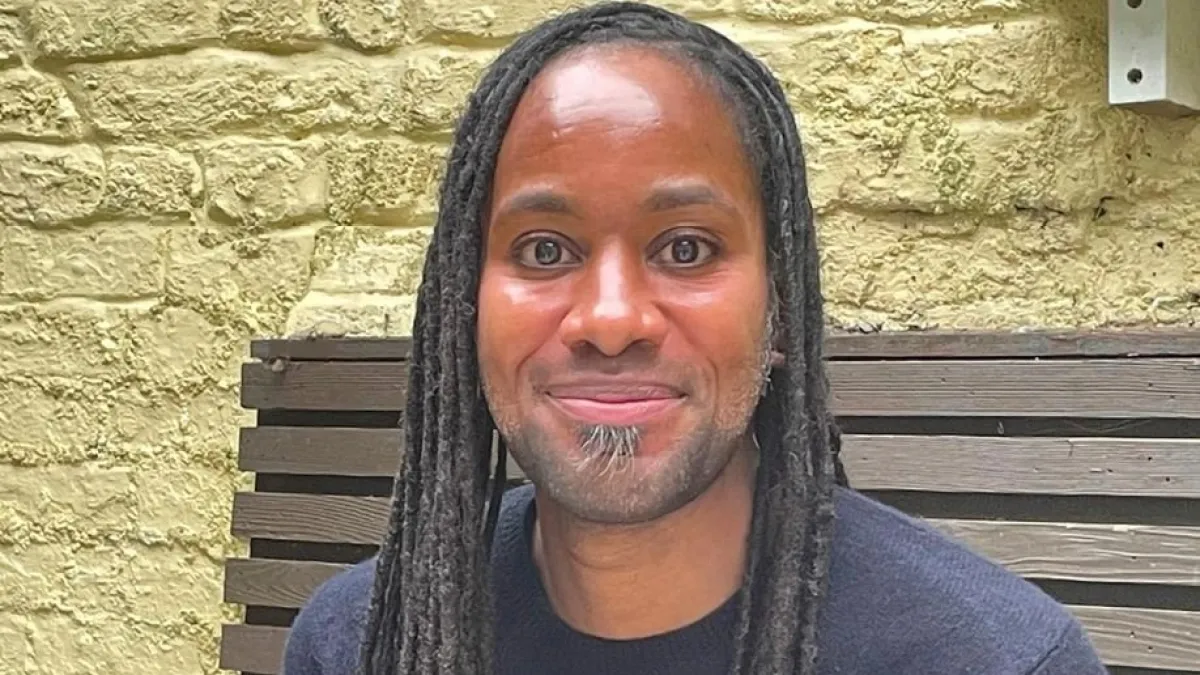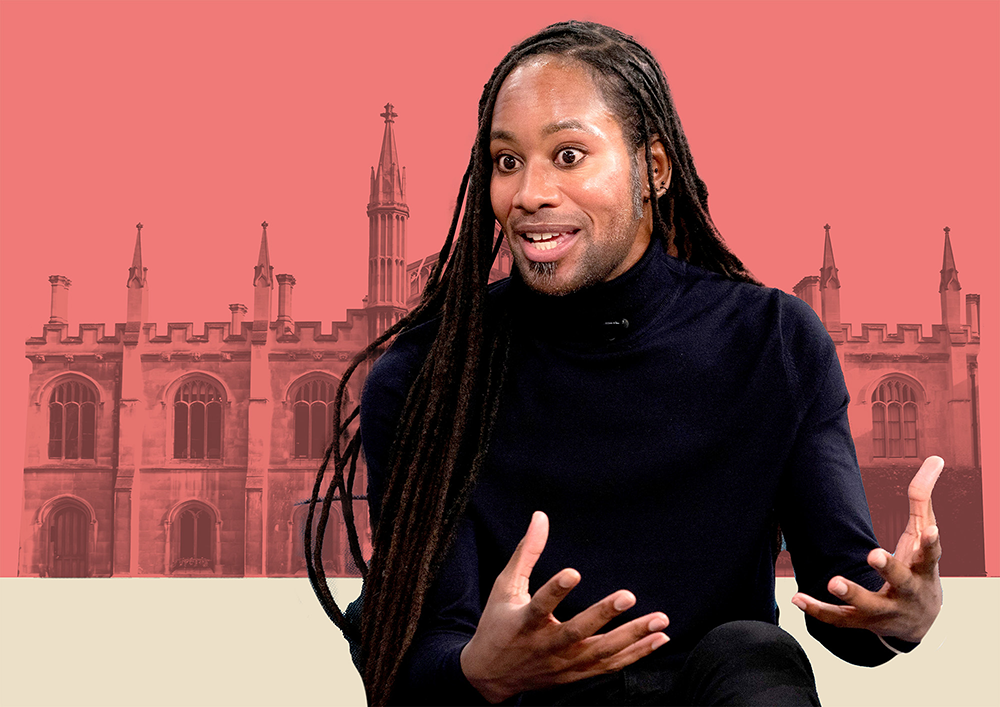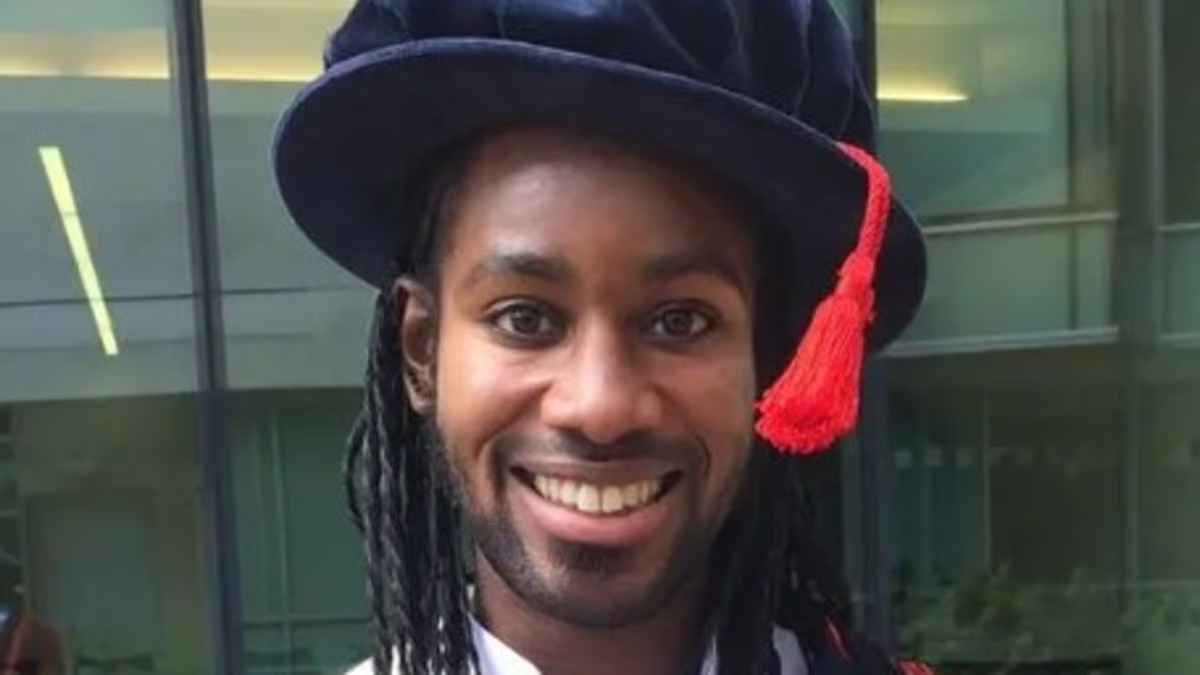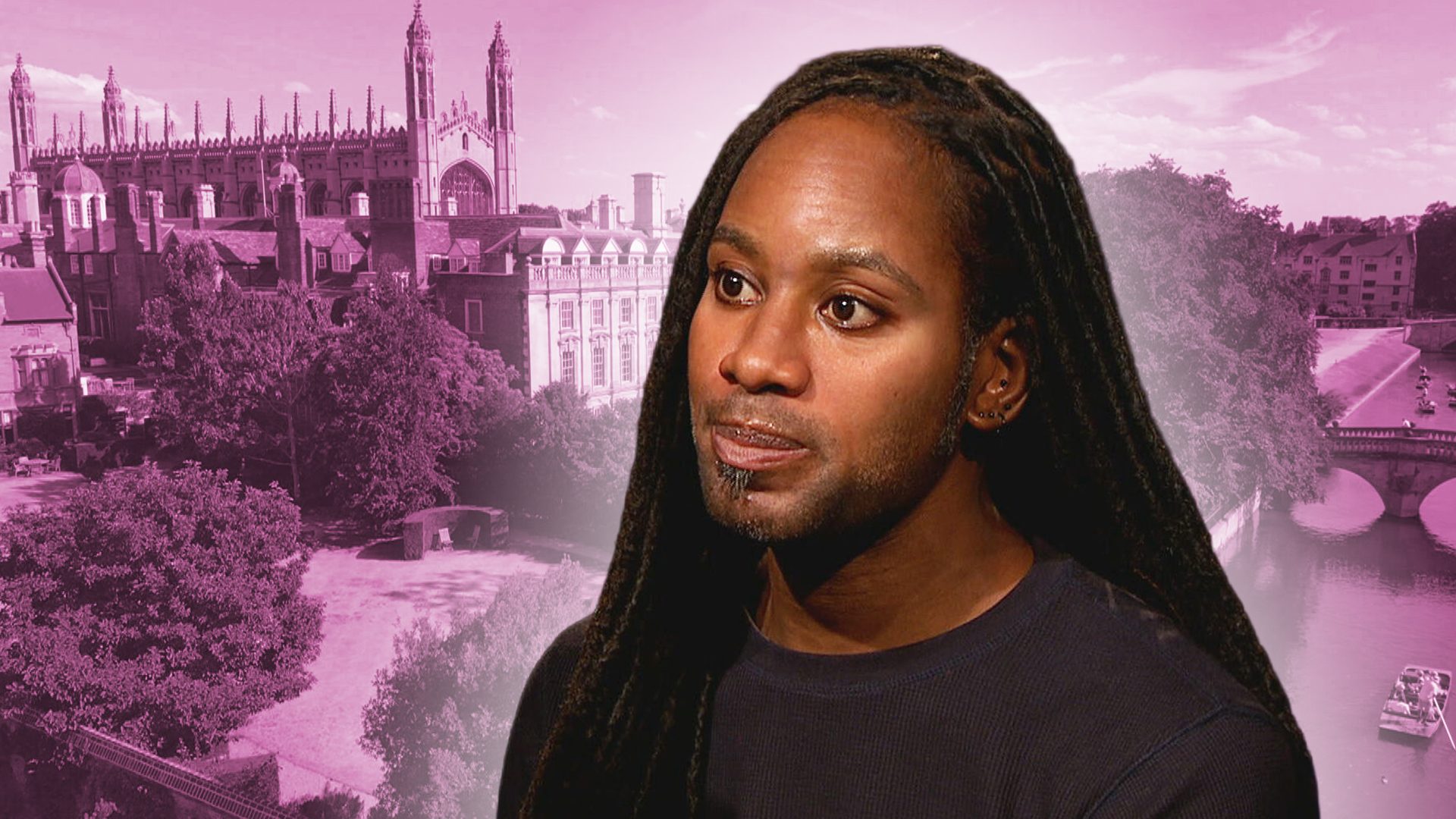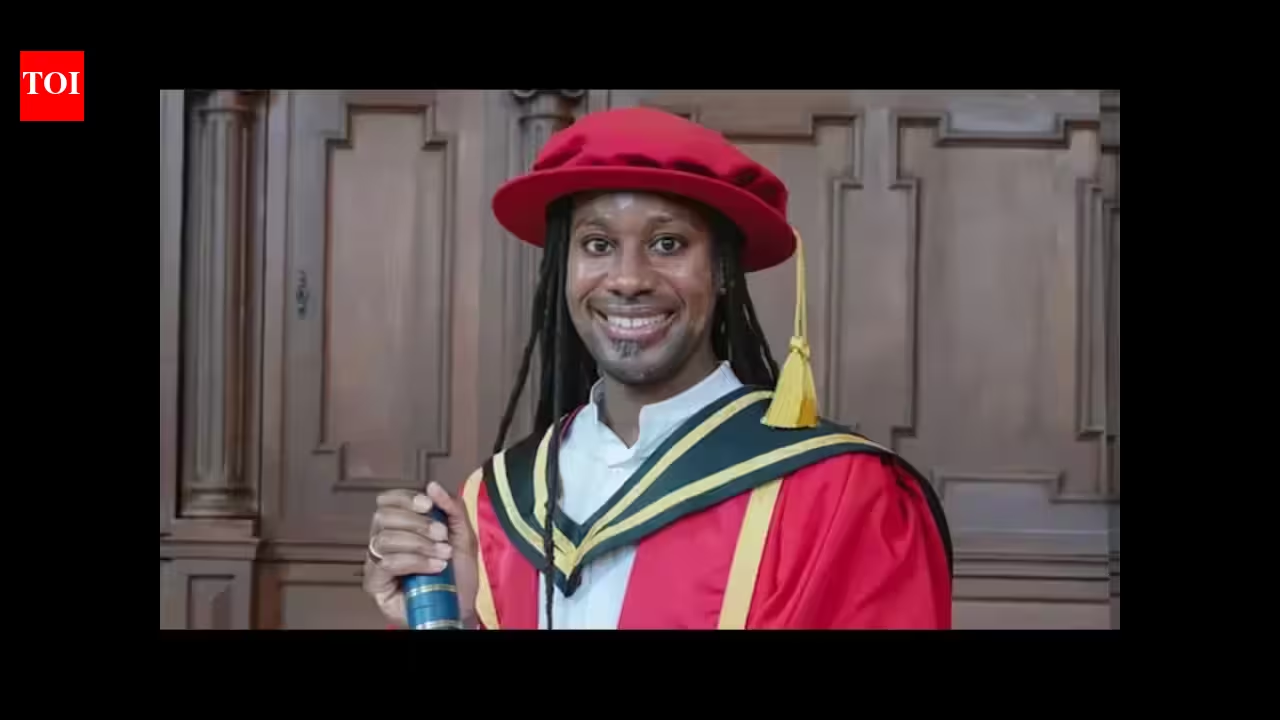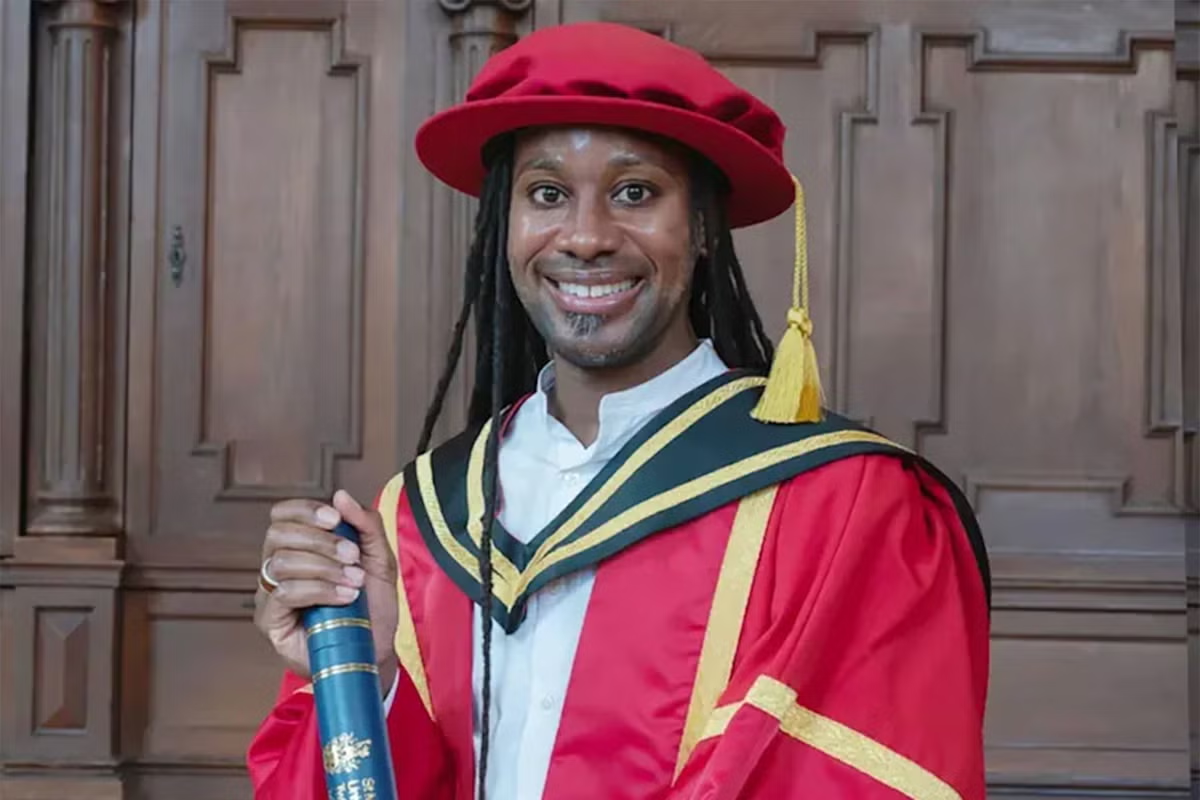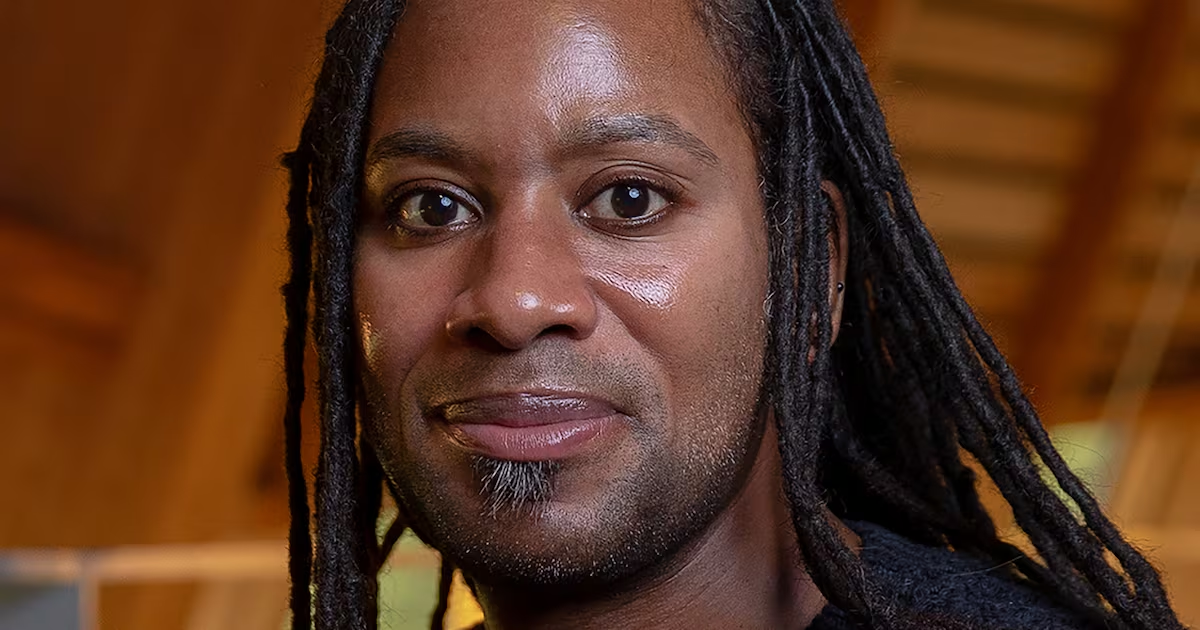
In the centuries-long debate between Cambridge and Oxford universities – which institution is cooler, smarter, more serious, better – Cambridge has always felt like an afterthought. Students of Oxford are said to be of more robust constitution, well rounded, likable, even better looking. So likable in fact that there has been plenty more novelising about them than their Cantab counterparts. But what Cambridge lacked in romance and charm, it made up for in rigour and academic seriousness. No foppish men in red chinos here – this is the town of study, data, sharp-edged intellect, furrowed brows.Well, never has an institution done so much to set fire to its own hard-earned reputation. Not since the discovery of the Cambridge Five – that ring of spies fond of passing huge amounts of state secrets to the Soviets during the cold war – has the university seen such protracted attention in the press. This is the story of Jason Arday, until recently a professor of sociology of education at the University of Cambridge and a fellow of Jesus College, who now stands accused of being a charlatan, fabulist, plagiarist – allegations he denies. Whatever he is, his story does not appear to be evidence of Cambridge’s reputation for rigour.Here is the potted history: in 2023, at the age of 37, Arday was appointed to a prestigious professorship, off the back of a PhD from Liverpool John Moores, and a stint teaching PE at Leeds Beckett and Roehampton, before moving on to sociology at Durham and Glasgow. He was the youngest black professor at Cambridge to have achieved such an appointment. His work is about racism – the racism that plagues the lives and careers of black academics, mostly. And Cambridge was very excited to have him on board – because Cambridge isn’t racist.It all starts to unravel this summer when a long blog post by Nathan Cofnas – a controversial critic of diversity, equity and inclusion (DEI) – accusing Arday of plagiarism starts to circulate. These concerned not just cynical, unprofessional light-fingered plagiarism, but giant whacks of text supposedly lifted from a doctoral thesis. And then there were suggestions he had borrowed quotes from other academics, passing it off as his own research – which, again, he denies. As the Atlantic put it: “This duplication, if deliberate, would be something other than plagiarism – it would be academic fraud.” Arday has admitted errors in his early work, but says he is not a “liar”. Allies responded with an open letter in support of the man. The Telegraph ran the accusations as front-page news.It would be awkward enough without the next steps. But Arday has a memoir coming out this week, obtained in advance by the Atlantic. His life goes something like this: Arday was diagnosed with autism at three, didn’t learn to speak until 11, couldn’t read until adulthood. He had brain tumours. His memoir recounts that he was beaten to within an inch of his life by four boys and then pleaded with the courts that the attackers be granted clemency. These attackers ended up as his future students.Jason Arday's memoir is due to be published later this month But Arday is very resilient indeed – he ran 600 miles in six days. He raised oodles of cash for charity. He ended up at Cambridge! Until recently, the veracity of his claims went almost totally unquestioned. When the Atlantic reached out to the fact checkers and publishers of the memoir (Great and Unfortunate Things, Simon & Schuster, 2026) to ask if there had been requisite due diligence, they did not respond. Arday has resigned from Cambridge, explaining that he is looking for “peace” and a life away from intense scrutiny. Out of the “constant spotlight”.[ Star scholar Jason Arday resigns from Cambridge amid questions about his life and careerOpens in new window ]Intense scrutiny? Arday’s problems all appear to stem from the total lack of scrutiny about his work, until now. His unexamined life was the source of the problem; now he is claiming it is the cause of it. But never mind. What is it about him in particular that has captured global attention with such tremendous force? The story – perfect culture war fodder for places like the Telegraph – has broken containment. The Atlantic, the New York Times, US academic and cultural critic John McWhorter, Der Spiegel and friends have joined in.Universities are culture war Petri dishes – places upon which everyone can scribble their own version of reality. The right sees them as places totally captured by DEI, that elevate activism over scholarism, that promote what they insist are obvious charlatans like Arday under some vague banner of progressive values, that try to rewrite history to suit a modern agenda. In the Arday story the left cries ‘witch hunt’ – aren’t you guys supposed to be anti-cancel culture? They ask. Reasonable points on both sides, yes. But it is the fact that this happened at Cambridge that has turned the embarrassment into such a fierce row.Arday is accused of lying his way to the top, allegedly enabled and exploited by the most prestigious academic institution in the world. Cambridge is now investigating the circumstances of his appointment and says the findings will inform a review of senior academic appointment processes. And what was the university trying to achieve? As McWhorter – himself a black academic – puts it: “White professors think that suspending judgment when it comes to black scholars makes them good people.” Cambridge should be above this instinct, but has proven itself more vulnerable than anywhere to it.
Finn McRedmond: How Jason Arday’s fabulous life and dramatic fall became a culture wars battleground
Arday stands accused of being a charlatan, fabulist, plagiarist – allegations he denies. For Cambridge, it’s all a huge embarrassment
932 words~4 min read