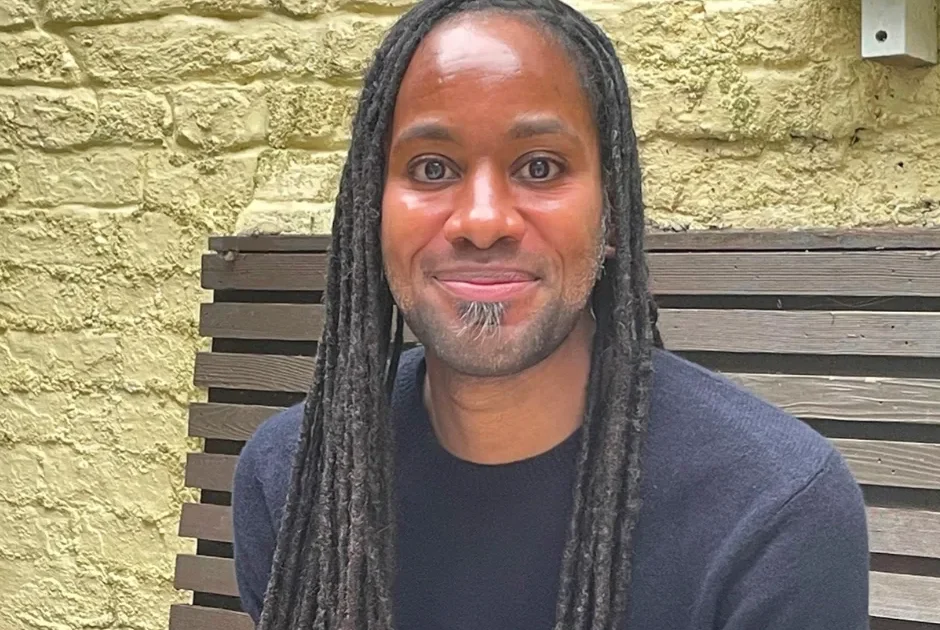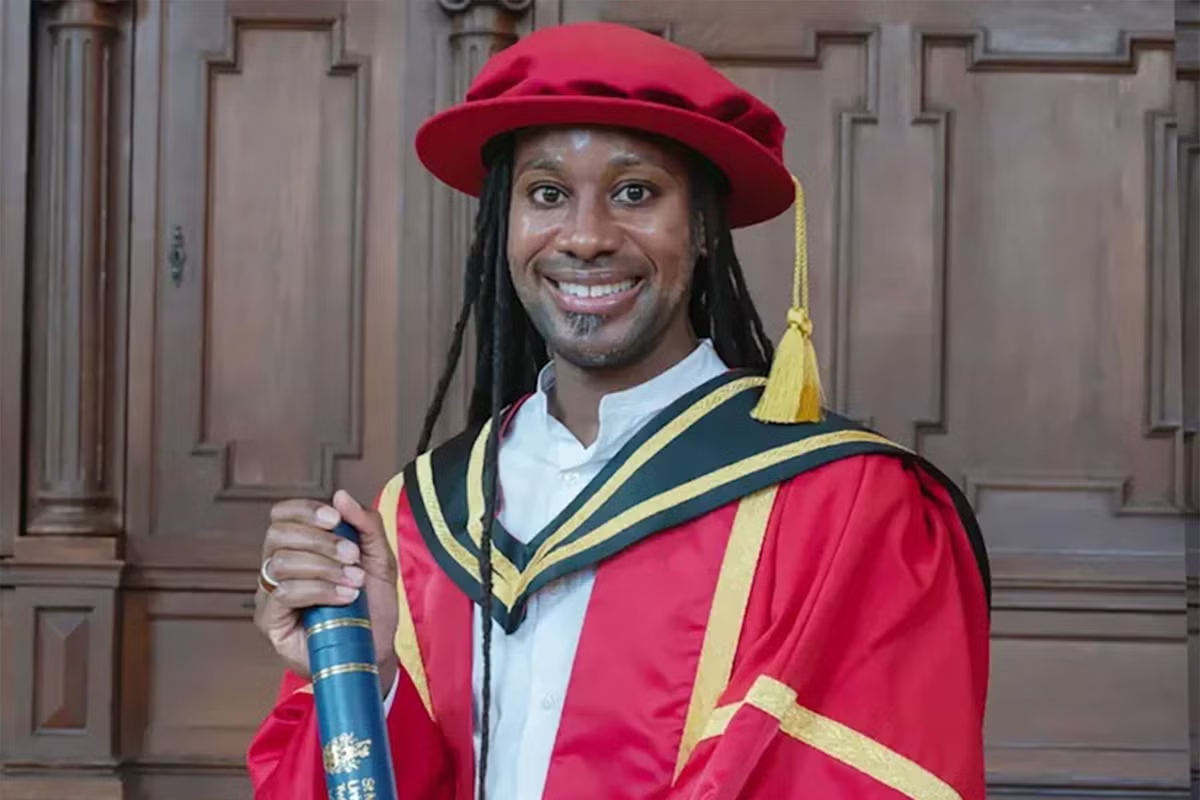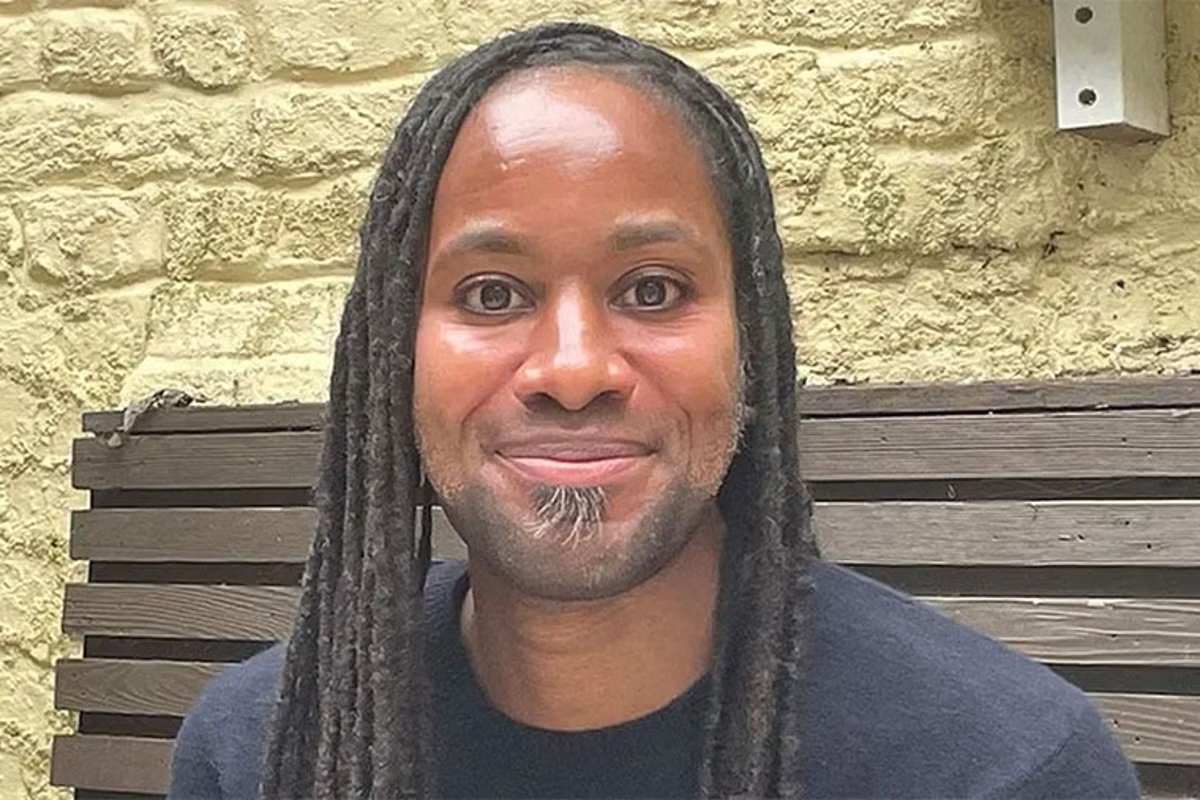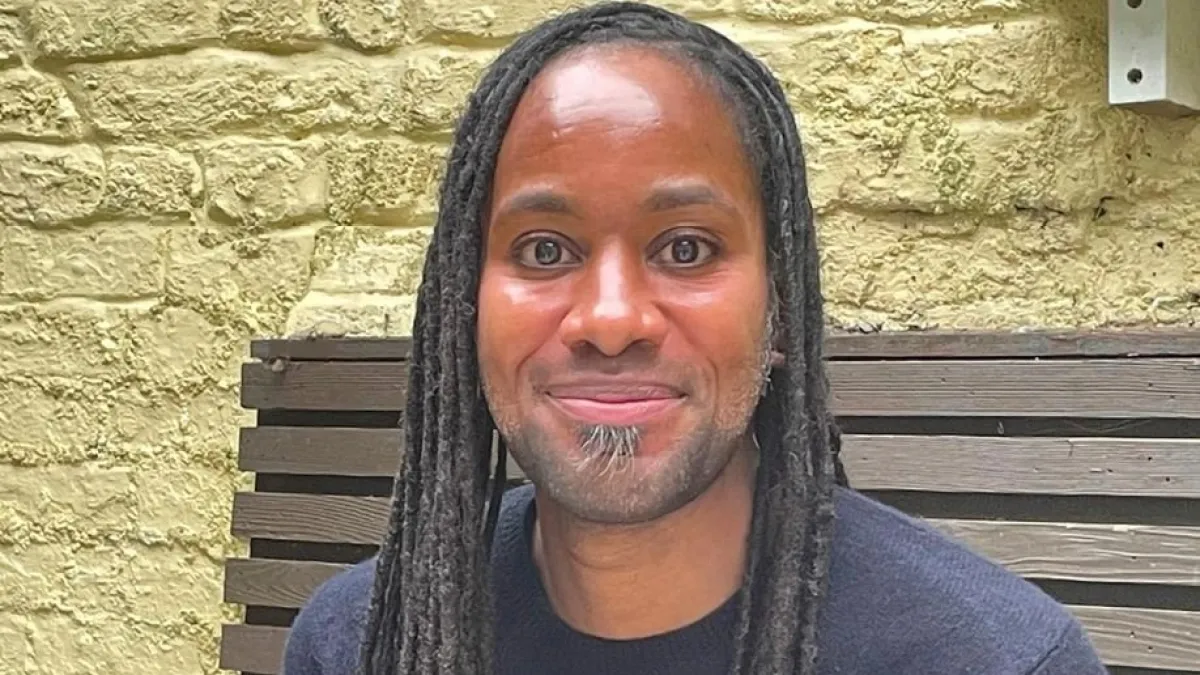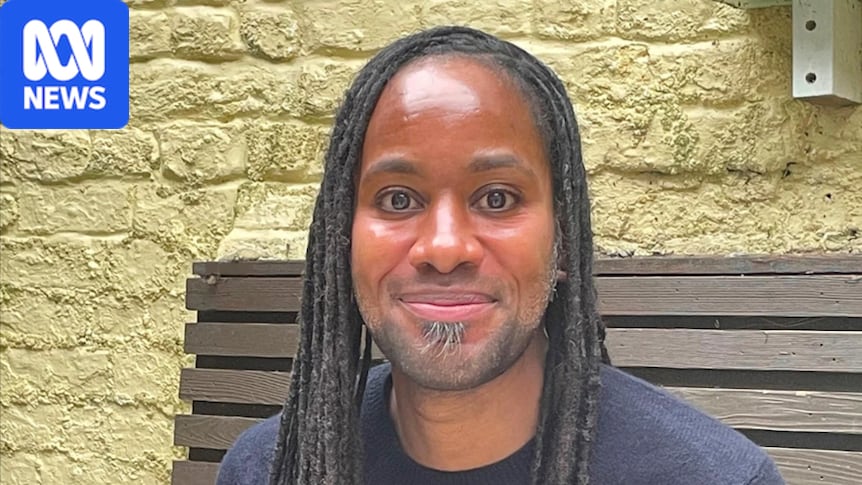
University of Cambridge professor Jason Arday’s resignation – following allegations of plagiarism and scrutiny of his research practices, credentials and biographical claims – has poured fuel on the culture-war fire in Anglo-American society. Mr Arday, who in 2023 became Cambridge’s youngest ever black professor, was accused of research misconduct by another academic last month. While admitting errors in his early work, he said a “racially motivated” campaign to unseat him from one of the world’s most prestigious universities was under way.The affair has dominated public discourse in the West for two weeks because it has pit two opposing camps against one another. Mr Arday’s supporters feel that he is the victim of a witch-hunt fuelled by racial animus that is itself representative of a broader bias against black academics holding elite positions. Mr Arday’s critics perceive the academic to be the poster child for the counterproductive lowering of standards and reverse discrimination that they believe diversity campaigns bring about.There is much that universities around the world, including those in the Gulf, can glean from this regrettable episode – most notably the importance of ensuring that social objectives never displace epistemic standards.Universities occupy a privileged position in modern society. Governments, companies and private citizens devote billions of dollars to support them, while the experts occupying their senior ranks exercise considerable influence over public policy and everyday life. This would have been unimaginable to the architects of the medieval university, whose institutions served a tiny proportion of the population and concentrated on a comparatively narrow range of subjects.Universities acquired their modern status partly by formalising the production and dissemination of useful knowledge. From the 18th century onwards, their intellectual scope expanded beyond theology, metaphysics, law and classical learning into increasingly systematic investigations of the natural and social worlds.Play01:37UK’s tougher immigration rules raise fears of brain drain and university declineThe resulting advances in physics, chemistry, biology and engineering transformed living standards, industrial production and national power. Scientific leadership generated not only prosperity but also strategic advantage, providing societies with new means of defending their interests and, in some cases, expanding imperially. For example, Britain’s ability to combine advances in navigation, shipbuilding, industrial production and eventually steam propulsion helped it maintain maritime superiority and project power globally.This process continues today, with many of the most important modern innovations emerging – directly or indirectly – from knowledge developed in universities, often in collaboration with government and industrial laboratories. The internet grew out of research connecting American universities under a government-funded project; lithium-ion batteries combined discoveries made at Exxon, Oxford University and Japanese industry; modern mRNA vaccines drew on decades of university research subsequently developed and manufactured by biotechnology and pharmaceutical companies.At the heart of this process are shared epistemic disciplines: careful observation, transparent reasoning, testable propositions, systematic evidence, replication and a willingness to revise conclusions. The precise methods vary across fields, but the governing principle is constant: evidence must not be accepted or rejected according to whether its implications are comfortable, fashionable or politically convenient.These same disciplines can also be applied reflexively to investigate how knowledge is produced and evaluated.The history of 20th-century science offers numerous examples of credible methods producing conclusions that prevailing institutions found inconvenient.Jason Arday, who in 2023 became Cambridge University’s youngest ever black professor, was accused of research misconduct by another academic last month. PAShow caption: Jason Arday, who in 2023 became Cambridge University’s young…Barry Marshall and Robin Warren’s evidence that bacteria caused many stomach ulcers challenged an established medical doctrine and a treatment system centred on managing rather than curing the condition. Richard Doll and Austin Bradford Hill’s epidemiological evidence that linked smoking to lung cancer encountered resistance from a powerful industry and a society in which smoking was normalised. Clair Patterson’s measurements showing the scale of industrial lead contamination similarly faced opposition from lead producers and their scientific allies.In each case, sustained investigation and replication ultimately displaced the more convenient explanation, producing major improvements in medical treatment and public health.Over the past five decades, research institutes across the Gulf have strived to follow this ethic. Work being done at the UAE’s Khalifa University on carbon-capture technologies and research at Saudi Arabia’s King Abdullah University of Science and Technology into solar-powered desalination illustrate growing success in applying modern research methods to problems of direct regional and global importance.The Arday controversy demonstrates that, even as Gulf universities strengthen their research capabilities, some Anglo-American institutions are becoming vulnerable to pressures that can compromise their traditional epistemic standards, such as the need to shield academics from objective scrutiny because it undermines tacit or explicit identity-based quotas.The danger is not that these western universities have ceased to produce excellent research; plainly they have not. It is that certain questions touching on identity and representation – such as ensuring equality of opportunity to rise the academic ladder regardless of race – are increasingly treated as moral commitments to be defended rather than empirical propositions to be investigated. All universities would do well to avoid drifting from their core mission. Some, like those in the Gulf, might even find an opportunity to become leading defenders of rigorous enquiry if established institutions in the West become less consistent in upholding it.QuoteThe Arday affair has revealed questions that scholars are increasingly constrained in their ability to investigate through formal empirical enquiryGulf universities face different but analogous pressures of their own, particularly when research concerns societally sensitive issues. The lesson is therefore not that one university system is epistemically pure and another is corrupted, but that all universities must prevent protected institutional or social objectives – such as those relating to racial equality – from determining which questions may be asked and which conclusions may be reported.The Arday controversy is about more than the conduct of one academic. It raises a broader epistemic question: whether claims involving identity and representation are to be evaluated using the same evidentiary standards applied elsewhere, or whether their perceived moral importance places them beyond ordinary empirical scrutiny. For example, if claims of plagiarism about a black professor’s work are made, should they be evaluated on the quality of the evidence presented only, or should the racial identity of the accused be taken into account? In the latter case, the university will have subordinated truth-seeking to an extraneous objective.In particular, the Arday affair has revealed a series of questions that scholars are increasingly constrained in their ability to investigate through formal empirical enquiry.To what extent does discriminatory bias explain the underrepresentation of particular groups in elite positions? Which diversity, equity and inclusion – or DEI – policies alleviate that underrepresentation, and which inadvertently perpetuate it? Does drawing institutional attention to an academic’s minority identity assist future generations, or does it expose that individual to suspicions that would otherwise never arise? Should academics from underrepresented groups receive additional protection from professional scrutiny, or does equitable treatment require consistent standards?None of these questions have a simple or universal answer, but rigorous research has already generated valuable evidence, and we know how to acquire more. Universities should lead such efforts rather than allow dogma to foreclose empirical enquiry. When conclusions are controversial or uncertain, the appropriate response is further hypothesis formation, data collection, testing and replication.This is the central takeaway for universities around the world: continue to formulate competing hypotheses, test them against credible evidence and treat controversial findings as invitations to investigate further – not as reasons to suppress the question or punish the researcher. Universities that abandon these principles will gradually surrender both their intellectual authority and their capacity to contribute to prosperity and human progress.
What Gulf universities can learn from a Cambridge plagiarism scandal | The National
The furore over allegations against a black professor suggests research institutes need to prioritise evidence-based enquiry over protecting social objectives
1,261 words~6 min read