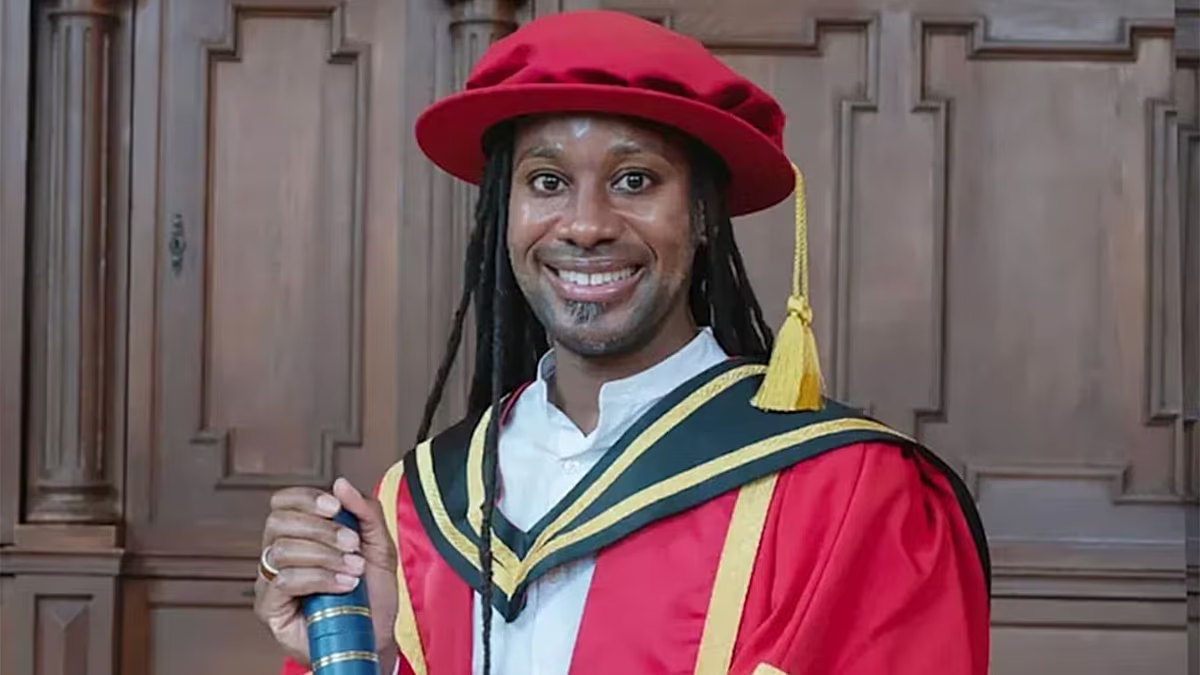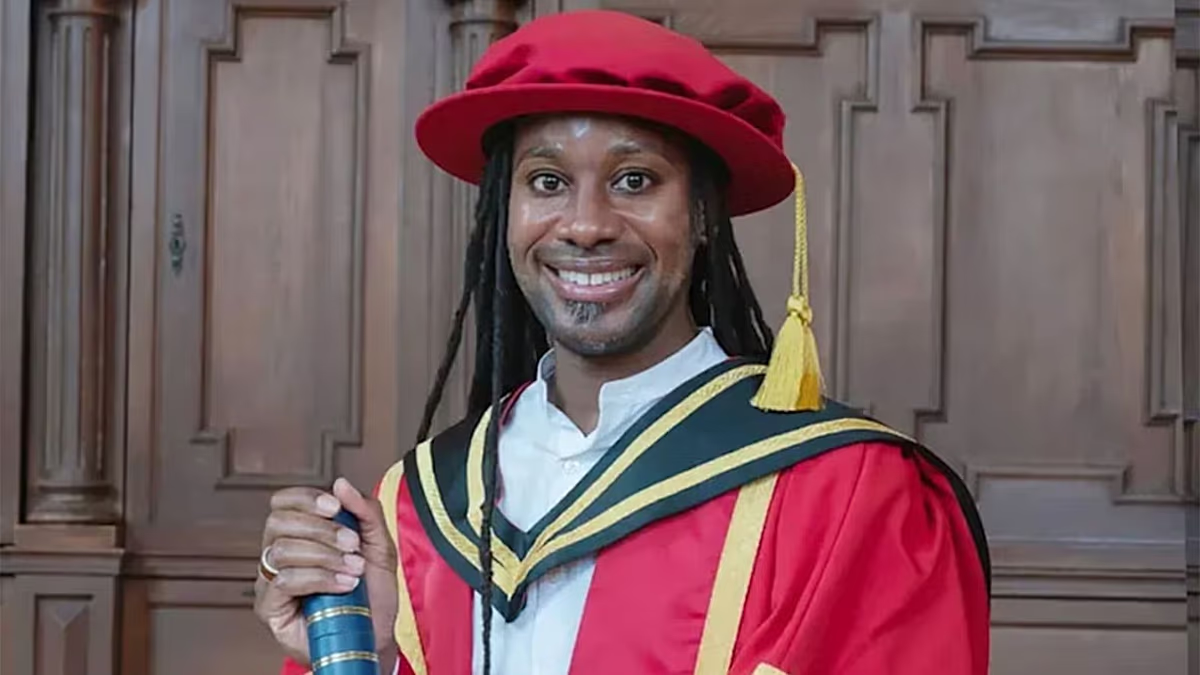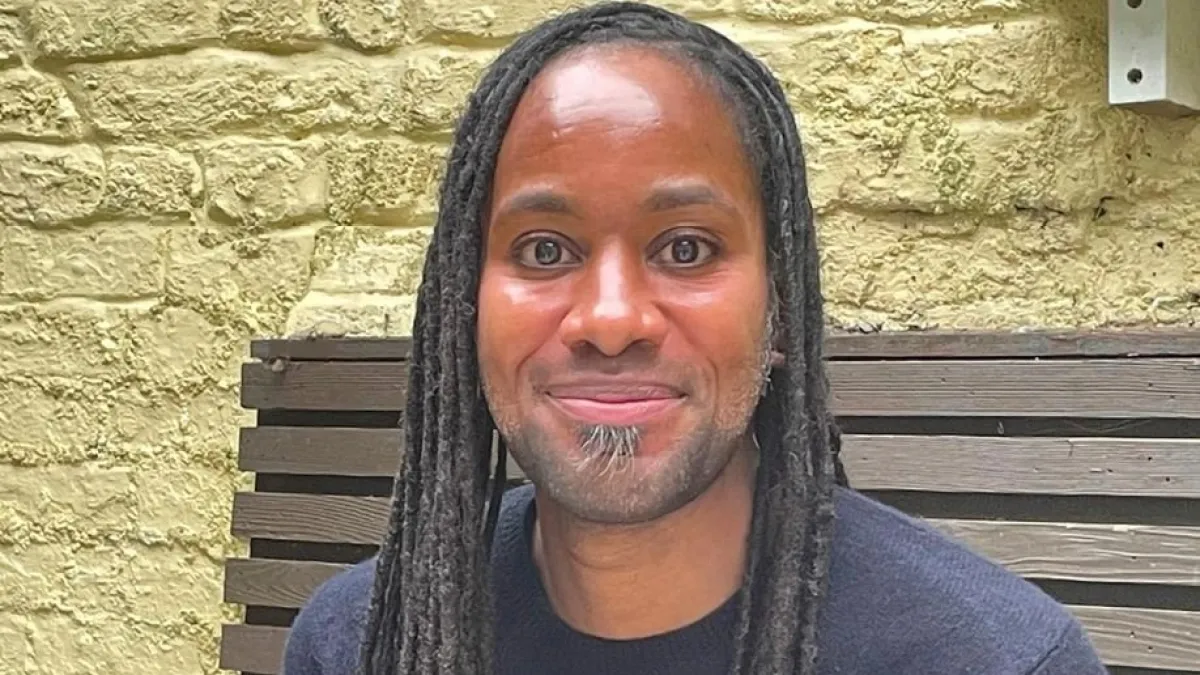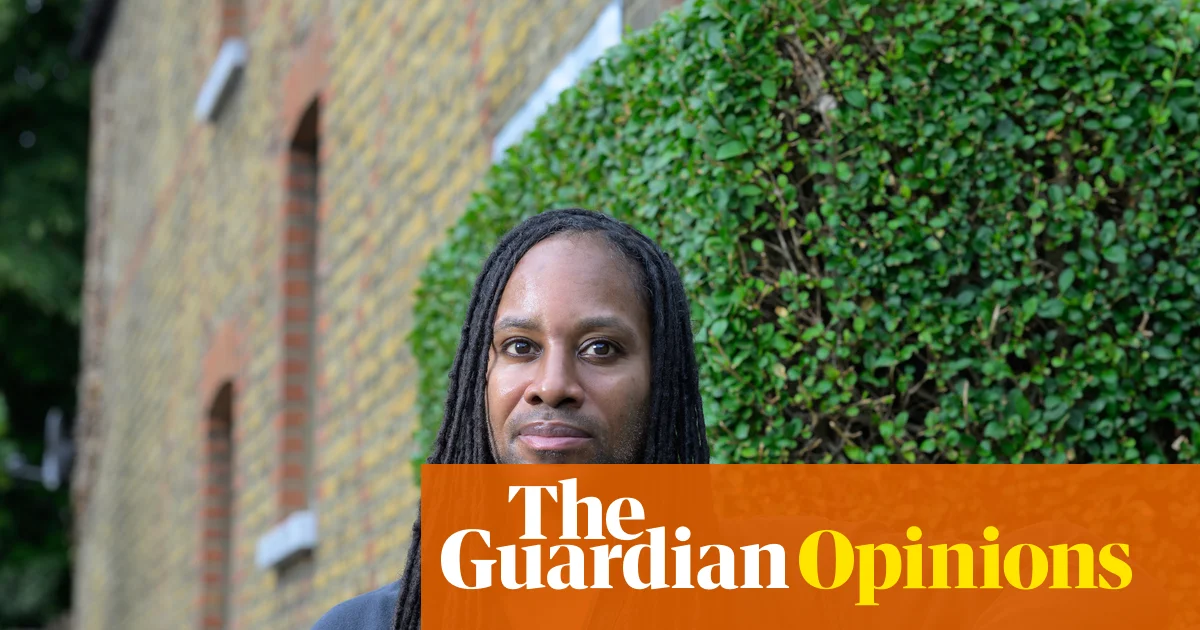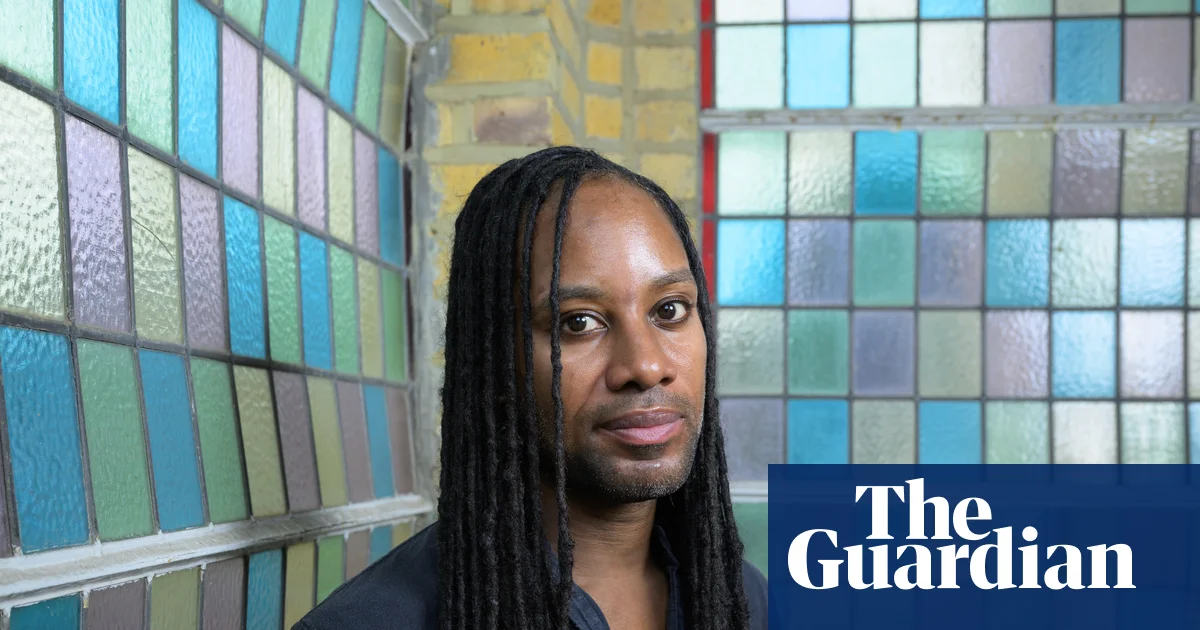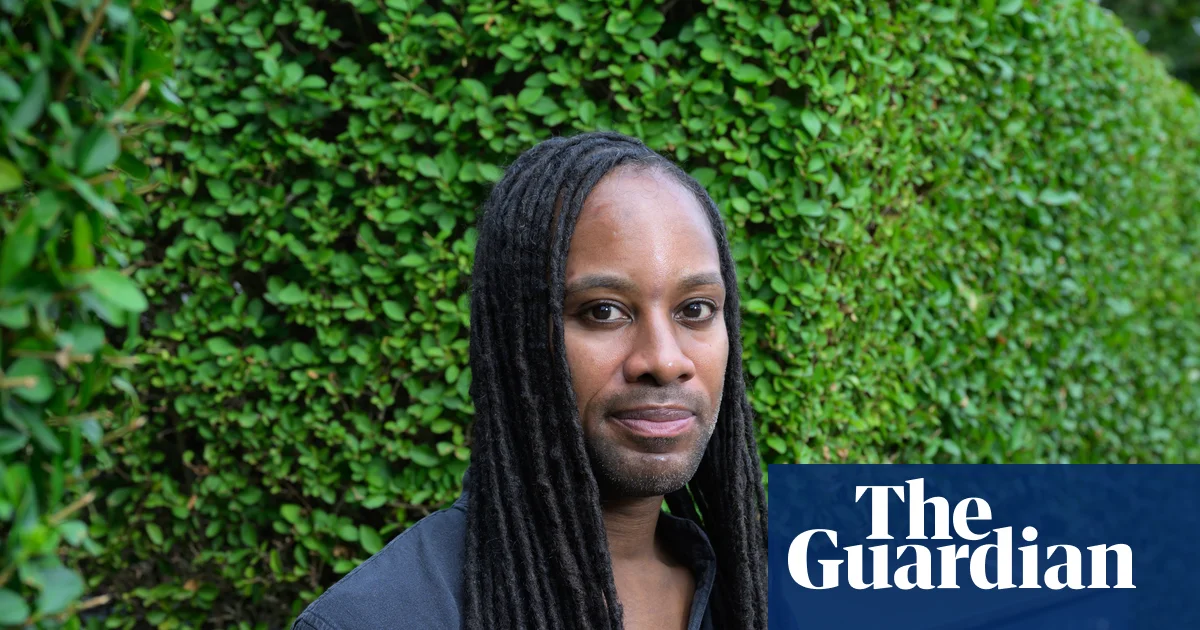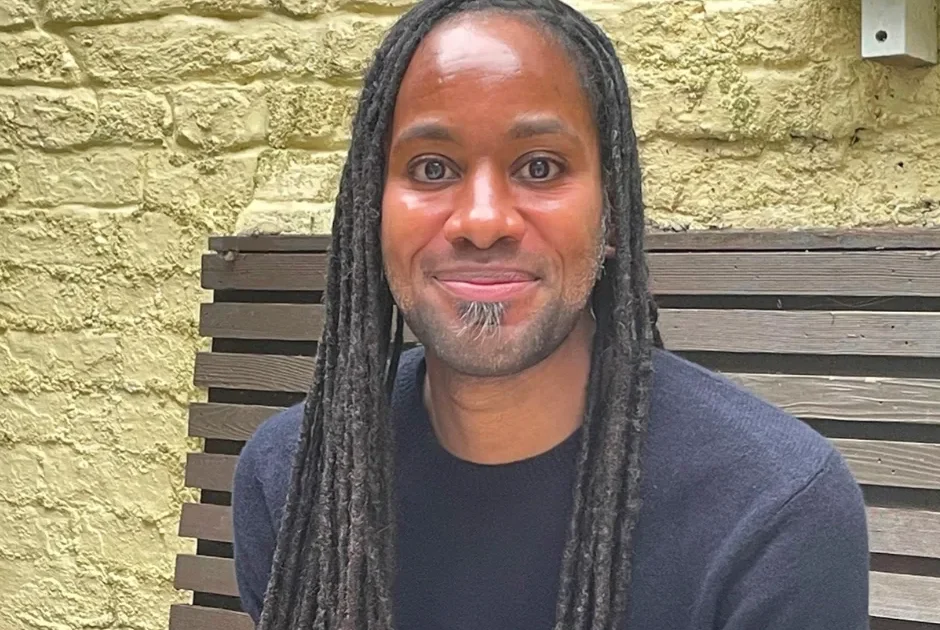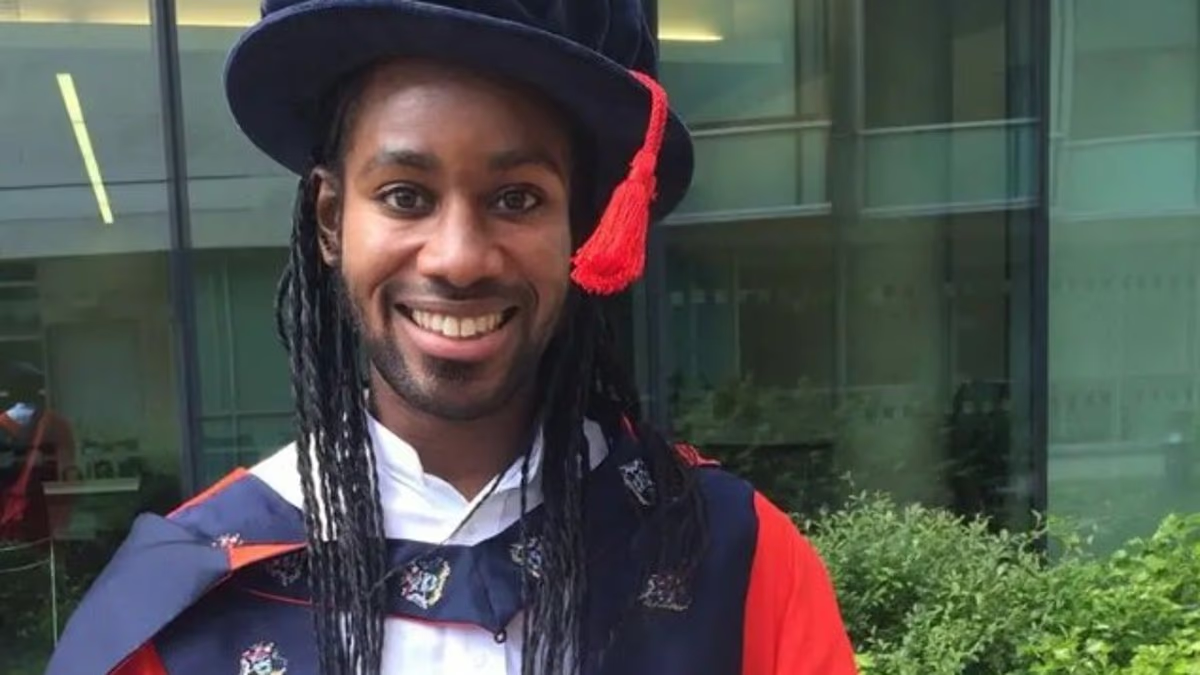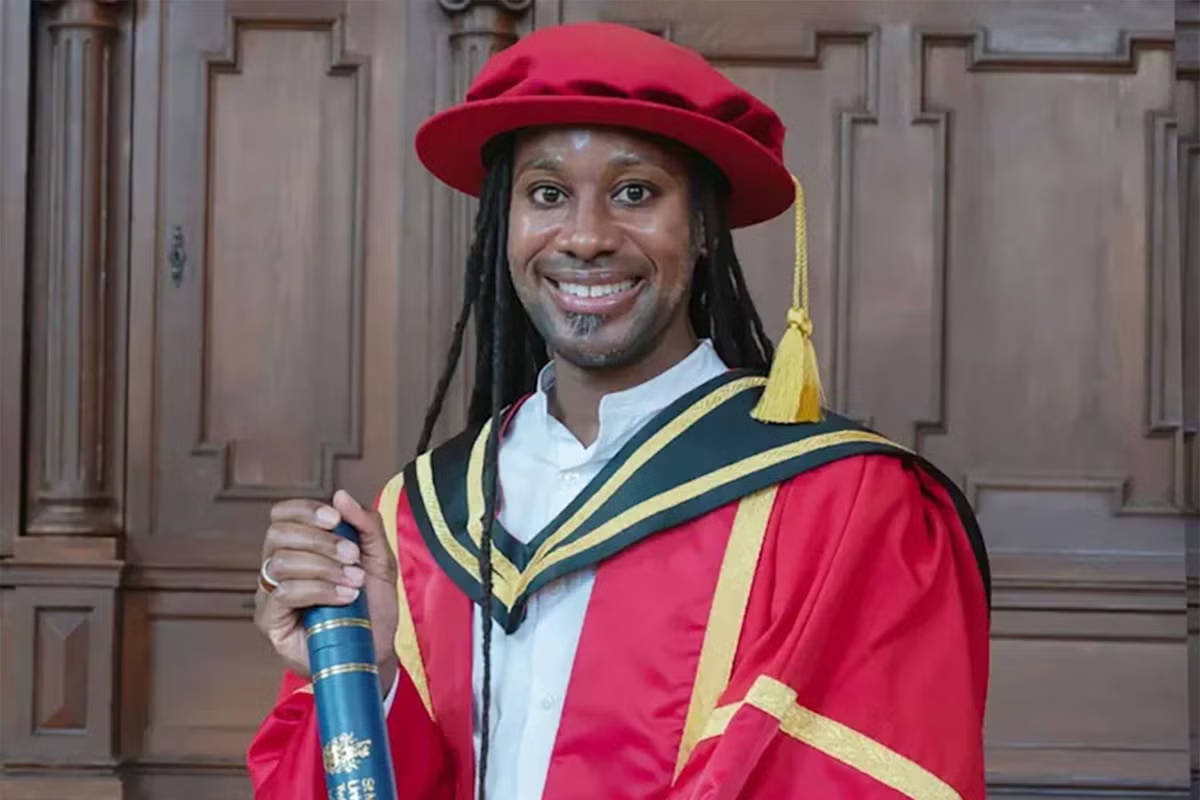
No one could have predicted it: a scandal over one academic’s career at Cambridge University, suddenly propelled into the heart of a transatlantic culture war. At its center is an extraordinary rise, a series of deeply uncomfortable questions about how it happened, and a debate that has become almost impossible to separate from the politics of race and diversity.Jason Arday was one of the UK’s most prominent young academics on race and inequality, rising to become Cambridge’s youngest Black professor at just 37 in 2023. His rising-star narrative was seductive: he couldn’t speak until he was 11, he claimed, and couldn’t read or write until he was 18. But just a few short years after being functionally illiterate, he was able to complete a PhD and publish widely praised sociological research. When he was hired by Cambridge, the head of department for education told him: “You are the best in the world in terms of the research that you do.”At the same time, Arday apparently became one of the world’s leading distance runners and best non-millionaire fundraisers, having also claimed to have run 600 miles in six days and raised almost $7.5 million for charity. He also said he’d run a number of marathons on a broken leg and survived a months-long coma. It was certainly eyebrow-raising stuff.And then came the backlash. Right-leaning UK newspaper The Telegraph conducted an investigation that found discrepancies in Arday’s academic output. Colleges where he claimed on his resumé to still be a visiting professor denied any such thing. Fellow academics at Cambridge began to demand answers; students who Arday had supervised started asking to have their papers re-graded. Arday’s memoir, the aptly named Great and Unfortunate Things, is still due to be published at the end of August, but his book tour and associated speeches and appearances have been cancelled. He resigned from Cambridge without admitting wrongdoing, instead saying that the public scrutiny had been bad for his mental health. But then it emerged that his credentials had been questioned before, by a reporter working for the education-focused magazine Times Higher Education, and that when the journalist had reached out to give Arday a right of reply, Arday had called the police and reported him for harassment.Jason Arday was one of the UK’s most prominent young academics on race and inequality, rising to become Cambridge’s youngest Black professor at just 37 in 2023 (St Mary's University Twickenham)Arday denies any dishonesty, and some previous investigations done into his work at other colleges didn’t uphold allegations against him. He’s admitted embellishing some minor personal life details. Other investigations into his work are ongoing — and, probably more consequentially, the media coverage keeps on rolling. The narrative has consumed the UK and has gradually crossed over into discussion among academics in the US and Canada. What’s clear is that this controversy is about far more than one “superstar” professor. To his critics, the Arday affair appears to expose a university system so invested in diversity and representation that conventional standards of academic scrutiny had been weakened. His case has been seized upon by people on the right as evidence that diversity politics has come at the expense of academic standards, while defenders of DEI have understandably been wary of allowing one disputed case to become a verdict on an entire movement. What makes the argument particularly slippery is that the language of “merit” is hardly politically neutral: those demanding it most loudly are not always equally interested in scrutinising the many other advantages — money, connections, family background, elite schooling — that shape who succeeds. What makes it so enduring, and so vicious, is that neither side can bring itself to be entirely honest with the other.There’s a certain group of people who are delighted that it’s come to this.‘Self-censoring’ conservatives and a ‘hostile’ college environment“If you look at surveys of US students or of academics, and you ask them: ‘What is the ideological makeup of their department?’” says professor of politics Eric Kaufmann, then you find that “there's only a handful of universities that have a conservative student body.” “Any university that has a left-wing makeup, conservatives are self-censoring at a very high rate,” he adds.The Foundation for Individual Rights and Expression (FIRE) is a nonprofit that releases its own “free speech ranking” every year, based on the results of surveys from students across American universities. Its 2026 findings are particularly alarming. FIRE does indeed report that students “are reluctant to speak their minds” and “self-censor regularly.” Most students — 53% — now say they wouldn’t even open a discussion about Israel-Palestine. But as much as conservative students didn’t want to irritate their liberal professors in class, left-leaning students expressed fears about being arrested by police or harassed by ICE if they attended protests. More than one student reported having a sniper gun pointed at them while at a pro-Gaza protest encampment.The FIRE findings tell a story of widening division. This year’s survey asks students if they would ban controversial speakers from their campuses, and it poses three controversial left-wing positions (such as “the police force is as racist as the Ku Klux Klan”) and three controversial right-wing positions (such as “Black Lives Matter is a hate group”). This year, the percentage of students who would allow such speakers declined across the board. Left-leaning students were more strident in wanting to ban right-wing speakers, and right-wing speakers were more strident in wanting to ban left-wing speakers. A vast majority of students from across the political spectrum — 71% — supported the idea of bans; alarmingly, 54% also now support action to block other students from attending speeches they disagree with, and a record high of 34% now say it’s OK to use violence to stop such speeches.The case of academic Jason Arday (pictured holding the Olympic torch) appears to expose a university system so invested in diversity and representation that conventional standards of academic scrutiny become weakened (PA)Eric Kaufmann is one of the most prominent academic voices in campus ideology. His popular, controversial book Whiteshift — which examines changing demographics across western Europe and talks about a future “white minority” — came out in 2018 and still generates heated discussion. His follow-up in 2024, The Third Awokening, promises to deliver “a 12-point plan for rolling back progressive extremism.”So committed is he to his cause that he also founded The Heterodox Conference, an annual gathering of anti-woke academic voices in the humanities, who travelled from across the world to speak in July at Buckingham University in England. Because, of course, this is very much a humanities issue. “I don't think there are certain types of string theory that are not being done,” he says, with a laugh, but he points out that a study by James Manzi found that 90% of political social science papers lean left.Kaufmann doesn’t have a problem with the left as a whole — he says that in his experience, especially while teaching politics as the head of department at London’s Birkbeck University, “the Marxist left” was “much more reasonable to deal with” — but he does think that humanities departments are stifling conservative views. What does that actually look like in practice, I ask? Which right-leaning pieces of research are we missing out on because of this supposed bias?“What it looks like is just a whole range of topics where either the topic is out of bounds, or certain perspectives are out of bounds within a topic,” Kaufmann says. For instance, “explaining the race gap in wealth in America”: perhaps, he says, “there's not sufficient emphasis on savings, or whatever, in the African American community. Now, maybe that argument's wrong,” but you should be able to make it, “whereas if you said, ‘Oh, it's about systemic racism,’ you get in right away.” Other areas he says should be researched more are “left-wing terrorism” and “birth rate collapse”. Of course, all of the above are fairly regularly discussed in American politics. The echo chamber certainly doesn’t extend to Washington.Then there are trends in academia, which Kaufmann believes are currently leaning very left. “You’ve got another group of subjects, which are just unfashionable, like military history, sociology of the military, of the police,” he says. “Some of these things are just seen as, ‘Oh, that's what people used to do in the 1950s, and we want to study, race, and gender, or whatever.’ So there's the unfashionable, but not cancellable stuff, and then there's the cancellable stuff, which is on a spectrum.”Kaufmann doesn’t allow a free-for-all at the Heterodox Conference: for instance, he doesn’t host people making arguments about differences in IQ between the races, as he sees that kind of talk as simply “controversialist.” But most topics are on the table. In July, the conference hosted debates and roundtables titled things like “The Equity-Excellence Tradeoff,” “Rethinking Gender,” and “Suicidal Empathy,” featuring people who write for publications with names like The Journal for Controversial Ideas. A featured speaker, Jonathan Anomaly, a genetics startup founder who comes from the world of academic philosophy, politics and economics, published a 2018 paper titled “Defending Eugenics.”Cambridge University is at the center of a culture wars storm over Jason Arday (PA Archive)Kaufmann found that when he started talking more openly about left-wing bias in the college system, he became a lot less socially popular in the hallways.“I didn't get a lot of overt hostility,” he says, but there was a general sense among his peers that he was “somewhat radioactive.” He remained respectful and professional with students, so no one was ever able to file any complaint against him, but he isolated himself from many of the more powerful voices in his subject of sociology. Especially in academia, where funding is hard to come by and jobs are rare, that isolation can be costly.“It's a collegial profession where you’re relying on colleagues, whether immediate colleagues, or within your visible college, to… adjudicate your grant applications, your promotion applications, to be hired,” he says, “and for that reason, it's a lot about networking and conferences, and the more collegial and institution or profession is, the more conformity there is.”By forcing people to network to the top while conducting their research, academia might be particularly vulnerable to becoming an echo chamber: rehashing the views and conclusions of the people above you is, after all, bound to position you more favorably than if you’re picking fights with the conclusions of your elders. Perhaps there’s something in that, I say? Kaufmann agrees, but adds that “there's also a wider context here, which is that all professions have moved to the left. If you look at donations in America, you know, it's not just academics, it's not just Hollywood and media, it's also doctors and lawyers and even tech employees, right? So you have this drift [where] academia is sort of one of the more — along with the arts, probably movies, publishing — it's probably at the extreme end.” It’s true that high net-worth individuals often give to the Democratic Party, although Republicans do tend to outstrip their Democratic counterparts in funding, mainly through super PACs and singular donations from billionaires. And although Silicon Valley’s best and brightest wrote big checks for the Democrats a few years ago, the founders of huge corporations like Google and Meta have since aligned themselves fairly explicitly with Donald Trump. Surely that counts for something? Kaufmann says he agrees, and he sees it as a correction of a boat that was leaning too far to the left, in danger of capsizing. This is one of the reasons why he — unlike some of his followers — believes government intervention in universities to try and change the ideological makeup may be necessary. “I don't really foresee an alternative academia that somehow secedes from the mainstream,” he says, when I ask about Heterodox being its own little corner of conservatism. Instead, his “best case scenario is, of course, to have politically balanced and tolerant, mainstream academia, actually. I mean that would be the ideal.”The Trump factor: Changing views by forceDonald Trump’s war on America’s universities began with the same excuse: that higher education had become a liberal monoculture, hostile to conservative ideas and obsessed with DEI. In his second term, the administration went considerably further than rhetoric. It has now used the federal government’s enormous financial leverage over universities — through research grants, student aid, accreditation and immigration policy — to demand institutional changes, and the measures show no sign of letting up. In April 2025, Trump ordered a rewrite of the accreditation system, directing officials to promote “intellectual diversity” and investigate universities for what the administration describes as ideological overreach and unlawful discrimination. The administration has also pursued universities over DEI programs, admissions practices, transgender policies and their handling of pro-Palestinian protests and alleged antisemitism.The most dramatic confrontations have involved money. (AFP/Getty)In March 2025, the administration cancelled roughly $400 million in federal grants and contracts to Columbia, citing the university’s handling of antisemitism during pro-Gaza protests; it subsequently used the restoration of that money as leverage in negotiations over campus policy. The administration has pursued a similar strategy elsewhere, threatening hundreds of millions of dollars at Brown and billions of dollars at Harvard. Trump’s DOJ also recently accused Duke Law of favoring Black and Hispanic students over white and Asian ones.There is therefore a slightly awkward distinction at the heart of the conservative case. There are legitimate questions about whether universities have become politically homogeneous, whether some students and academics feel pressure to conform to progressive orthodoxies, and whether DEI policies can produce genuine discrimination. But Trump’s campaign is not confined to protecting conservative students from discrimination: it is an attempt to reshape the institutions themselves, using access to public money as leverage. That makes the current fight about something bigger than whether conservatives are treated fairly on campus. It is about who gets to decide what universities teach, research and believe. Should a government that accuses higher education of ideological conformity itself be allowed to impose a different ideological conformity from Washington? Is that what freedom looks like?Little wonder, then, that the story of a young Black professor whose remarkable rise had made him a symbol of diversity in academia provided such potent kindling for an already smoldering culture war. Jason Arday has stepped away from Cambridge University, but the damage done is unlikely to be easily repaired. For those who already believed that universities had become more interested in representation than merit, the affair will look like confirmation. For those who fear that attacks on DEI are becoming a licence to dismiss the very idea of structural discrimination, it will look like another example of a complicated individual case being recruited for a much larger ideological battle. And somewhere between those two positions lies the question that is much harder to answer: How do you build universities that are genuinely open to people from different backgrounds and perspectives, without allowing either diversity or merit to become a meaningless political slogan?
Jason Arday and the simmering culture war that made his case explode
Holly Baxter investigates a movement that has been convinced for a long time that conservative students are being silenced across the world
2,504 words~11 min read