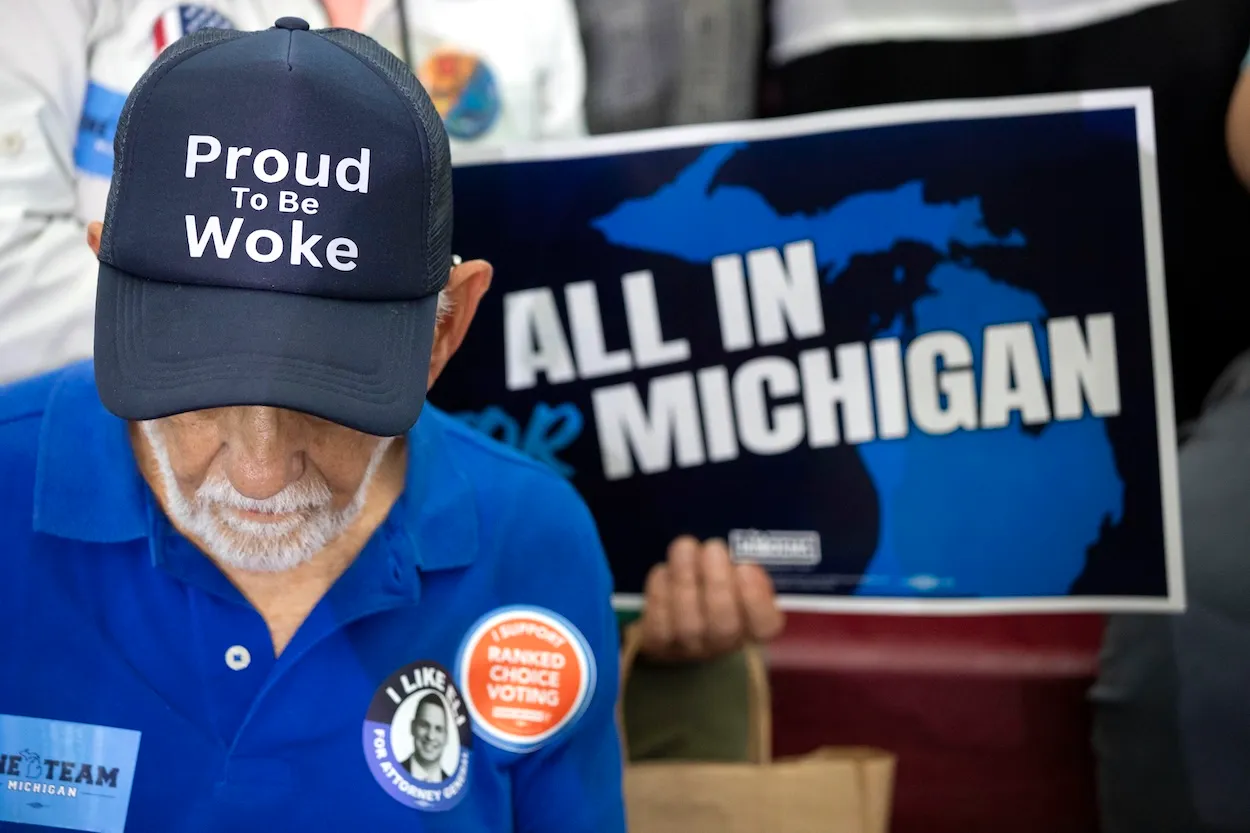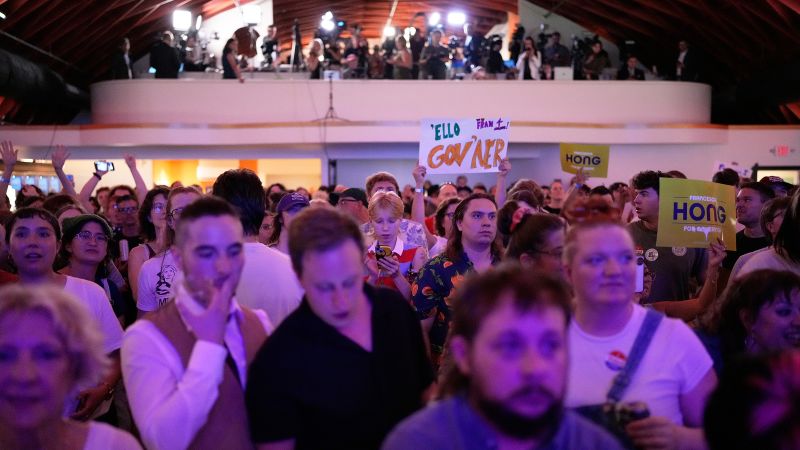
DID BAD POLLS MAKE DSA LOOK MORE APPEALING THAN IT WAS? There are problems with polls in many elections, but those problems seem to have been particularly pronounced in the last couple of weeks, when Democratic Socialists of America candidates seemed poised to make major progress in their drive to take over the Democratic Party.The short version is that in two statewide primary elections, in Michigan and Wisconsin, faulty polling made DSA (or DSA-adjacent) candidates look almost overwhelmingly popular. It wasn’t a total fiction; after all, the candidate in Michigan won, if very narrowly. But especially after Wisconsin, where some polls suggested a DSA landslide was in the works when it wasn’t, it’s reasonable to ask whether the polling contributed to an aura of power around the socialist movement.In Michigan, the polls said DSA-adjacent candidate Abdul el Sayed would run away with the Democratic Senate primary. The RealClearPolitics average of polls, from all sorts of different pollsters, had el Sayed ahead by 10 points just before the election. But on election night, el Sayed barely squeaked by, winning by a single point.
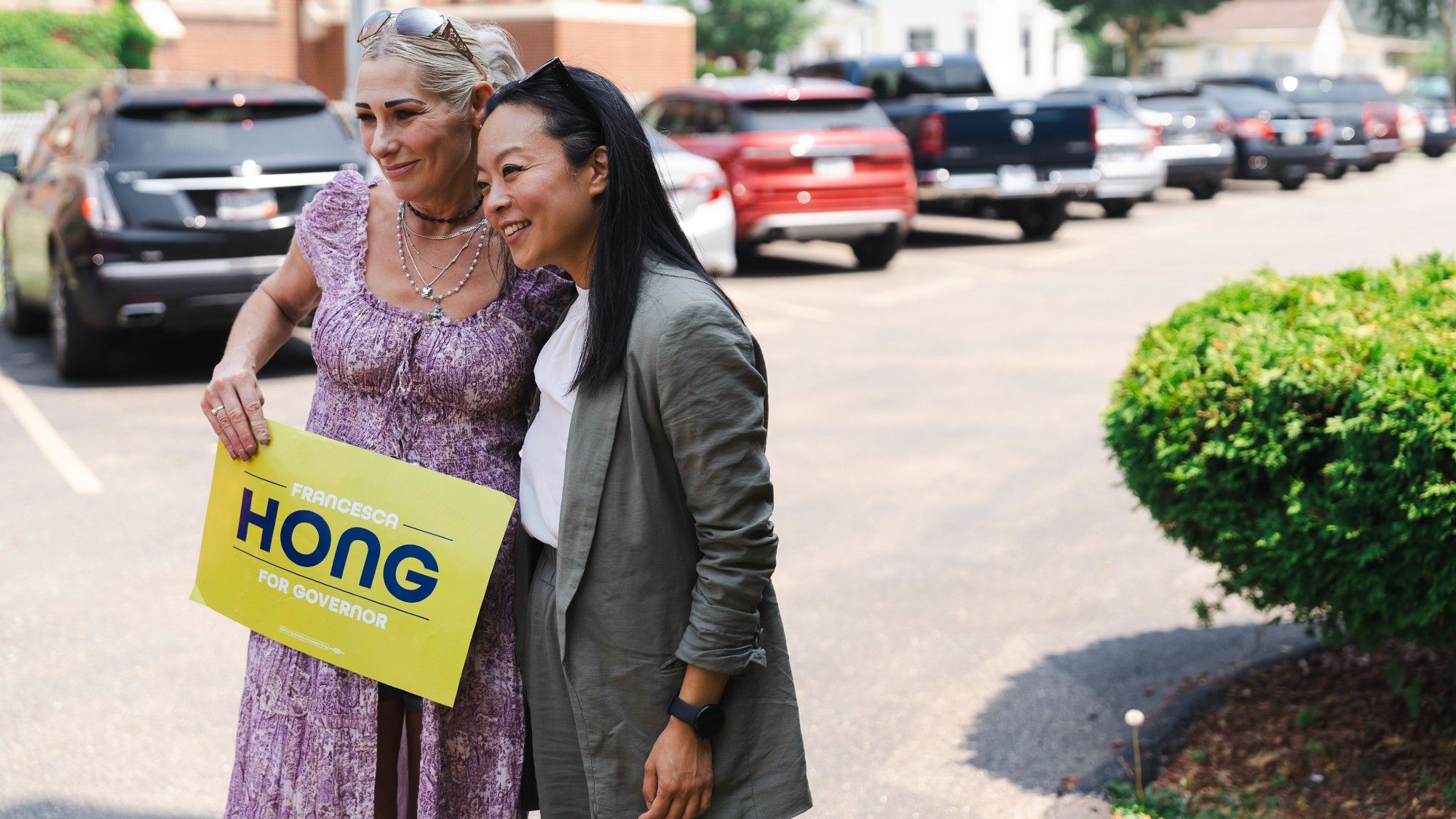
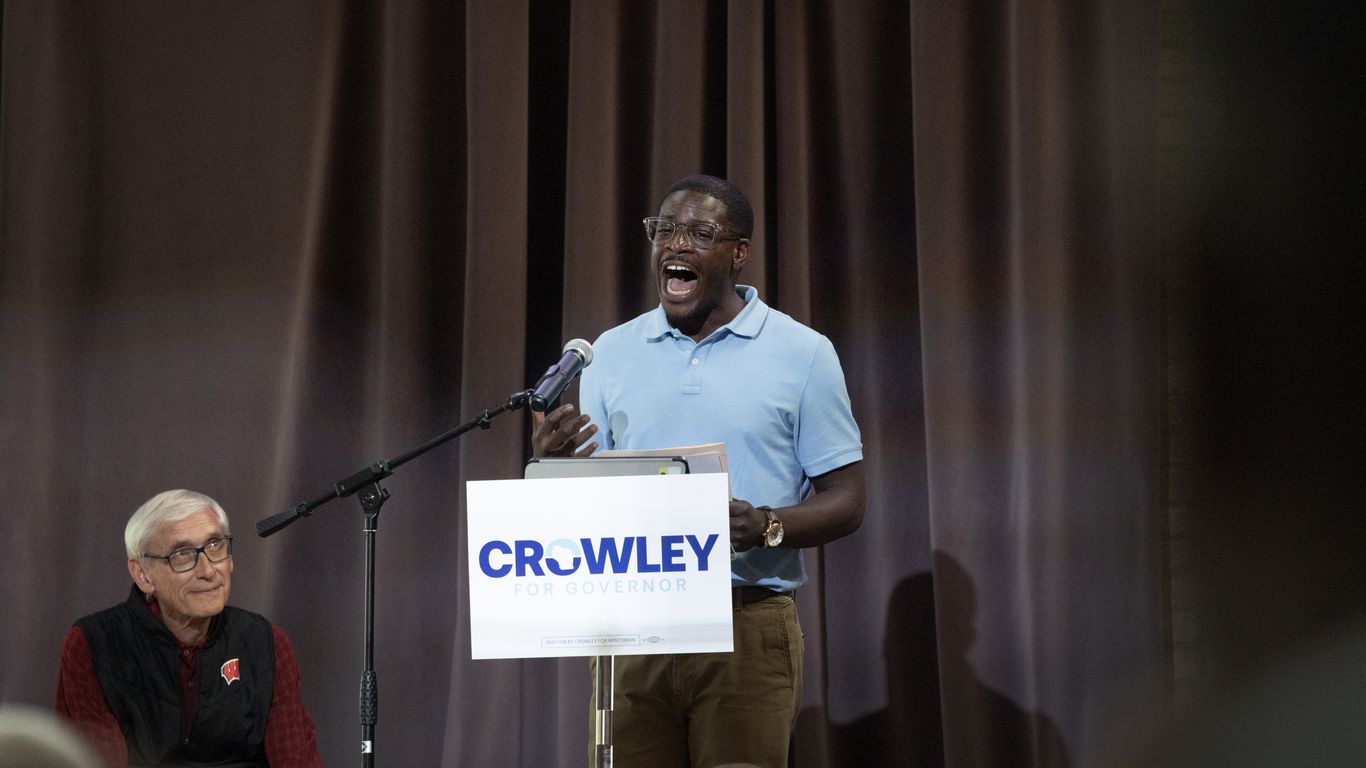
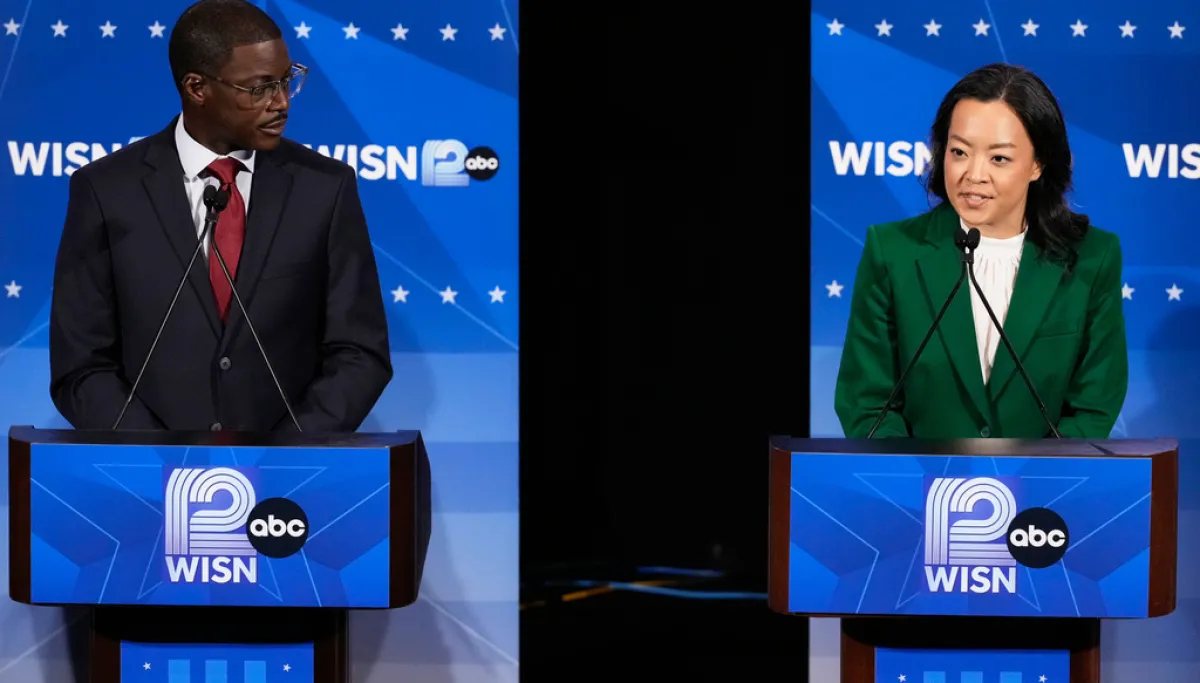
This week, the polls said DSA candidate Francesca Hong had an even bigger lead going into the Democratic primary for governor of Wisconsin. The final three polls in the RealClearPolitics average showed Hong in the lead by 18, 22, and 20 points. In the end, Hong lost by one-half of a percentage point.It was an extraordinary screwup — polls pointing toward a blowout for a candidate who, in the end, couldn’t win by any margin.Now, we’re learning how some of the mistakes happened. As it turned out, in early August, David Crowley, the Democratic candidate who outran Hong to win Tuesday night, commissioned a private poll from the Democratic research firm Public Policy Polling, or PPP. The poll came back with Hong leading Crowley by 18 points, basically in line with other polls by PPP and other firms during the last weeks of the campaign.Then Crowley did something interesting. On Aug. 5, his campaign released an analysis arguing that its own poll, the one it commissioned from PPP, was totally wrong. Normally, that is an exercise in desperation; a trailing candidate tries to convince the press and voters that the polls are wrong. But in this case, Crowley was right.The Crowley campaign argued that the PPP poll grossly overestimated the number of young people who would vote in the primary. Crowley noted that 14% of the electorate in the August 2018 Democratic primary and 16% of the August 2022 primary electorate had been voters aged 18 to 45. It also noted that of the early ballots returned through Aug. 4 in this primary, 15% of the voters were 18 to 45. Yet the poll estimated that in the end, 30% of the voters would be in that young age bracket. That was just not going to happen, and it didn’t.PPP also grossly underestimated the number of older people who would vote in the primary. In the 2018 primary, 57% of the voters were over 65. In 2022, the number was 52%. This year, it was 61%. And yet, PPP estimated that just 38% of the ballots would come from voters over 65.Of course, younger voters tended to go for Hong, while older voters tended toward Crowley. “Age is the sharpest dividing line in this primary,” the analysis said. That simple fact accounted for a great deal of the PPP poll’s error; it was like a case study in how to skew a poll.That does not mean that polling error accounted for Hong’s entire lead going into primary day. There is also the possibility that she really did lead the race — although not by anywhere near 20 points — for much of the campaign. But in the last week, the “cancel Thanksgiving” brouhaha was brutal for Hong. It’s entirely possible she dropped like a rock in the last days of the race. So the polls were closer to accurate as a snapshot of where the race stood when they were done, but not of the final, post-“cancel Thanksgiving” result.The Crowley campaign also found that voters who knew more about Crowley tended to support him. And, strikingly, it discovered that Hong was doing nothing to reach out to those voters, while Crowley was targeting them with ads. “Public ad tracking through August 4 shows the pro-Crowley effort with $2.3 million and 4,762 gross rating points of broadcast and cable on the air across Wisconsin’s media markets,” the analysis says. “It shows no broadcast, cable, or radio activity from the Hong campaign in any market. Broadcast television is the top information source for a third of voters over 65 in our survey.” (Emphasis added.)That’s pretty astonishing. Perhaps Hong believed all the hype that had grown around her campaign and her unassailable lead in the race. Why spend the money, especially when Hong had not actually raised that much?In any event, there’s no doubt that polls played a role in the public’s — and the media’s — perception of what was happening in Wisconsin, just as they had the week before in Michigan. And when the polls were so lopsided, people naturally got the impression that the DSA was doing better than it actually was.