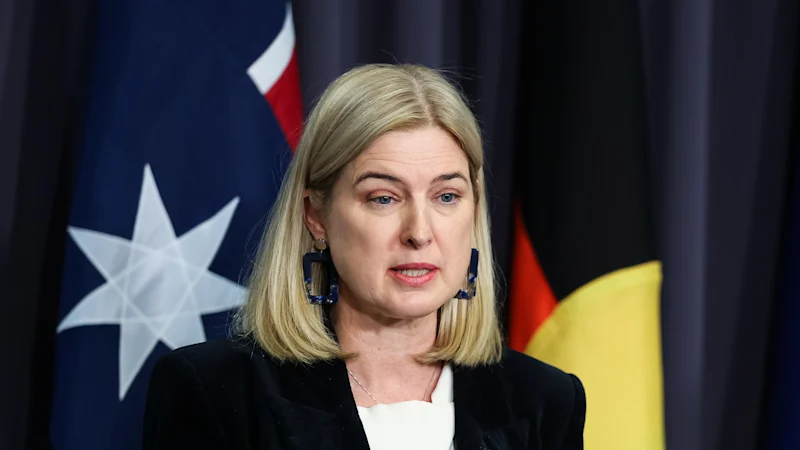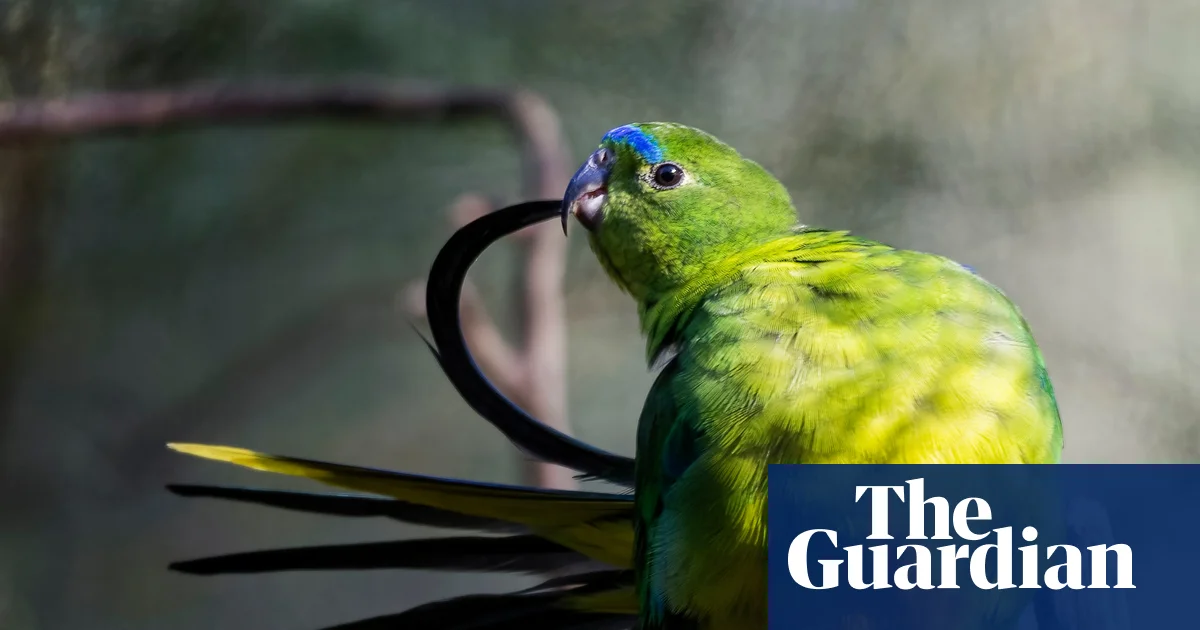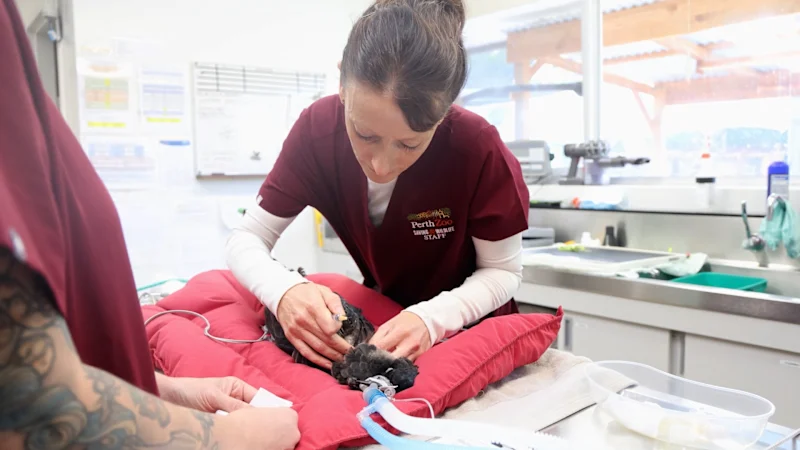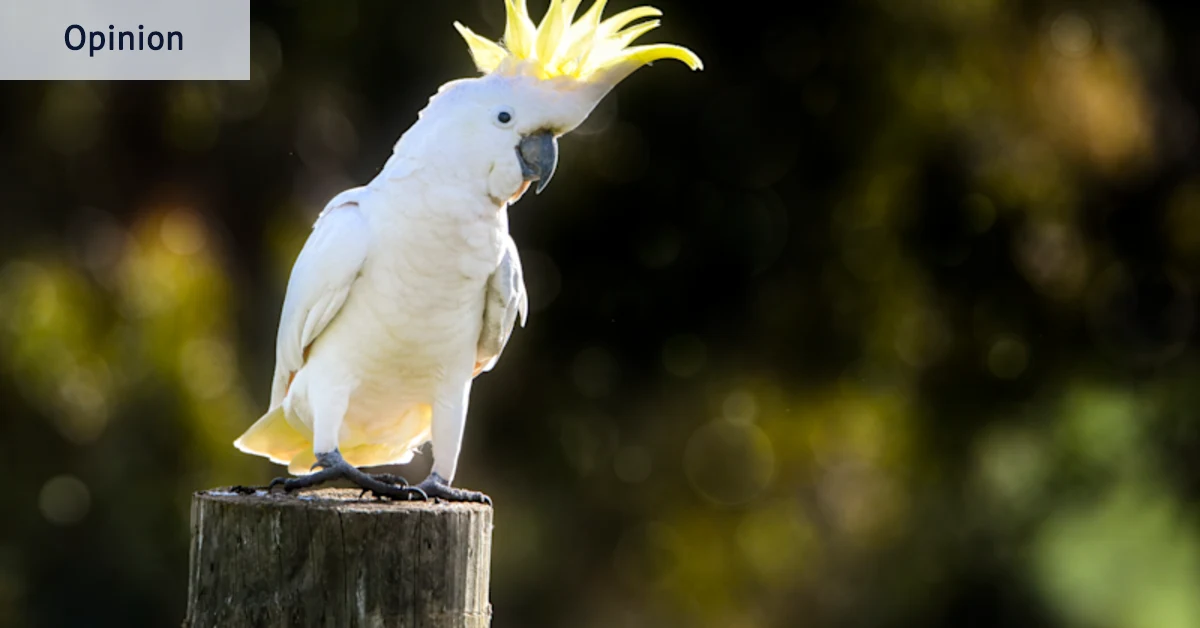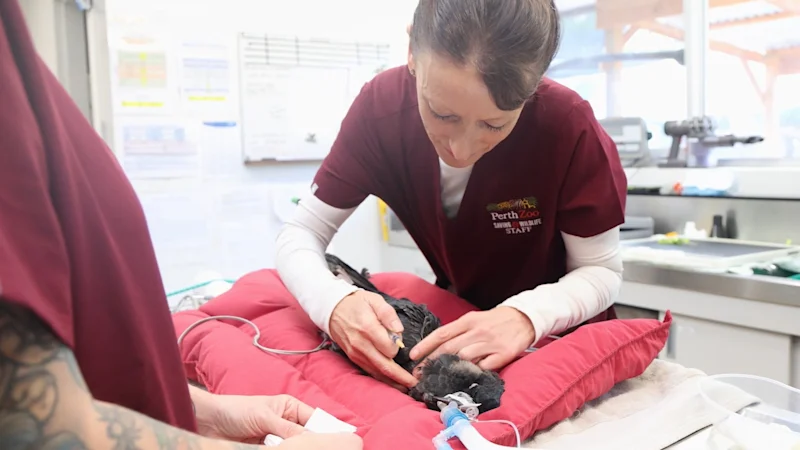
August 13, 2026 — 12:49pmA vaccination trial for one of Western Australia’s most iconic species, the black cockatoo, is being piloted at Perth Zoo as part of efforts to protect the endangered animals against a H5 bird flu outbreak.Other important species across the state will also be vaccinated, with a priority list to be established and finalised before the end of the week.Perth Zoo is piloting a vaccination trial for three threatened black cockatoo species as part of the Cook Labor Government’s proactive efforts to manage bird flu among Western Australia’s iconic native wildlife.Perth ZooThe vaccination trial is being undertaken with birds in the zoo’s permanent population, focusing on three key species – endangered Carnaby’s, endangered Baudin’s, and vulnerable forest red-tailed black cockatoos.Efforts began in May.“Black cockatoos, as we all know, are an important and iconic West Australian species that are vulnerable to the bird flu, and we want to use every tool that is available to us to help protect their population and strengthen their resilience,” Environment Minister Matthew Swinbourn said on Thursday.“At this stage, the trial involves birds here that are captive at the Perth Zoo, as opposed to wild populations, but as the trial comes along, what we will do is look for the opportunities where we might be able to vaccinate some of the wild bird populations.“It’s important when we talk about vaccines that we also understand that this is not a silver bullet for the encroaching and inevitable arrival of bird flu in our local populations.“What this process is about is building resilience where we can, to ensure that we have survival populations.”Swinbourn said the federal government had asked the state to hand over a priority species for future vaccination against the potentially fatal disease.“We’re currently working on that list. It will go before the Ethics Committee tomorrow for approval, and then will be sent to the Commonwealth, and we’ll share that list with you tomorrow once it’s been finalised,” he said.“What I can confirm is that we have already had previous approval for four priority species, being the black cockatoo species, the black swan species, the little penguin species, and the blue-billed duck species as well.”Perth Zoo vet, Rebecca Vaughan-Higgins, said the black cockatoos were “certainly a priority species, not only for their conservation status”, but because they were also “fairly highly iconic and charismatic species”.Five birds have been vaccinated so far.“It’s two vaccines which must be delivered into the birds, and then we do need to do quite extensive follow-up monitoring and testing,” she said.“This trial is actually being run over a two-year period, and that’s primarily because we want to really test the efficacy and also the safety of this vaccine.“We haven’t detected any signs of ill health.”Vaughan-Higgins said that at this point, there was no licensed vaccination for mammals in Australia.“We are having ongoing discussions with our international colleagues in terms of if there are any other appropriate vaccines that may become available in due course,” she said.“Bird flu certainly is a very large threat to many of our endangered species, including birds and mammals.”Perth Zoo executive director David van Ooran said the zoo cared for 1300 animals, many of them threatened and endangered.“So it’s critical that we’ve been on the front foot, implementing mitigation strategies to reduce the risk to our wonderful animals here at the zoo,” he said.“That has included coverings over some of our enclosures, including the western ground parrot, numbat, black cockatoos, and we are ready – when this does spread through the community – to protect these animals, the most vulnerable and susceptible here at the zoo.“There are 10 cases, so at the moment it’s business as usual.”From our partners
WA’s endangered black cockatoos are under threat. Here’s what Perth Zoo is doing about it
“It’s critical that we’ve been on the front foot, implementing mitigation strategies to reduce the risk to our wonderful animals.”
614 words~3 min read