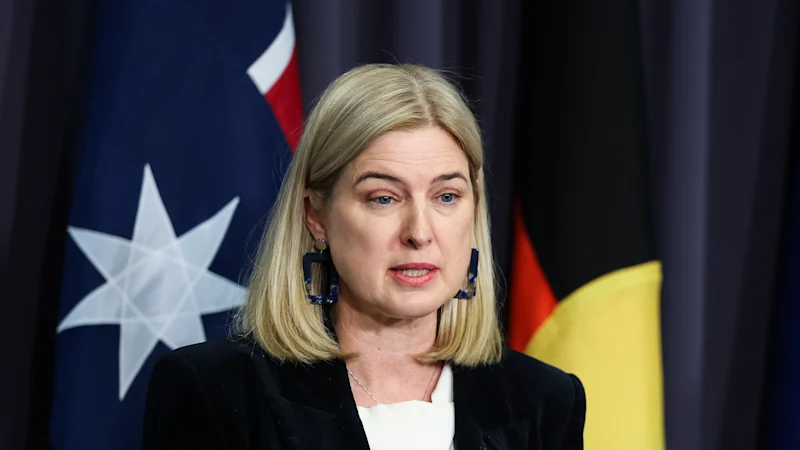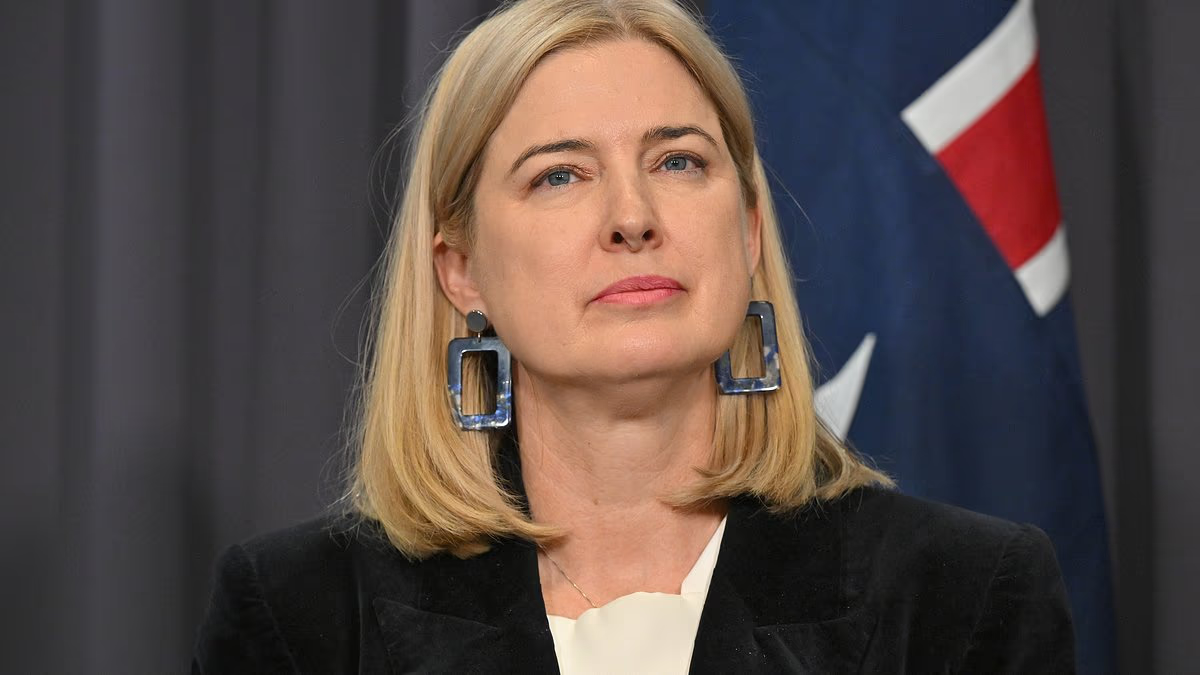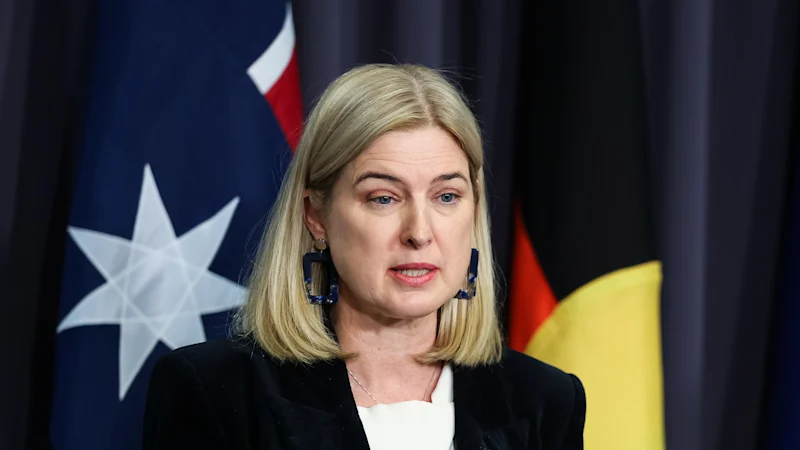
Updated August 11, 2026 — 1:33pm,first published 11:07amAustralia’s most vulnerable native birds will be vaccinated against the H5N1 flu sweeping the nation, but challenges remain in protecting the poultry industry to prevent egg shortages.Agriculture Minister Julie Collins said on Tuesday the government had acquired $2 million worth of vaccines to inoculate about 1500 native animals in captivity that are most at risk from the disease.Minister for Agriculture, Fisheries and Forestry Julie Collins speaking at Parliament House, Canberra, on Tuesday morning. Alex Ellinghausen“We’ve been very clear that we cannot stop the H5 bird flu from spreading amongst wild birds, but we can take action to protect the species most at risk, and the vaccination is now part of that response,” Collins said. The escalation of the national response follows confirmation of the first mass casualty event last week and as deaths exceed 200. As the outbreak spreads, Collins said reporting would shift from counting dead birds to confirming major events and newly affected locations.Collins said species would be prioritised for vaccination based on the needs of state and territory governments, which would announce which populations they would target in coming days.Environment Minister Murray Watt said wild birds may be vaccinated where possible, but doing so was difficult.“It does take two vaccination doses to vaccinate birds, and it is difficult enough to catch wild birds once, let alone twice,” Watt said.“The priority here is to vaccinate birds that are ... in our zoos and various other institutions.”Watt added that Australia had increased its populations of captive birds while bracing for the virus to hit as it spread around the globe.Collins added the risk of the H5N1 strain to human health remained low and there was no evidence it had infected Australia’s poultry industry.“Overseas we have seen it spill over into agriculture, so we’re doing everything we can do to keep it out,” she said.The government is examining whether vaccinating poultry is feasible, but a rollout would be complicated. Biosecurity measures, such as keeping poultry away from wild birds, will remain the first line of defence for farms, which are bracing for stock infections.“The vaccine itself is not 100 per cent protective,” Australia’s chief vet Dr Beth Cookson said. “So even in flocks that are vaccinated, they can still have the virus introduced if their biosecurity is not keeping the infection out.”She said infected birds would need to be killed even if vaccinated, and some countries had imposed restrictions on the export of vaccinated poultry.Cookson said the vaccine had been developed for poultry, and had been tested for efficacy and safety in different sizes and species of birds over 18 months.On the weekend, the first case of H5N1 bird flu in inland Australia was detected in western NSW, at the junction of the Murray and Darling rivers on the Victorian border. Experts say it is a sign the virus will spread rapidly across the continent.This strain has devastated wildlife populations overseas, leading to the deaths of millions of birds and mammals and first arrived in Australia in June from Antarctic seabirds.Cut through the noise of federal politics with news, views and expert analysis. Subscribers can sign up to our weekly Inside Politics newsletter.From our partners
Australia to give bird flu vaccines to native species most at risk
The Albanese government says the first H5N1 vaccines will be administered to native animals in captivity over the coming weeks.
532 words~2 min read