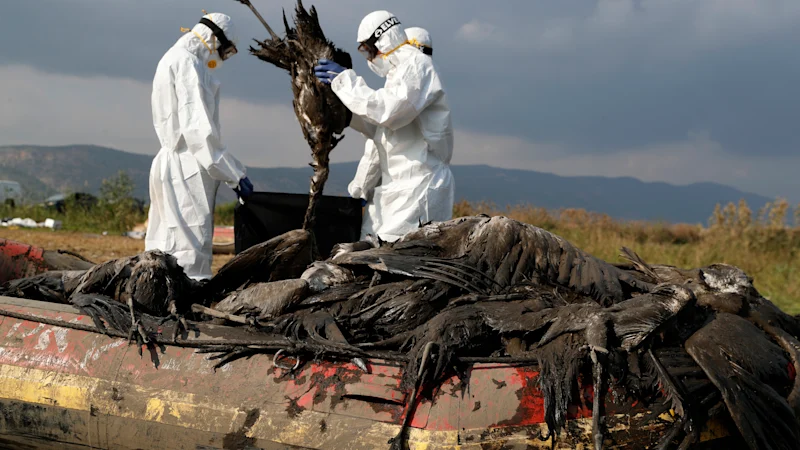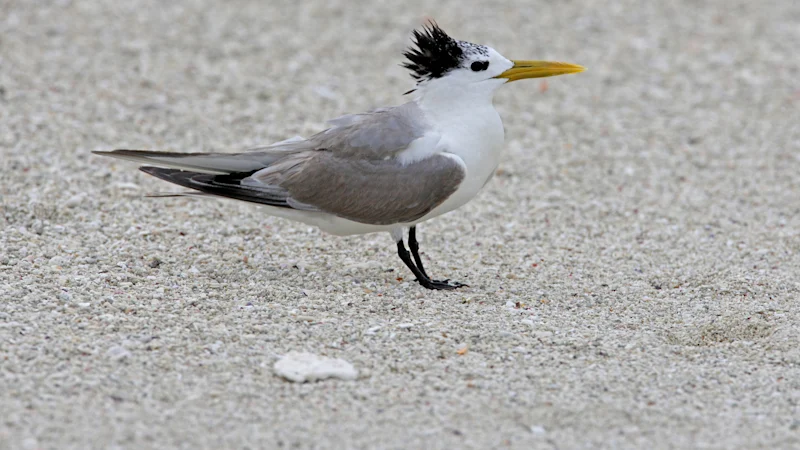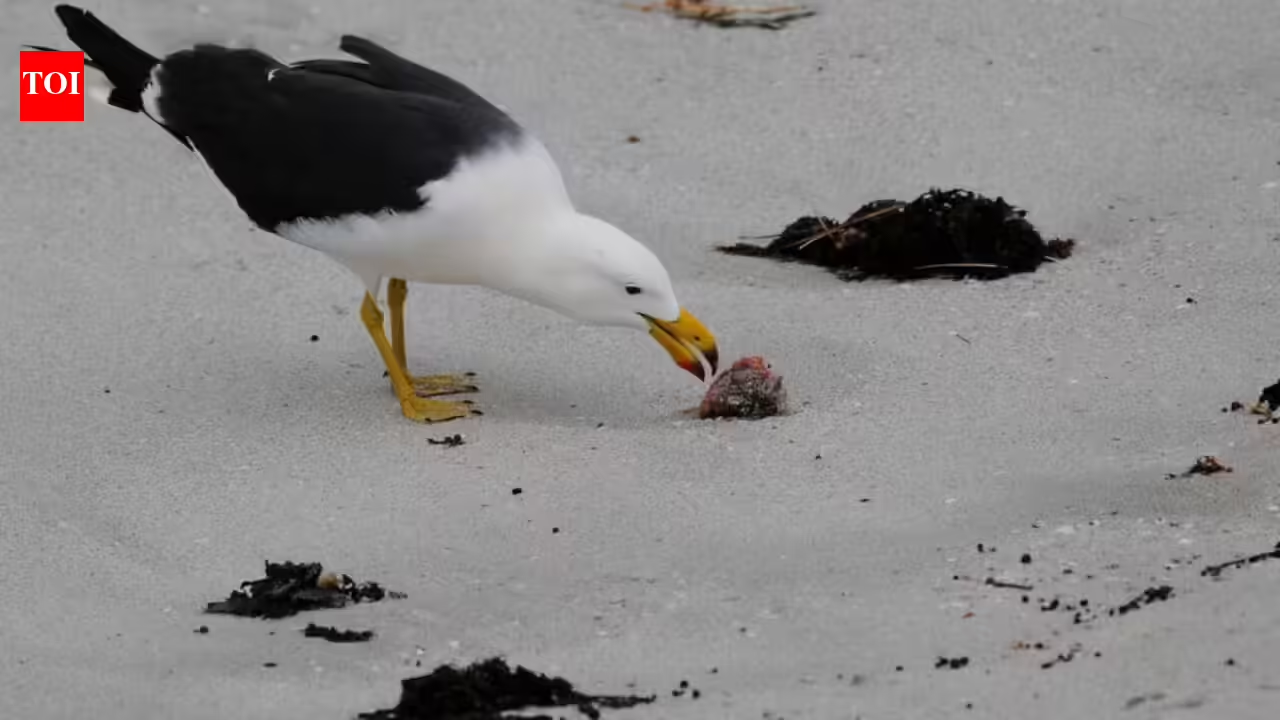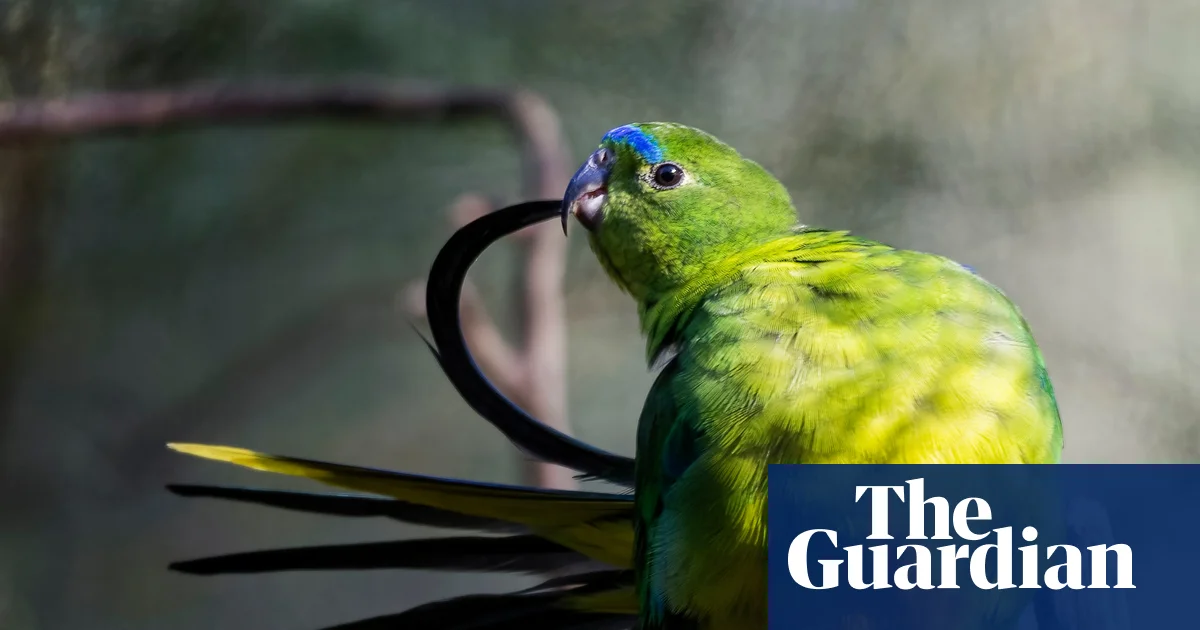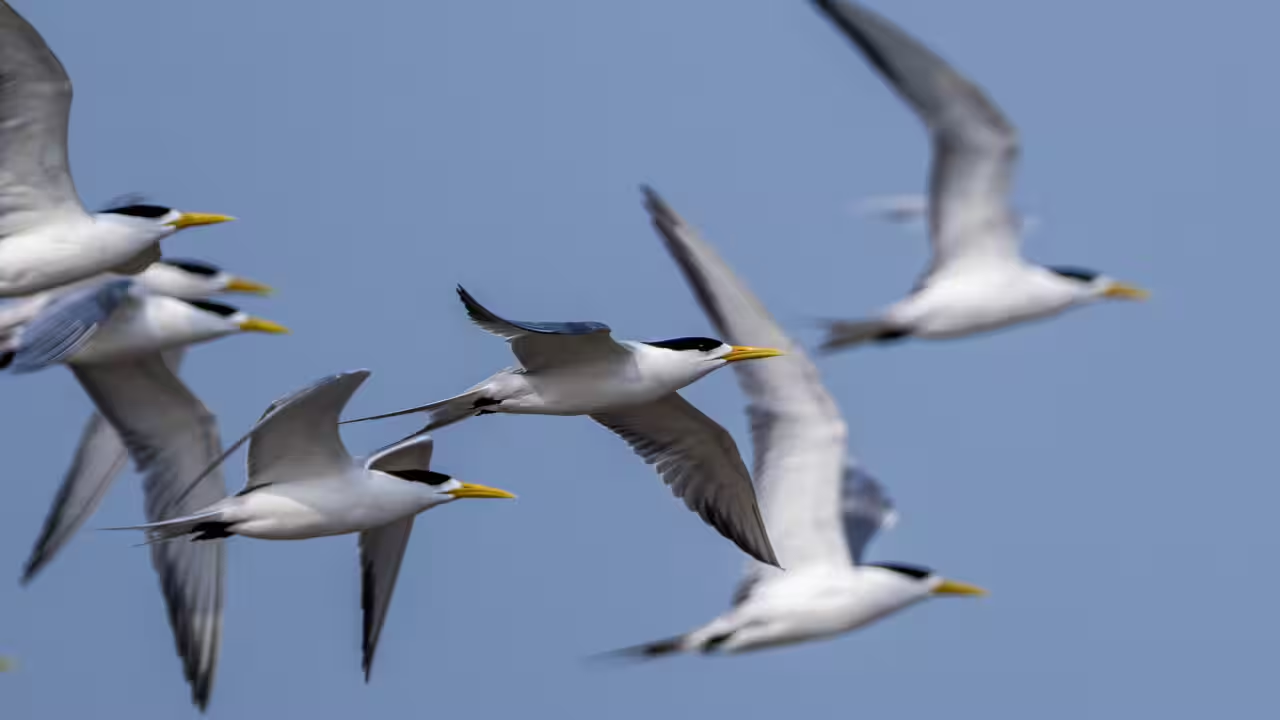
IN BRIEFCSIRO is sequencing samples to watch for genetic changes and reassortment with Australian bird flu viruses.Vulnerable species could face an "extinction-level impact" if H5N1 takes hold.Scientists have warned that Australia's H5N1 outbreak could take a new turn if the virus mixes with local bird flu strains.CSIRO scientists analysing bird flu virus samples are watching for signs the deadly H5N1 strain has swapped genetic material with influenza viruses already circulating in Australian birds.The process could produce new strains capable of infecting a broader range of bird species, though scientists stress this has not yet been detected in Australia and the potential impacts of any new strain cannot be predicted.They have also warned the virus could have an "extinction-level impact" on some of Australia's most vulnerable species, while acknowledging there are limits to how many wild animals can be protected through vaccination.Scientists watching for a genetic shiftNews that makes senseYour trusted source for staying up-to-date with the world around you. Get free daily news updates and analysis, straight to your inbox.H5N1 is an RNA virus made up of eight separate genetic segments.When different influenza strains infect the same host, those segments can be exchanged through a process known as reassortment, creating a virus with a new combination of genes.CSIRO senior research scientist Dr Frank Wong said this process had occurred as H5N1 spread around the world, with the virus picking up genetic material from local bird flu viruses."When a virus goes to a new area and it picks up gene segments from local viruses, it could provide the new genotype or new strain with better host fitness for host species in that new area," he said.That could mean the virus becomes better suited to infecting new bird species or a broader range of birds.Wong said reassortment could occur in Australia, which is why scientists are continuing to track the virus, but its potential impact would be difficult to predict.CSIRO's Australian Centre for Disease Preparedness is using whole genome sequencing to monitor the virus and identify changes as more samples are collected.Sequencing team leader Dr Matthew Nieve said scientists were specifically looking for signs the H5N1 virus introduced to Australia, known as genotype B3.2, had "switched up one of its genes with a local low path Australian virus"."That doesn't necessarily mean something bad will happen," he said.Scientists are also looking for mutations that could indicate changes in the virus which allow it to infect mammals more readily.So far, sequencing suggests the virus has entered mainland Australia multiple times, with CSIRO detecting at least six or seven separate introduction events believed to have originated from Heard Island, which is about 4,100km south-west of Perth.Virus is spreading among Australian birdsNieve said that figure was likely an underestimate because it only included incursions that had been detected and sampled.But the sequencing shows a different pattern among some Australian resident birds.In South Australia and Victoria, highly similar genomes from crested terns and silver gulls suggest the virus is now spreading between Australian birds, rather than those infections being separate introductions."We have seen definitely several separate introduction events, but probably an underestimate of the true number of introduction events," Nieve said.Fears for vulnerable speciesScientists are particularly concerned about the impact on species already facing other conservation pressures.Wong said species with healthy populations could recover from severe outbreaks, but those with critically low numbers could struggle to survive an additional threat."In populations, in species where there's already critical numbers and are already hammered by other conservation impacts like stressors to their environment, things like that ... you could risk a extinction level impact," he said.Director of CSIRO's Australian Centre for Disease Preparedness, Dr Debbie Eagles, said protecting Australia's native wildlife was one of her biggest concerns."Obviously there's only so much that we can do in terms of vaccines and other preparedness activities to protect our broad-scale wildlife," she said.CSIRO has conducted vaccine trials involving smaller bird species, but Eagles said the injectable vaccine required two doses and could not be used to protect large numbers of wild birds."It’s very much going to be targeted at those species that are under threat and that can be caught to be vaccinated," she said.Eagles said continued testing was important to track changes in the virus and inform measures to manage its spread."If we don't test, then we're not able to look for the changes in the sequence that can help to inform if there's any mutations to the virus that increase the risk for spread to people."For the latest from SBS News, download our app and subscribe to our newsletter.
New twist in Australia's bird flu battle amid 'extinction-level impact' warning
Scientists have also said there are limits to how many wild animals can be protected through vaccination.
759 words~3 min read