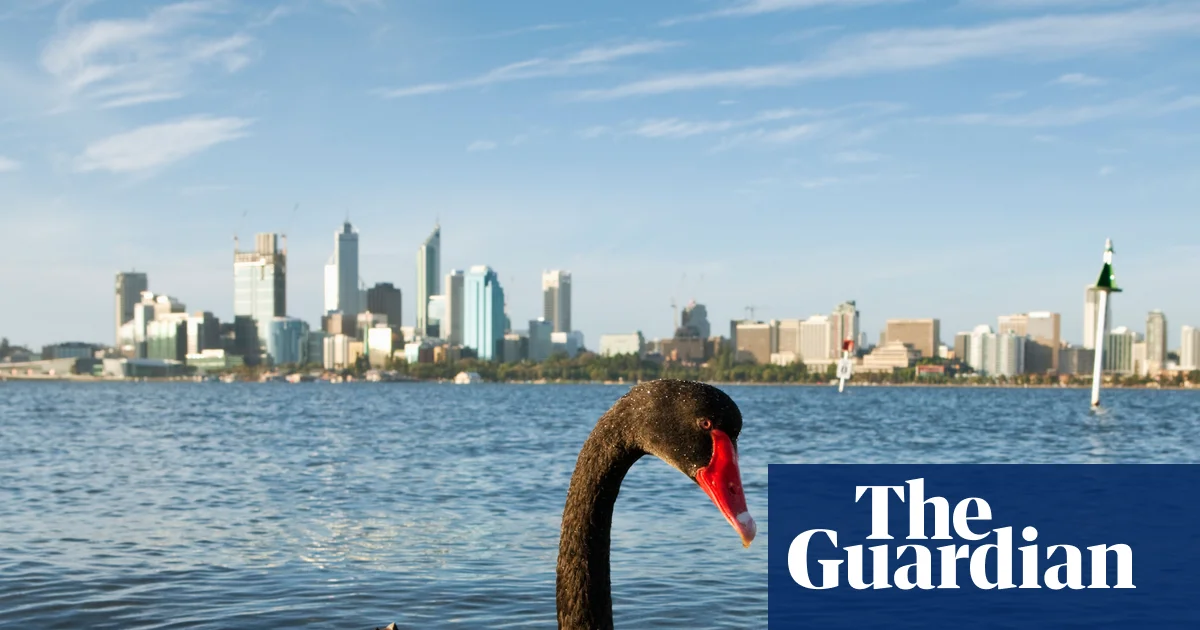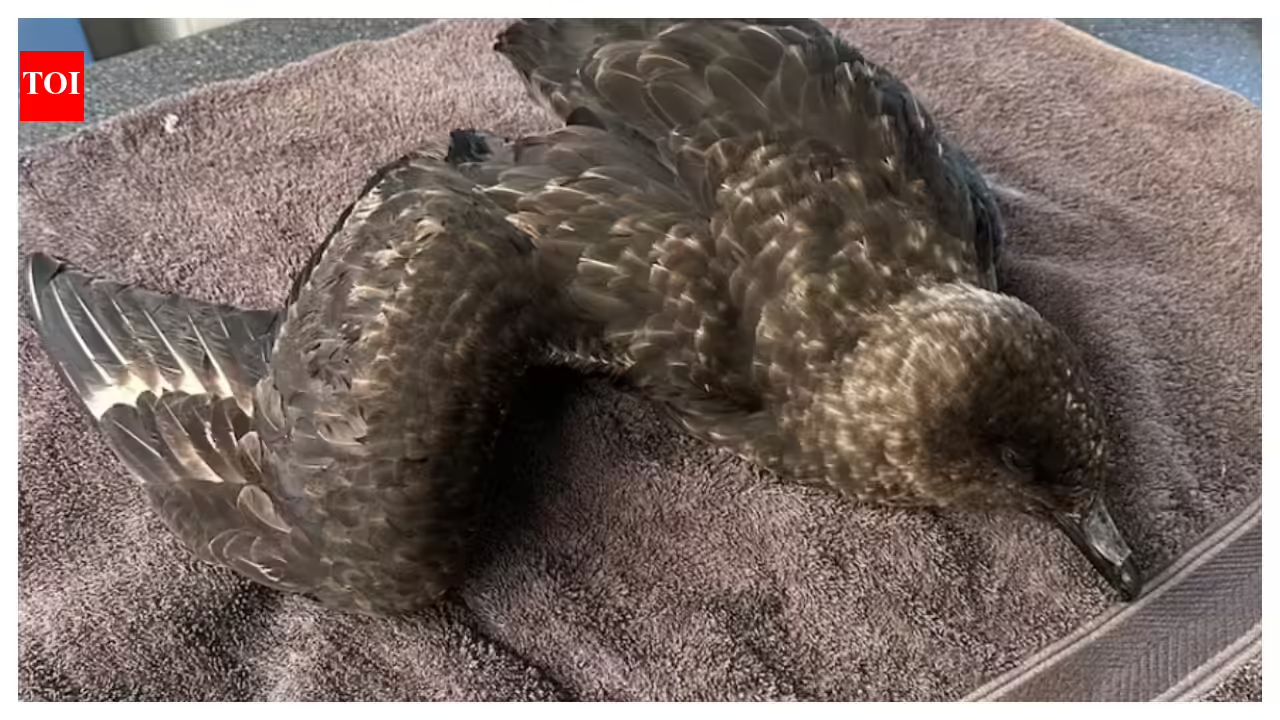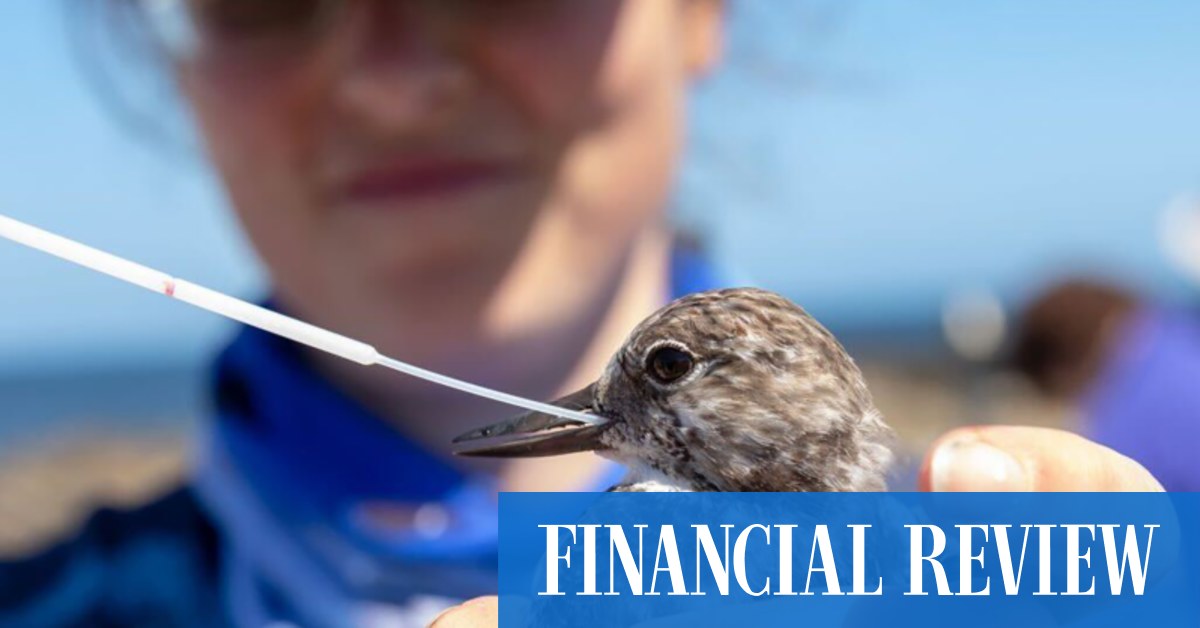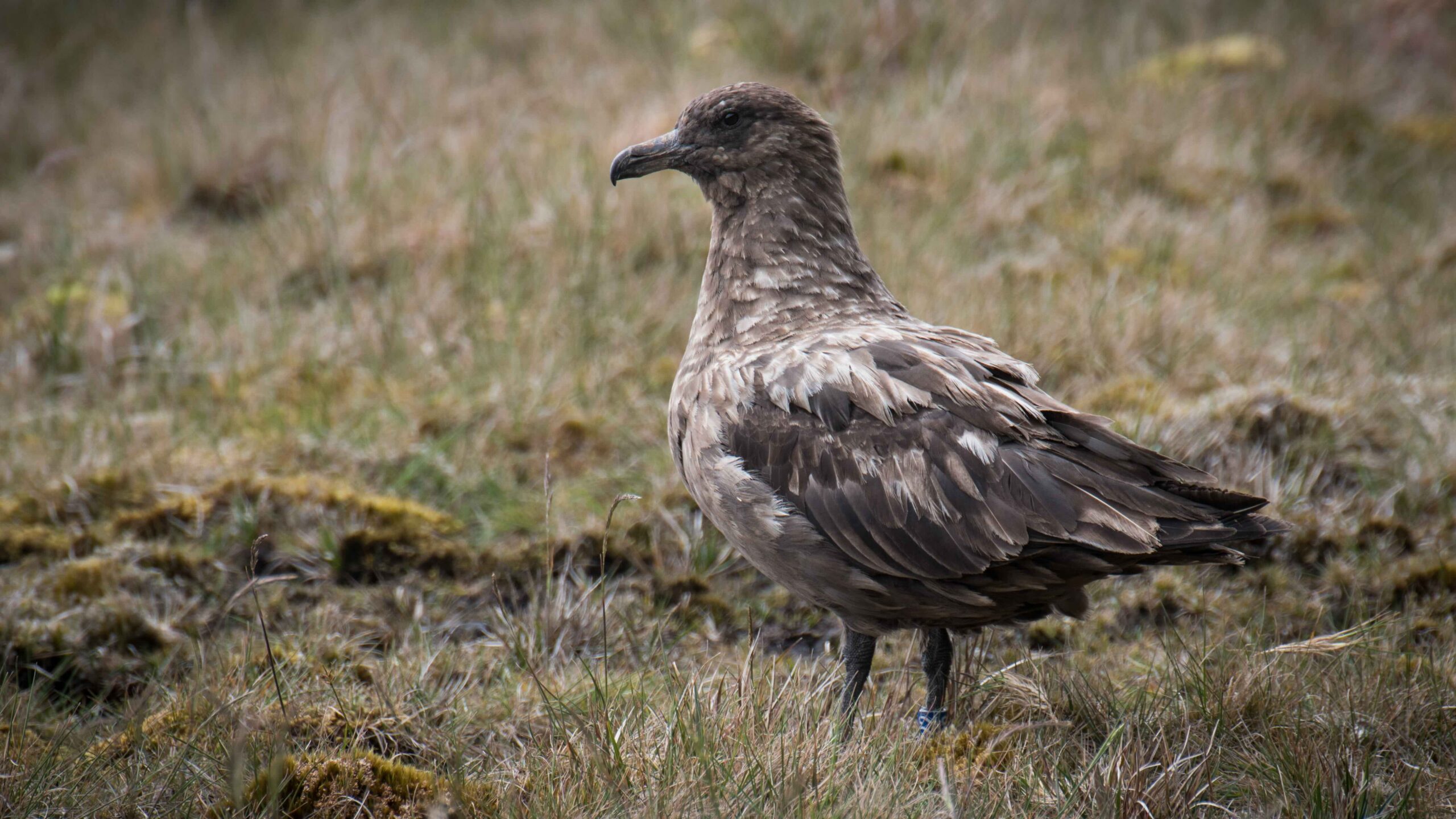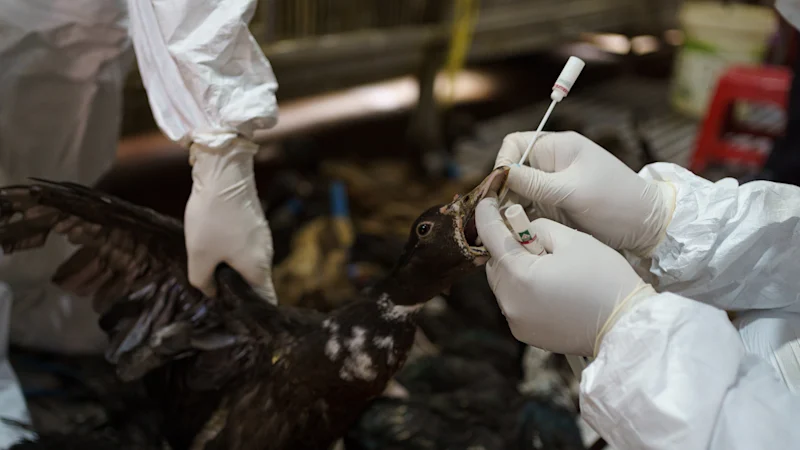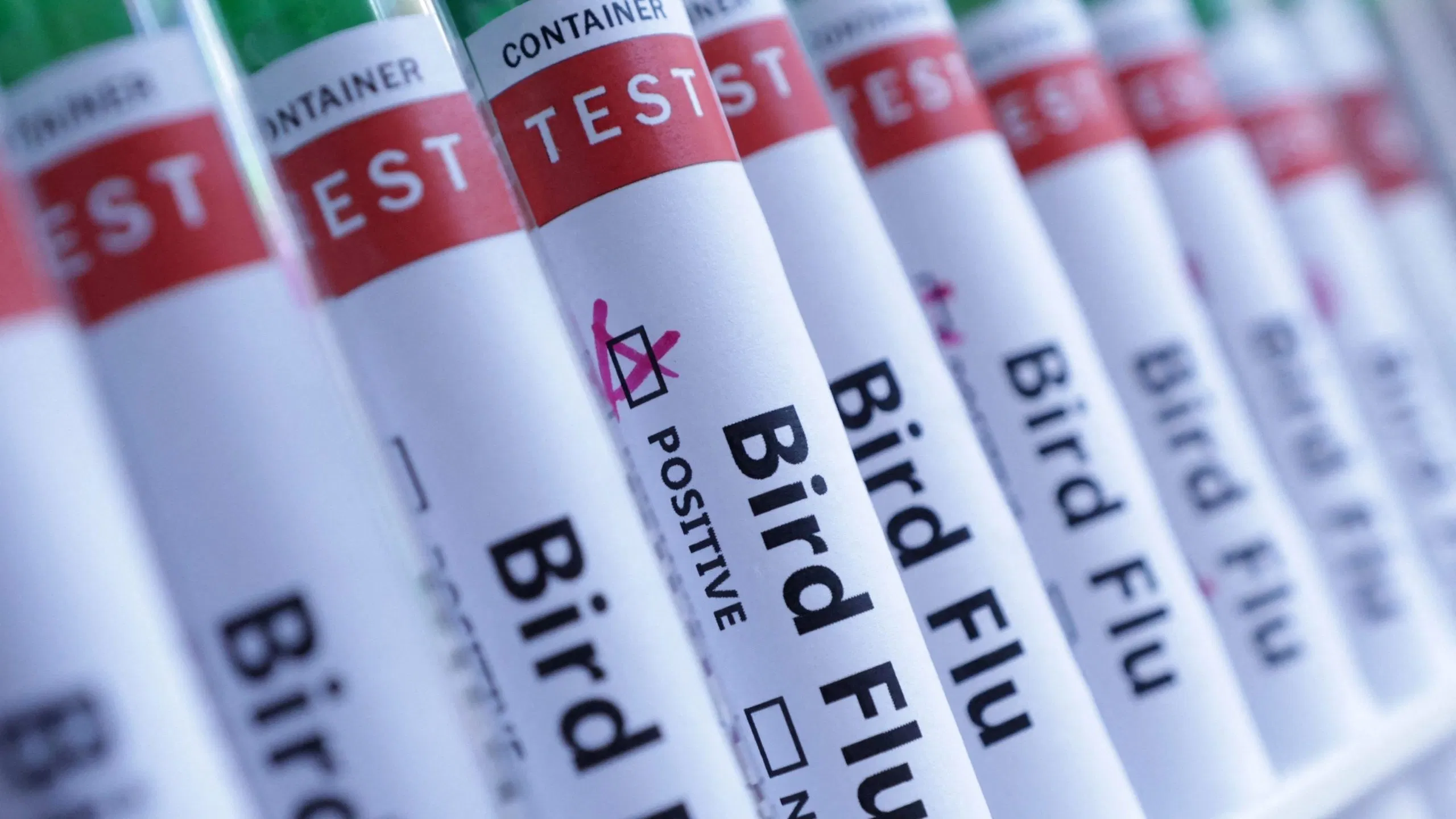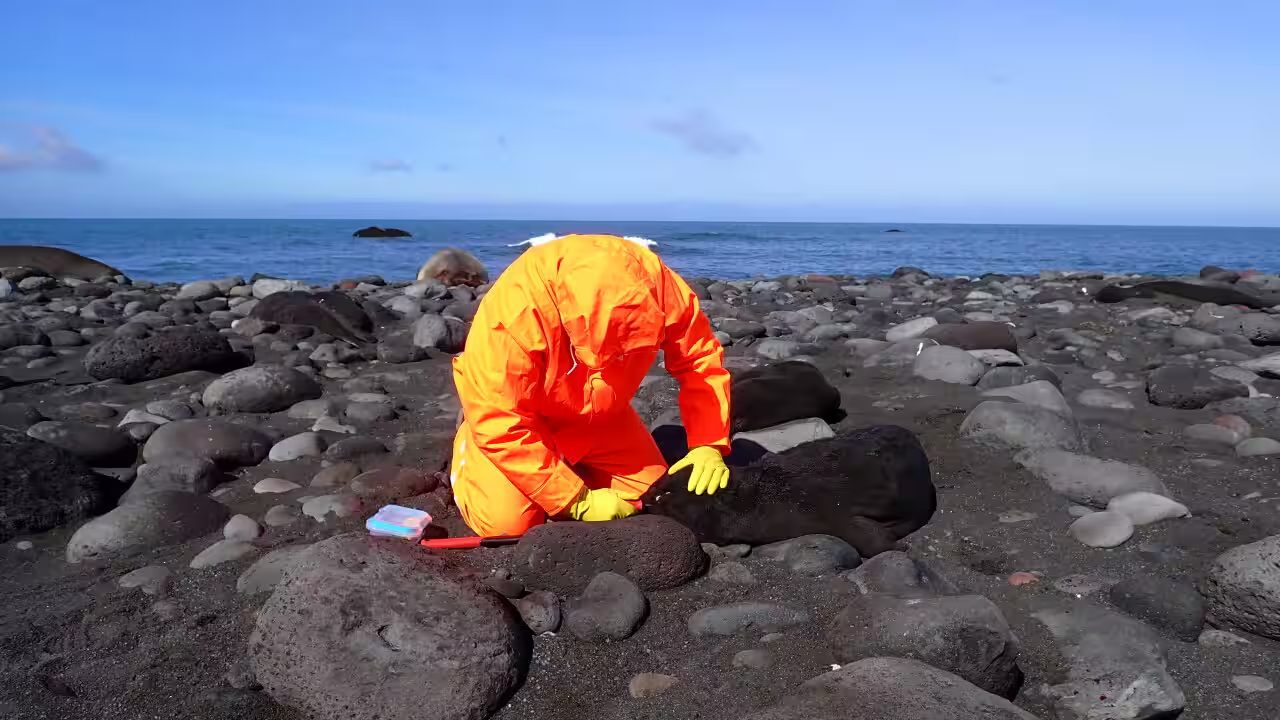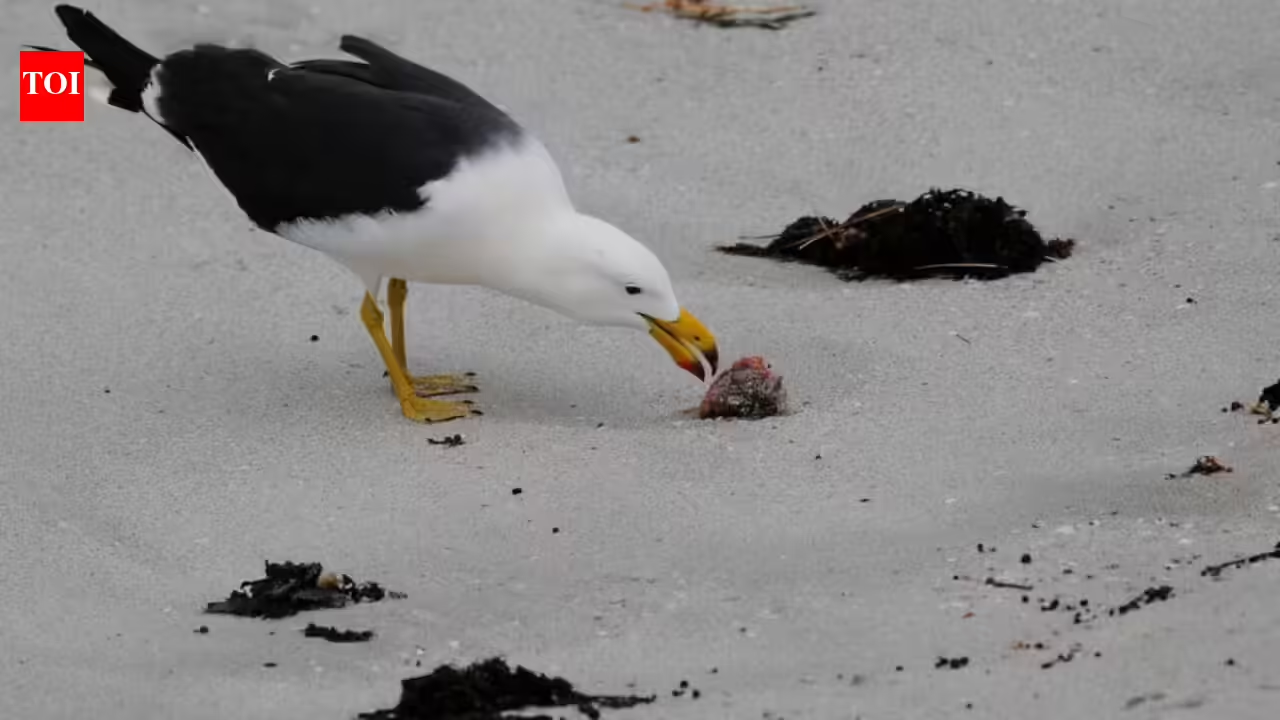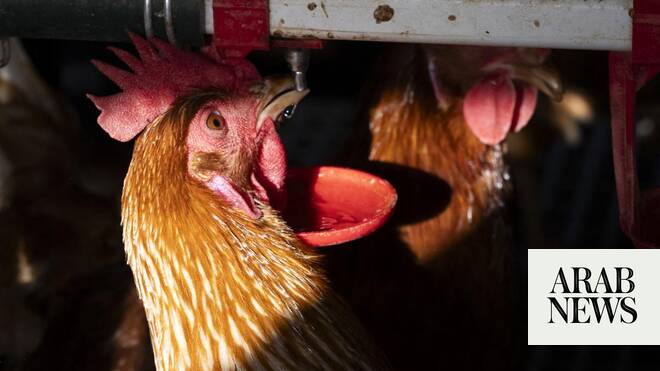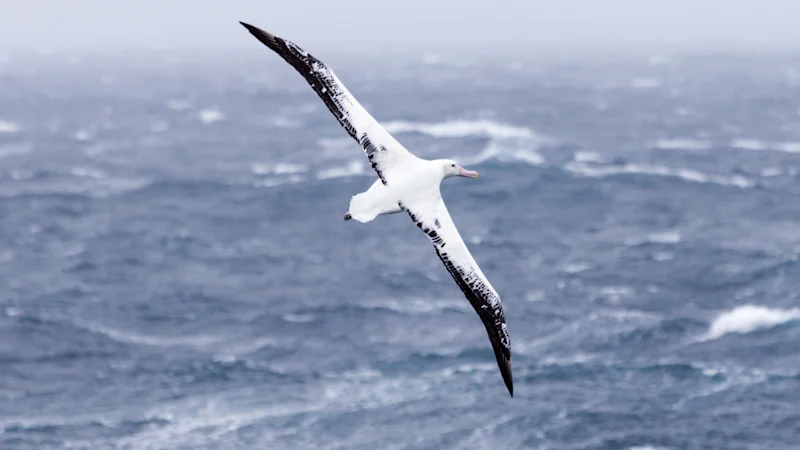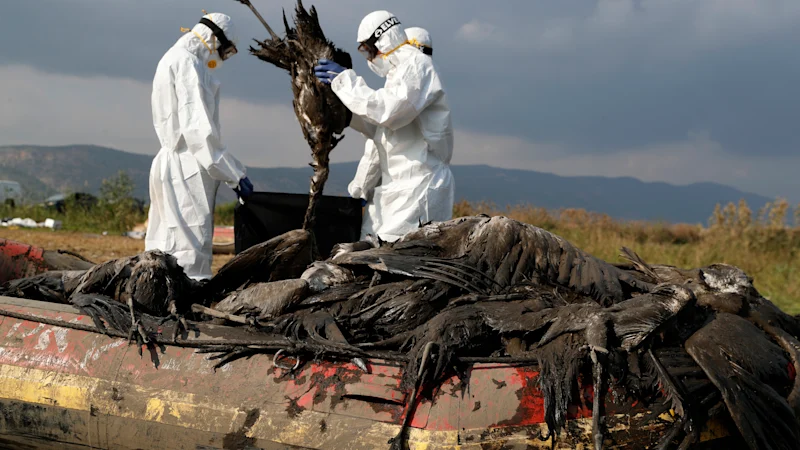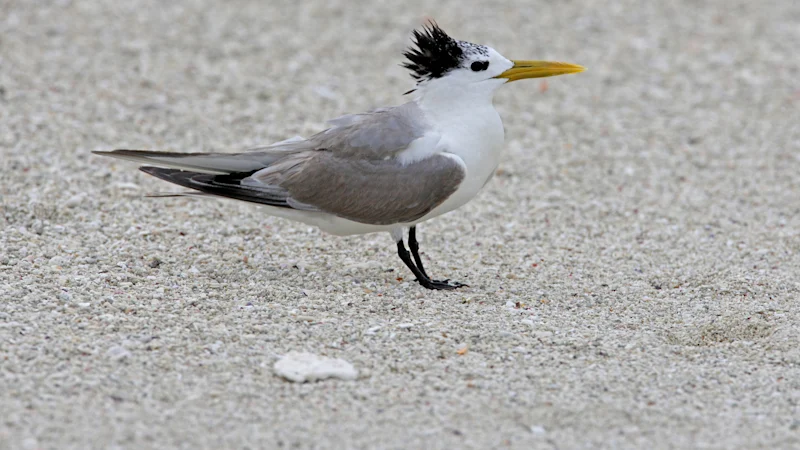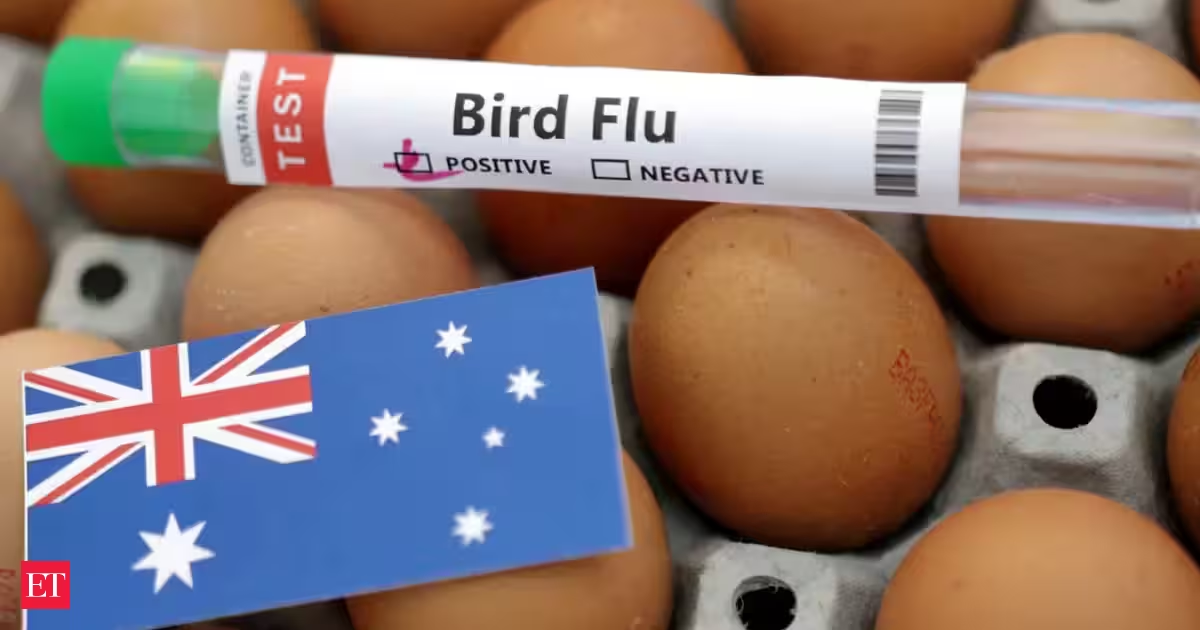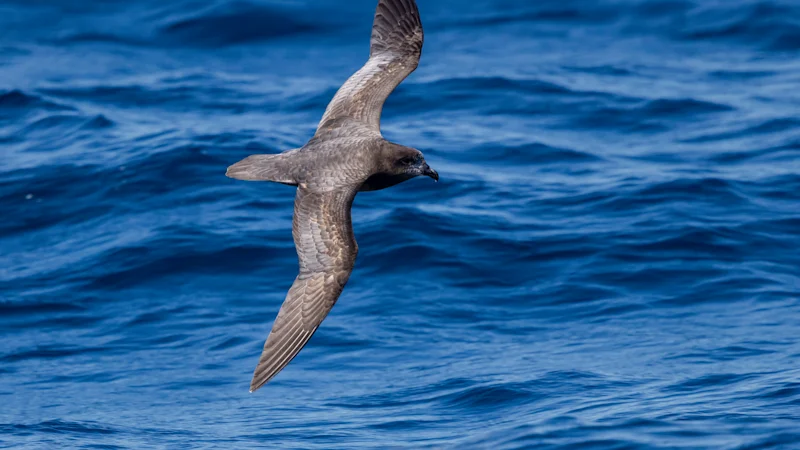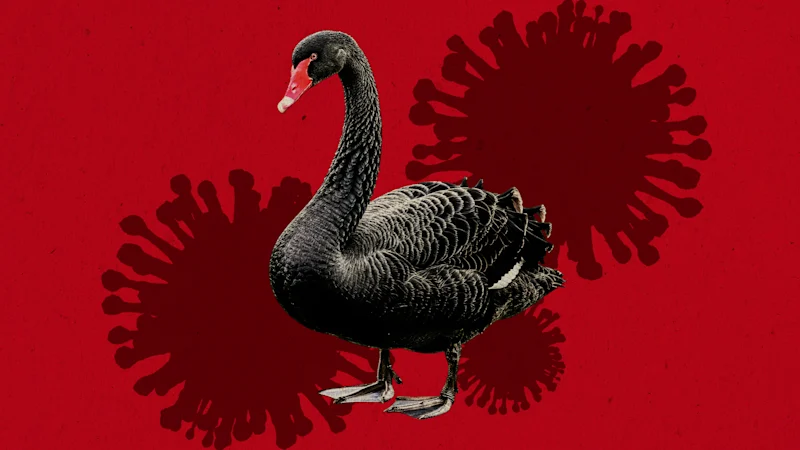
June 22, 2026 — 4:39pmThe deadly strain of bird flu that arrived in Australia last week would threaten a list of 100 native animal species, including birds, land and sea mammals, that state and federal government agencies are scrambling to spare from mass deaths.Two birds have been confirmed to be infected with the deadly H5N1 virus in Australia. They flew from the sub-Antarctic region to southwest Western Australia, a brown skua and giant petrel. Until last Friday, when the skua was found, Australia was the only continent free of the deadly virus.There is no evidence of an outbreak of the deadly H5N1 bird flu, but experts say it is likely it will spread among wildlife at some point.Marija Ercegovac.The list of at-risk animals includes: Raptors that eat dead birds, including white-bellied sea eagles, powerful owls and wedge-tailed eagles; black swans because they have not evolved defences to the virus; Australian sea lions; endangered parrots, including the orange-bellied and swift parrots that have tiny populations left, and; Tasmanian devils, because they eat carrion.Agriculture Minister Julie Collins, who is responsible for biosecurity, and Environment Minister Murray Watt said on Monday that only two positive cases had been identified and there was no evidence of widespread fatalities to indicate an outbreak in Australia.The virus has killed millions of birds around the world, including seabirds, penguins, waterfowl and birds of prey. It has also almost wiped out entire colonies of some aquatic mammals, such as seals.Experts had warned it was inevitable for the virus to make its way to Australia via migratory birds. Now that it has come from the sub-Antarctic region, governments and experts say it is likely there will be a wild outbreak.University of Queensland Professor Kirsty Short said there was a strong risk that a wild outbreak would occur, eventually, and when it did, preventing its spread could be extremely difficult.“In the future the risk of an outbreak is moderate to high, but whether it can be contained is unknown,” Short said.There is no evidence that Northern Hemisphere birds have brought the virus to Australia, but it appears the infected skua and petrel that landed in WA last week have brought the virus soon after an outbreak took hold in a sub-Antarctic region.“The game changer is it being in Antarctica,” Short said.Australia’s unique wildlife, which have evolved in isolation for millions of years, could be particularly vulnerable to H5N1 compared to animals from other locations. Australia’s flightless birds may be a potential risk, with studies indicating the virus could mutate in their populations to new strains.“We’ve seen in genetic studies that isolation can actually have an effect in terms of reducing your immune system, or the breadth of your immune system. Species that have evolved in isolation may not have had this as a selective pressure, so it is a concern,” she said.“We’ve got evidence, that, flightless birds, emus, cassowaries, kiwis, they can actually play a role in evolving the virus and driving change in the virus.”“That’s one of the things we’re currently researching now. We’ve got to think, if this virus gets into our native populations, not only which species will be most at risk, but how will the virus itself change and how could that further fuel the outbreak.”The risk of an outbreak in farmed birds is also high, with potentially devastating consequences. Australia’s largest chicken meat producer, Inghams, announced on Monday it had locked down access to all its farms in Western Australia, even though they are all north of Perth and more than 700 kilometres from where the infected birds were found.More than 100 million chickens were killed in the US when H5N1 broke out, starting in 2022. Egg prices tripled by 2025, which was a significant contributor to inflation.Millions of birds in the US have been killed since it first appeared in the country in 2022.APThe Albanese government committed $113 million to preparations to deal with an H5 incursion, with an emphasis on planning to swiftly identify an outbreak and responding to limit its spread. This includes teams to swiftly remove carcasses of infected animals to prevent further spread and stopping farmed poultry from mixing with wild birds.Many of Australia’s birds and mammals are not found anywhere else in the world, making the impacts of H5 bird flu difficult to predict.“Australia is home to more than 800 bird and 350 mammal species. All our native birds and mammals are at risk of H5N1,” Fraser said.Environment groups have praised these efforts to prepare for the virus, but called for $200 million in additional funding to restore habitats and knock down feral pests like cats and pigs to help species survive in case of an outbreak.Chief Veterinary Officer Beth Cookson said international experiences showed that containing an outbreak in the future may be almost impossible.“It can be quite difficult to contain, there’s not many practical feasible actions that can be undertaken to control it [the H5 virus] once it’s in other populations.”Australia recently copped an outbreak of H7 bird flu, a relatively mild strain of the virus that does not pose a major threat to wildlife.The H5N1 bird flu hit South America in 2022 and has killed more than 30,000 South American sea lions, 17,000 southern elephant seal pups and unknown numbers of porpoises, dolphins and otters, as well as at least 650,000 native birds.It killed more than 13,000 southern elephant seal pups, three quarters of those on the island, as well as gentoo penguins.Members of the public are encouraged to look for signs of bird flu in wild and domestic animals, such as sudden death or difficulty breathing, standing, walking or flying.The government says people who see multiple sick or dead birds and other animals should not touch them, but instead record their location and call 1800 675 888.Cut through the noise of federal politics with news, views and expert analysis. Subscribers can sign up to our weekly Inside Politics newsletter. From our partners
Deadly bird flu puts 100 species of Australia’s ‘isolated’ wildlife at risk of mass deaths
The bird flu straing that arrived in Australia for the time last week has already caused the deaths of hundreds of millions of birds and mammals around the world.
987 words~4 min read