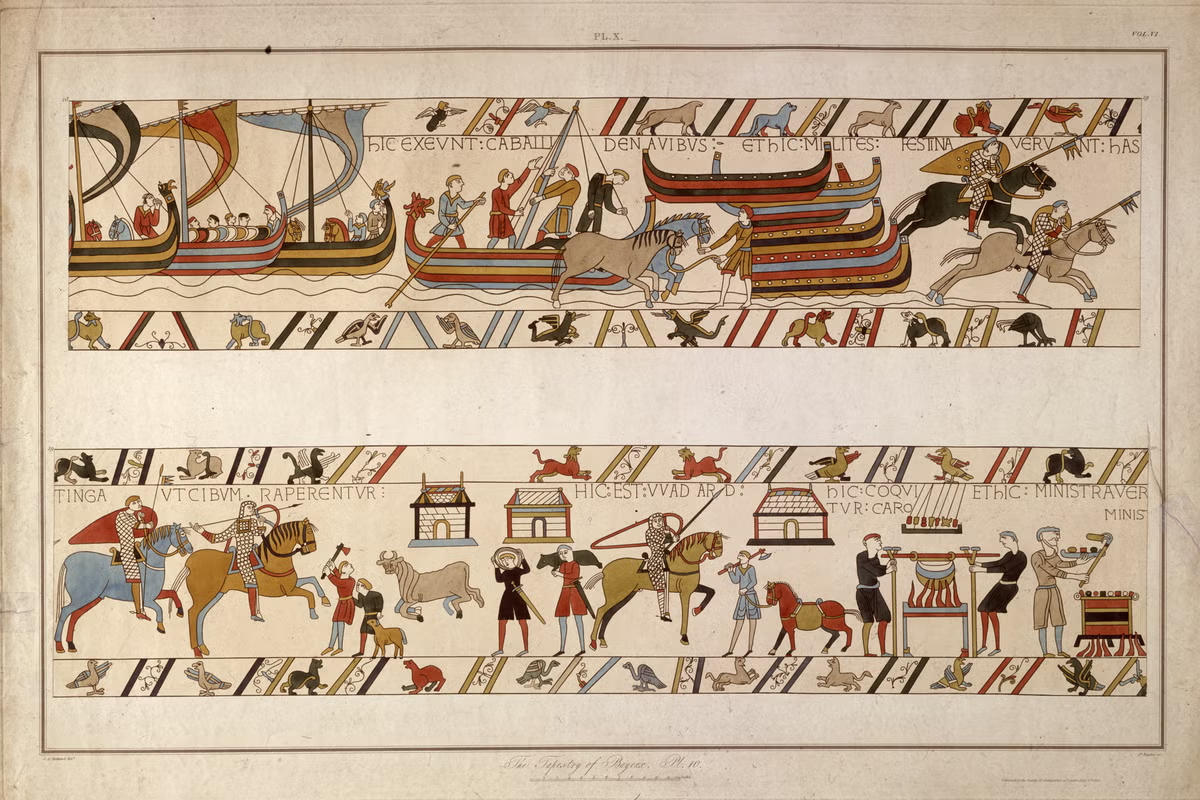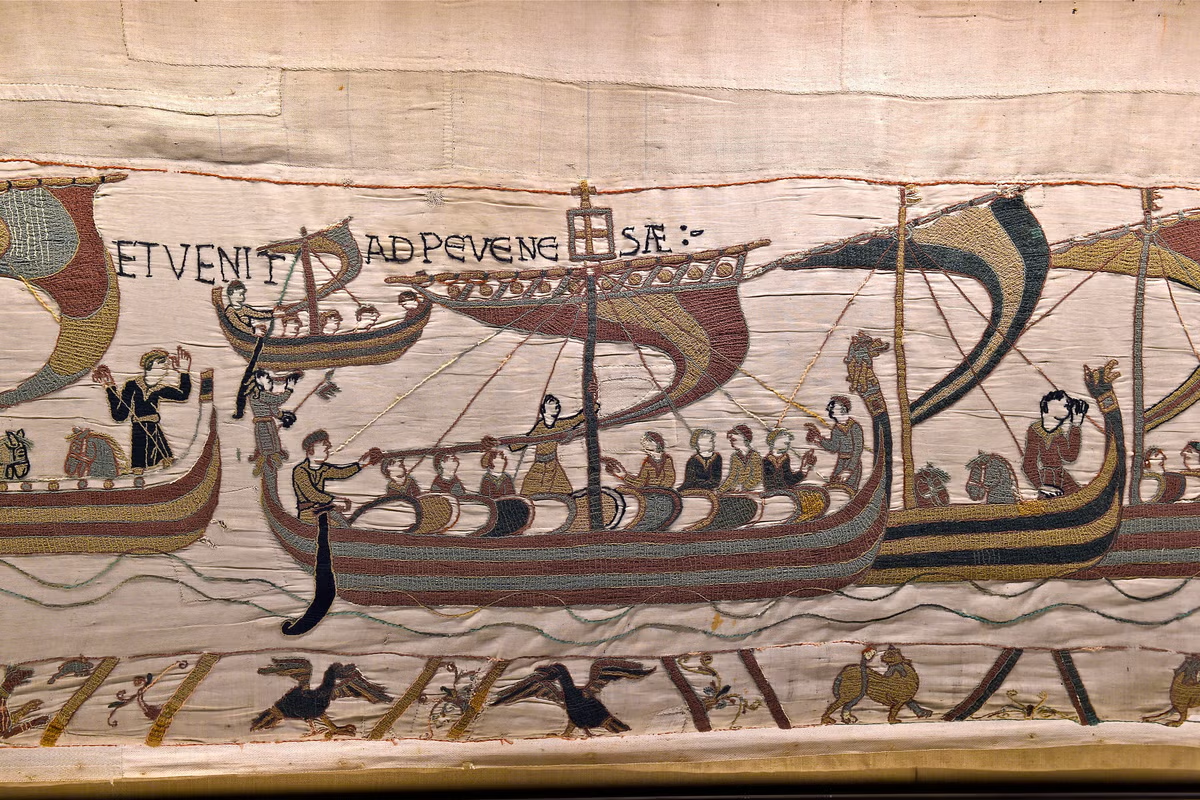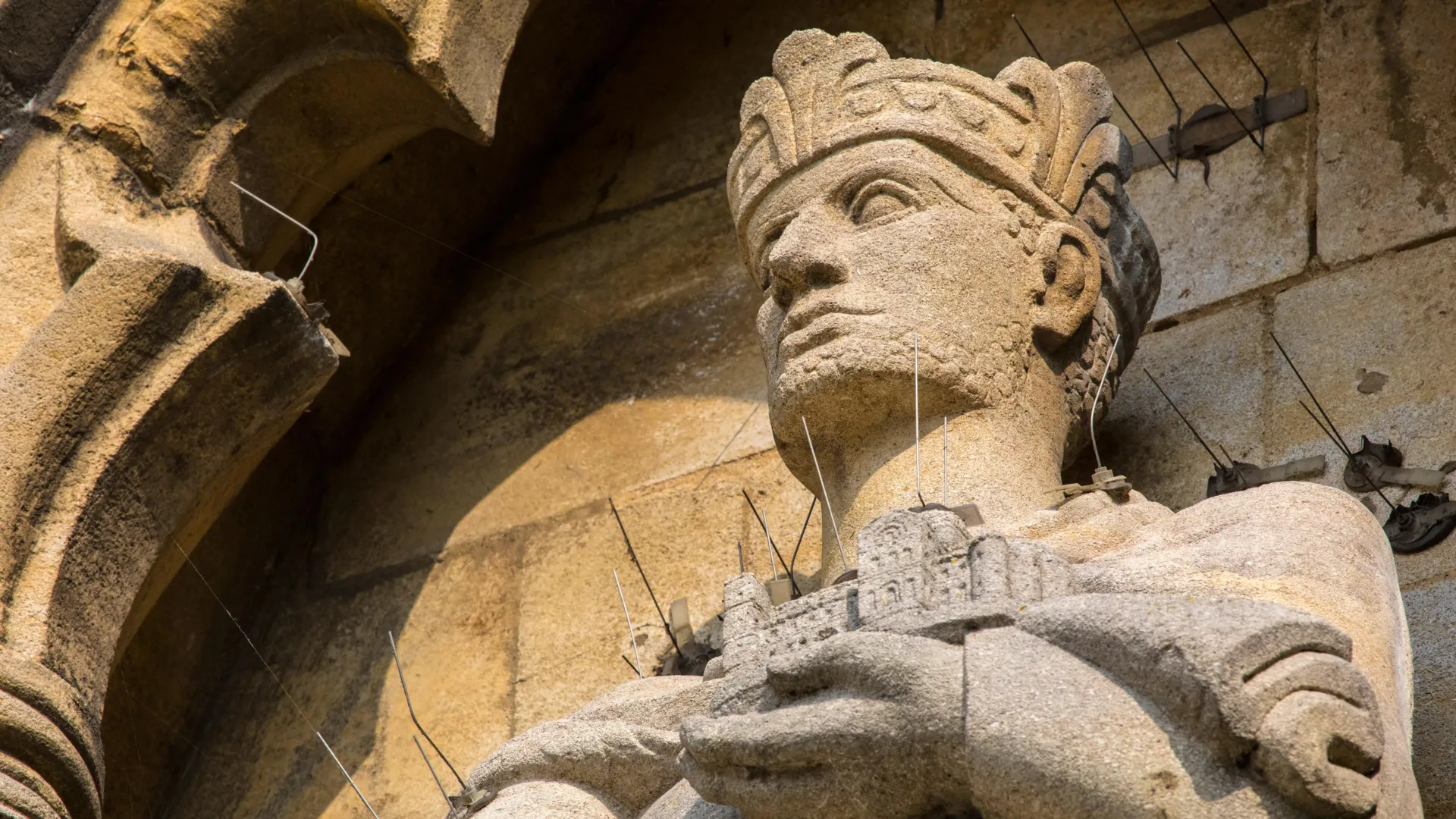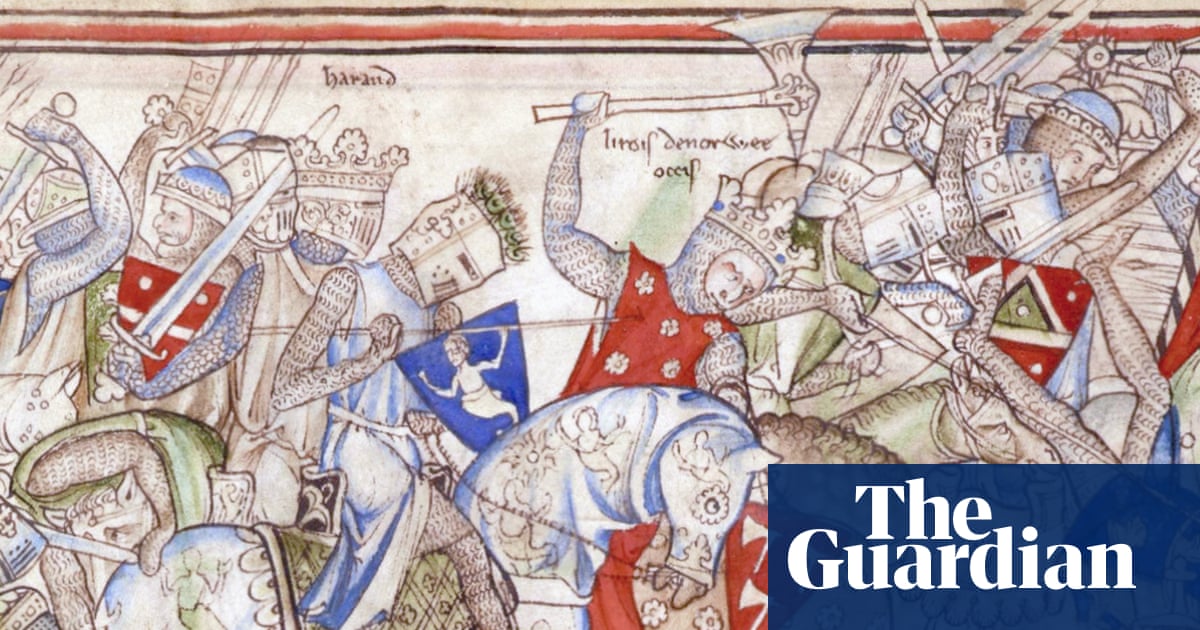
Oh Harold. So near and yet so far. So close and yet no cigar. In January 1066 the world (well, England) was at his feet. Two hundred and eighty-two days later he was battle meat. On day one he became the richest ruler Anglo-Saxon England had ever known. In late September he defeated the hardest bastard in Europe (Harald Hardrada). In mid-October England was changed forever, but not by him.
He had, of course, no right whatsoever to be king. Sure, he was Edward the Confessor’s brother-in-law; but under the sacred rules of hereditary power that gets you zip. He claimed that Edward had promised him the throne (he hadn’t); but, again, that ain’t how the royal circus rolls. Moreover, there was a blood heir – Edgar Ætheling, the great-grandson of Ethelred the Unready – whom Harold had sworn to support. He reneged, pulled off an epic coup and became the only Englishman ever to assume the throne without one drop of royal blood in his veins. Somehow, later generations came to believe that he had been on the side of right. How on God’s merry Earth did this happen?
Harold became the only Englishman ever to assume the throne without one drop of royal blood in his veins
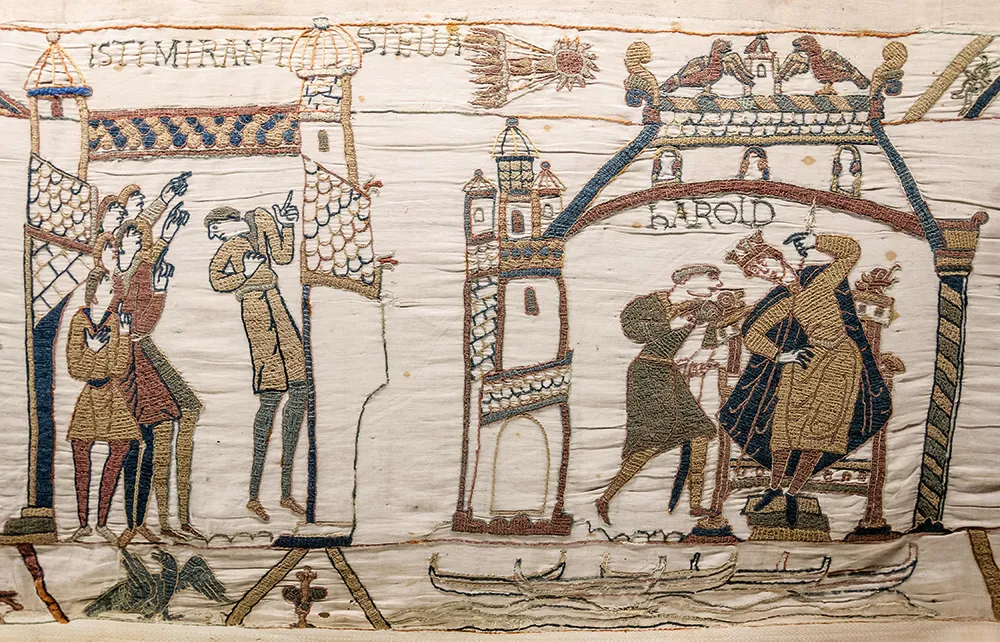
Tom Licence’s superb biography – ingeniously timed for the Bayeux Tapestry’s return – sets out to rebuild the man afresh from first principles and primary sources. A central and often blithely discarded fact is that Harold was half Danish (on his mother’s side; the name is Danish and was not used by Englishmen before his time). Licence’s Harold has a touch of the Viking about him – a taker of slaves and a man who had no qualms about ravaging English lands when politics demanded it (poor old Somerset). He was lascivious to boot: two wives, perhaps in bigamy; a reputation as an adulterer; and at least one illegitimate son. Domesday Book records ‘a certain concubine of Harold’s’ owning property in Canterbury.