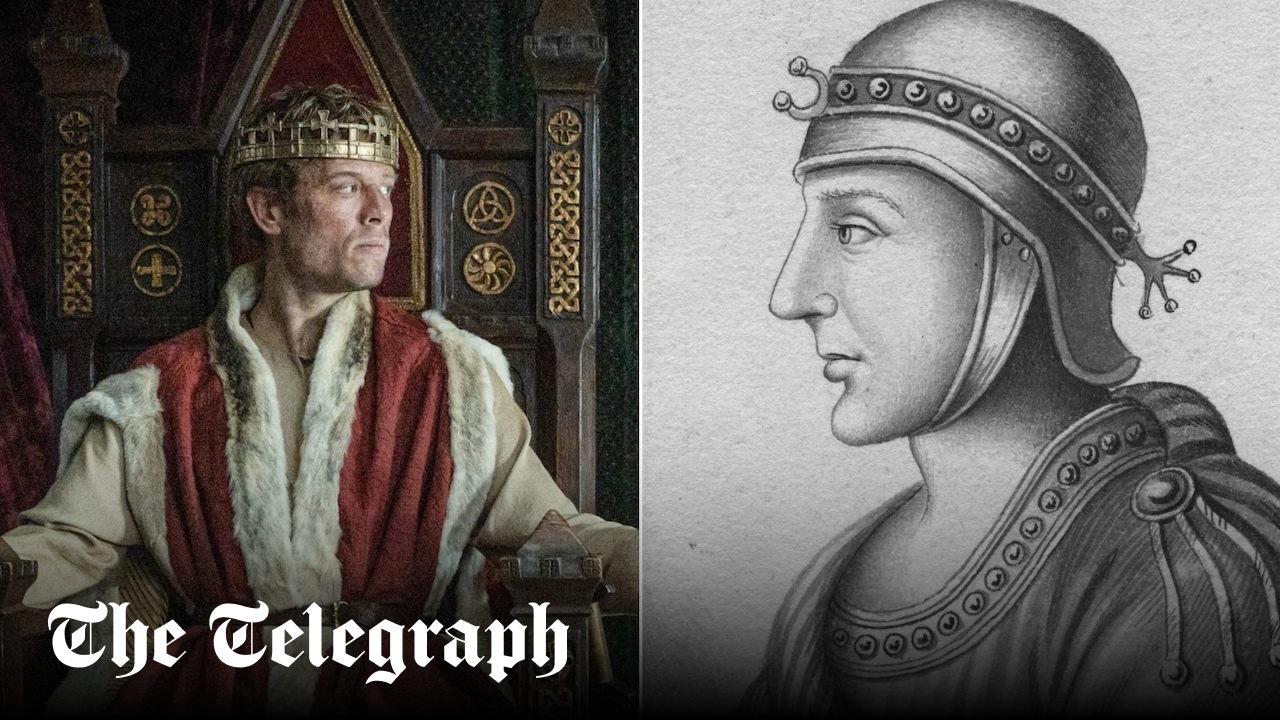
Harold may have sailed, not marched, in 1066, reshaping explanations for his defeat in England’s historic battle
It is a story that has been taught to generations of British schoolchildren about one of the most famous and pivotal events in the country’s history.
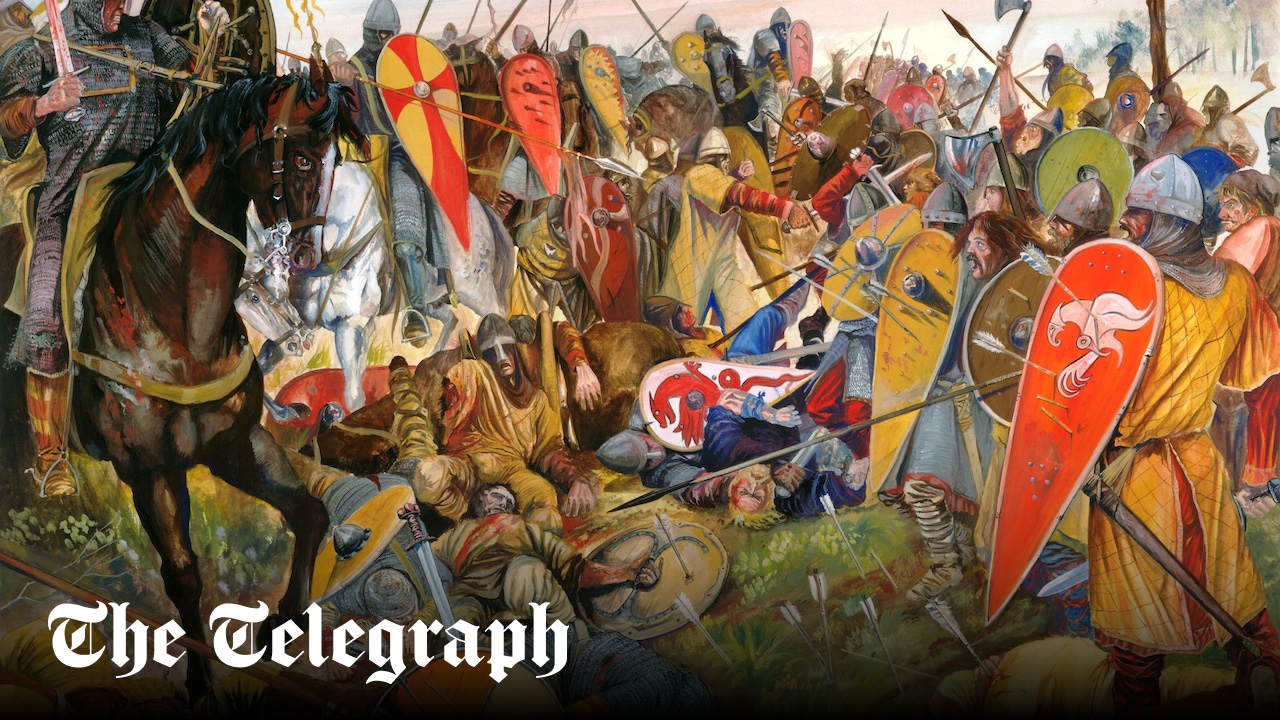
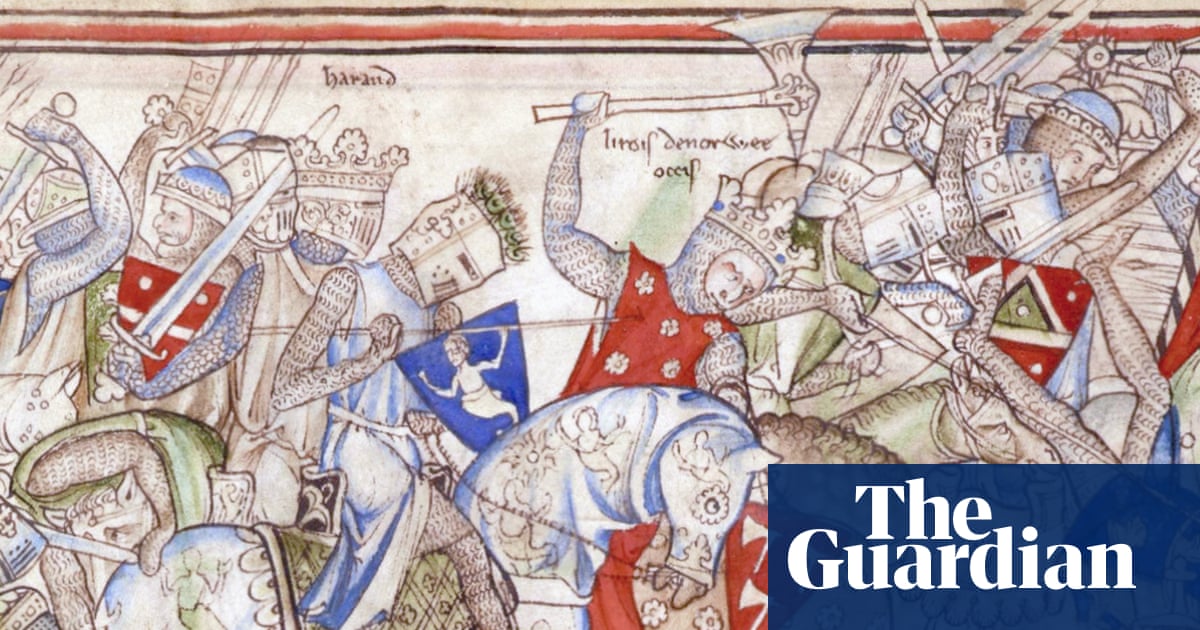
In September 1066, as a Norman duke called William prepared to sail from France to claim the English throne, King Harold of England discovered the Viking leader Harald Hardrada had landed in Yorkshire with an army of his own.
Unfortunately, according to historians, the English king had disbanded his naval fleet weeks before, and so he was forced to march his army almost 300 miles (about 480km) north to Stamford Bridge, near York, confront – and defeat – the Vikings, and then somehow march the troops all the way back to the south coast. Exhausted by this almost superhuman trudge, the English forces were then defeated by William on 14 October, in what would become known as the Battle of Hastings.
But what if historians have got one of the most crucial assumptions about one of England’s most pivotal battles completely wrong?