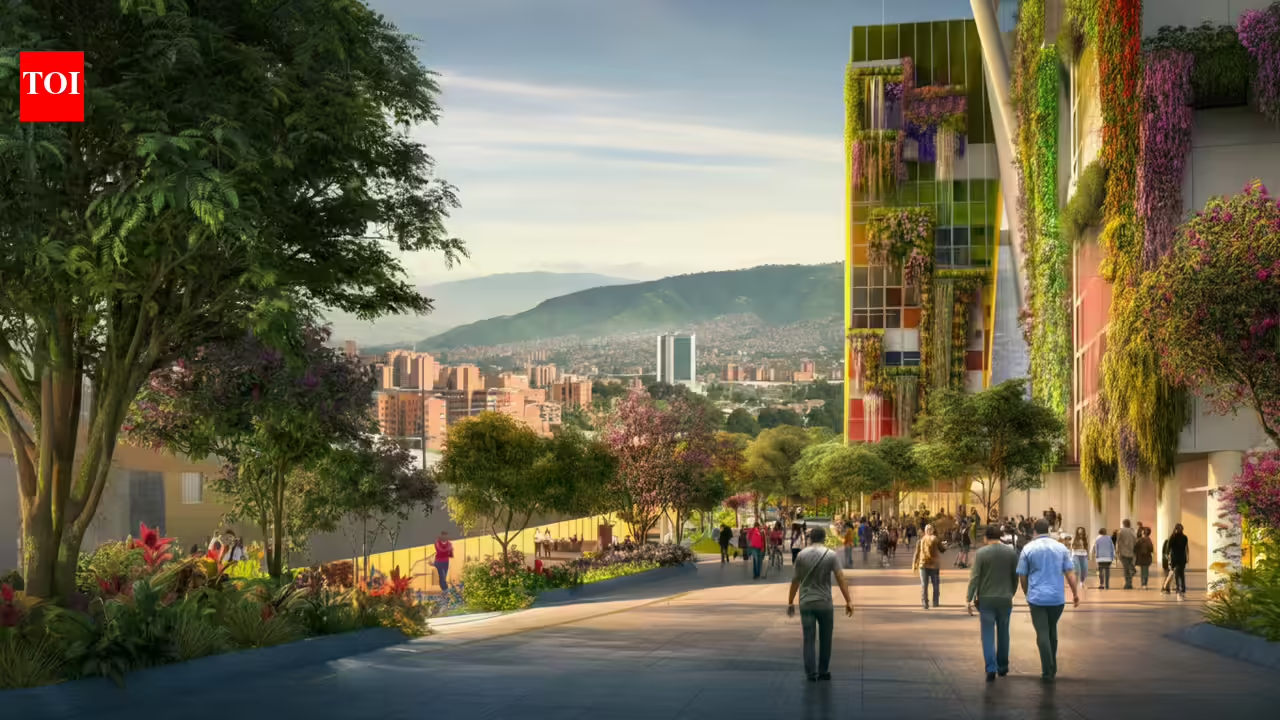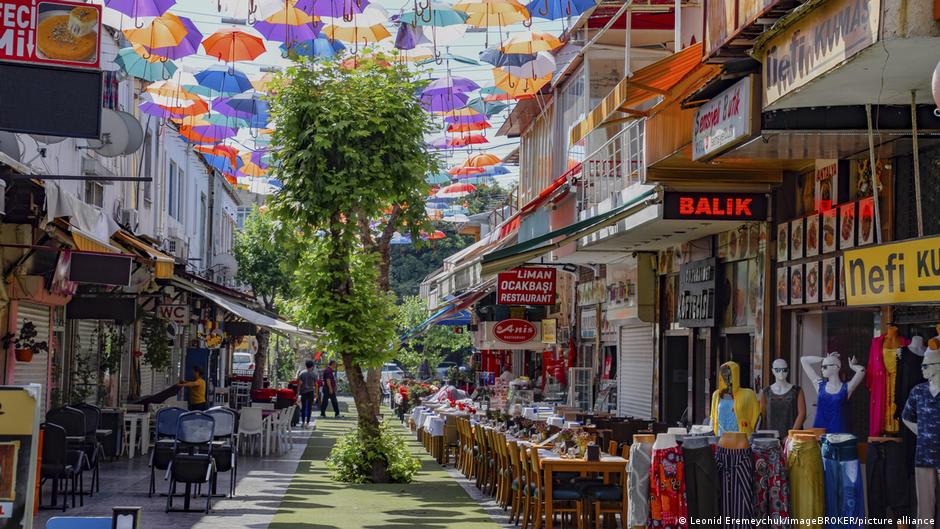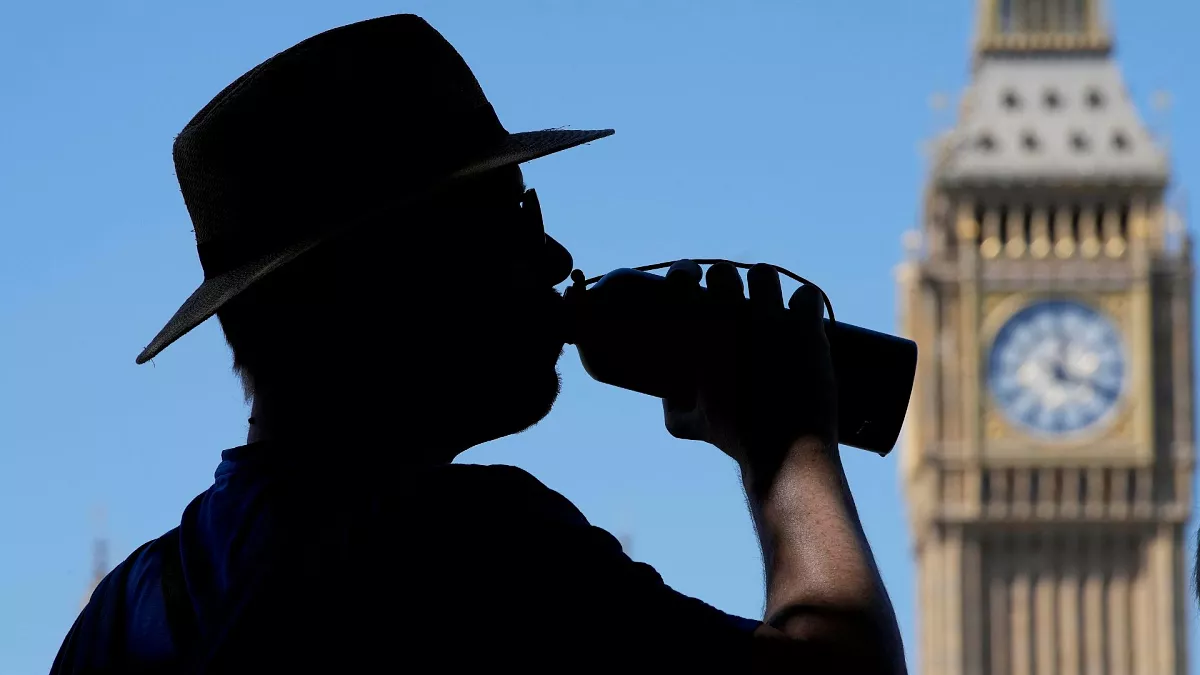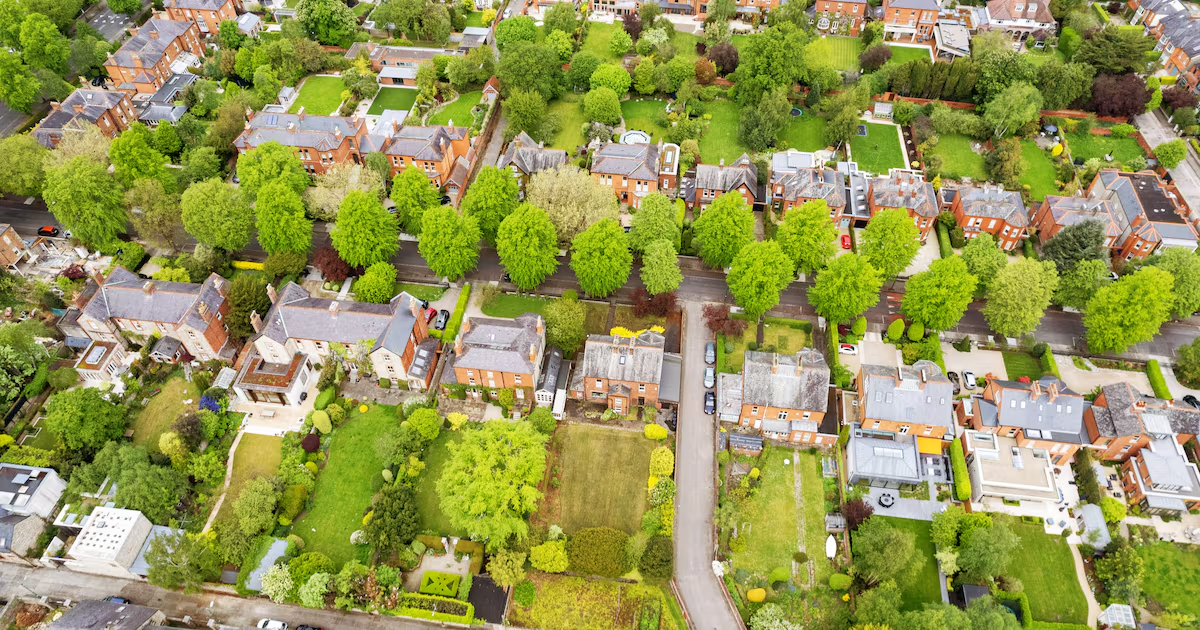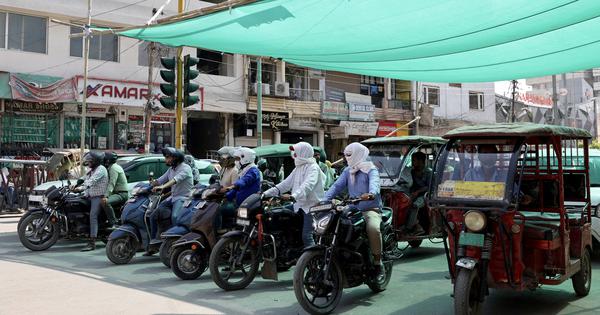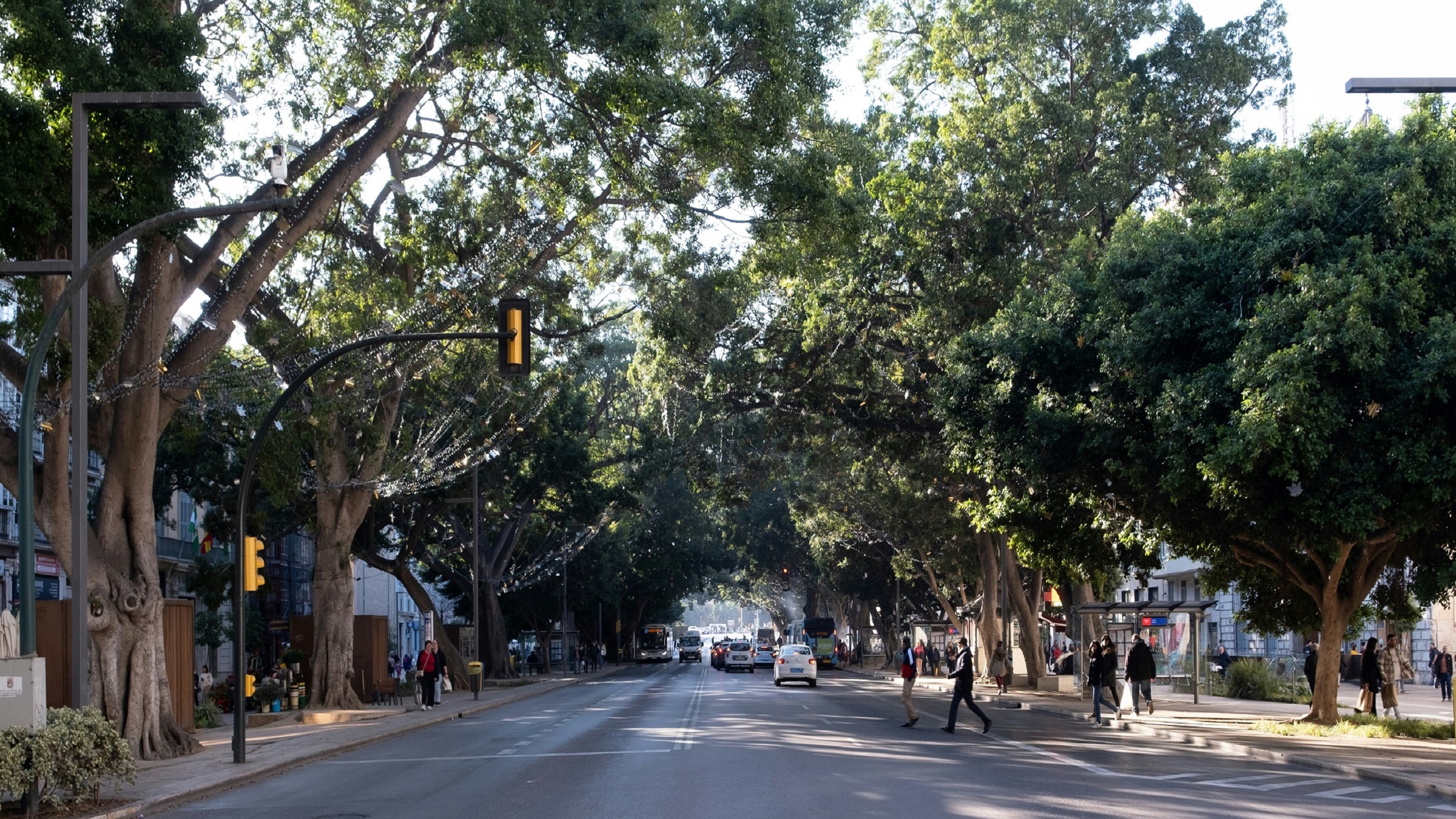
In tropical cities, urban heat islands (UHIs) exacerbate an already challenging hot-humid heat burden for residents. UHIs are formed by urban artificial surfaces like concrete and asphalt that retain heat by day and slowly release it at night, never giving cities a chance to cool.Natural and infrastructure solutions can be implemented to combat the UHI effect and cool cities. These include creating shade by planting trees or extending roofs; inducing wind to blow down urban streets; constructing green roofs and walls; painting roofs light colors; and changing social practices to avoid midday heat.But sufficient funding is needed to implement many of these changes. Wealthy cities, like Singapore, have an advantage over cities with less funding. Many tropical mega-cities, including Lagos, Mumbai, Manila, Jakarta and São Paulo, are working to reduce UHI effects, but struggle to afford full implementation.The 2026-2027 El Niño is now growing in strength and expected to bring record temperatures to the tropics. These extreme temperatures, combined with UHI effects and urban poverty, could prove deadly for vulnerable residents, which include the poor, young, old, those with disabilities, and those working outdoors.
Urban heat islands have solutions; many tropical cities can’t afford them
Urban heat islands pose a growing global health threat. But in tropical cities, the peril is surging. Already burdened by hot-humid equatorial weather, global warming, intense poverty, rapid urbanization, and a lack of cooling infrastructure, tropical city officials now face a powerful 2026-2027 El Niño that could put millions of vulnerable urban dwellers at risk. […]
2,667 words~12 min read