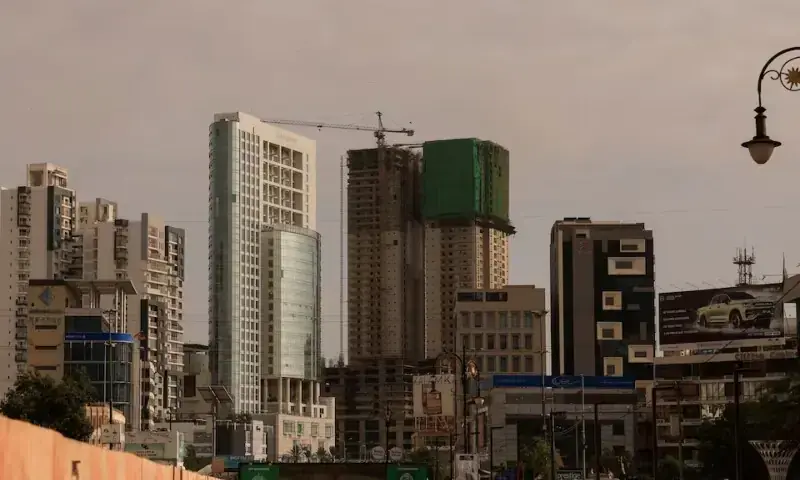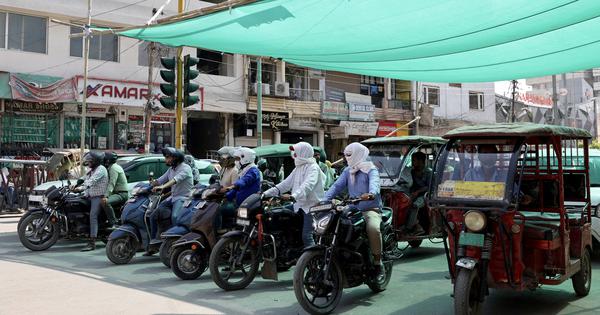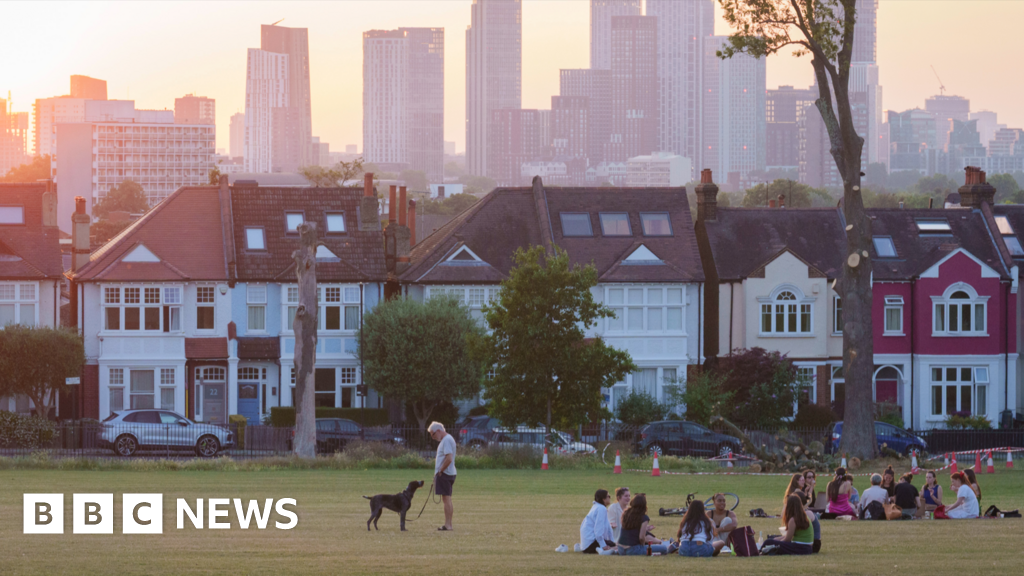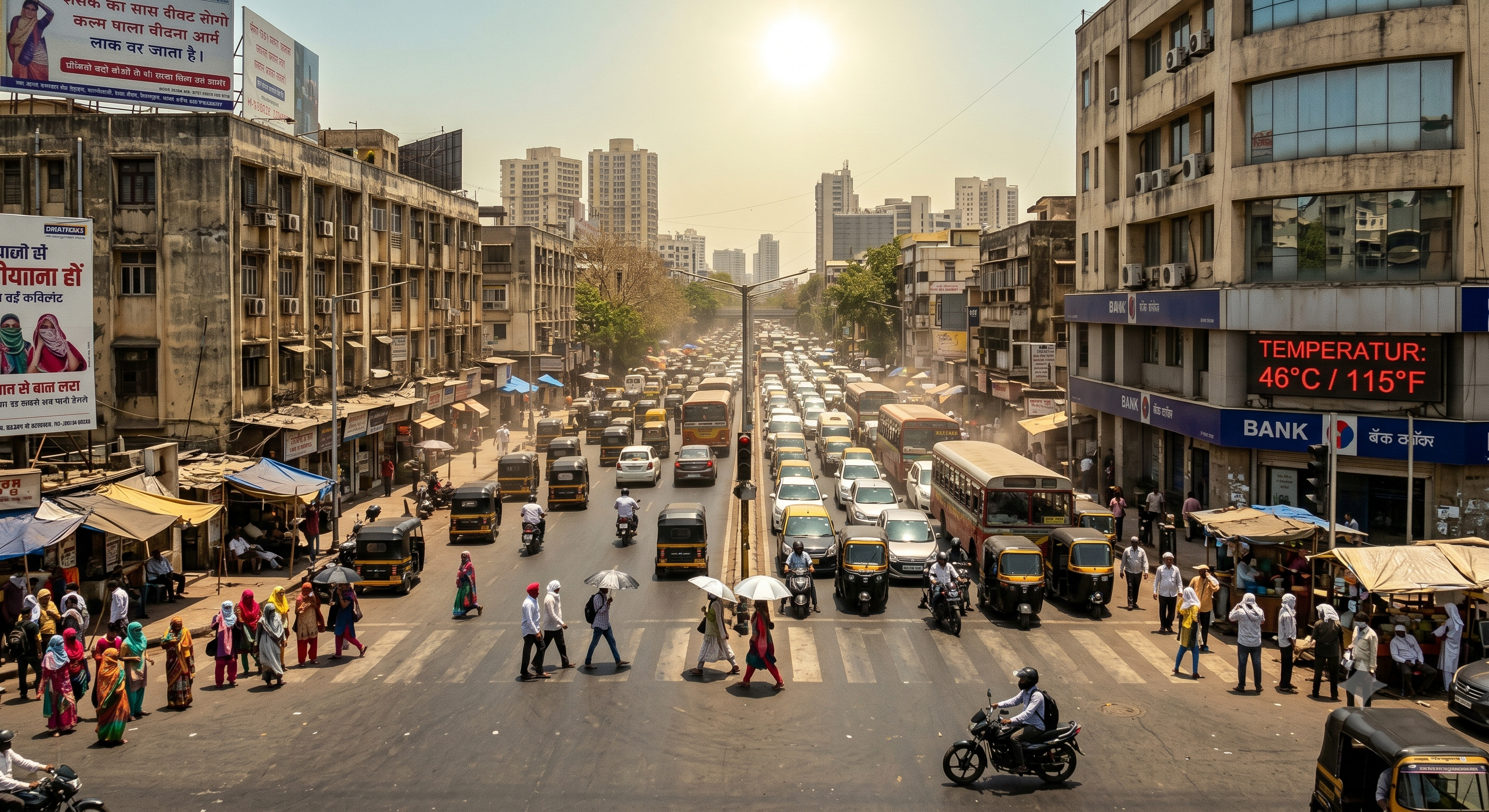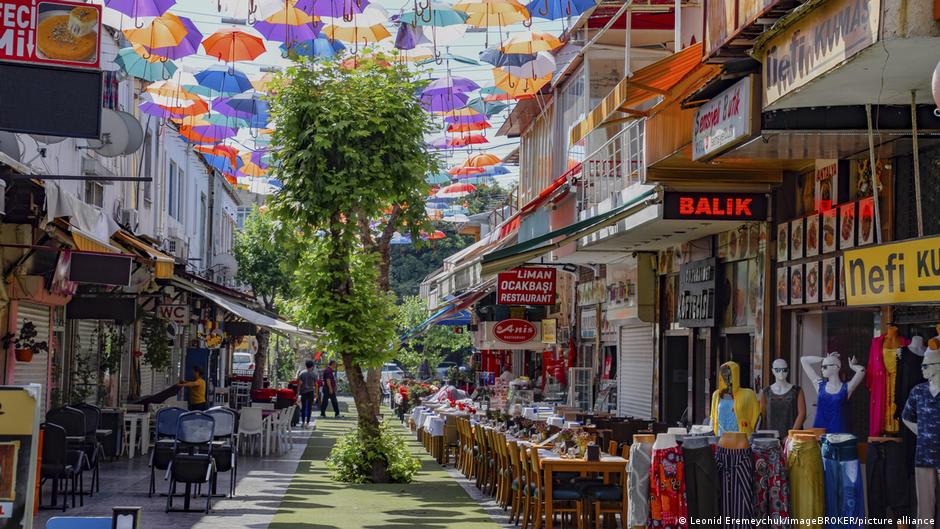
Cities are especially vulnerable to extreme heat — days when the sidewalks seem to cook like a stove and it's a struggle to sleep at night.
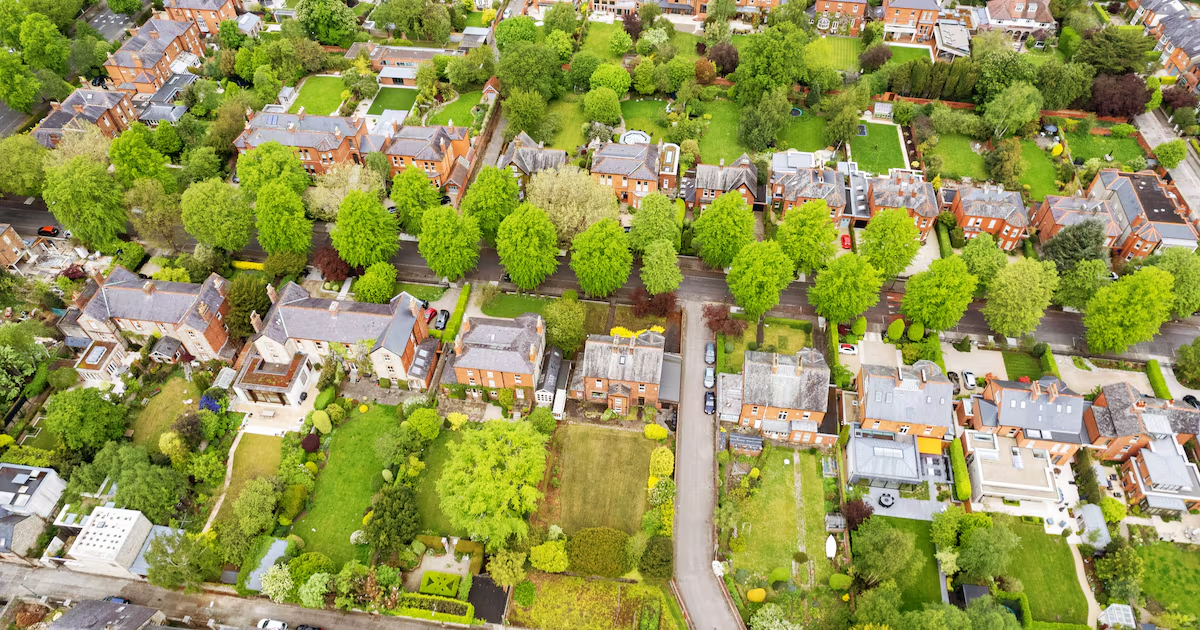
Densely built urban areas, with their paved roads, impermeable surfaces and limited green spaces, are heat islands that can be 10 to 15 degrees Celsius (up to 30 degrees Fahrenheit) hotter than surrounding rural areas. That extra heat strains crucial city infrastructure and harms public health; nearly half a million people die every year from heat-related causes, according to UN figures.
Climate change caused by our fossil fuel emissions will mean more frequent, more intense and earlier heat extremes in coming years. But cities — home to more than half the world's population — are working to stay livable, sharing adaptation and resilience strategies that will be discussed at preparatory UN climate talks in Bonn this week and next.
"Heat is a silent killer, but it is not an inevitable one," said Dr. Hans Henri P. Kluge, the World Health Organization's regional director for Europe, presenting updated guidance on heat protection measures on Thursday. "We have the tools. Now we must use them."
'Nature of heat has changed'