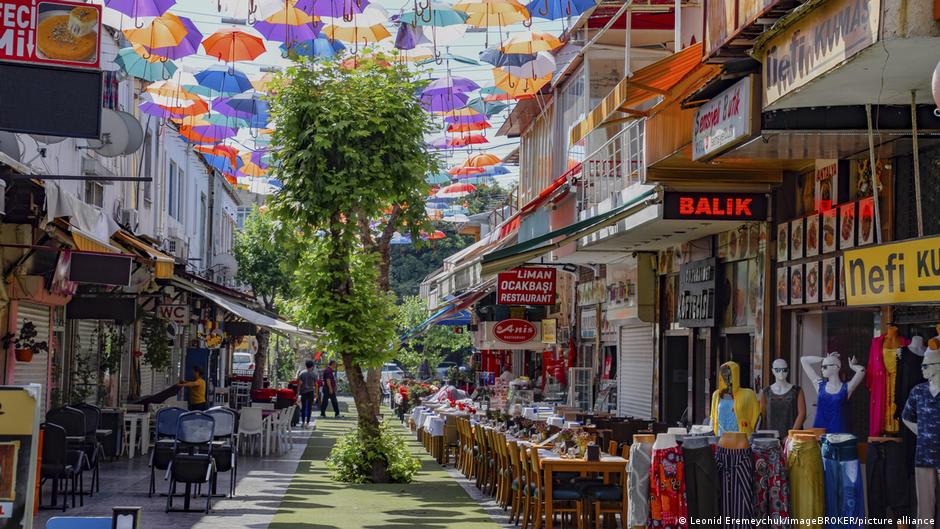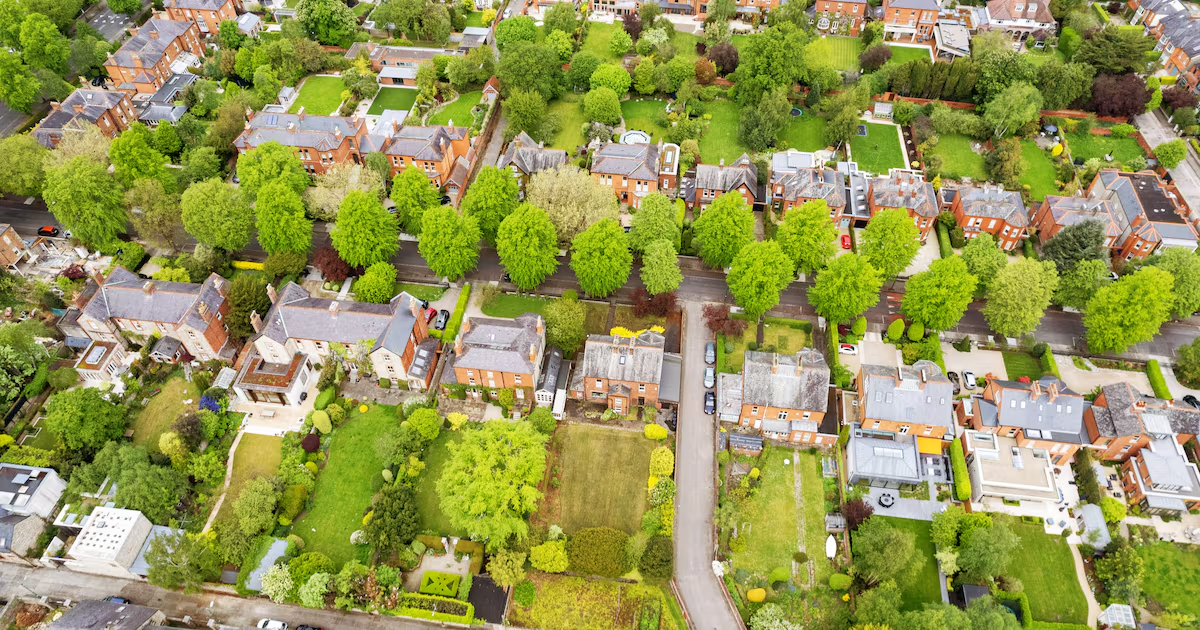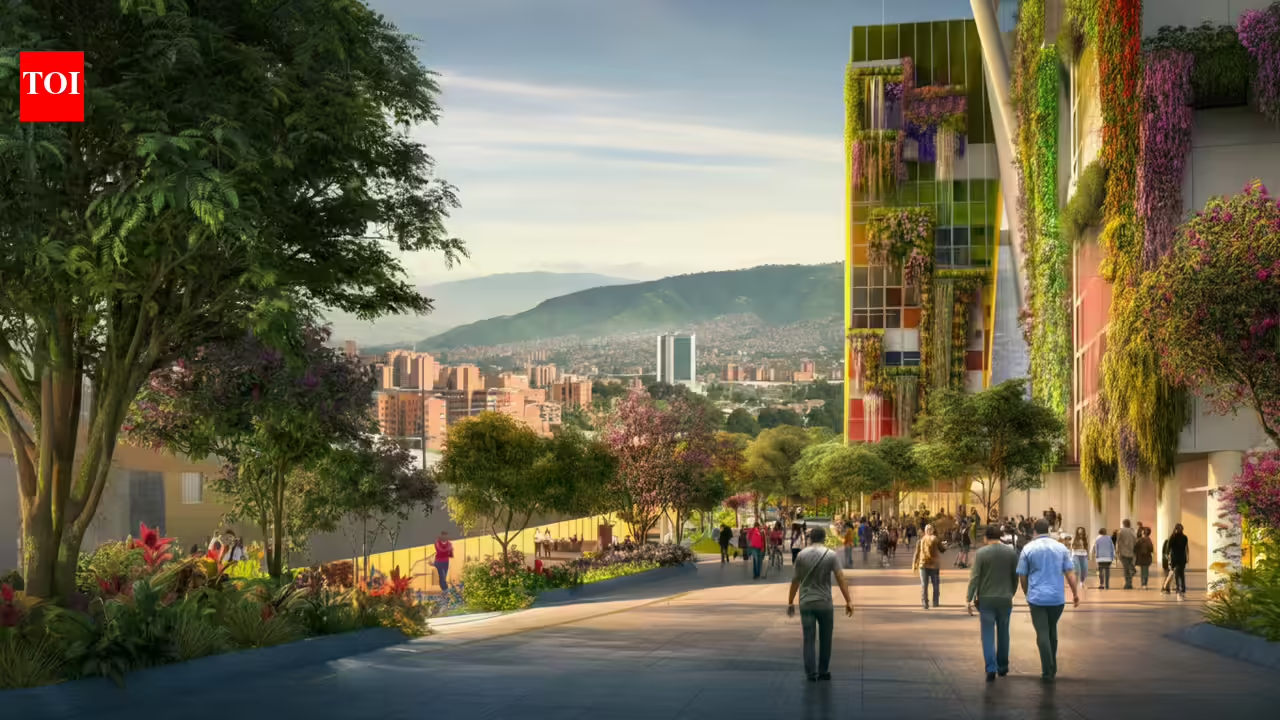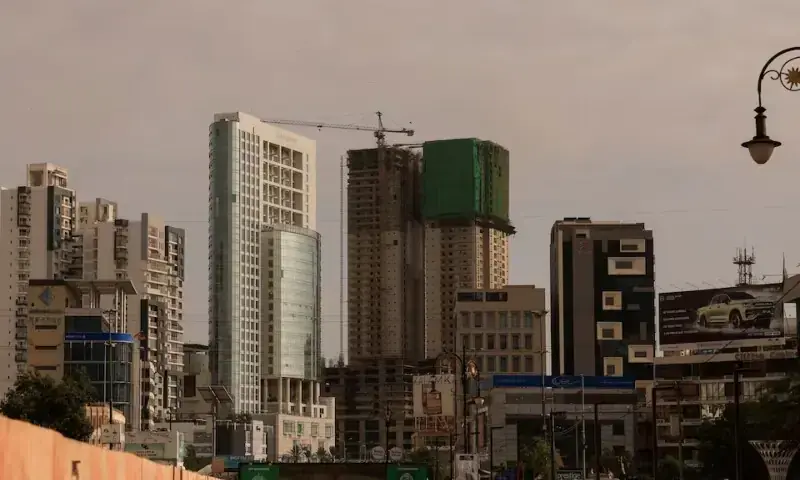
Conventional urban planning doesn't take into account heat pockets or natural cooling systems. Climate sensitive urban planning, however, incorporates nature as a fundamental element of urban living.
Cities heat up faster than surrounding areas because of how they’re built.
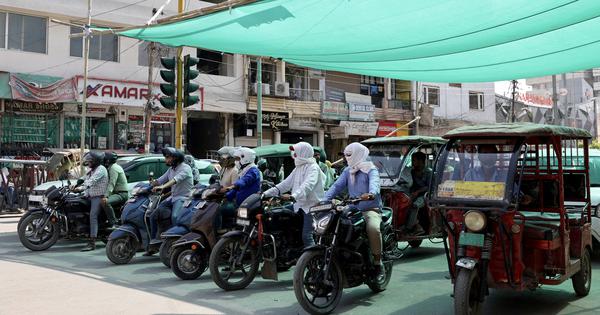
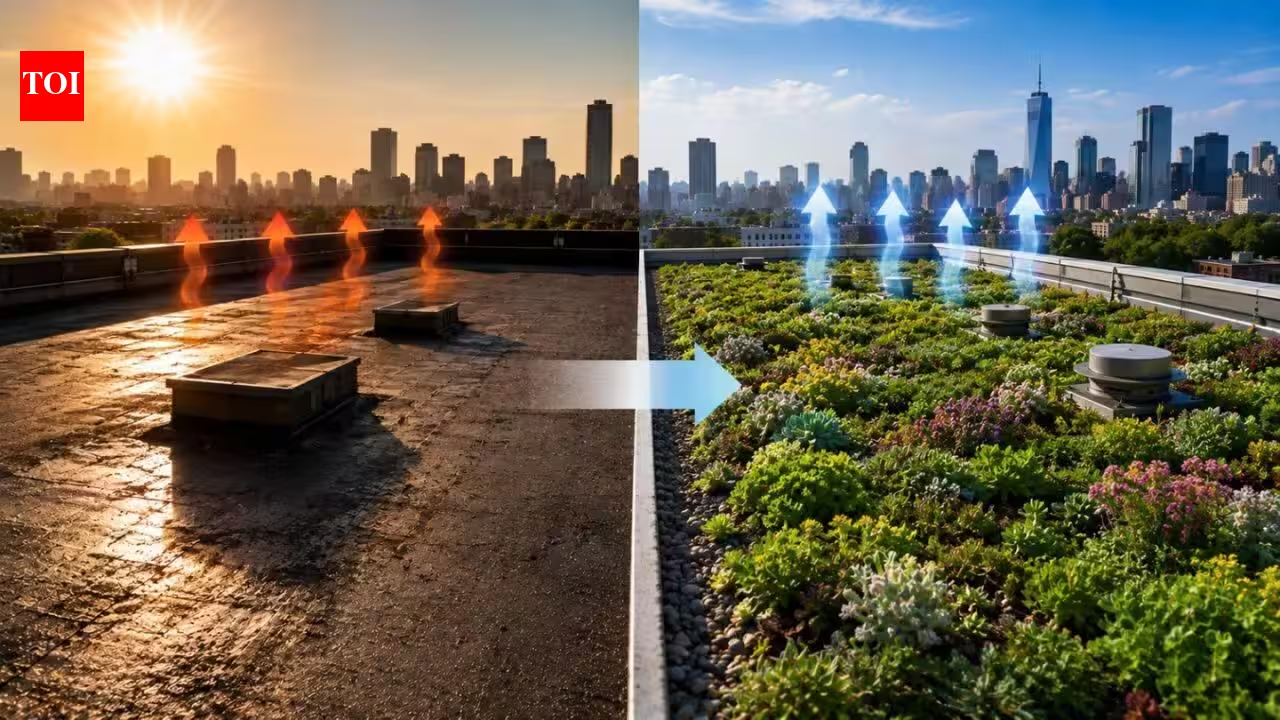
Urban areas can be up to 5.6 degrees Celsius warmer than nearby regions because of roads, concrete surfaces and dense construction that absorb heat during the day and release it slowly at night, preventing cities from cooling down. This is known as the urban heat island effect.
This means that when heatwaves hit, cities are already at an elevated baseline temperature and more prone to overheating.
In most places, conventional planning prioritises plot sizes, road widths, and construction speed without mapping heat pockets or protecting natural cooling systems. However, climate sensitive urban planning incorporates nature as a fundamental element of urban living.