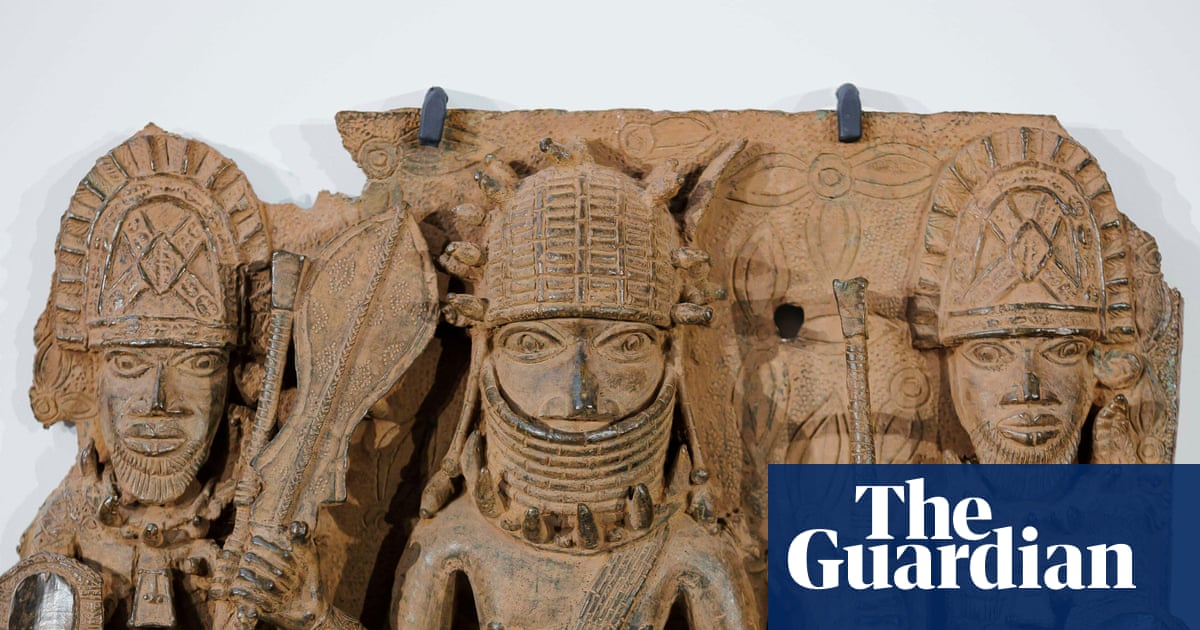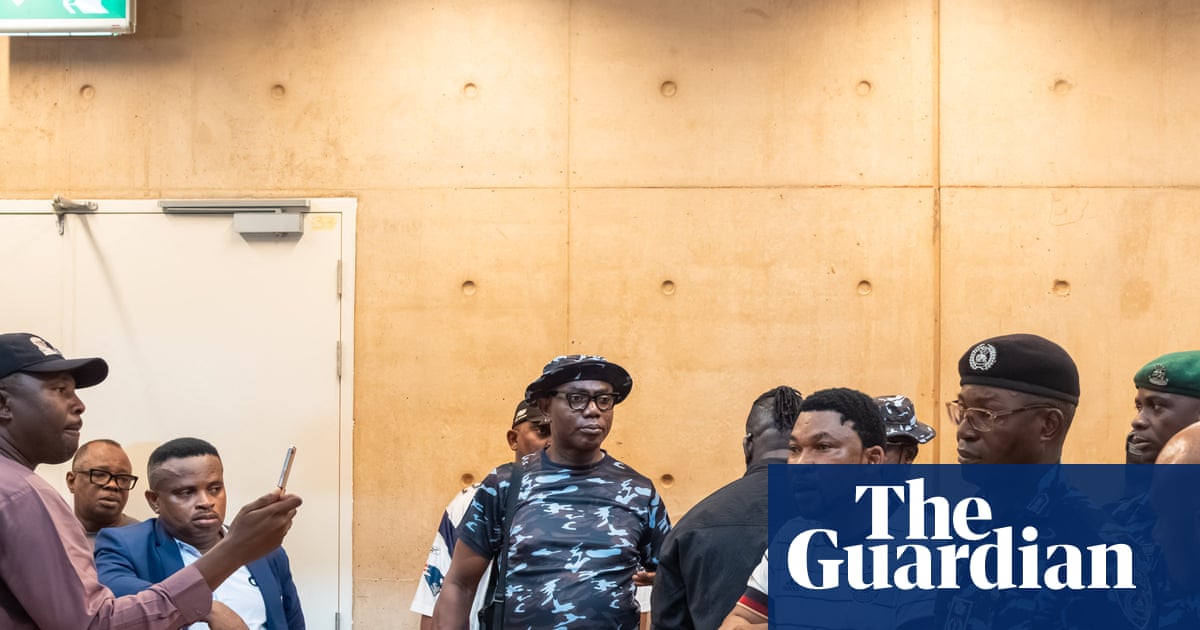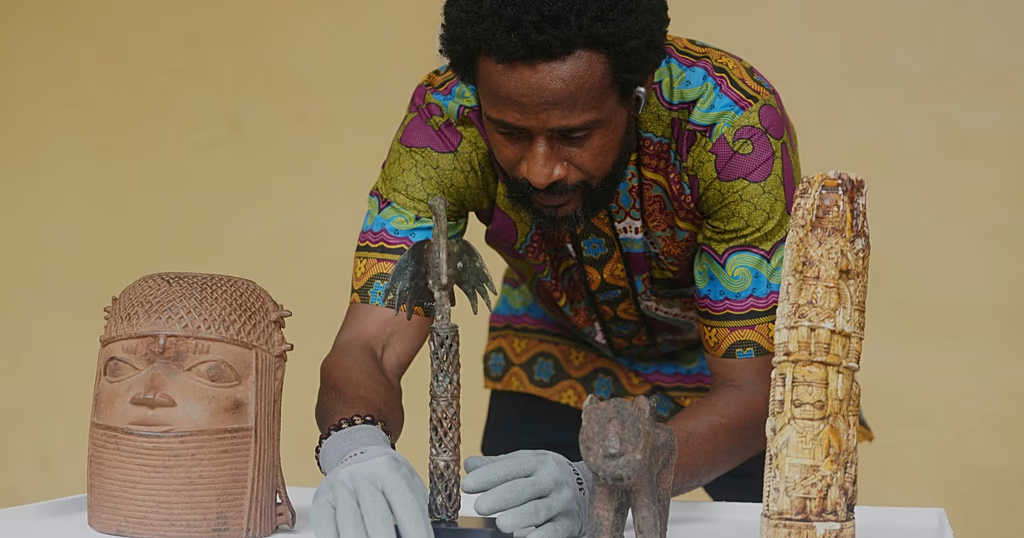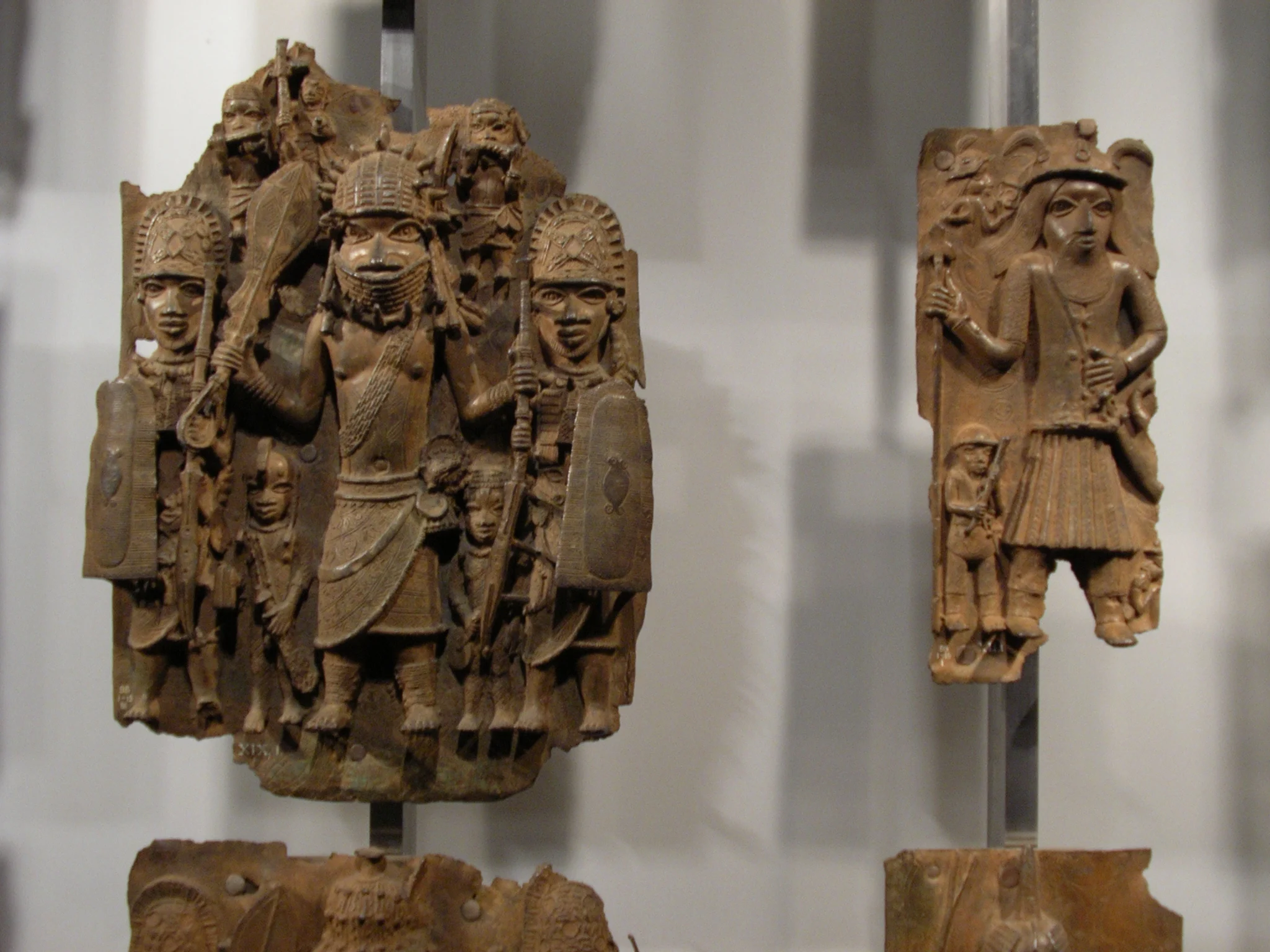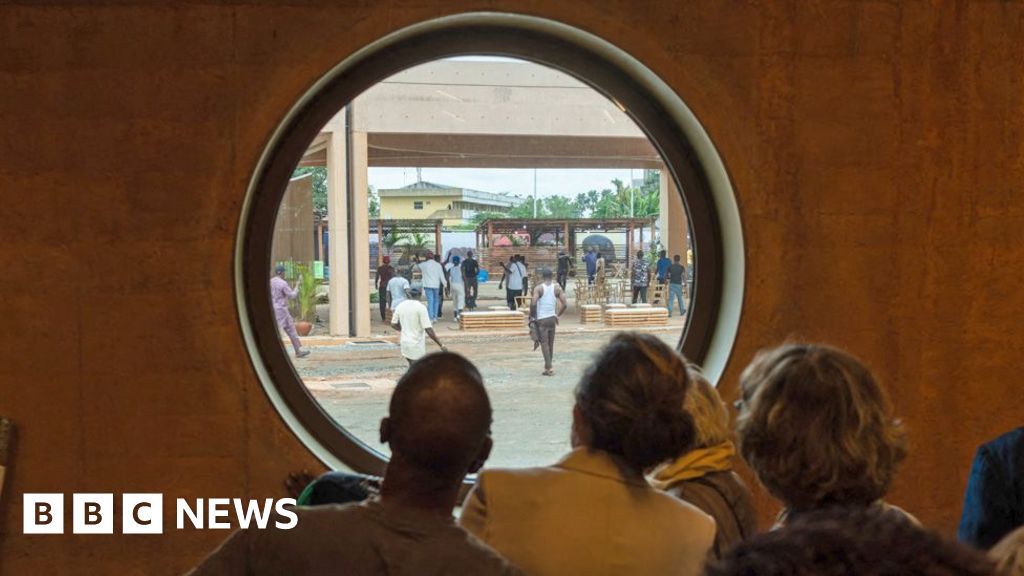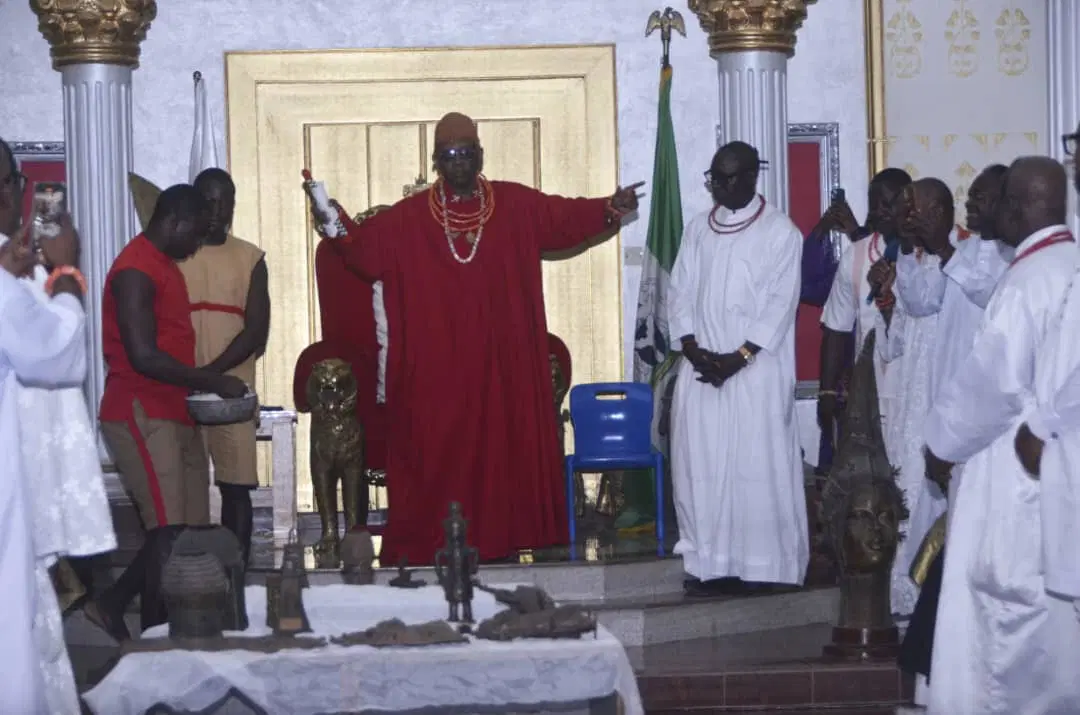
Crusoe Osagie writes that the attack on the museum in Benin City and the propriety of an individual taking sole possession of globally significant artifacts puts the future of cultural restitution in jeopardy
The battle over the ownership and custody of Nigeria’s returned Benin artefacts has moved beyond an internal Nigerian dispute. It is now threatening to undermine one of the country’s most important international cultural-property arrangements — the bilateral agreement with the United States designed to protect Nigerian heritage from illicit trafficking.
That is the uncomfortable reality confronting Nigeria as Washington considers the future of its cultural-property restrictions on Nigerian archaeological and ethnological material.
The question is no longer simply whether the Benin Bronzes should return home. They should. The deeper question is what happens to them after they arrive — who owns them, who has custody, where are they kept, who can access them, who can study them, who can exhibit them and, most importantly, who is ultimately accountable for their safety?
The events surrounding the Museum of West African Art (MOWAA) in Benin City have transformed those questions from theoretical concerns into an international credibility crisis.