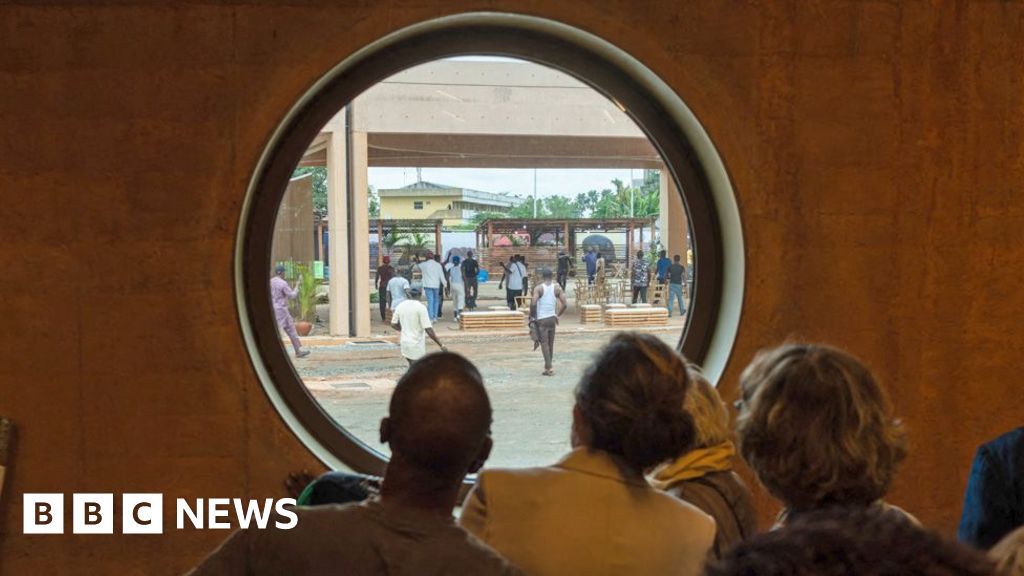
The public display of artefacts looted by British colonial forces at the new Museum of West African Art was supposed to be the crowning glory of a decades-long restitution effort. What went wrong?
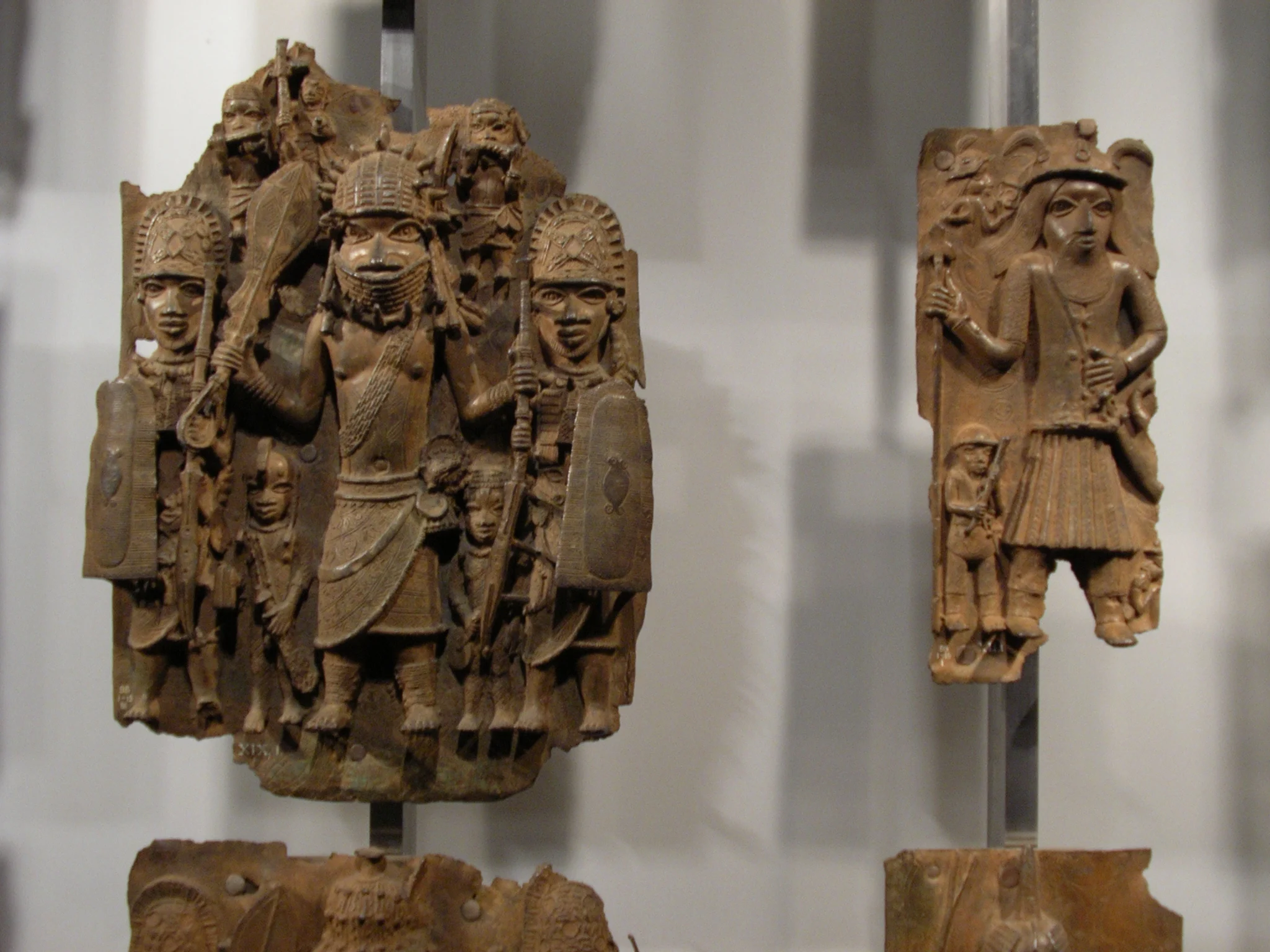
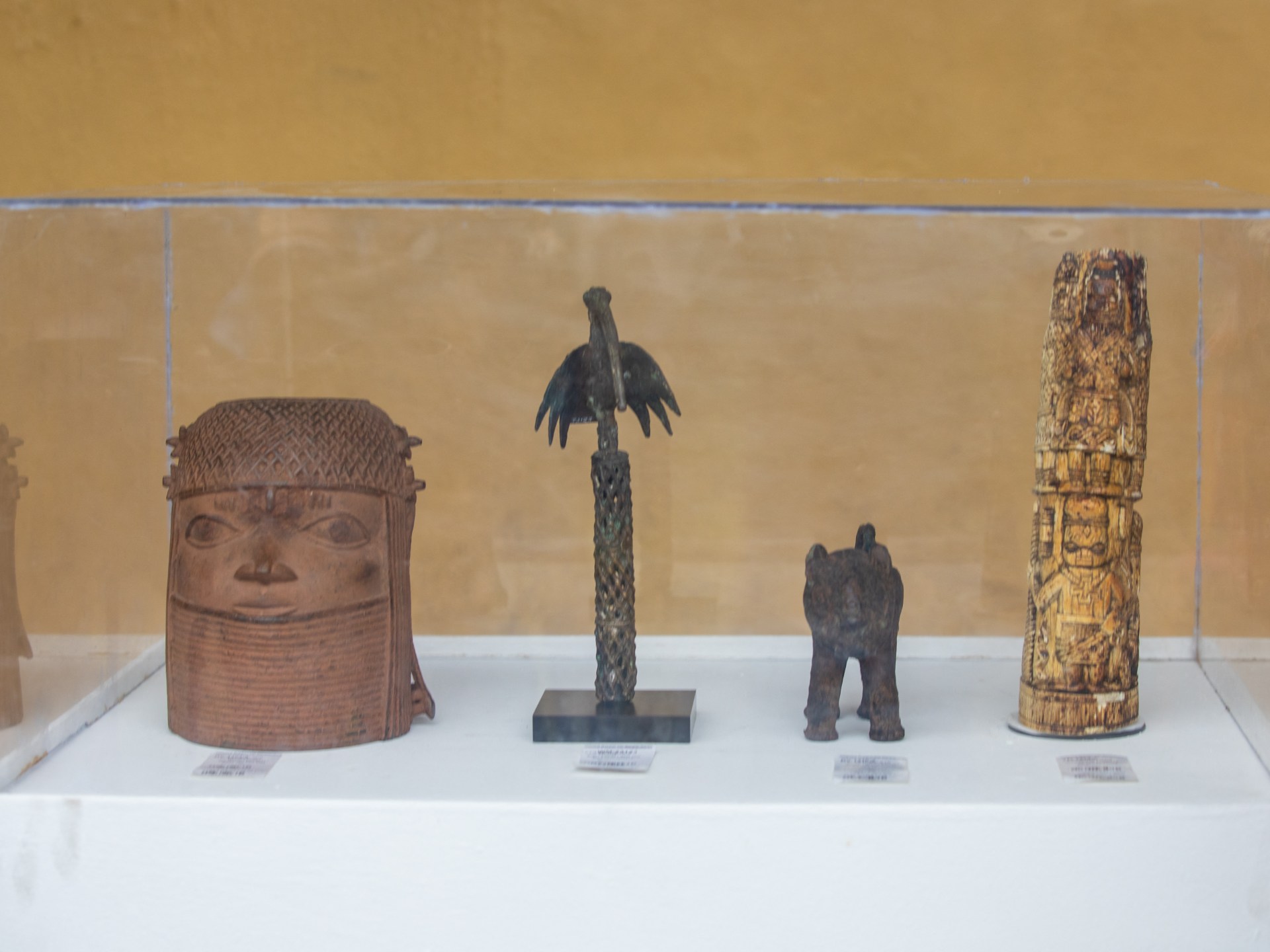
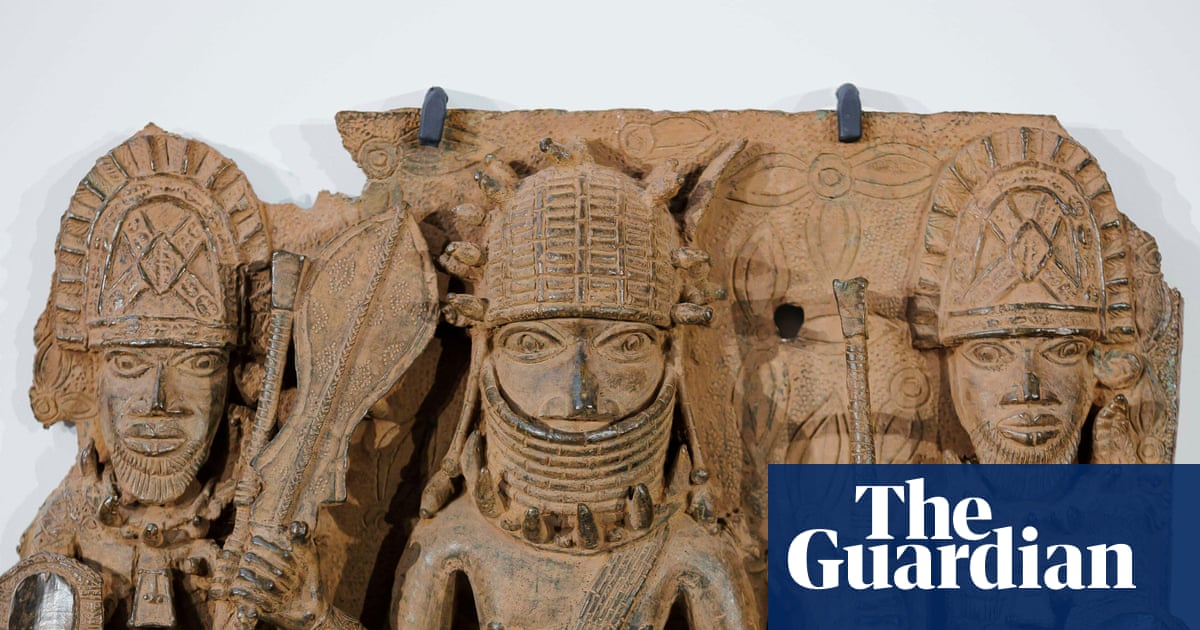
In a corner of the new Museum of West African Art, visitors can marvel at a sample display of the cultural treasures that adorned the royal palace that once stood in its place: a proud cockerel, a plaque with three mighty warriors, a bust of a king with a glorious beaded collar.
The artefacts, collectively known as the Benin bronzes, were looted by British colonial forces who went on to burn down the palace in a punitive expedition in 1897. In the decades that followed they were scattered across collections in Europe and America.
Their return and public display inside the $25m (£19m) state-of-the-art museum in the city of Benin in Nigeria’s Edo state, co-funded by European governments and western enterprises, was to be the crowning moment of an almost century-long effort to reclaim Africa’s stolen art.
Yet when MOWAA opens its doors on 11 November, the only Benin bronzes on display will be clay replicas – a far cry from the “most comprehensive display [of Benin bronzes] in the world” touted by authorities when plans for the museum to become their home were announced in 2020.