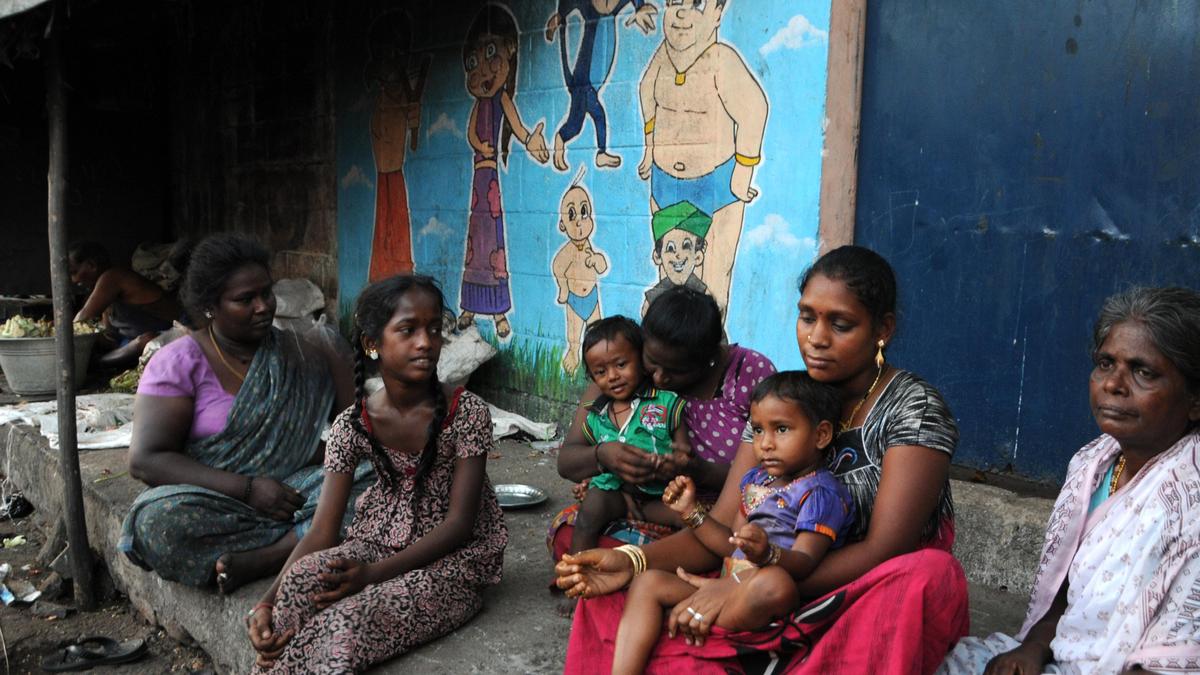
There’s a need to promote equality of opportunity for all
| Photo Credit:
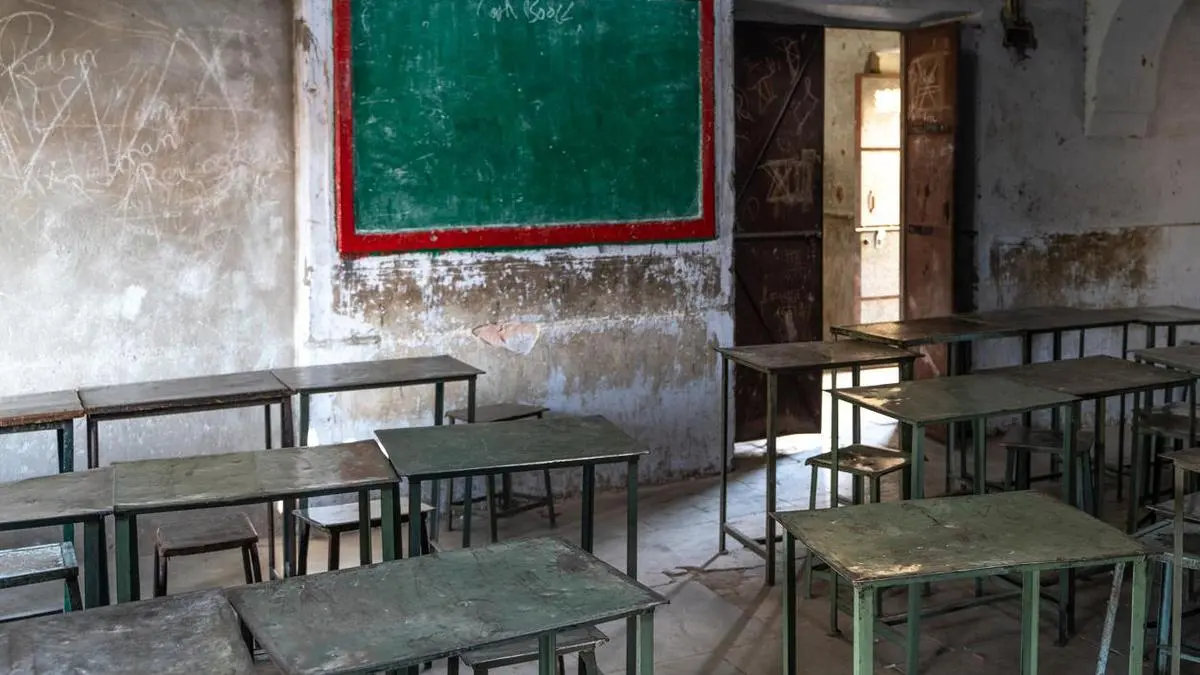
In the absence of any official goals for 2047, here are three Non-official Development Goals (NDGs).NDGs 1 and 2 are people’s welfare, while NDG 3 is a broader national goal. Once there is consensus around the 2047 goals, we can develop detailed sub-goals and sub-sub-goals, with sectoral interventions to attain them.NDG 1 — financial well-being: Make all Indians reasonably financially well-off. There may be inequality in income and wealth, but no one should be left in a precarious economic situation.First, this implies that the economy must create millions of reasonably paying jobs for young people of all skill levels and even for people without college education.Second, we need to promote equality of opportunity for all. Currently people from rural and low-income background are handicapped because they don’t have the resources to do well in the highly competitive job market or gain entry into high-level educational institutions.Third, we need to provide effective, efficient subsidies as needed instead of today’s bewildering collection of significant ad-hoc subsidies.Fourth, India needs sustained 8-10 per cent real GDP growth rates. India is now one of the world’s fastest-growing economies, but the rate is not high enough.Finally, start preparing to adapt to climate change. India’s adaptation plan is scheduled to be completed in 2026. It is just the first step, as funding and implementation will be a challenge.Quality of lifeNDG 2: Improve the quality of life for all.First, keep local air and water pollution in check. Air pollution is not confined to the largest cities only. Several of the 40th-50th largest cities in population often have AQI levels in the 100-200 range, which is harmful for vulnerable people. Worse, frequent exposure to poor air reduces everyone’s quality of life. Polluted water supply forces people to invest in expensive machines that clean their water for cooking and drinking.Second, improve rural health services. There is a major gap between urban and rural health services, though it has narrowed over time. Currently, the rural infant mortality rate is 50 per cent higher than the urban rate, and rural life expectancy is lower than urban life expectancy.Third, improve the quality of services offered by government agencies. Although digitalisation has improved some services, dealing with the agencies is often a hassle. Further, people are still forced to pay bribes for normal, day-to-day services.Fourth, improve the effectiveness of regulation designed to protect consumers. There is still significant food adulteration even in basic food items like milk, oil/ghee, spices, and fruits.NDG 3: Become a regional leader and significant worldwide.For this, first make the rupee an internationally accepted convertible currency; it will be a clear sign that India has arrived on the world economic stage. The bonus is that the changes needed to make this happen will make the economy more competitive.Second, India must focus more on neighbouring countries; this is needed to make India a regional leader. While good relations with other countries are important, India must improve relations with its neighbours. India should use its soft power constructively, including building links between young people across these countries.Third, we must become economically and politically competitive vis-a-vis China, our major competitor in the world, which already has a strong footprint in some of our neighbouring countries. While India will likely not attain economic parity with China by 2047, it can be competitive even without fully catching up.These NDGs are broad and mostly not objectively verifiable. Nor do they state what has to be done to attain them. These are the next steps, once there is consensus on India’s 2047 goals.The writer is an economist with extensive public policy experiencePublished on August 13, 2026