Wars on land still end much as they always have – with soldiers standing on ground the enemy can no longer contest. For a century, the tank has been central to getting them there. A gun moving under armour delivers direct fire while surviving what would destroy anything softer. Air power can punish, missiles can reach deep and drones can bleed a force white. None can occupy ground. That is why Russia’s 22 July mechanised assault southeast of Dobropillya deserves closer scrutiny than another declaration of the tank’s death.
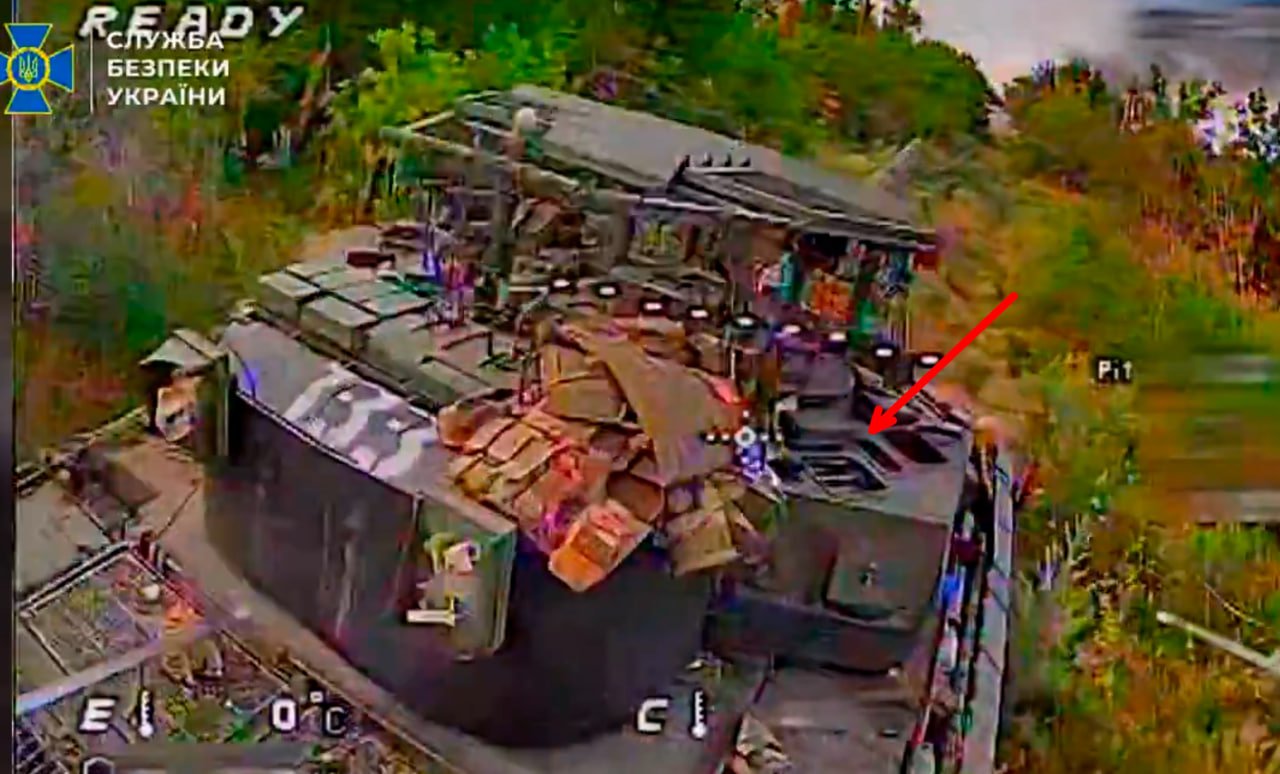
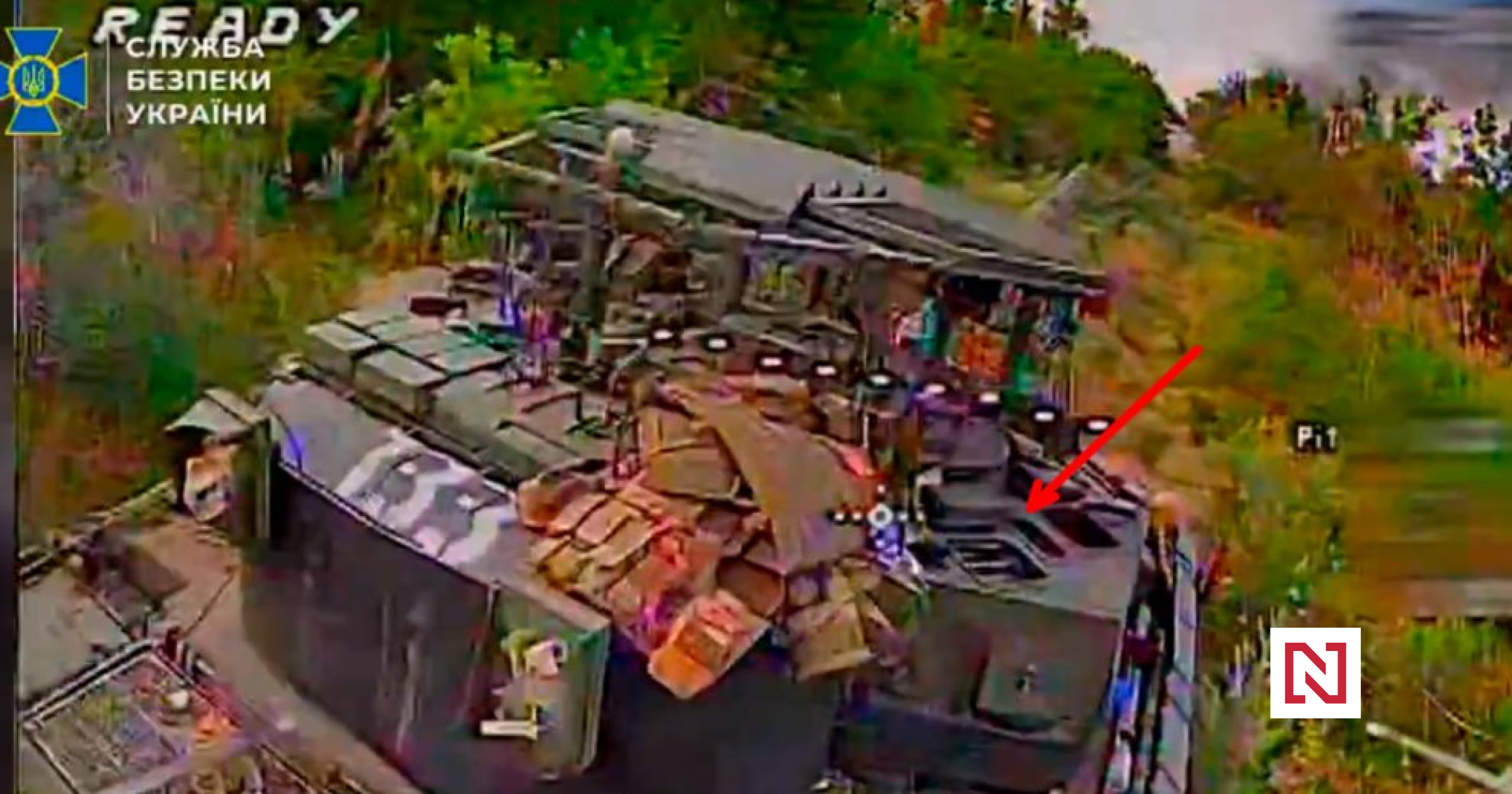
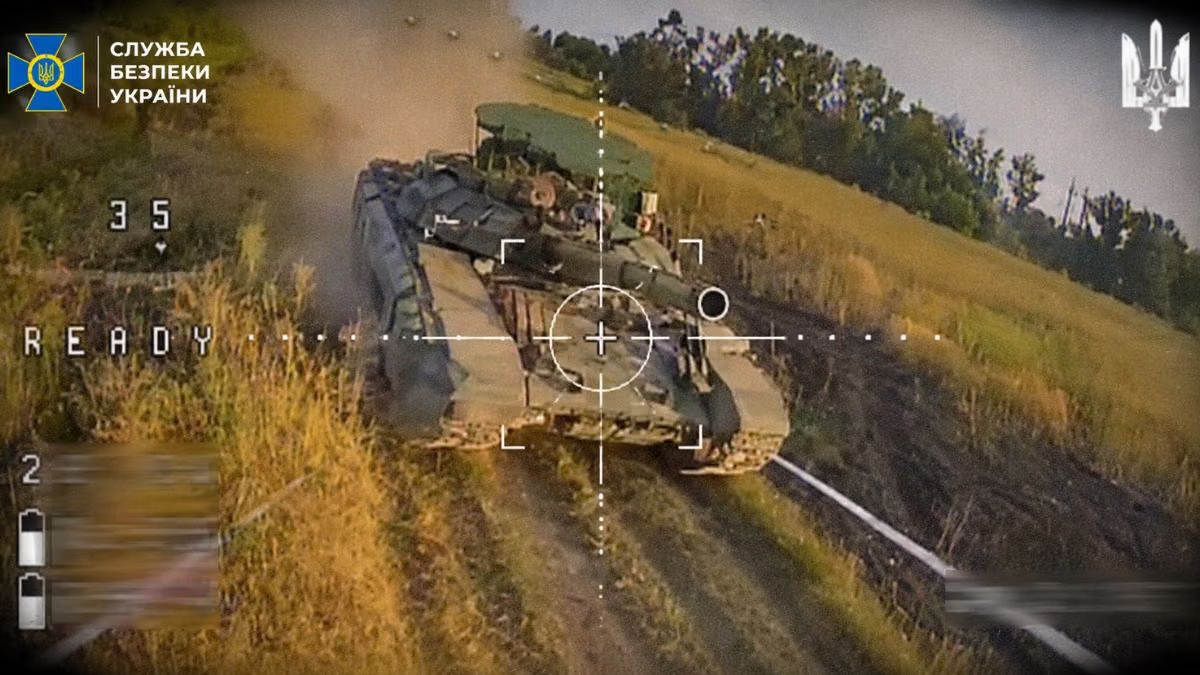
The assault moved toward Shakhove along several axes, including the Boikivka-Mayak-Shakhove corridor. Ukrainian accounts say seven Russian tanks, six other armoured vehicles, two multiple-launch rocket systems and dozens of lighter vehicles were destroyed, with more than 150 casualties. The precise composition is less certain; elements from two Russian combined-arms armies and a tank division were involved in the wider action, but the armoured force visible in released footage appears closer to a reinforced company than a battalion. It was nonetheless one of the larger mechanised attacks seen on that sector for some time, and it failed to produce a confirmed breakthrough.Figure 1: Georeferenced analytical reconstruction of the battle, with doctrinal PRO belts drawn as true-distance radii centred on Dobropillia, the defended epicentre. (Graphic: author; settlements at published coordinates, overlays analytical)