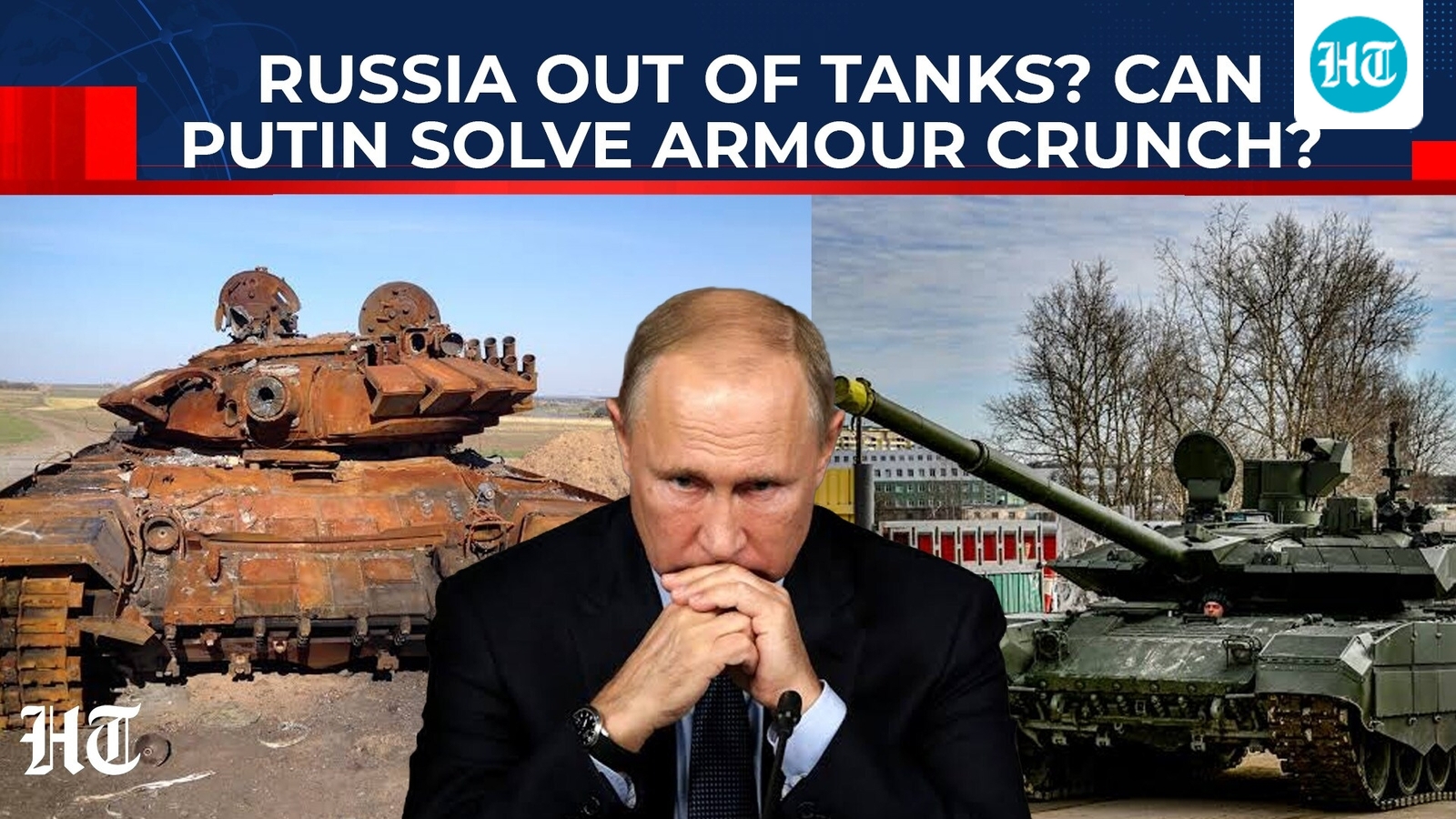
Russia’s armored forces are facing growing pressure as reports suggest Cold War-era tank reserves are steadily shrinking after years of battlefield losses in Ukraine. Satellite imagery and military analysts indicate that many stored tanks are aging and in poor condition, raising questions about Moscow’s ability to sustain long-term armored operations. While Russia has increased domestic tank production, output remains far below Soviet-era levels and may not fully replace combat losses. Attention is now turning to North Korea, which possesses large armor stockpiles and developing tank programs. The situation highlights the mounting logistical challenges confronting Russia’s war effort.
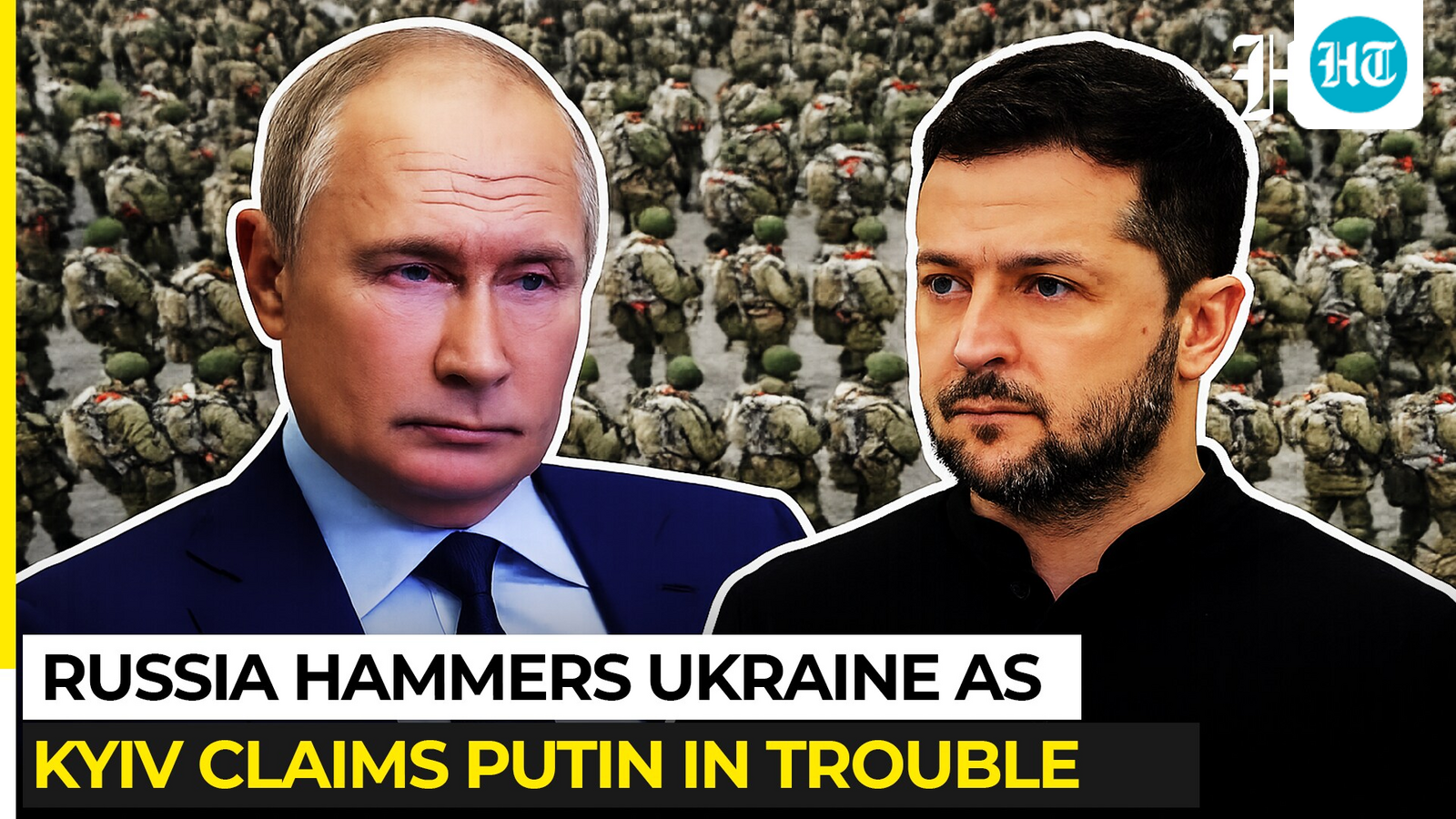
As Zelensky tackles troop shortages, Putin faces new crisis? Russia’s massive tank reserves run dry
Russia’s armored forces are facing growing pressure as reports suggest Cold War-era tank reserves are steadily shrinking after years of battlefield losses in Ukraine. Satellite imagery and military analysts indicate that many stored tanks are aging and in poor condition, raising questions about Moscow’s ability to sustain long-term armored operations. While Russia has increased domestic tank production, output remains far below Soviet-era levels and may not fully replace combat losses. Attention is now turning to North Korea, which possesses large armor stockpiles and developing tank programs. The situation highlights the mounting logistical challenges confronting Russia’s war effort.
TL;DRAI
Russia's tank reserves deplete from Ukraine losses faster than domestic production can replace. The widening gap between attrition and production capacity exposes supply-chain brittleness—critical for tech leaders managing infrastructure and resources.
97 words~1 min read