An abjad writes consonants and leaves most vowels to the reader. That is not a deficiency of the script — it works because Semitic morphology puts the lexical meaning in the consonants — but it means an unvocalised written word frequently corresponds to several spoken words, and any system reading that word has to choose.
What an abjad leaves out
Arabic and Hebrew both work from a consonantal root, typically three consonants, carrying a broad semantic field. Vowel patterns applied to that root produce the specific words: agent, action, place, plural, passive, tense. In everyday writing the consonants are written and the vowel pattern is not.
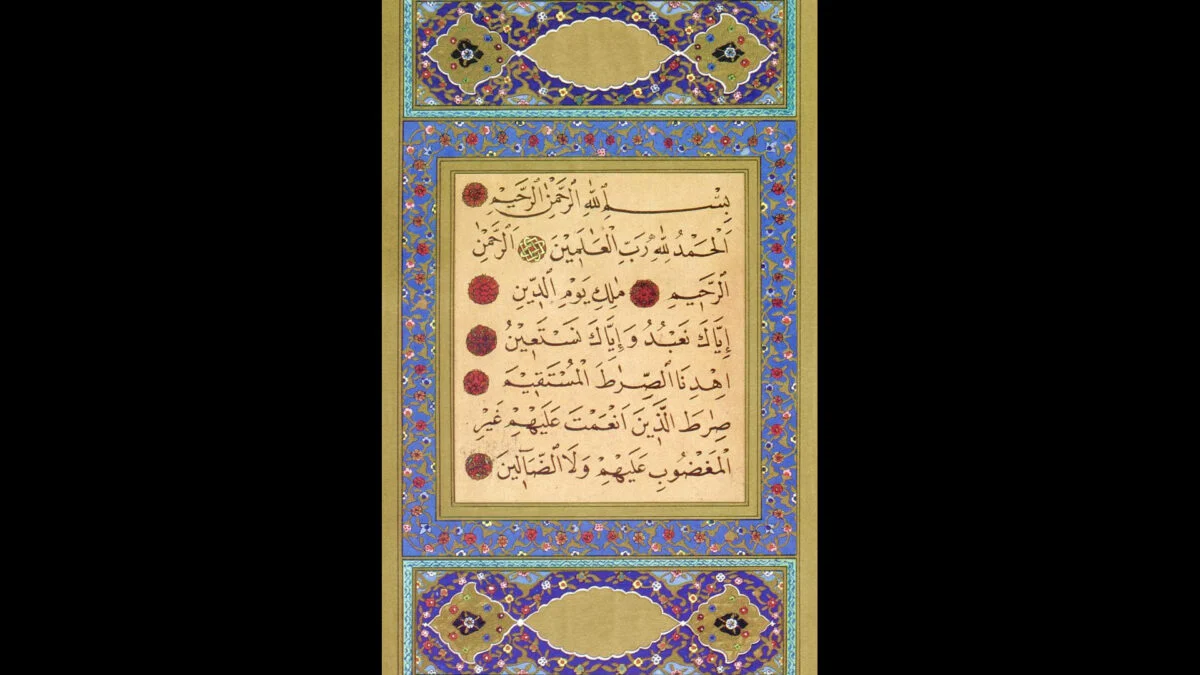
Both scripts have full vowel notation available — Arabic harakat, Hebrew niqqud — and both restrict it to a specific set of contexts: sacred texts, poetry, children’s books, dictionaries, language teaching, and occasionally a single word in ordinary prose whose reading would otherwise be genuinely unclear. Newspapers, websites, contracts, chat messages and the overwhelming majority of the training corpus carry none. So a model trained on Arabic or Hebrew has learned from text where the vowels are absent, and asking it to produce vocalised output is asking it for something rare in its training distribution.