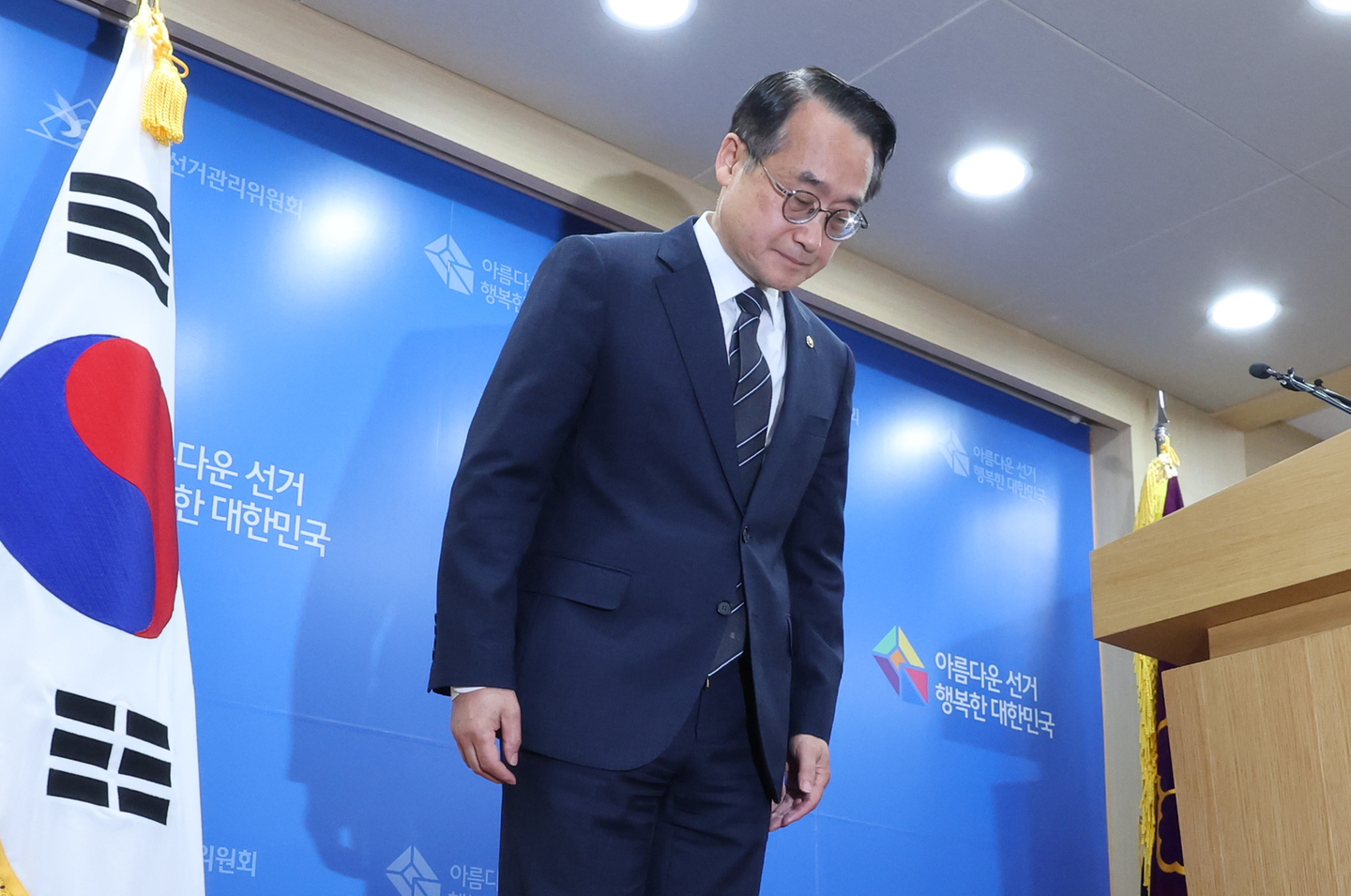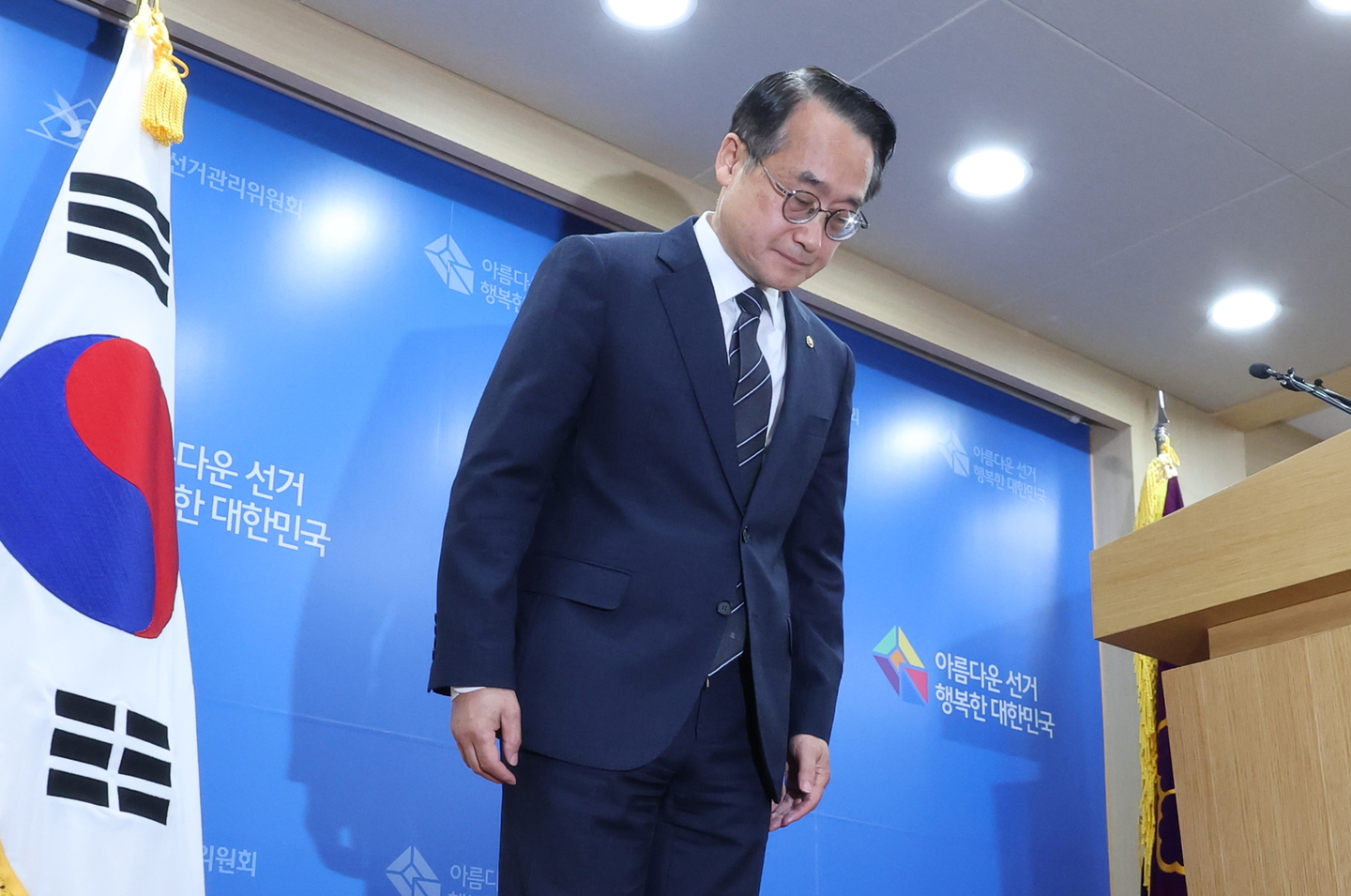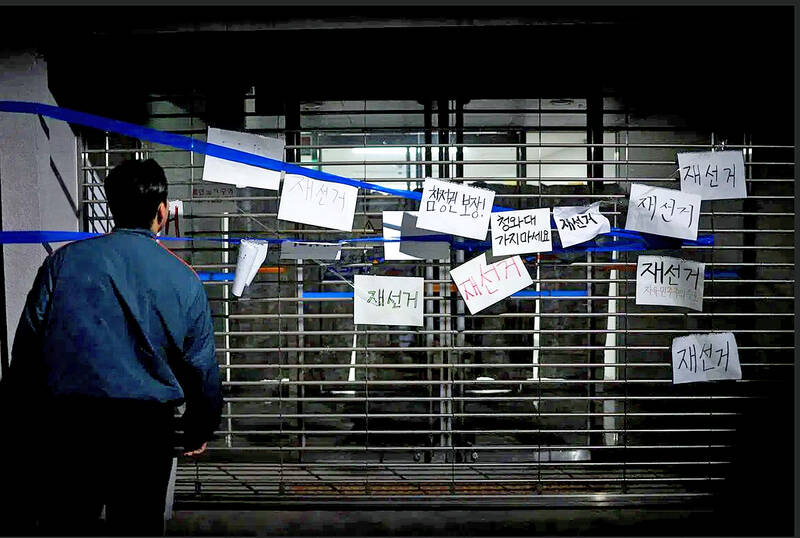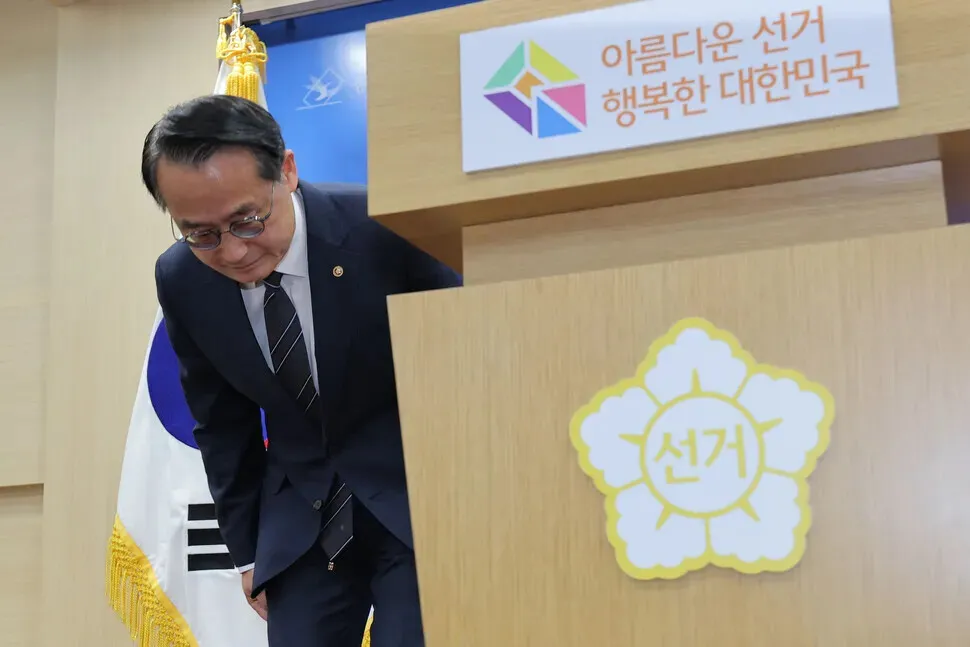
Wang Son-taek It is difficult not to feel both dismayed and disappointed by the series of election management failures recently revealed at South Korea’s National Election Commission. During the local elections in June, some polling stations ran short of ballots, forcing voters to wait for extended periods and, in some cases, disrupting their ability to vote as scheduled. Problems have also surfaced in the handling of the reporting of voter turnout and vote-counting results.The term “K-democracy” reflects the pride Koreans take in the country’s remarkable democratic development. South Korea overcame decades of authoritarian rule and has achieved repeated peaceful transfers of power, developing into one of the world’s advanced democracies. That makes the failures in election management, one of the basic elements of democracy, particularly disturbing. If public confidence in election results begins to erode, trust in democracy itself can also be shaken, along with an important source of national pride.Disappointment and anger, however, will not solve the problem. The current controversy should instead become an opportunity to examine weaknesses in Korean democracy and strengthen the institutions that protect it. In addressing the problem, at least three principles should be kept firmly in mind.First, administrative failures in election management must be clearly distinguished from conspiracy theories alleging systematic election fraud. Claims of organized nationwide election manipulation had largely faded from mainstream South Korean politics after the massive election fraud of 1960, but resurfaced after the April 2020 parliamentary elections. Allegations emerged that Chinese hackers had infiltrated the NEC’s computer system to manipulate election results, that counterfeit ballots had been used, and that early-voting results had been fabricated. Yet no credible evidence has been presented to substantiate these claims. The Supreme Court rejected allegations of systematic fraud in lawsuits seeking to invalidate election results. Security inspections of the NEC’s information systems involving the National Intelligence Service and the Korea Internet & Security Agency likewise found no evidence that North Korea or another outside actor had intruded into the NEC’s computer systems.The structure of Korean elections itself makes large-scale manipulation extraordinarily difficult. More than 14,000 polling stations and roughly 250 counting centers operate nationwide, involving hundreds of thousands of public officials, temporary election workers, party-appointed observers and ordinary citizens. Ballot-sorting machines operate offline rather than through external internet connections, and the final verification process involves human inspection. Systematically manipulating a nationwide election under such circumstances would require extensive coordination and silence among a vast number of people.Two things can be true at the same time: Claims of systematic election fraud can be unfounded, while serious failures in election administration can also be real. Administrative failures should neither be exaggerated into evidence of election fraud nor minimized in order to counter conspiracy theories.Second, calls to abolish the NEC or place it under direct political control should also be treated with great caution. Koreans know from historical experience how dangerous election fraud can be. The March 15, 1960 presidential election involved systematic manipulation by the Syngman Rhee government and the ruling Liberal Party, which mobilized state agencies and political thugs to interfere with voting and counting. The fraud ultimately triggered the April 19 Revolution and the collapse of the Rhee government. It is precisely because of this history that the political independence of the institution responsible for administering elections must be protected. If the government or ruling party could directly control the election authority, the dangers would be far greater than the problems South Korea faces today. Abolishing the NEC or bringing it under direct political supervision because of recent failures would therefore be the wrong remedy.What South Korea needs is to strengthen both the NEC’s independence and accountability. Its political neutrality and autonomy in guaranteeing fair elections must be rigorously protected. At the same time, stronger auditing, external review and transparency mechanisms should apply to its budget, personnel, administration and practical management of elections.Third, election-management failures must not be allowed to become fuel for political polarization. One of the most serious problems in Korean politics is that political competition increasingly revolves less around policies and competing visions and more around distrust and hostility toward the opposing camp. Political polarization encourages people to minimize misconduct by their own side while magnifying failures by their opponents. Politicians, in turn, may conclude that provoking anger against the other camp is a more effective political strategy than winning support through policy proposals and tangible achievements. If election-management failures become fuel for this kind of political hostility, the damage will extend far beyond the NEC.The present controversy, therefore, should not be used either to attack a particular political camp or to seek political rehabilitation for individuals or movements associated with past crises. The central question should not be which side gains politically. It should be how public confidence in the electoral system can be restored.Democracy is not a system operated by perfect people, nor does democracy require that mistakes never occur. What matters is the capacity to disclose failures when they occur, establish responsibility, reform institutions and prevent the same failures from happening again. In that sense, the recent failures in election administration are a clear warning for K-democracy. If they are mishandled, distrust of elections could spread into distrust of the political system as a whole. If, on the other hand, South Korea uses this opportunity to preserve the NEC’s independence while greatly strengthening its accountability and transparency, the current challenge could become an opportunity to make Korean democracy more mature and resilient.Election mismanagement must not be allowed to develop into a crisis of democracy. K-democracy must reject election-fraud conspiracy theories, correct failures and irresponsibility within the NEC, and resist attempts to exploit the issue for partisan gain or political rehabilitation. If South Korea can accomplish all three at the same time, its democracy can emerge from this challenge stronger than before.- - -Wang Son-taekWang Son-taek is an adjunct professor at Sogang University. He is a former diplomatic correspondent at YTN and a former research associate at Yeosijae. The views expressed here are the writer’s own. — Ed.
[Wang Son-taek] Election mismanagement and K-Democracy
It is difficult not to feel both dismayed and disappointed by the series of election management failures recently revealed at South Korea’s National Election Co
1,002 words~5 min read