view more
Image source link: https://openverse.org/image/bf68cd87-5f75-45c1-88cd-cbf1219c6463?q=glioblastoma&p=3
Glioblastoma (GBM), the most common and aggressive primary malignant brain tumor in adults, continues to have a poor prognosis despite decades of advances in surgery, radiotherapy, and chemotherapy. Even with current standard treatment, patients typically survive only 14–15 months after diagnosis.
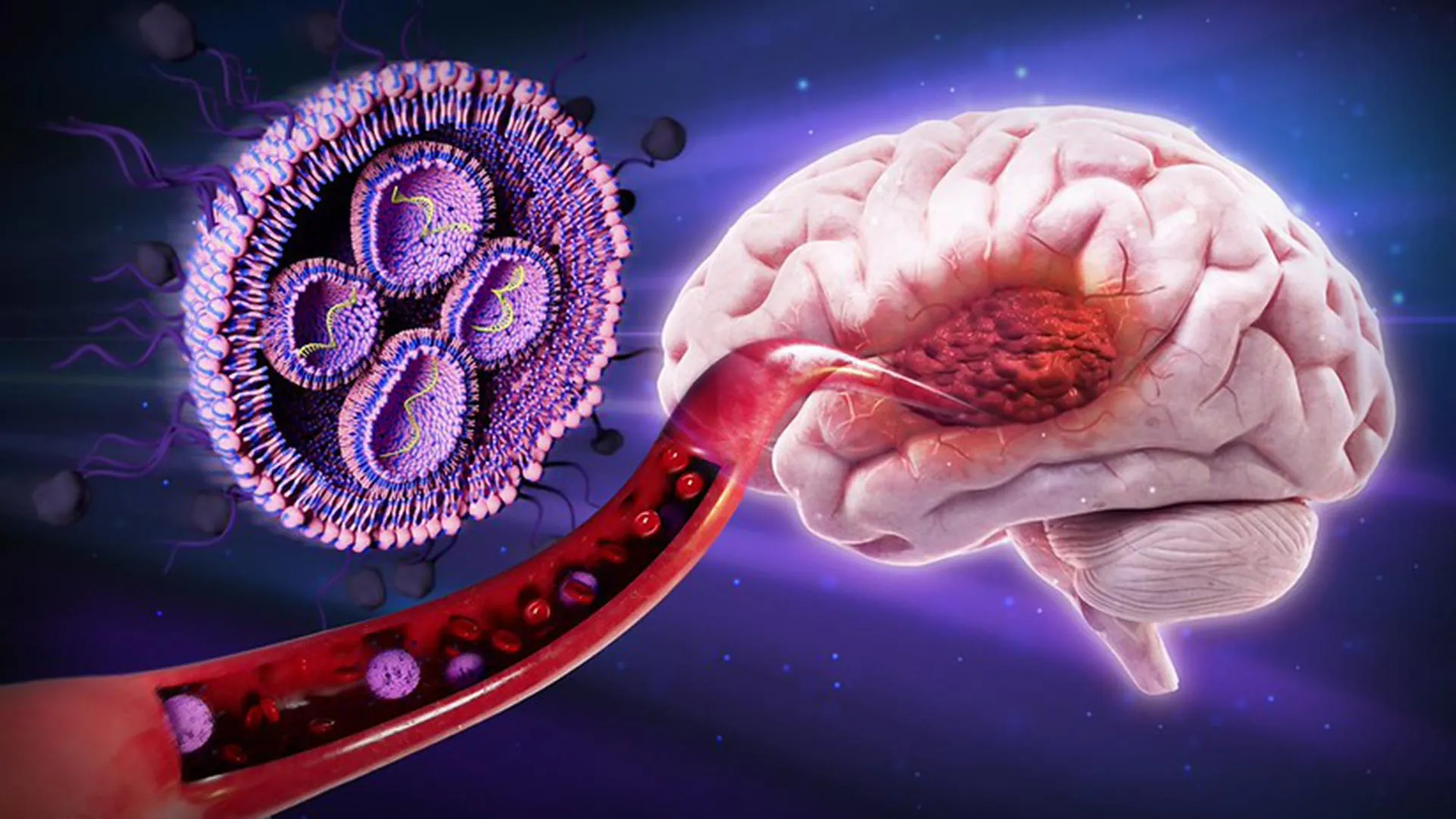
One of the greatest obstacles is the blood–brain barrier (BBB), which prevents the vast majority of drugs from reaching tumor tissue at therapeutic concentrations. While the tumor core may exhibit regions of increased vascular permeability, infiltrative tumor margins often retain an intact BBB, resulting in uneven drug distribution, treatment resistance, and tumor recurrence. To mitigate this treatment gap, recent research has focused on the use of nanomaterial-based drug delivery to increase treatment efficacy by facilitating drug delivery across the BBB.
A comprehensive review published in Volume 12 of the Chinese Neurosurgical Journal on July 01, 2026, explores the latest generation of BBB-aware nanotherapeutic platforms designed to transport drugs across the BBB and the closely related blood–brain tumor barrier (BBTB), enabling more precise and effective treatment of GBM. The collaborative study was led by Dr. Xueqiong Su from Beijing University of Technology, Professor Yujun Song from University of Science and Technology Beijing, and Dr. Hao Wang from Capital Medical University. “Our review outlines the clinical challenges in GBM therapy and examines how targeted, stimuli-responsive, biomimetic nanomedicines overcome these obstacles to improve treatment outcomes,” explained Prof. Song.