Story audio is generated using AI
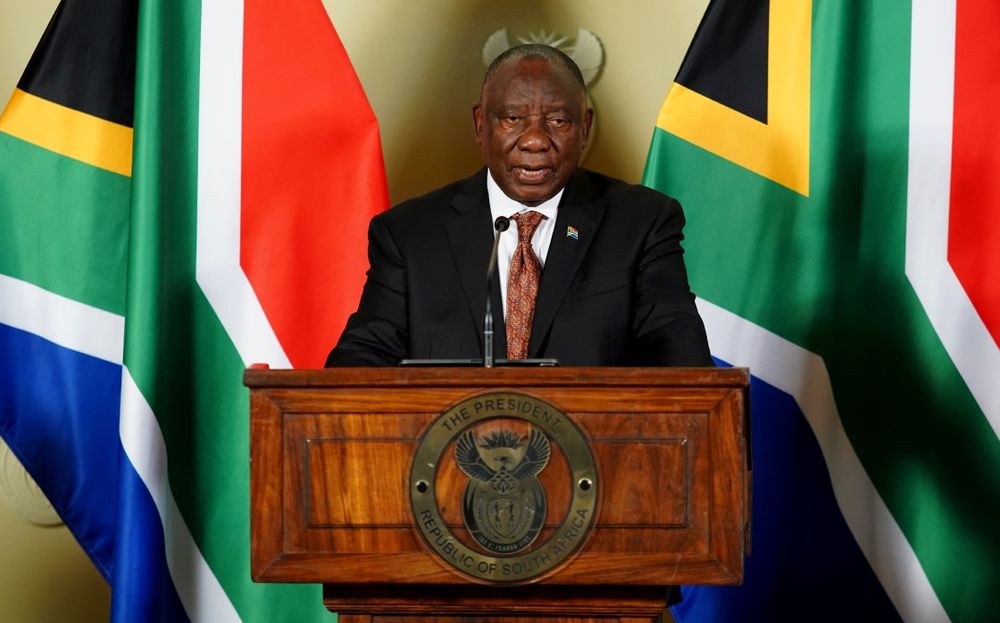
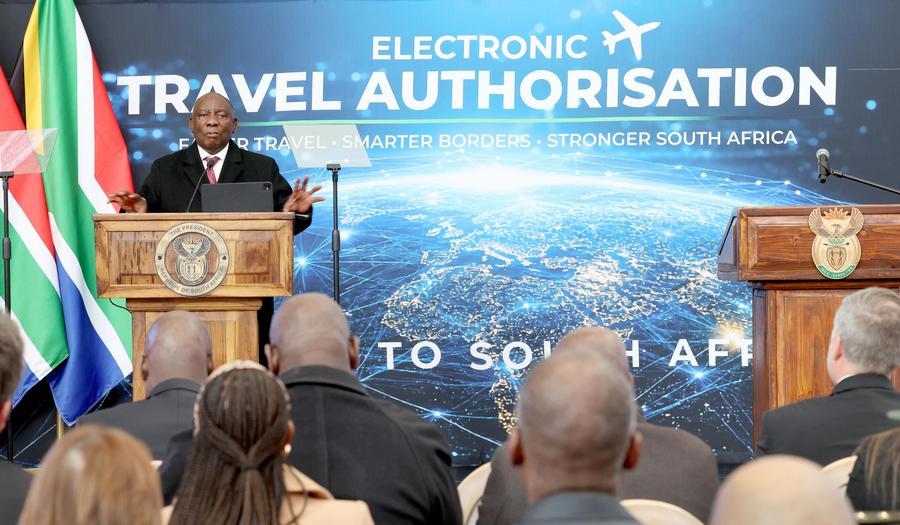
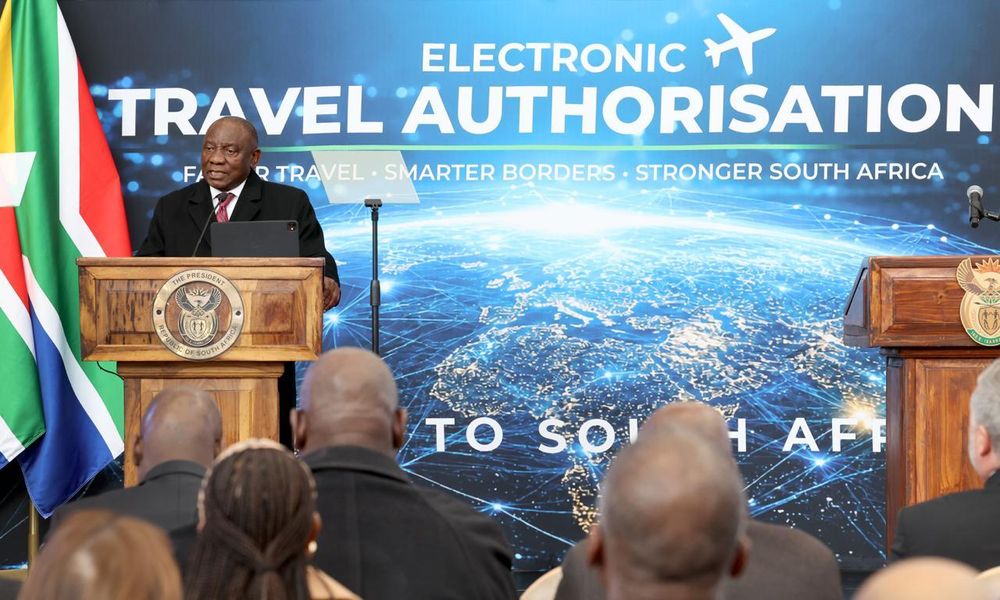
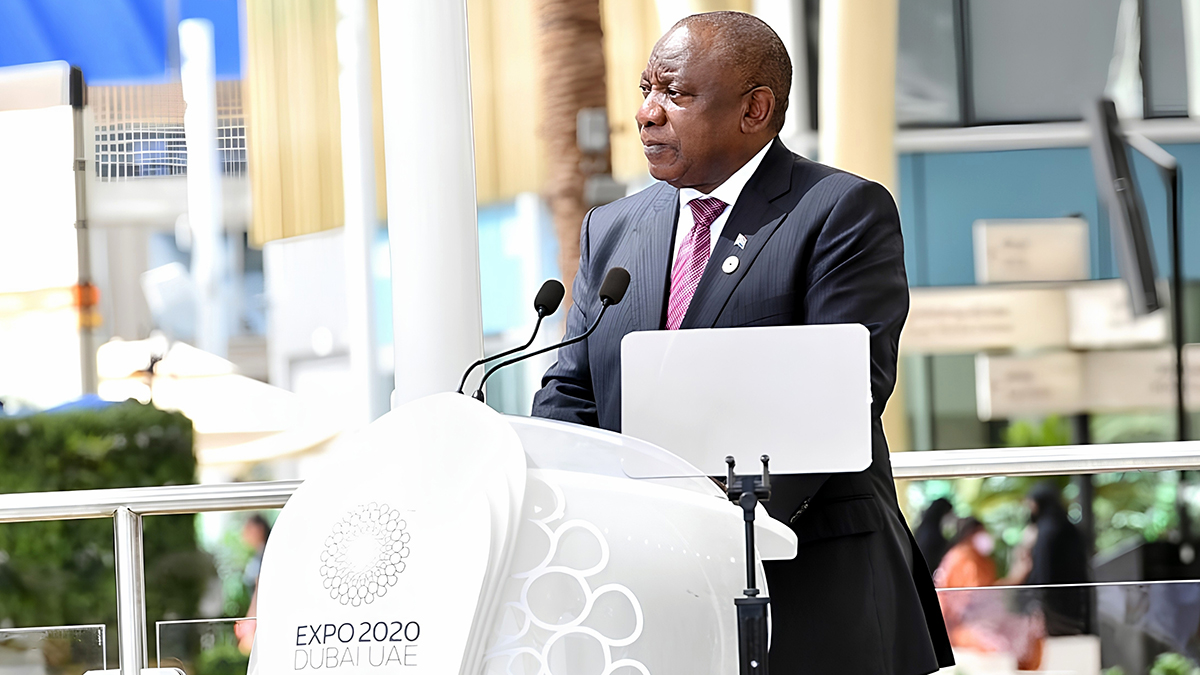
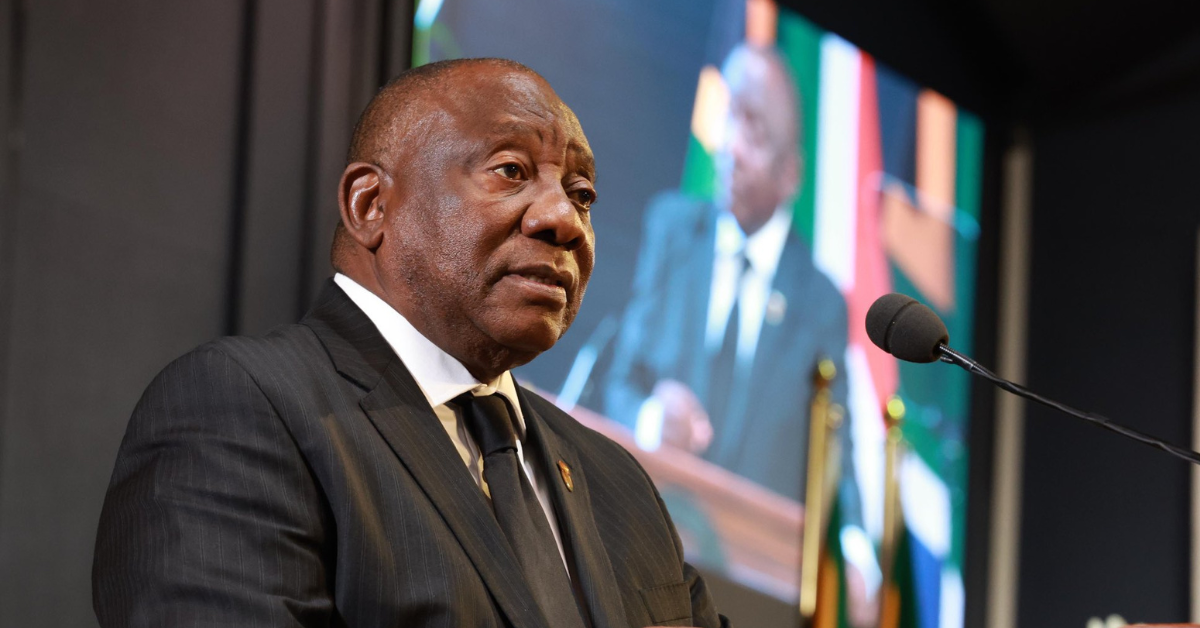
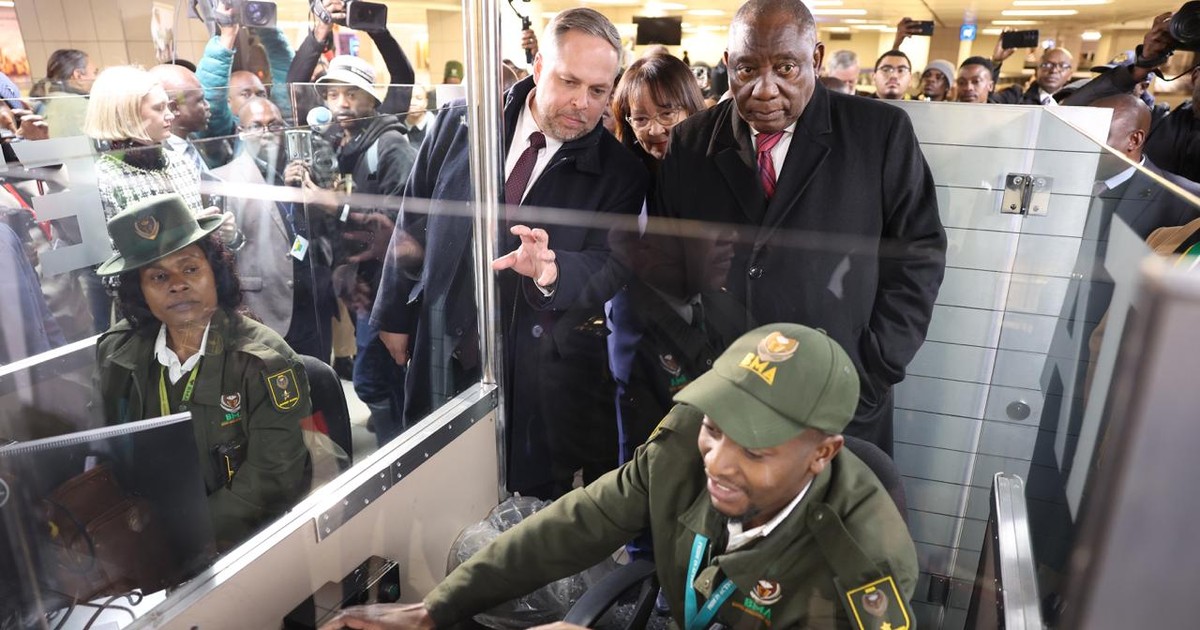
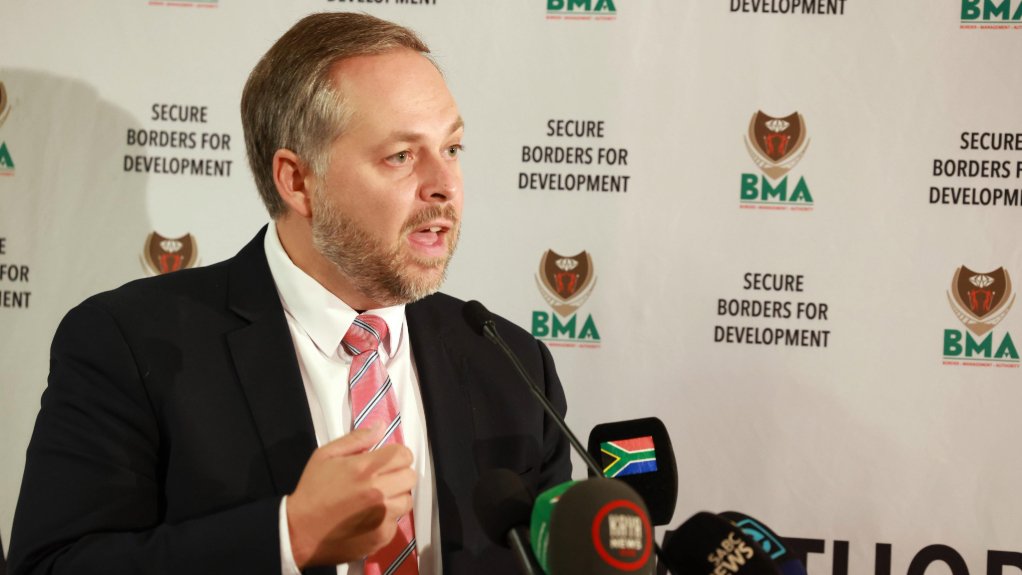
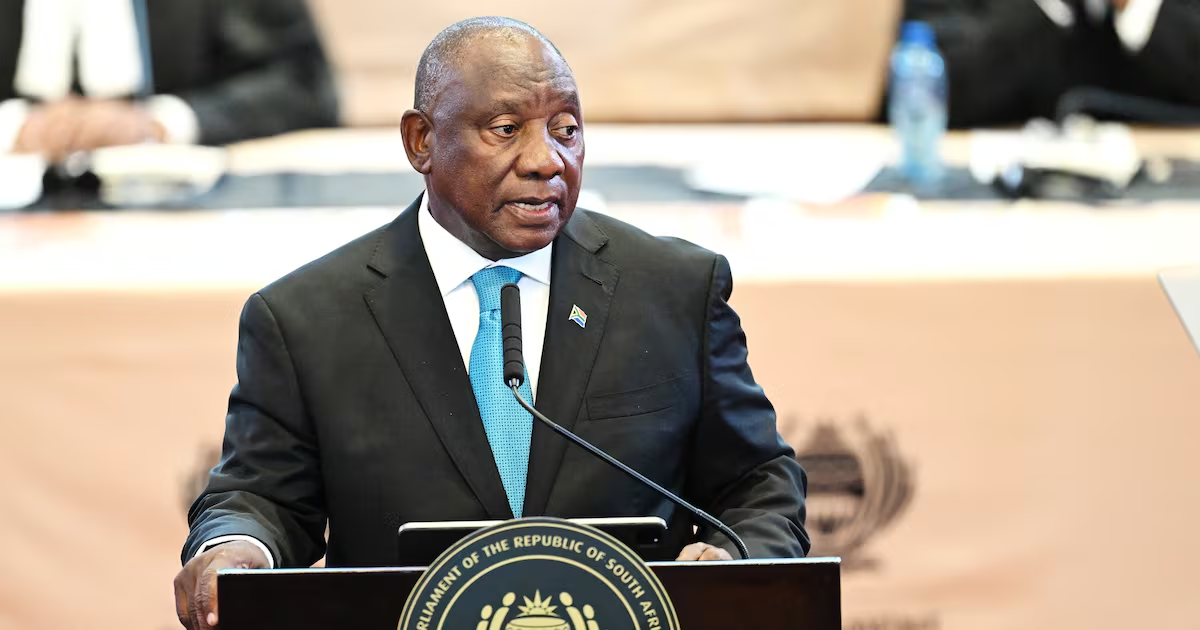
The Electronic Travel Authorisation (ETA) system, launched by President Cyril Ramaphosa on Wednesday, is an economic intervention aimed at attracting more tourists, investors, business travellers and skilled professionals while strengthening border security.The digital immigration system was formally launched at OR Tambo International Airport after a pilot for travellers from China, India, Indonesia and Mexico ahead of South Africa’s G20 presidency.Home affairs minister Leon Schreiber said the ETA has already processed 216,204 applications, with 6,126 fraudulent applications identified and rejected.He said the system represents a major shift in how South Africa manages visas and immigration by replacing cumbersome paper-based processes with digital applications, biometric verification and automated risk assessment.The system allows eligible travellers to apply online without visiting a South African embassy or visa processing centre. Applicants register a profile, verify their cellphone number and email address, scan their passport and upload a selfie.The platform uses biometric technology to compare the applicant’s face with the photograph in their passport and automatically checks the passport against more than 40 parameters to establish whether it is authentic.Once payment has been made, an automated risk assessment identifies indicators of fraud or risk. Approved applicants are expected to receive their ETA within 24 hours, with the authorisation stored digitally on their smartphone.Schreiber said the system has already demonstrated the potential to dramatically reduce the time required to process travellers.At the point of entry, facial recognition is used to verify that the person arriving in South Africa is the same person who received the travel authorisation.The upgraded Electronic Movement Control System, EMCS 2.0, has been introduced at international airports and allows the Border Management Authority (BMA), working with the South African Revenue Service (Sars), to use facial verification when travellers arrive and depart.The system is also intended to help home affairs identify overstayers in real time.Travellers using the ETA will have their faces verified when leaving the country. If a traveller has not been recorded as having left within the authorised period, the department will be able to warn them that they risk overstaying and of prosecution.Schreiber said the next step is to integrate the ETA and EMCS 2.0 with electronic gates at airports.This would reduce reliance on manual passport stamping and allow South African citizens and foreign travellers using the ETA to be processed through e-gates using facial recognition.The ETA is available at OR Tambo International Airport, Cape Town International Airport, King Shaka International Airport and Lanseria International Airport, with the government planning to extend the technology to land and seaports.Schreiber said the ETA will also allow legitimate travellers who enter South Africa for up to 90 days to apply digitally for a further 90-day extension, as provided for under the Immigration Act.He said the extension facility could boost tourism revenues by allowing visitors to remain in the country without navigating the bureaucracy associated with the previous extension process.The ETA will also eventually be expanded beyond short-stay tourism and business travel.“Every nation is known by the way it welcomes its visitors to its country,” Ramaphosa said, arguing that a traveller’s first impression of South Africa is often formed at the border.He said countries increasingly compete on the ease with which people can travel, invest, trade, study and conduct business.“Every unnecessary delay, every cumbersome administrative process and every avoidable obstacle encourages people to look somewhere else,” he said.Ramaphosa said the reform should therefore be viewed as an economic intervention rather than solely an immigration reform.The president linked the ETA to the government’s broader structural reform programme under Operation Vulindlela, which has focused on removing constraints to economic growth in areas including electricity, telecommunications, freight, rail, ports and water.He said immigration reform is necessary because businesses have previously complained that South Africa’s visa system makes it difficult for executives, managers and specialists to enter the country.Ramaphosa said the ETA will help to address those constraints while also improving the state’s ability to manage migration.The department has already expanded digital Smart ID replacement services through its partnerships with banks. Schreiber said more than 400 bank branches are offering the service, with more than half a million South Africans having used it in the five months since its launch.The department is also developing a digital identity system that will allow South Africans to access digital versions of their identity credentials on smartphones.The president said the ETA will also address concerns about illegal immigration and border security.He said technology will allow the government to know more about travellers before they arrive in South Africa and improve its ability to identify people attempting to abuse the immigration system.Business Day