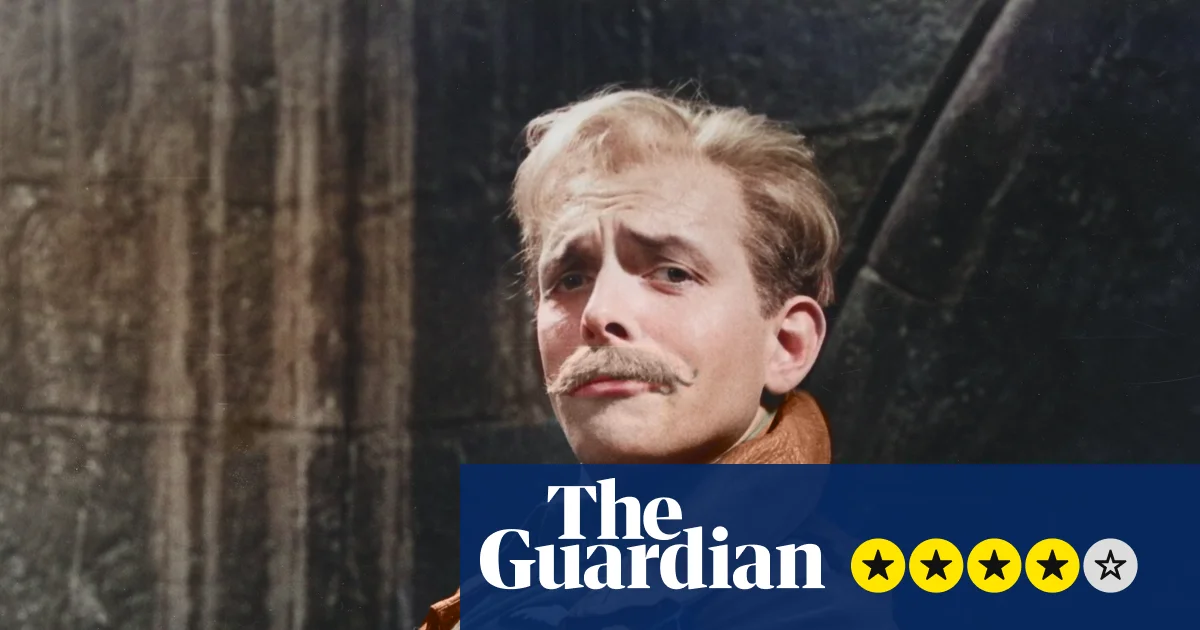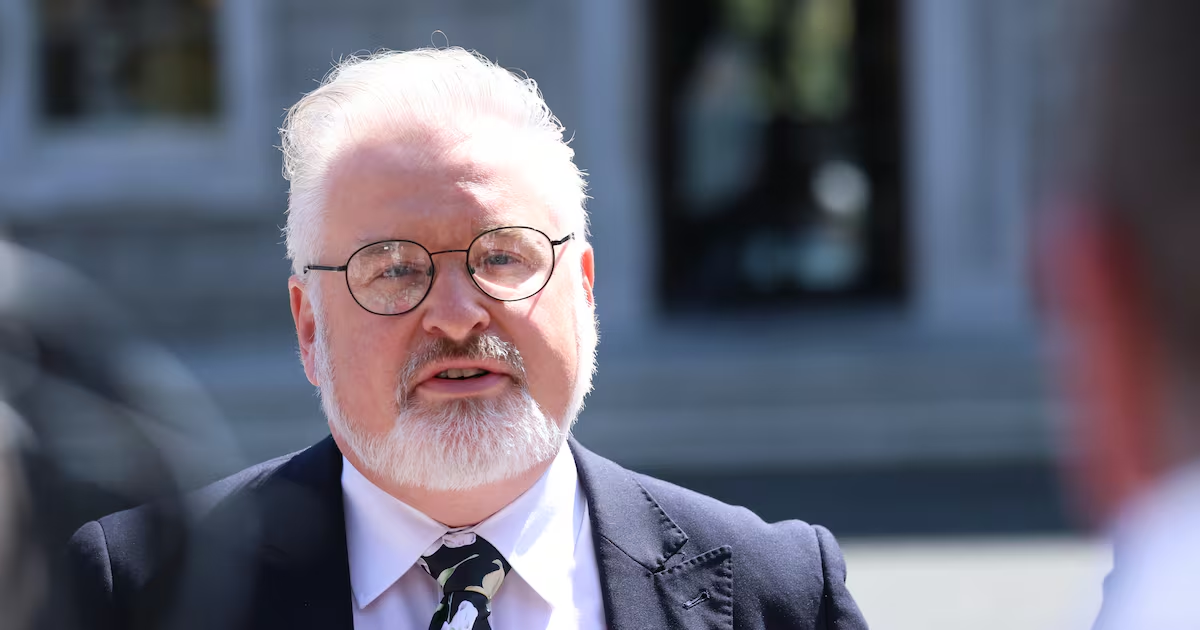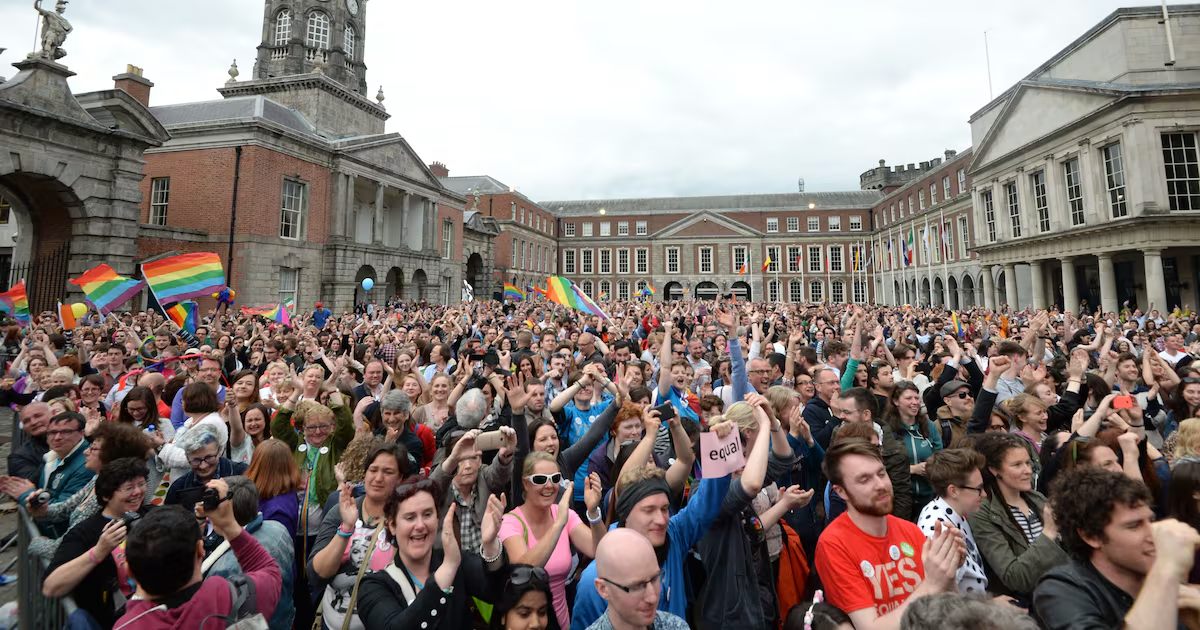
Colin Murphy’s A Day in May (RTÉ One, Wednesday, 9.35pm) is a thoughtful and poignant look back at the 2015 marriage equality referendum – and a heartfelt homage to journalist-turned-LGBTQ rights campaigner Charlie Bird.Bird, who died in 2024 following a long and public struggle with motor neuron disease, was a prominent supporter of the campaign for gay marriage. But he did more than speak passionately in favour of a vote to end marriage inequality. He also travelled the country interviewing members of the LGBTQ community – conversations that would form the basis of both a book by Bird and a play by Murphy, A Day In May.Eleven years later, Murphy is revisiting the campaign, the play, and also his memories of Bird. That’s a lot to cram into 60 minutes and the film does not always get the balance right. It could, for instance, have done with more of Charlie Bird, whom we see at the fringes of the documentary yet who never has a moment centre stage. The referendum was regarded at the time as a societal thunderclap during which the last vestiges of the grim theocratic Ireland that had made the country a purgatory for so many were finally, definitively banished. But that proved a false dawn, as Murphy hears when he reconnects with some of those interviewed by Bird in 2015.As they explain, with sadness and frustration, social media has become an engine room for hate. “There’s a very dark side of the internet creeping in,” says Marion Doherty, who got engaged to her partner Rachel Morgan shortly after the referendum.The film doesn’t say it out loud, but you can imagine the sort of madness to which bad actors from abroad would subject Ireland were the equality referendum to go ahead today. In a world of Elon Musks and Andrew Tates, the generosity and grace that led people to vote Yes could not be taken for granted.One of the most poignant interviews is with 85-year-old Galway farmer Brendan, who spoke to Bird in 2015 but who asked to be left out of his book, A Day in May: Real Lives, True Stories. “I felt uneasy,” he says. “I still wasn’t confident in being gay.”Brendan recalls how coming out made him a pariah to many of those closest to him – including his brother. They did patch things up before his sibling’s death, but there was always that gap there. Still, in the longer term the referendum was a hugely positive change, he feels. “The Yes vote was massive,” he says. “It was a massive vote to give the people the confidence to help you not to be afraid any more.”[ ‘I burst out crying on referendum results day. I realised how exhausted and scared I had been’Opens in new window ]This film is a celebration – but with a bitter aftertaste. Are we as tolerant today as we were in 2015? Murphy fears not, and he talks about how the trans community have been attacked and marginalised and how homophobia – which had finally become more or less unacceptable – has returned. “Joy is a constant refrain when people recall the referendum,” he says. “But it’s much less present when they talk about today.”“There’s an increased amount of hate,” agrees Joan, whose son Adam features in Bird’s book and who has since become a drag queen. “The negative attitudes toward trans people affect everybody. For me it brings that fear back again.”It is a bleak thought: that marriage equality was not a staging post on the way to a new Ireland, but an aberration before normal business resumed and old prejudices reimposed themselves – and even more viciously than before.
A Day in May review: A celebration of a joyful referendum with a bitter aftertaste
Television: A poignant look back at the 2015 marriage equality referendum – and a heartfelt homage to journalist-turned-LGBTQ rights campaigner Charlie Bird
613 words~3 min read