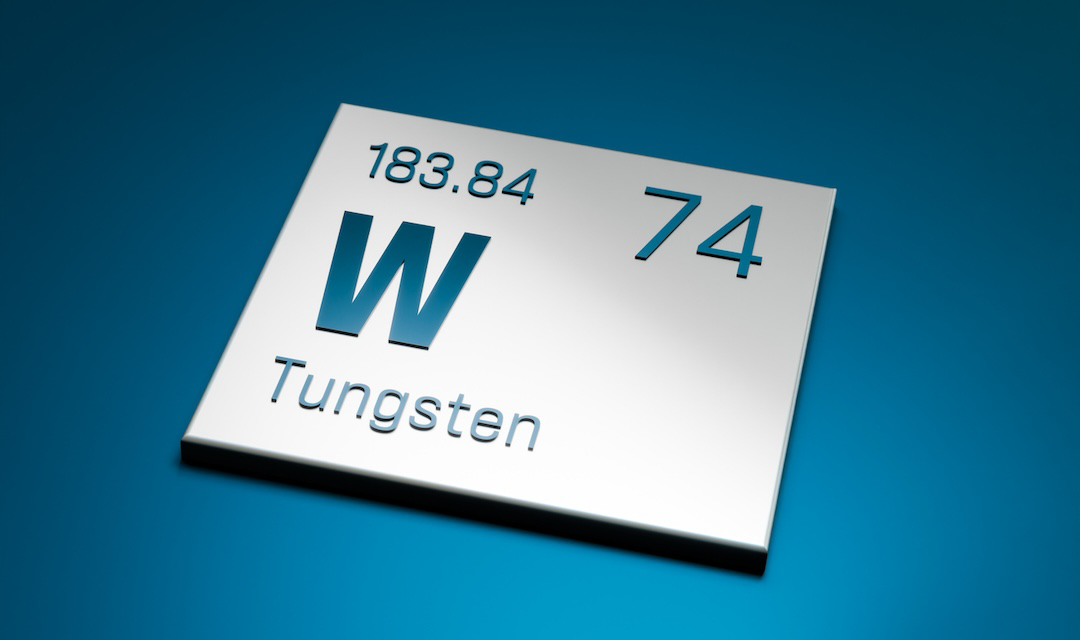
Known for high density, durability, and tensile strength, tungsten is an overachiever among metals. Having the highest melting point of any non-alloyed metal (3,422 degrees Celsius), it is ideal for use in extreme environments like fusion reactors and rocket engines.
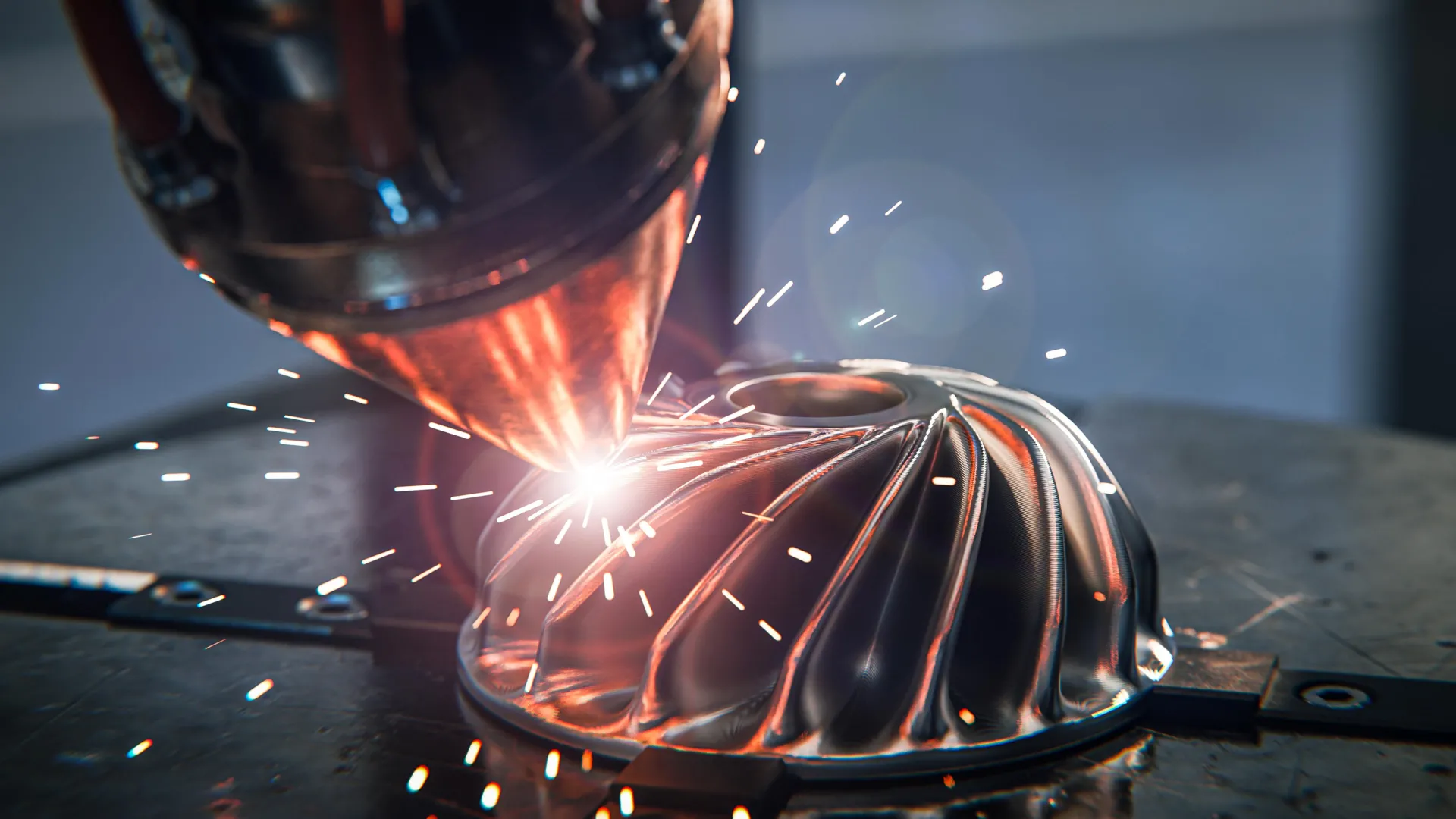
With its superpower properties, tungsten can be an ideal material for manufacturing complex, high performing parts for the energy and aerospace industries. Unfortunately, it has a serious weakness: a glass-like brittleness at room temperature. When used in additive manufacturing, tungsten shrinks and cracks during the cooling process.
Since the advantages of 3D printing metal are so significant (making intricate designs, offering fast prototyping, and reducing material waste), they justify finding a way to make tungsten work. Researchers at Carnegie Mellon University’s Department of Chemical Engineering sought a solution to this challenge.
Machine learning finds the recipe
Identifying materials to mix with tungsten that counteract its brittle nature could take years in the laboratory, testing thousands of potential combinations to find the perfect formula. While physics-based simulation can narrow down the possibilities, it requires significant time and computational power.