Tungsten carbide-cobalt (WC-Co) is valued because it can withstand intense wear, pressure, and repeated use. That exceptional hardness makes it ideal for industrial tools, but it also creates a major manufacturing challenge. The material is difficult to shape, expensive to produce, and often requires more raw material than ultimately ends up in the finished component.
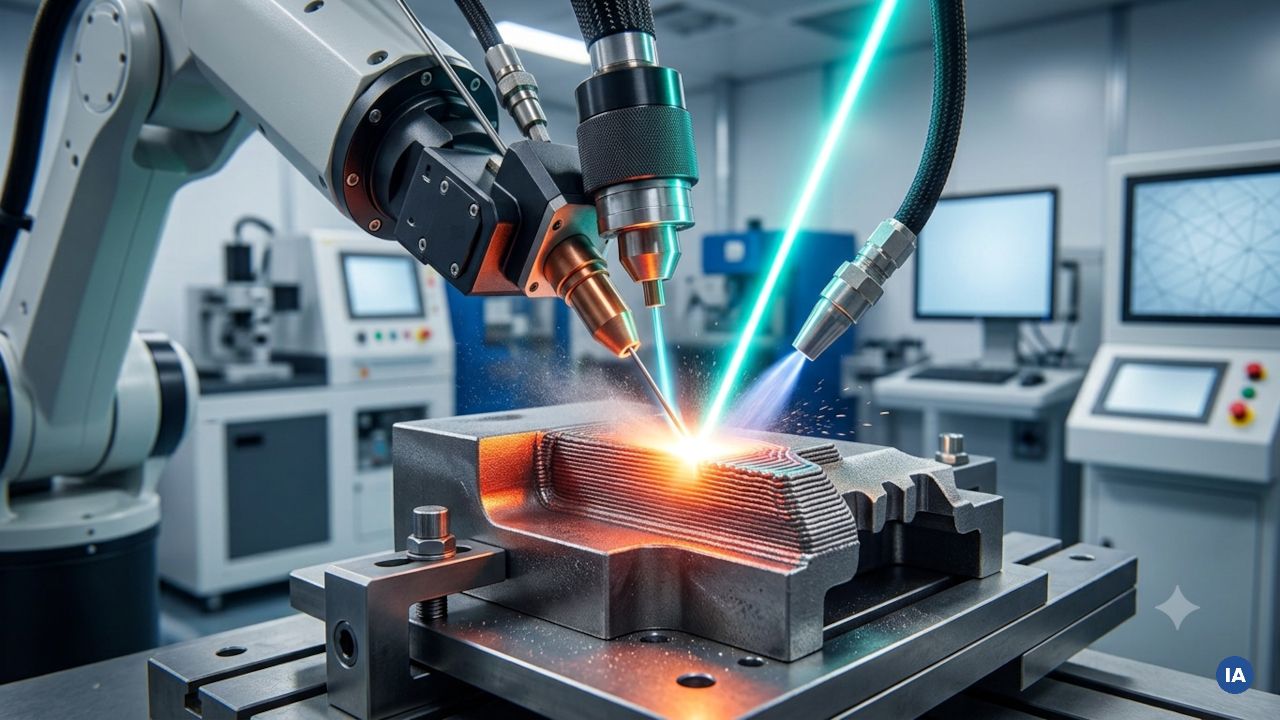
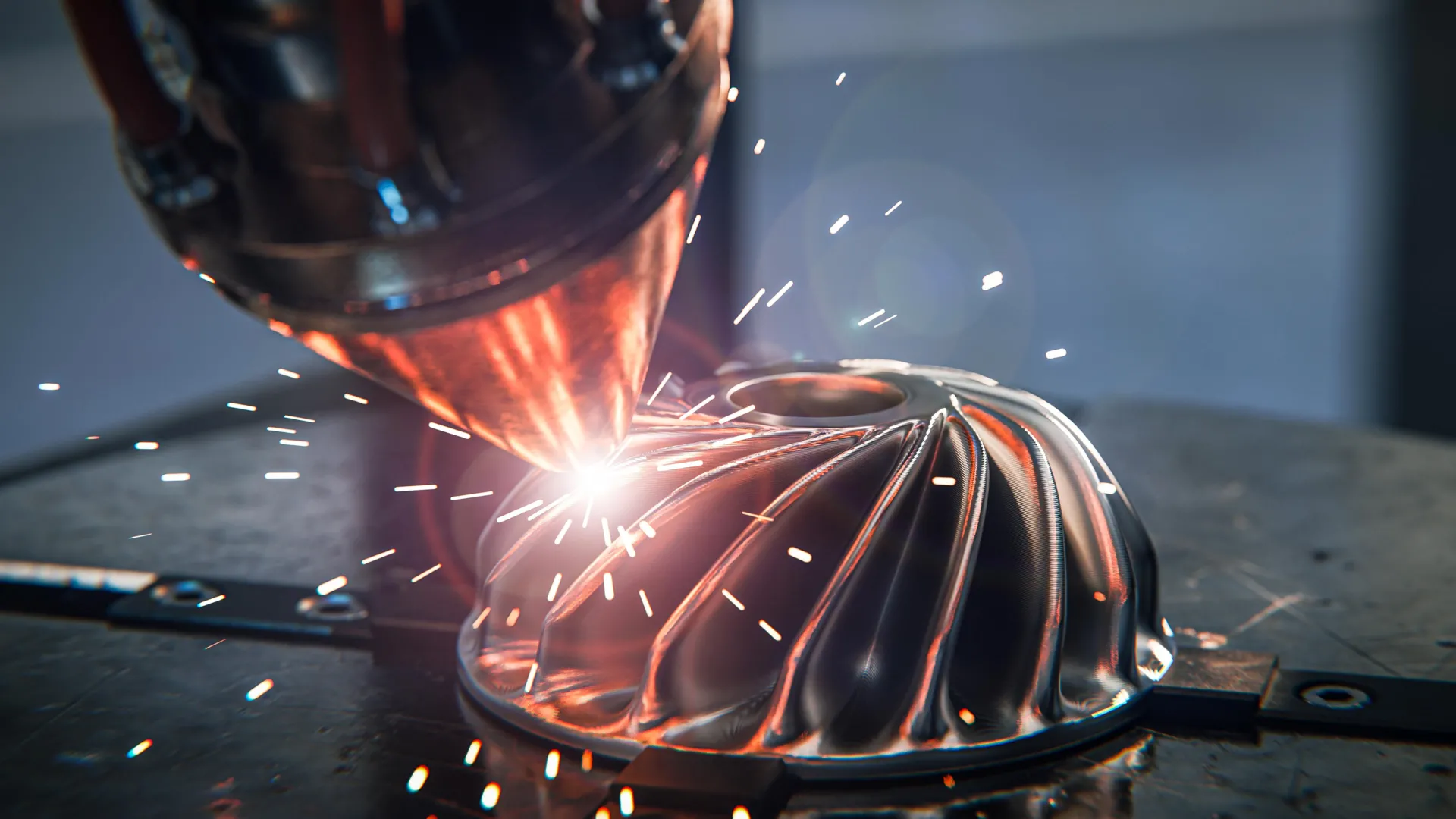
Researchers have now tested a different way to manufacture WC-Co cemented carbide using additive manufacturing (AM, also commonly known as 3D printing). Their approach could reduce waste and lower production costs while preserving the strength and hardness that make the material so useful.
The study was published in the International Journal of Refractory Metals and Hard Materials.
Why Tungsten Carbide Is So Valuable
WC-Co cemented carbides are widely used in applications that demand extreme hardness and resistance to wear, including cutting tools, drills, machining equipment, and construction tools. The material combines tungsten carbide, which provides hardness, with cobalt, which acts as a metallic binder that holds the carbide particles together.