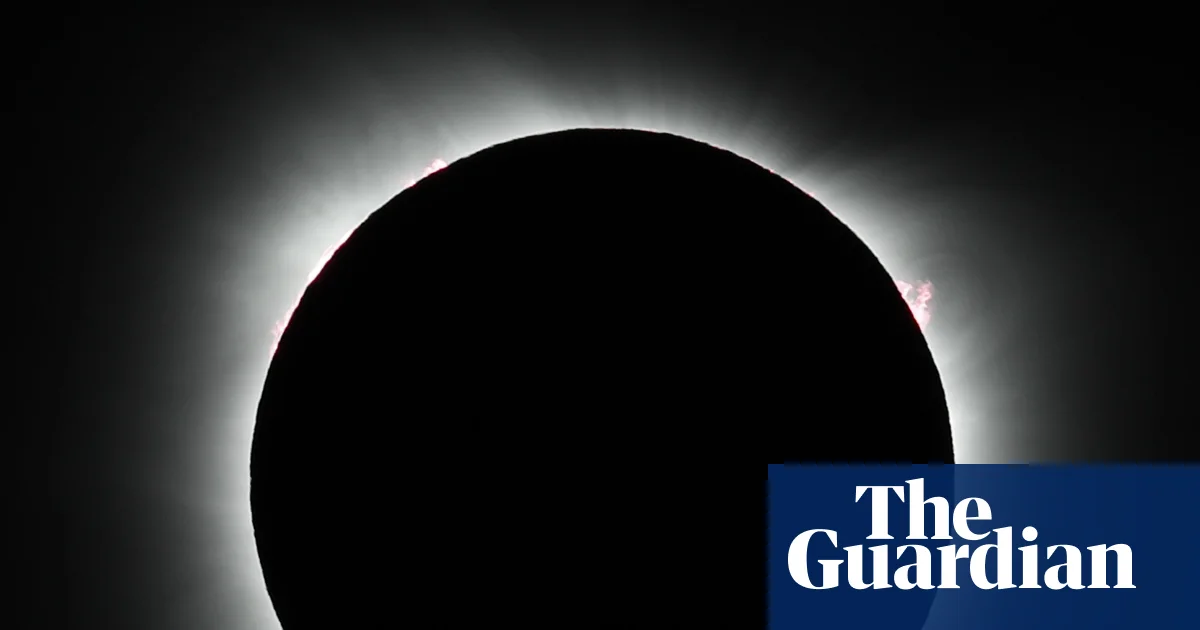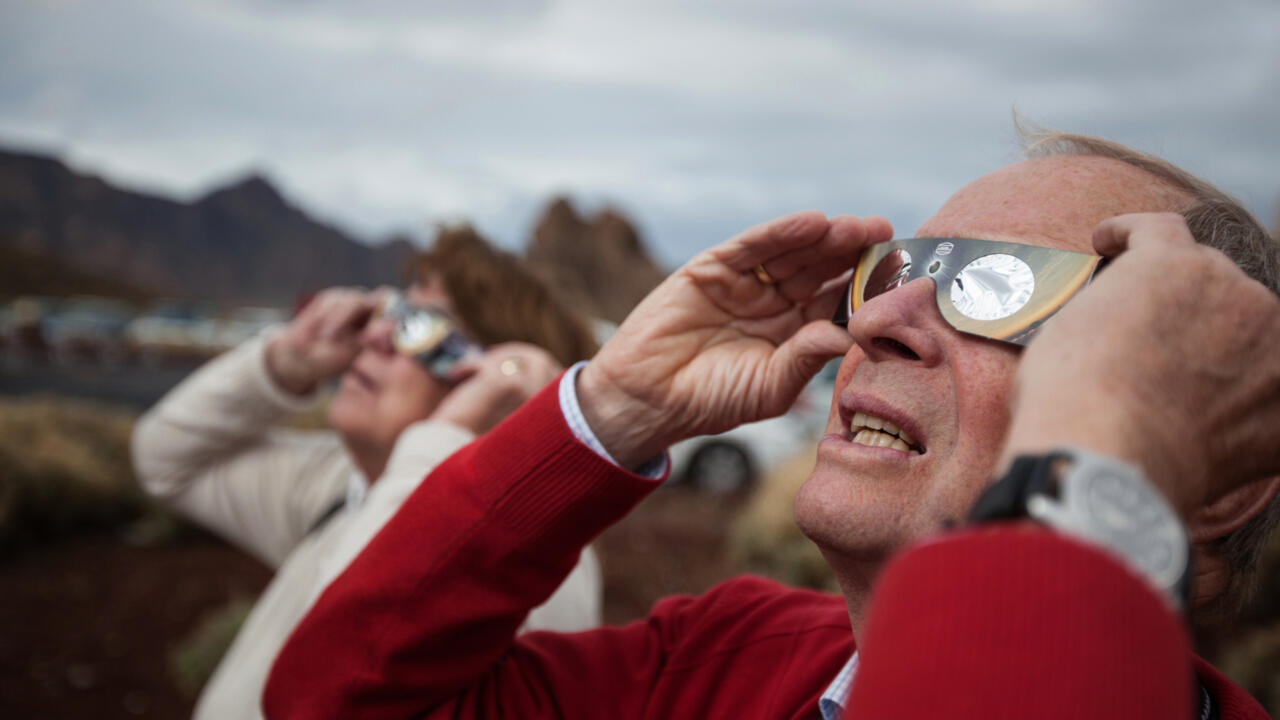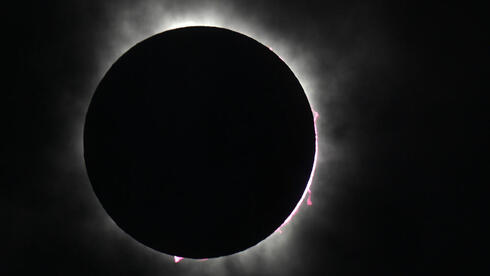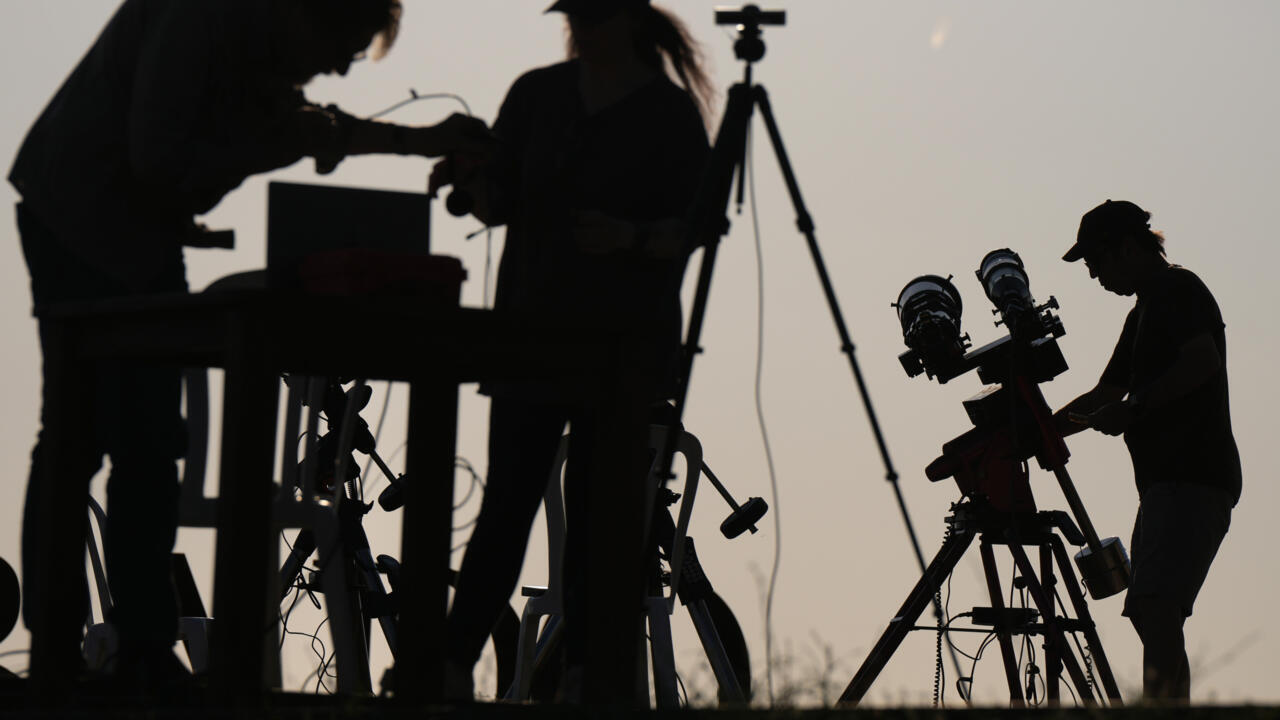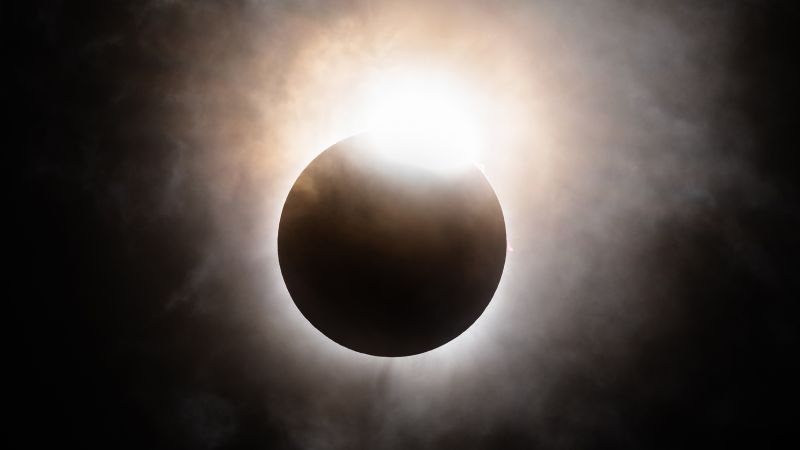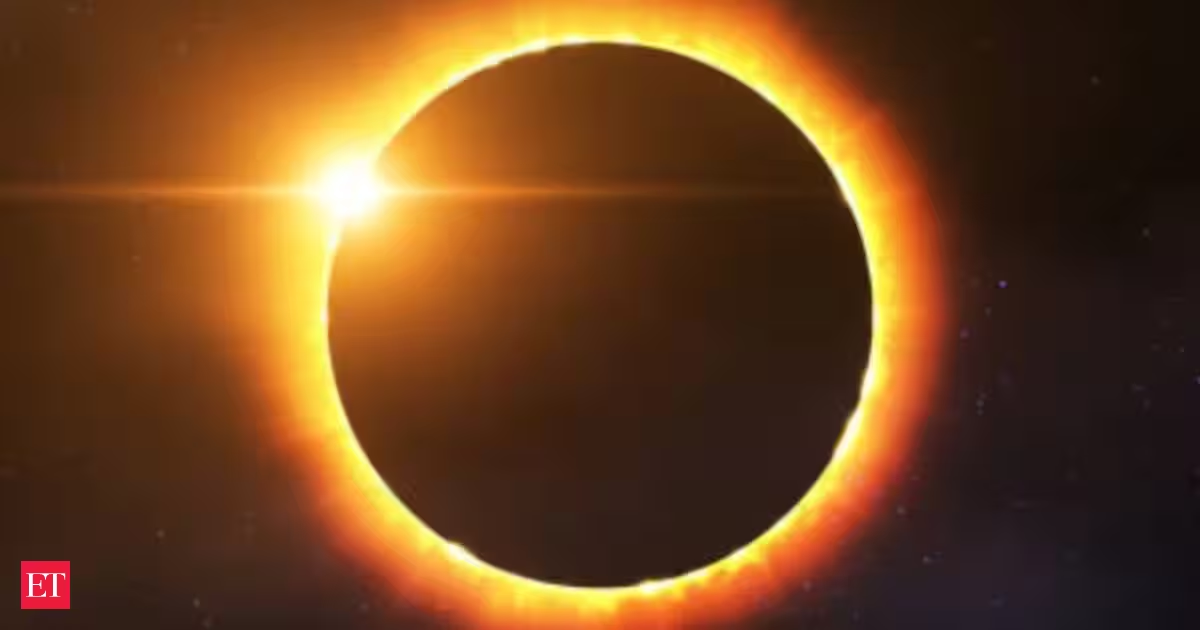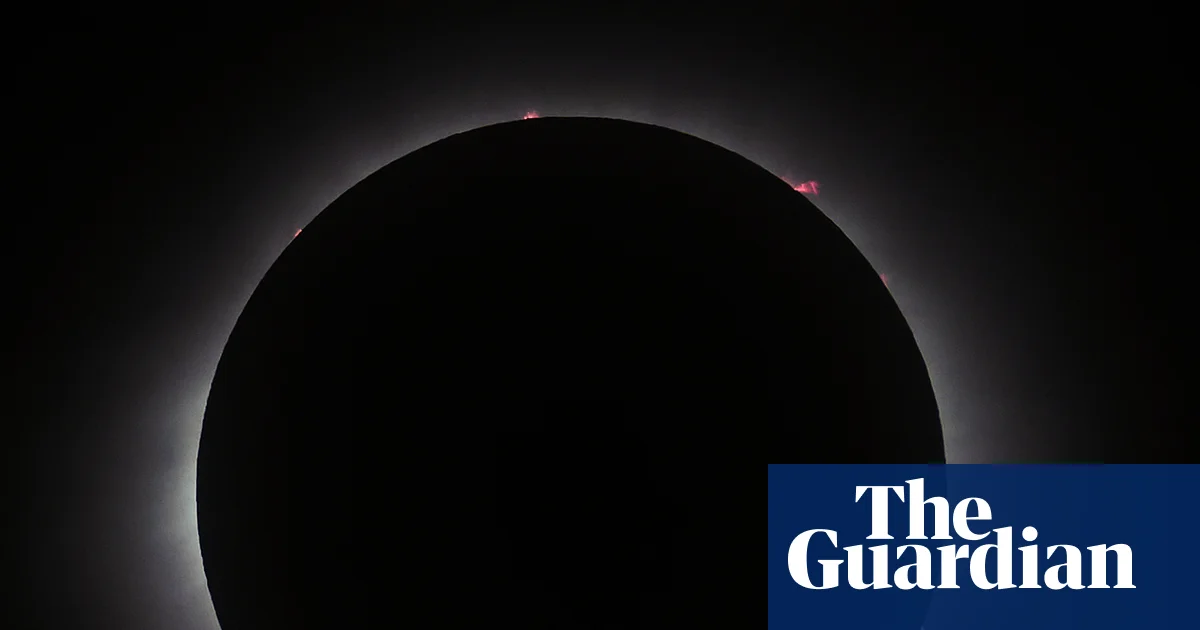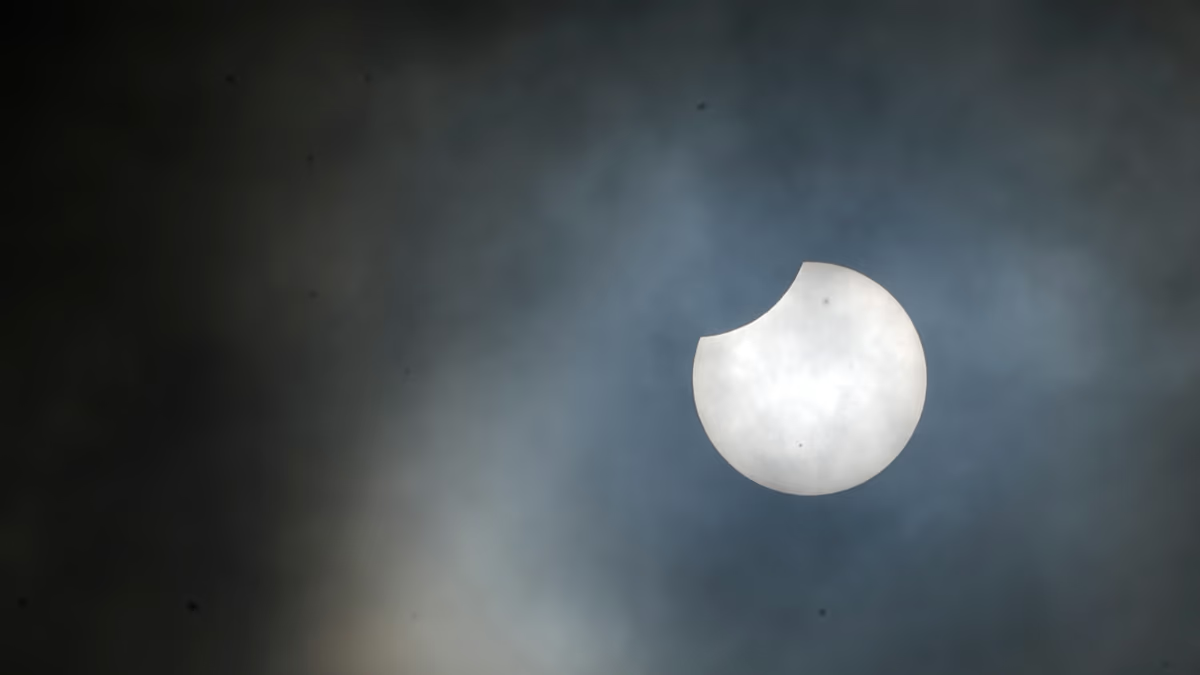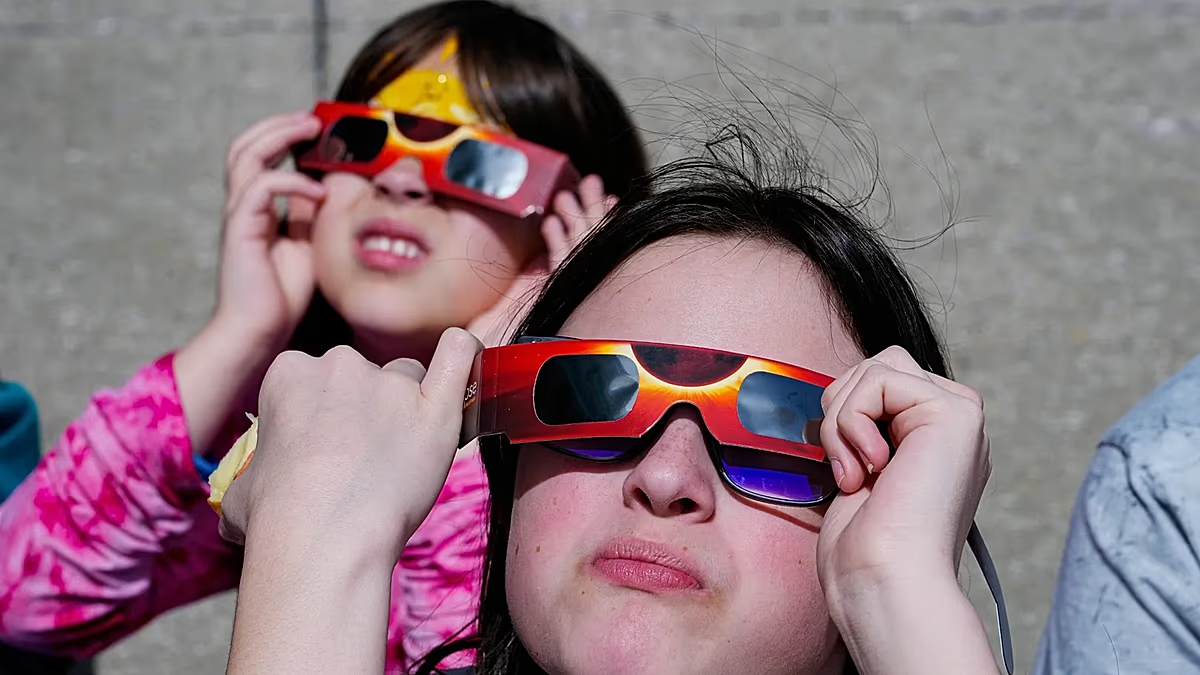
ToplineThe solar eclipse was visible for millions of people in Europe on Wednesday, as viewers in Iceland, Spain and northern Portugal lined up in the best areas to watch the total eclipse—where the moon completely passes over the Sun.Key FactsThe eclipse is expected to begin at 4:47 p.m. local time (12:47 p.m. EDT) in Reykjavik, Iceland, and the total eclipse will completely block the Sun at 5:48 p.m. local time, according to the city’s tourism organization.The total eclipse will end in the Icelandic capital just one minute later, and the partial eclipse will completely end around 6:47 p.m.Northern Spain and Portugal will also see the total eclipse—with a partial eclipse starting around 7:30 p.m. local time for most cities and a total eclipse blocking the Sun about an hour later, just before sunset.Spain is expecting up to 6 million tourists to watch the astronomical event, the country’s secretary of state for science Juan Cruz told Reuters, while its interior ministry is preparing to deploy an additional 25,000 police officers and over 100 aircraft for additional security.Other parts of Europe will see a partial eclipse block most of the Sun—Paris will see a 92% eclipse, London will see 91% and Berlin will see 85%.Viewers line up for solar eclipse glasses in Falmouth, England.Getty ImagesResearchers set up telescopes in Villalibado, Spain before Wednesday's total solar eclipse.AFP via Getty ImagesViewers line up around a block in Weymouth, England at 6 a.m. to purchase eclipse glasses.Getty ImagesResearchers collaborating with NASA prepare to livestream the total eclipse in Spain.Europa Press via Getty ImagesA woman tries on eclipse glasses in the Netherlands as viewers try to secure protective eyewear.ANP/AFP via Getty ImagesWhat to Watch ForMost of North America will miss the total eclipse, but a partial eclipse will still be visible for viewers in some parts of the U.S. and Canada. The eclipse will cover 37% of the Sun covered in Fairbanks, Alaska, 53% in St. John’s, Newfoundland and Labrador, 31% in Halifax, Nova Scotia and 28% in Fairbanks, Alaska. Other parts of the continent will see the moon cover a much smaller portion of the Sun, including 18% in Montreal, 16% in Boston and 10% in New York City.Further ReadingForbesSolar Eclipse And Perseids Peak: What Time To Watch In U.S. And CanadaBy Jamie Carter
Solar Eclipse Photos: Viewers Line Up in Europe To Watch
The Moon will completely block the Sun in Iceland, Spain and Northern Portugal, while other parts of Europe and North America will see a partial eclipse.
379 words~2 min read