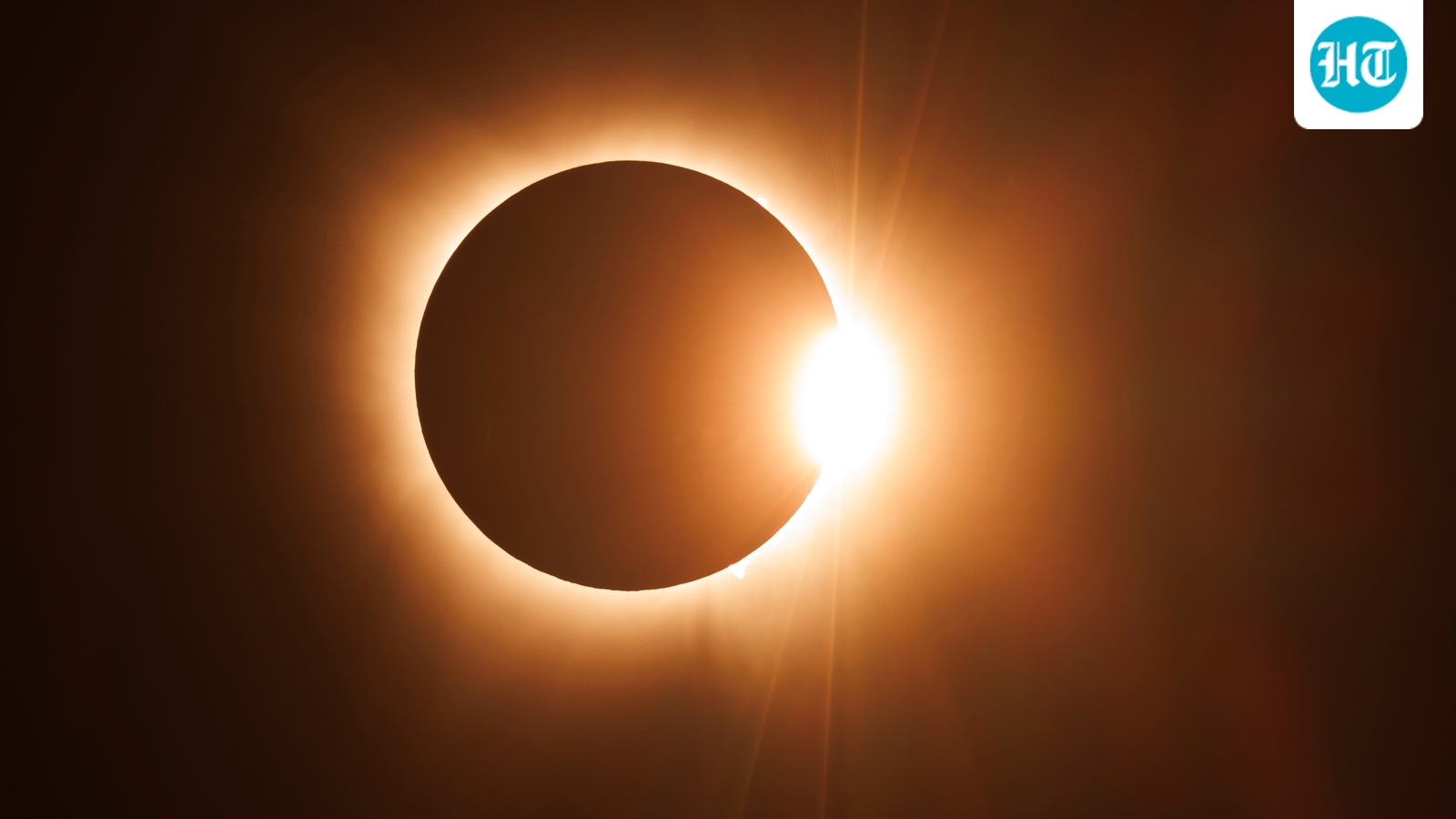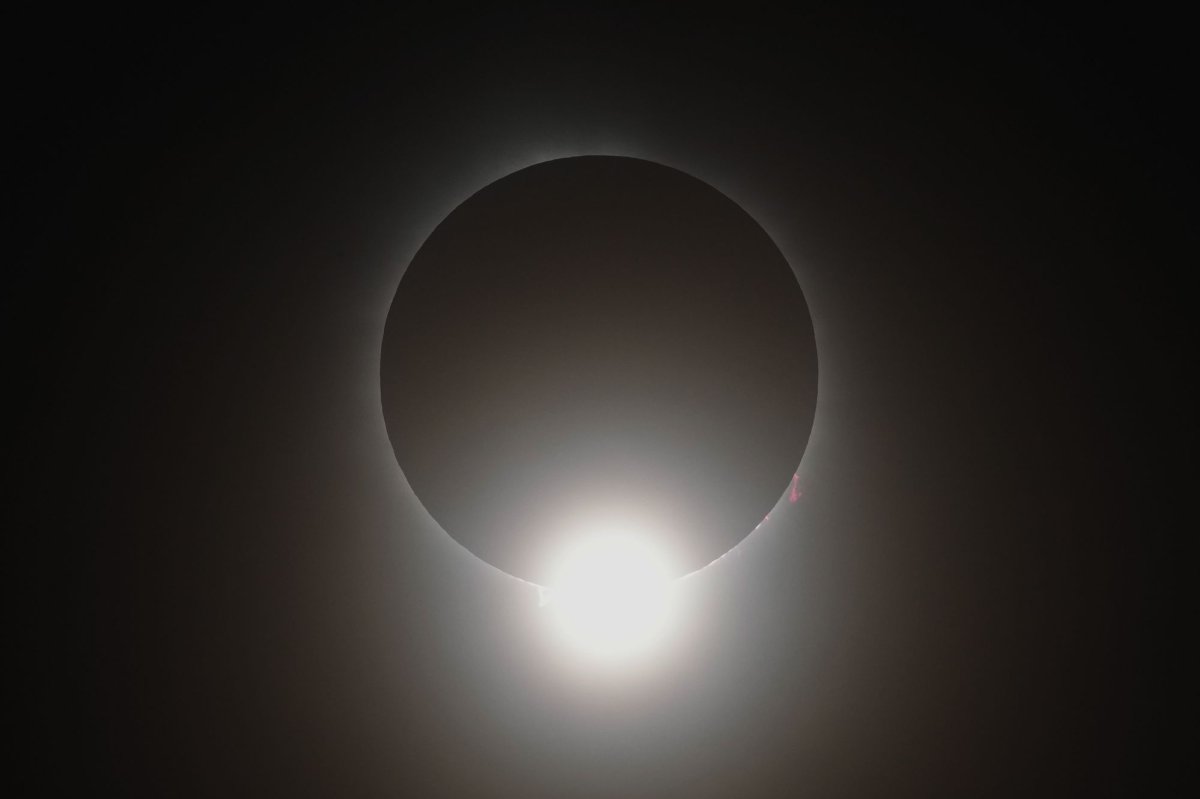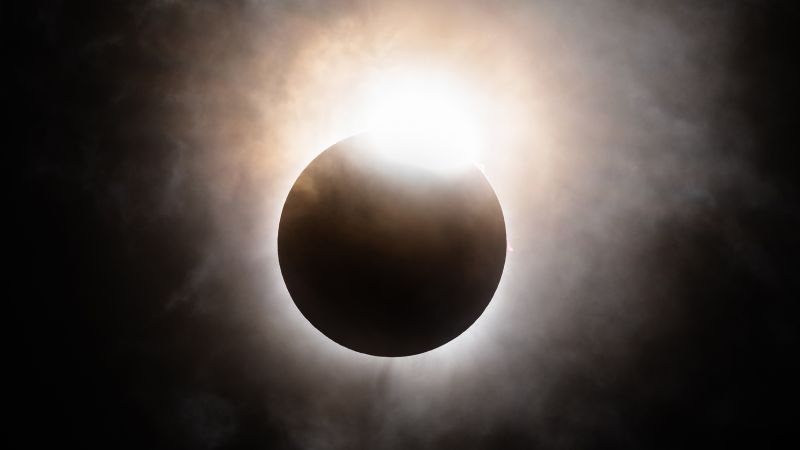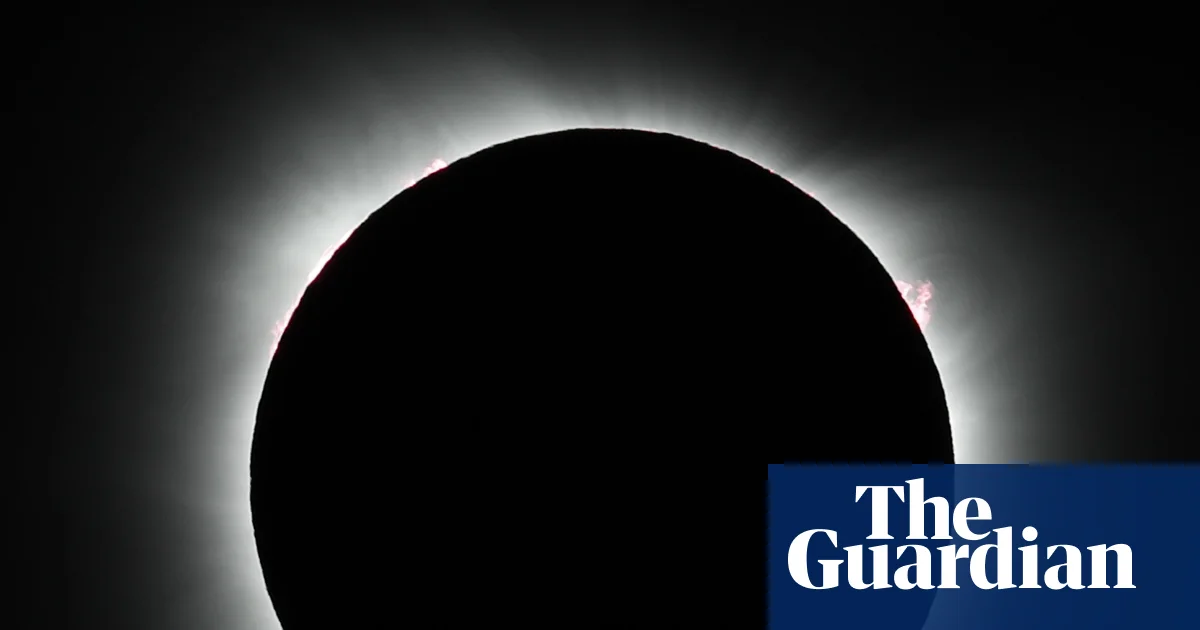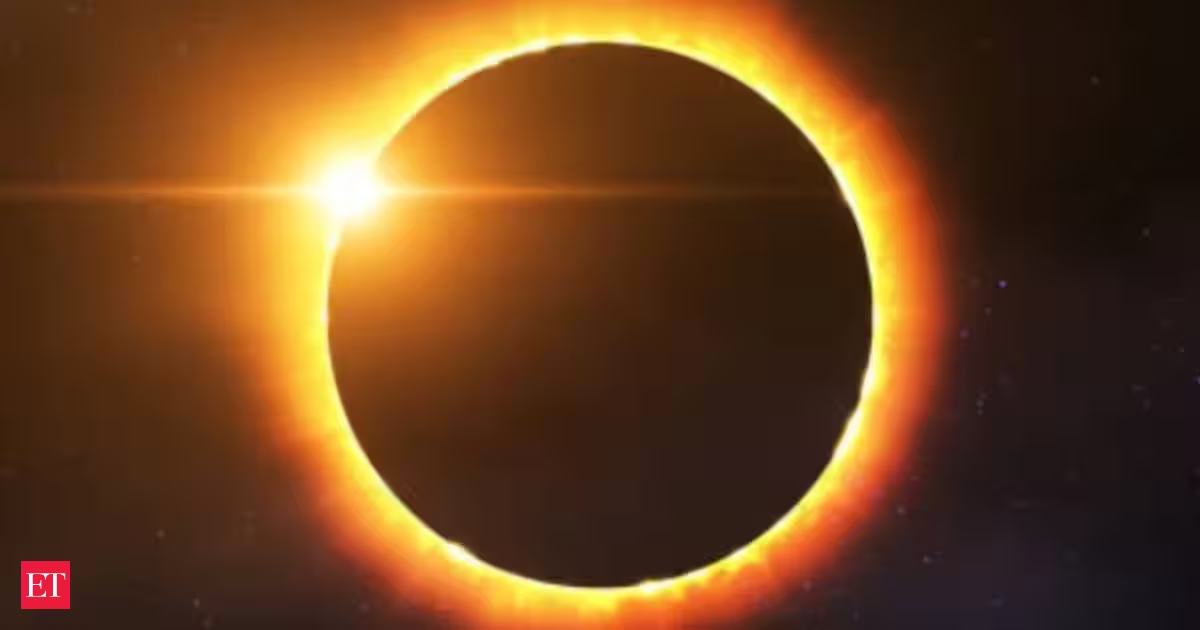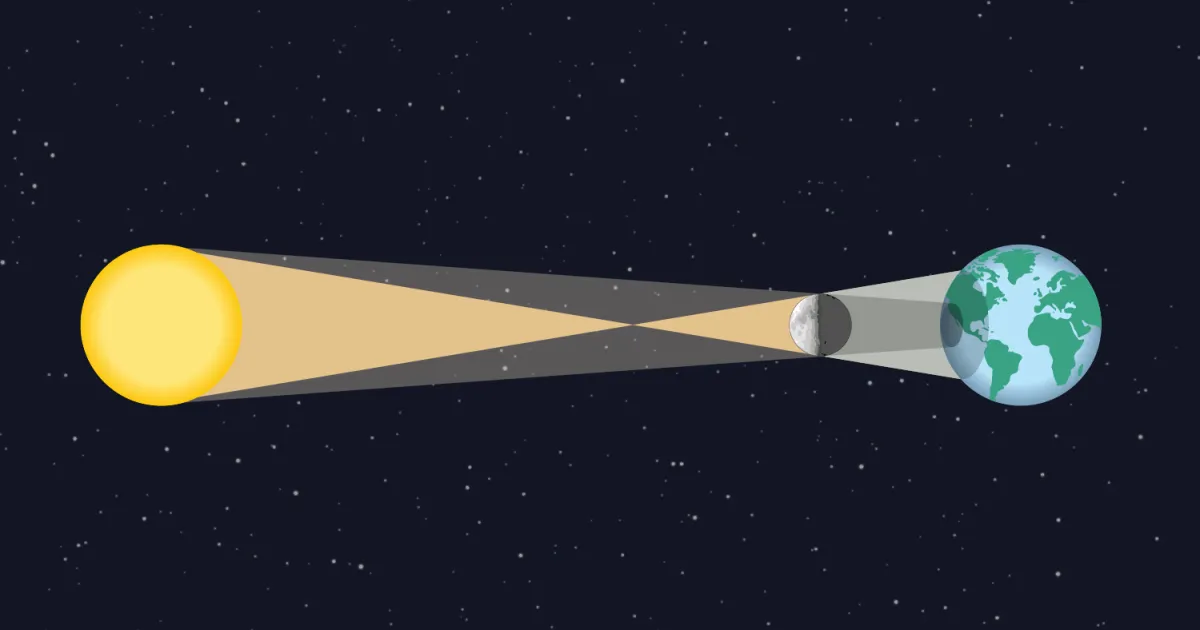
A solar eclipse occurs when the sun, the moon and Earth align, with the moon passing in front of the sun and blocking its light.During a total solar eclipse, the moon fully obscures the sun’s light and skies darken as if it were dawn or dusk. Weather permitting, the sun's outer atmosphere, which is normally obscured by the bright face of the sun, becomes visible during the moments of totality.In a partial solar eclipse, the moon blocks only part of the sun’s light, appearing to take a bite out of it.Another type of solar eclipse, known as an annular solar eclipse, occurs when all three celestial bodies align when the moon is at or near its farthest point from Earth. Because of this distance, the moon does not completely cover the sun. Instead, it appears as a dark disk on top of a brighter disk, an effect that leaves an orange-reddish ring around the moon.
Solar eclipse live updates: Path of totality to cross parts of Europe within hours
Follow the latest 2026 solar eclipse news as parts of Europe experience a total eclipse. Learn more about the path, how to watch and what to expect.
155 words~1 min read