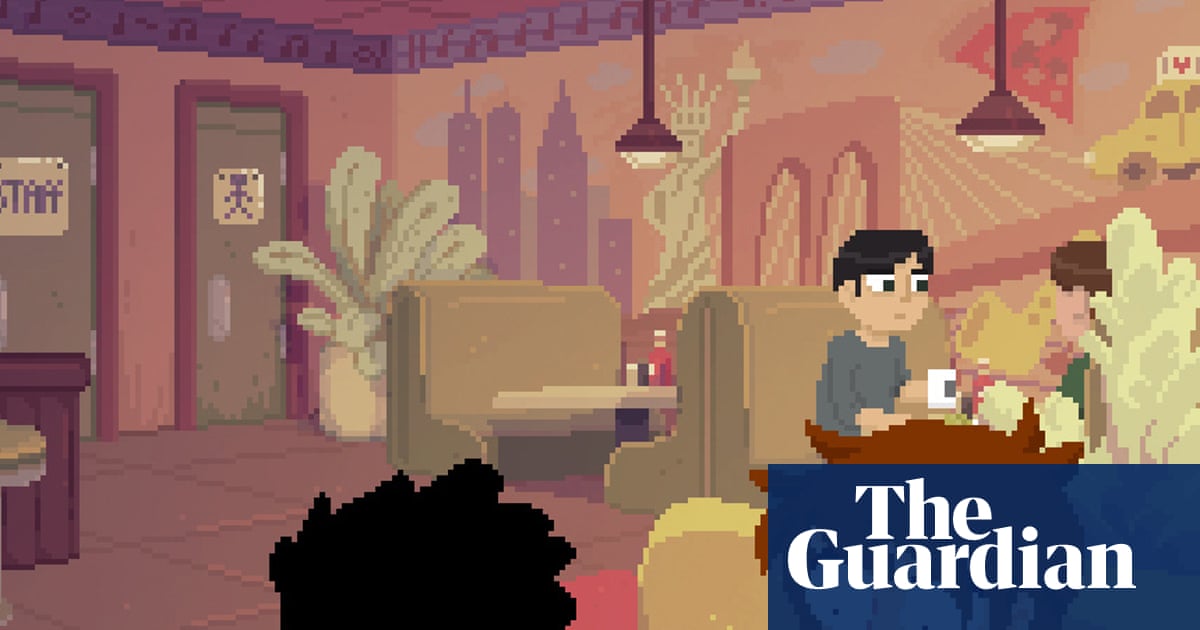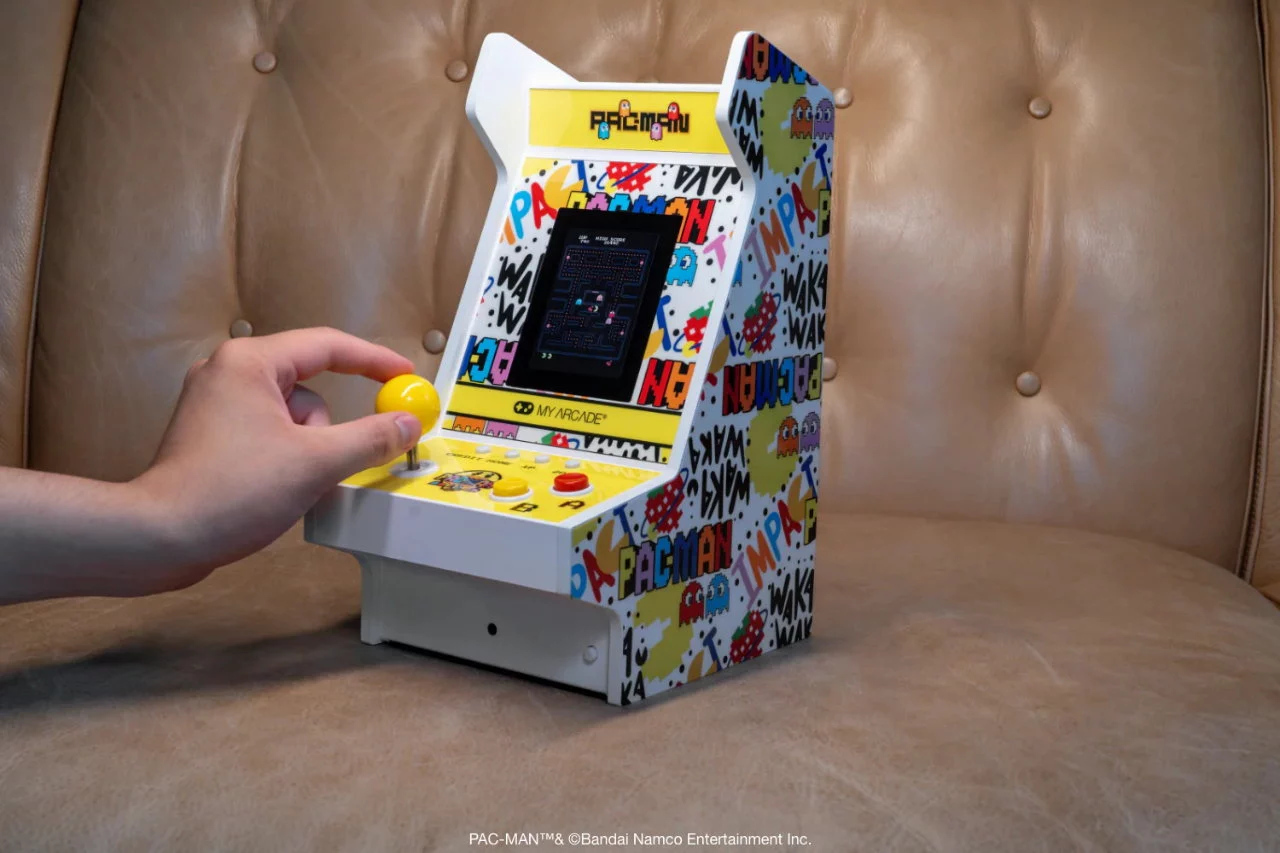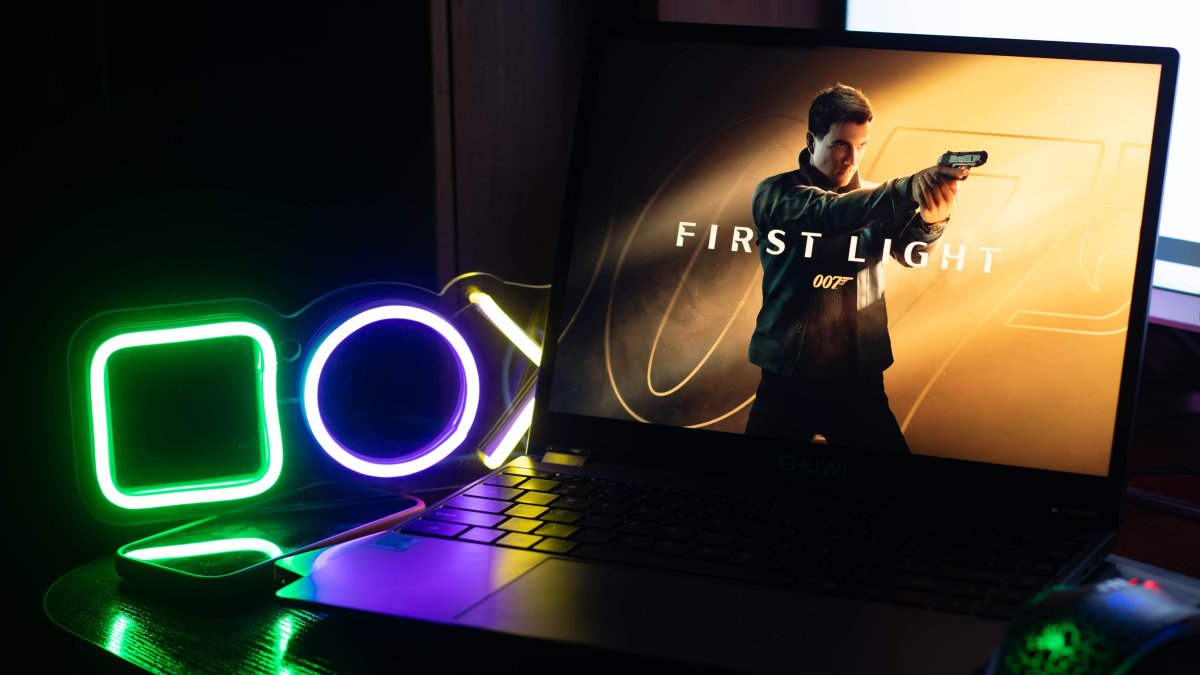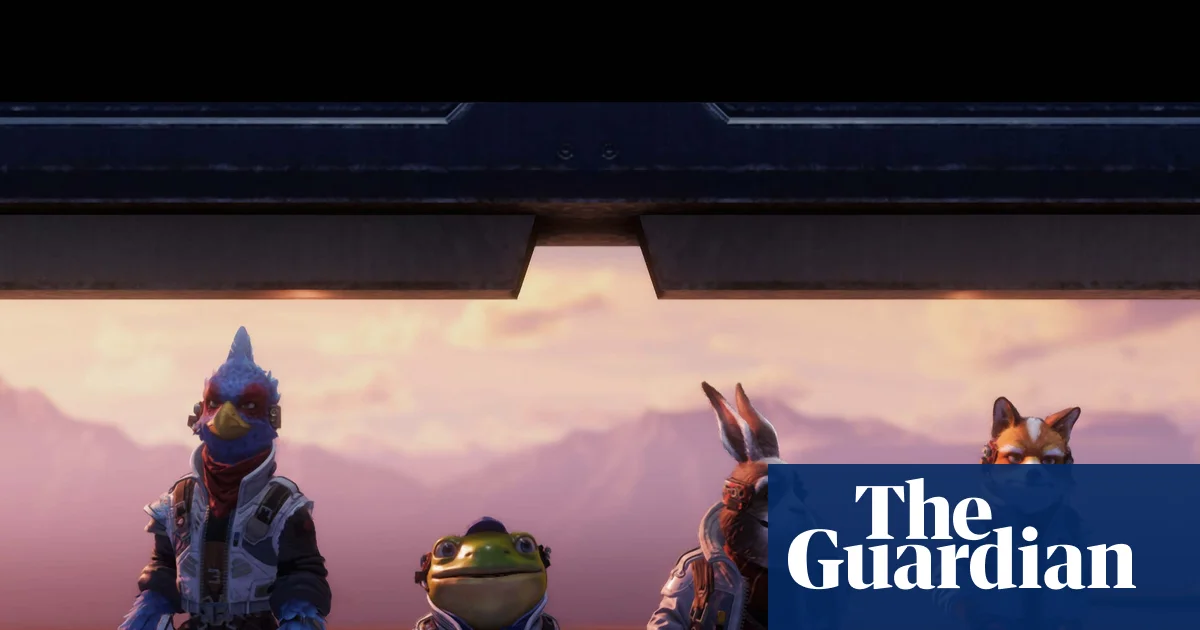
As much as some people more or less cease to listen to new music in their 30s, I have noticed a retreat to safe, familiar gaming territory among some of my fellow millennial gamers.Retro collections are started, or resumed; jewel-cases of PS1 classics or cardboard boxes with SNES or Mega Drive games have started to colonise the living-room shelves. People are replaying things from their university days, or sticking to comfort games such as Stardew Valley. Many of the friends I used to game with never bothered to pick up a PlayStation 5 at its launch, and now that current-generation consoles are becoming prohibitively expensive, they see no need. With thousands of great older games, why bother playing something new?My job, and an insatiable desire for novelty, has kept me in constant contact with new games, but nonetheless, I have been spending a lot of time lately with the titles I played in my youth because people keep remaking them. Lylat Wars (N64, 1997) and Halo: Combat Evolved (Xbox, 2001) have both had summer 2026 glow-ups, in the form of Star Fox on Switch 2 and Halo: Campaign Evolved on the other consoles and PC. These are games I played for many, many hours back in the day, and I remembered them beat for beat (or so I thought – it turns out I did not remember how to navigate the deadly lava planet that ended my first Star Fox run).I was not enormously enthused by the prospect of either remake, because I’d rather play an original game in either of these series than rehash my rose-tinted recollections from 25 years ago (let’s just gloss over how old that makes us feel, shall we?). But, it turns out all those years have given me a fresh perspective. Both of these remakes are very good. And not just because I played them at the time and remember them fondly, but because each of them does things that new video games don’t. They feel novel, because in 2026, they are.When was the last time you played an arcadey on-rails space shooter? When was the last time you enjoyed an atmospheric single-player FPS with intelligent computer-controlled enemies? These genres have fallen out of fashion – space games are now wide-open exploreathons such as No Man’s Sky (which celebrates its 10th anniversary this week), and multiplayer shooters have crowded single-player ones out almost entirely. In this context, Star Fox and Halo feel fresh. They’re not awkward transplants from another time.Halo: Combat Evolved (2011), a game that has had a ‘summer glow-up’ this year. Photograph: Bungie StudiosNeither game really needed all that much massaging. Velan Studios in New York, entrusted with a characterful if visually basic Nintendo 64 shooter, has changed almost nothing about it: we fly through the same webbed map of planets, with the same enemies and bosses, firing off the same simple yet effective lasers and bombs and flight manoeuvres. A Star Fox playthrough takes maybe 60 to 90 minutes and you can play it over and over, like a generous arcade cabinet. In reconstructing the game, Velan has made it look very beautiful, spliced in some new cutscenes and dialogue, and added multiplayer and challenge modes that give some structure to your replays, but quite miraculously, it barely feels different. And it’s great.Halo: Campaign Evolved deviates more from Bungie’s original space opera. It’s been rebuilt in Unreal Engine 5 with different vehicle handling and more overwrought cutscenes. But the essentials remain: high drama, perfect weaponry, and intelligent enemies that react interestingly to how you play, diving out of the way of fire or ordering a change of tactics. I never minded dying, because each firefight would be different on every playthrough. I still hate the Flood – the mindless zombies that infect the game from the midway point onwards – but despite their unwelcome incursion, I had a blast playing through this game again with my partner. I haven’t played a better co-op multiplayer game than the original Halo in all the years since, which is honestly quite sad.I have no desire for things to return to the way they were in the late 90s and early 00s; despite its expansion and consequent unwelcome corporatisation as a business, gaming as an art form is far broader and more interesting now than it was then. But these remakes show there are things to be learned from the games of the past, and a lot that is enviable about their design philosophy. Old games don’t necessarily need to be fixed to be appreciated anew. Refreshing them is often enough.What to playA ‘comforting rhythm and purpose” in Pokémon Pokopia … Photograph: Game Freak/The Pokémon Company/Koei TecmoI truly thought I was done with Pokémon Pokopia, having spent 40 hours with it back in March. When I downloaded the new expansion – an underwater area called Bubbly Basin, which turns out to be the ruins of Cerulean City, home to Misty from Pokémon Red/Blue – I did not expect to be consumed by it yet again. The rhythm and purpose of this game is just so comforting: explore, restore, revive. I have enjoyed it so much that I went back to the rest of the game with new enthusiasm for attracting new Pokémon and rebuilding the ruined planet that humans left behind for them.Available on: Nintendo Switch 2
Why we’re going back to the games of our youth
As millenials return to the games of their youth, remakes of Star Fox and Halo suggest there is still plenty to learn from the past
1,339 words~6 min read