Nostalgic millennial parents are increasingly keen to replicate their own childhoods. But were the 90s as blissful as we remember?
W
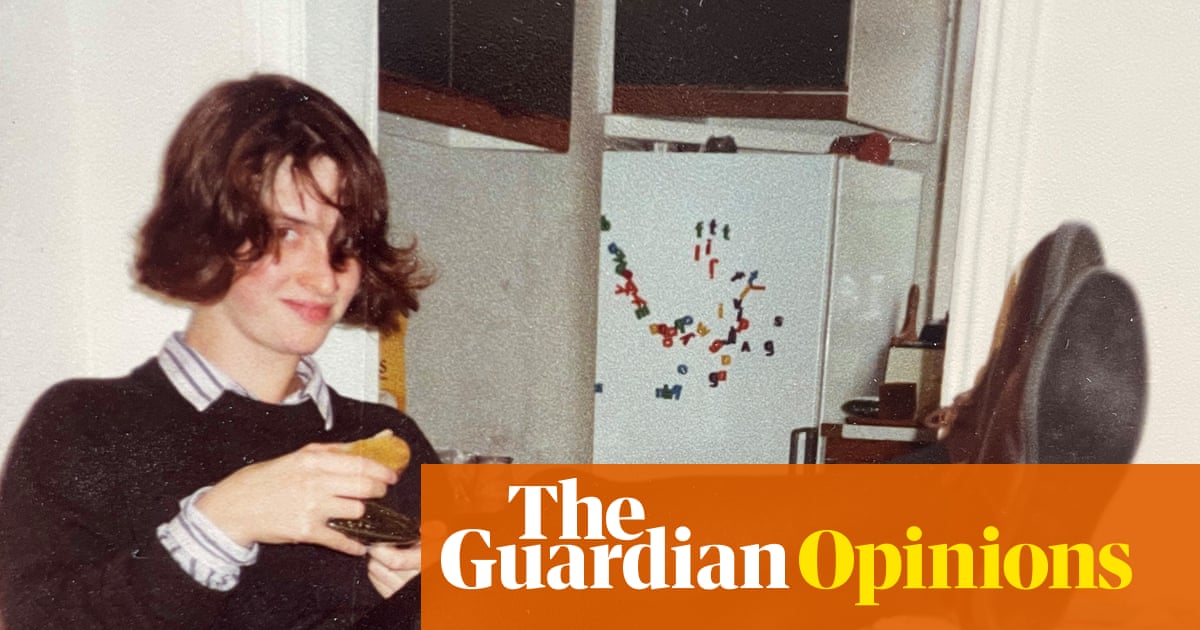
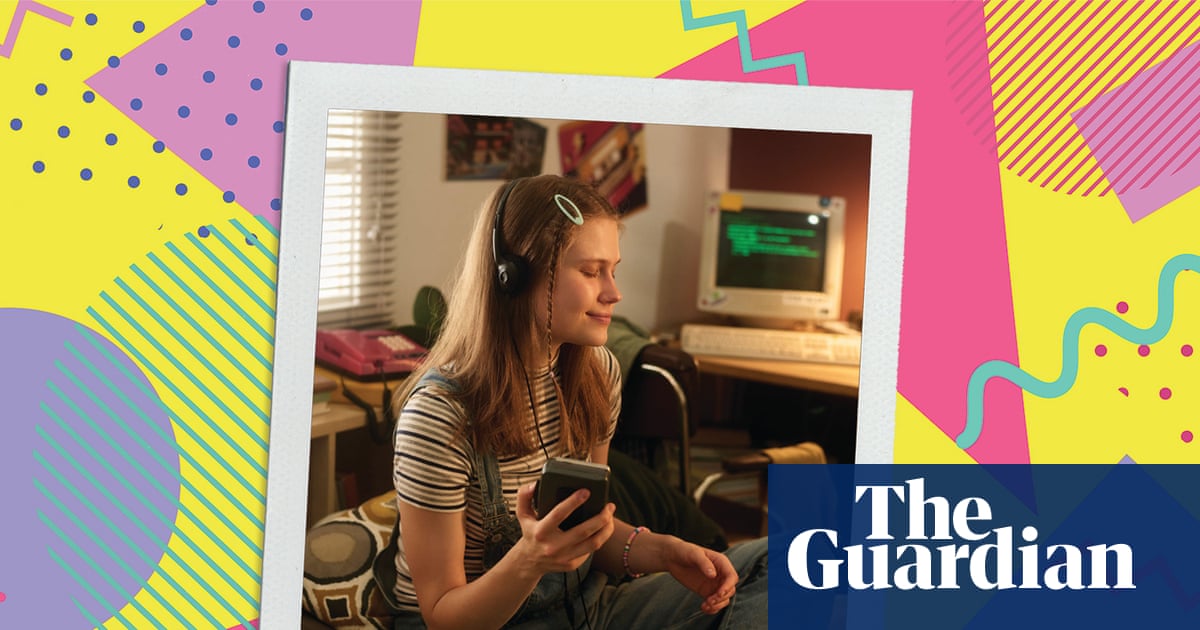
hen I look back on my 1990s childhood, it’s hard not to feel nostalgic. We roamed for miles without supervision, riding our bikes, building dens and swimming in streams. After school, we did crafts or played board games and, though the internet existed, my parents would boot me off to use the landline. Media was tangible – tapes, CDs, VHS – and often consumed as a family. I still recall the thrill of going to the video shop to choose a film.
It’s normal to feel like this, especially once you have babies of your own, and the social media algorithms know it. In the three years since I had my son and started writing the Guardian’s Republic of Parenthood column, I’ve noticed a huge upswing of interest in “90s parenting” and, this year, the trend seems to have exploded. Former 90s kids are in the thick of it, trying to work out how to parent our own children. There’s a feeling that huge advances in technology have resulted in a commensurate loss. But what of? Is it possible to get it back? And was parenting really better back then?
“Yes. Full stop,” says Justin Flom, a father of two and content creator based in Las Vegas, who built a replica Blockbuster video store for his daughters in one of the rooms of his house. “The whole family would pile into the car, head to the video store and roam the aisles while deciding what to watch,” he says of his own childhood. “It felt exciting, full of possibility. Scrolling online just isn’t the same.” There’s something about going to a physical place to choose a film together, as well as the anticipation and the delayed gratification when finally watching, that made it feel like an event. “Everyone remembers that blue and yellow sign, the carpet, the ritual of choosing a movie together.”