If you’re old enough to remember the smell of slightly singed electronics and the sticky floors of a 1990s seaside arcade, you’ll know that gaming used to be a very different beast. Back then, we didn’t have the luxury of saving our progress to a cloud or watching a three-hour cinematic intro. You had a handful of 10p coins, a joystick that had seen better days, and a screen filled with glowing blocks. It was simple, loud, and incredibly social.
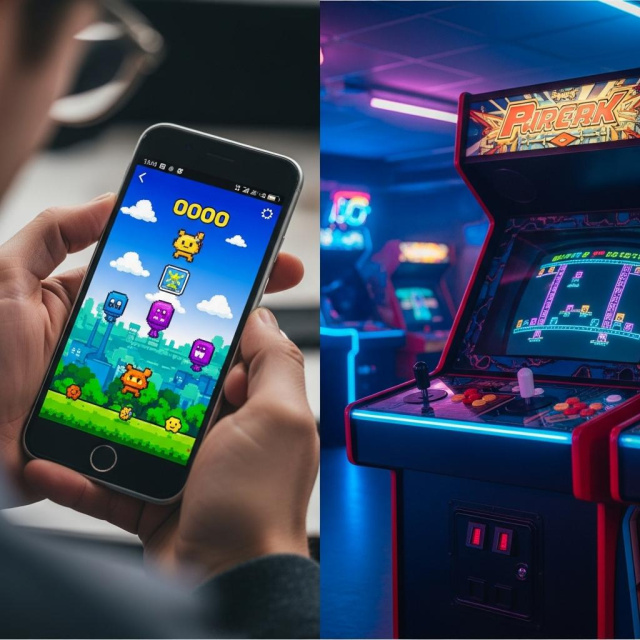
What’s fascinating is how much of that old-school DNA still runs through the games we play on our phones and laptops today. We might have traded the bulky cabinets for sleek touchscreens, but the core mechanics that kept us hooked in the 8-bit era haven't gone anywhere. They’ve just evolved to fit into our busy, modern lives.
The DNA of Pick-Up-and-Play
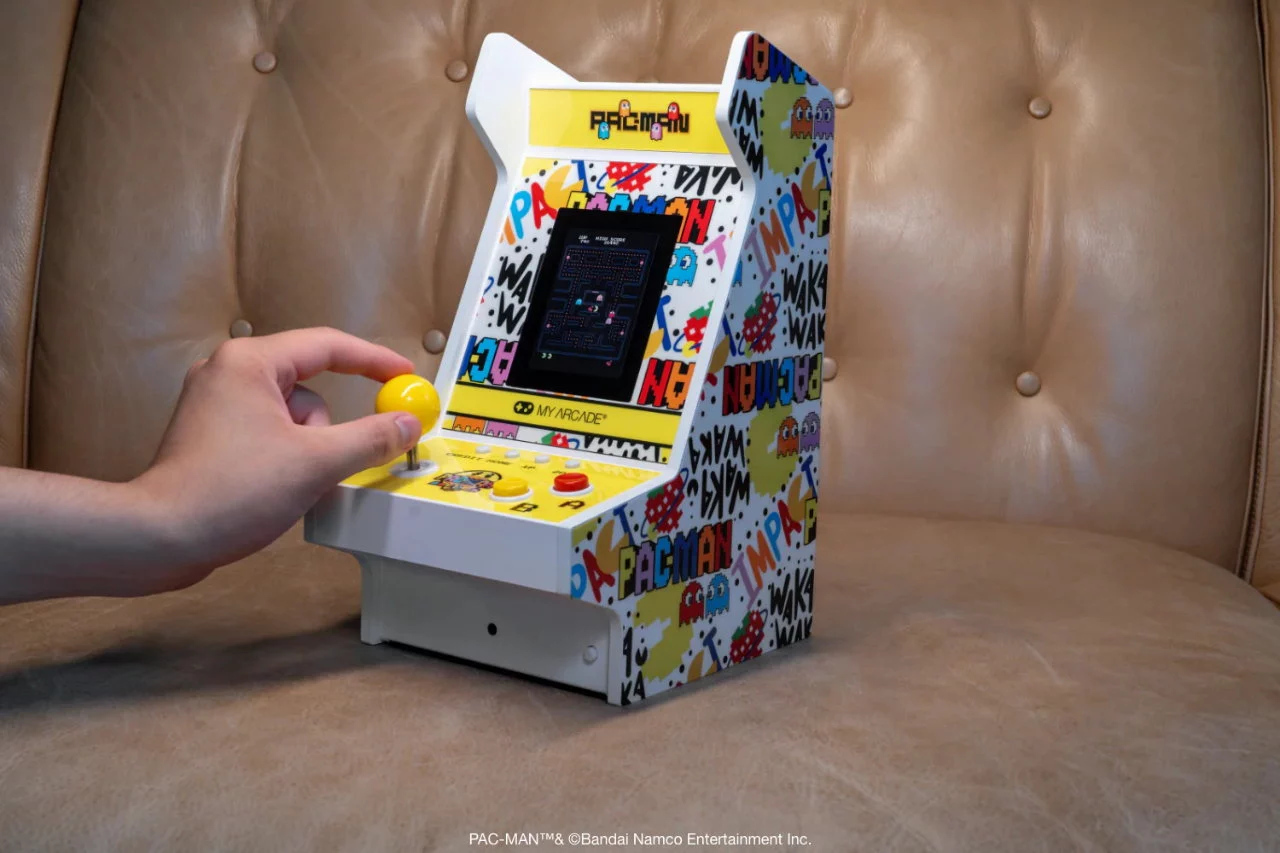
The genius of the 8-bit era was its brutal simplicity. Because hardware was limited, developers couldn't rely on flashy graphics or complex storylines. They had to nail the "gameplay loop" immediately. Think about Pac-Man or Tetris. You didn't need a manual to understand what to do. You just picked up the controller and played.
This established what I like to call the dopamine loop of casual gaming. You perform a simple action, you get an immediate reward (a sound effect, a score increase, or a cleared line), and you feel that little surge of satisfaction. It’s a cycle that’s incredibly hard to break. Many of us have experienced that "just one more go" feeling at 2 AM, whether we’re trying to beat a high score in an arcade or matching three gems on a smartphone app.