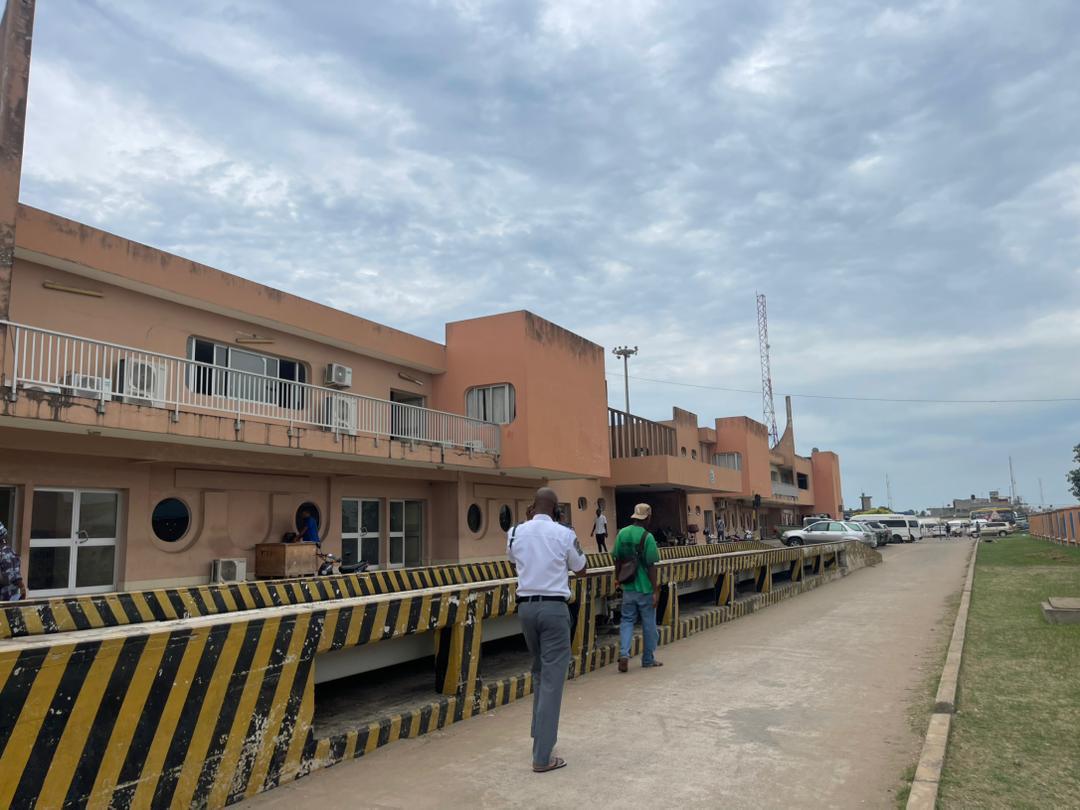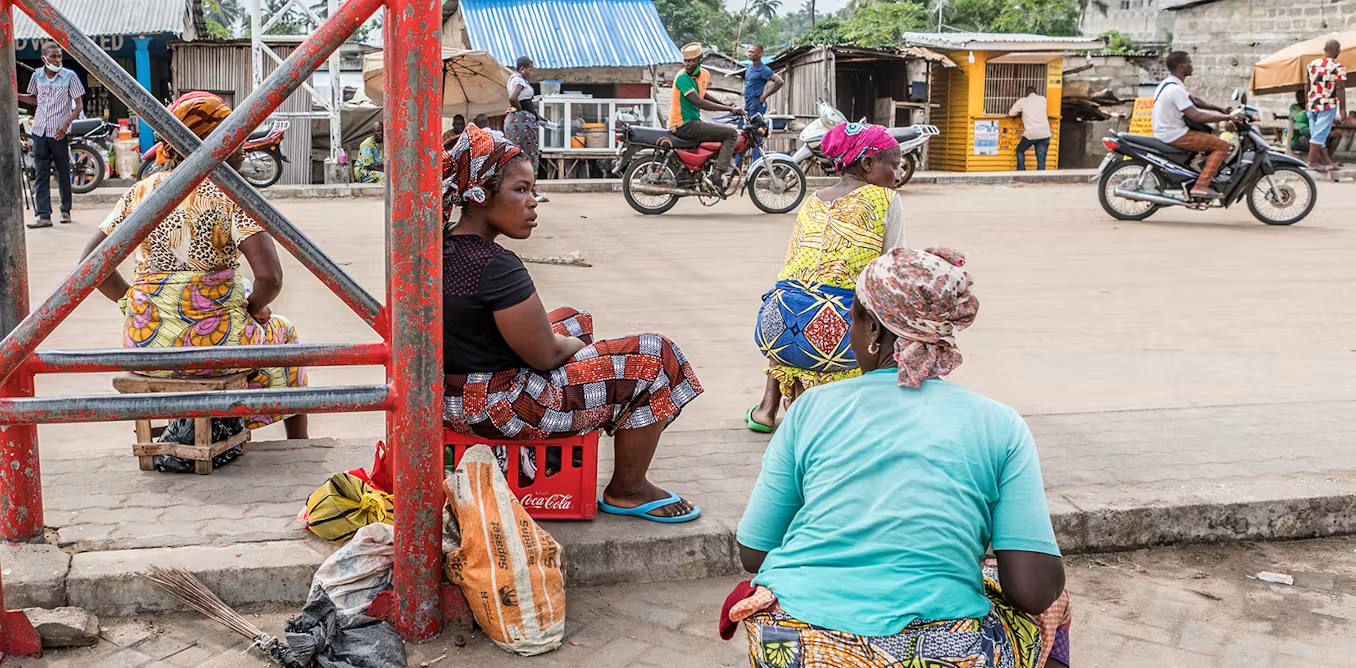
Border closures don’t always produce the intended objectives. The idea is usually to control illegal movements and prohibited goods, lessen informal trade, reinforce customs operations, and regain control of national borders. But history shows that in cases as diverse as England, the Asante Kingdom, the US and colonial Nigeria/Benin, stiffer border regulations can instead bring about smuggling and multiply criminal networks.
Where people share ethnic, language and kinship ties across state boundaries, closures disrupt everyday livelihood structures. Where state institutions are weak, corruption disrupts the enforcement processes. The rules become a means of private gain. Closures create artificial scarcity, inflate operational hurdles and drive demand towards underground operators and networks.
Nigeria presents a rich case to explain how border closures work in unstructured, corruption-prone and vulnerable economies.
I’m a peace, conflict, security and development researcher with an interest in border and security politics. In a recently published research article we show that Nigeria’s 2019 border closure did not disrupt or destroy smuggling networks. It reorganised them. The policy increased informal interactions at checkpoints, multiplied illegal routes, and heightened unrestricted power of poorly supervised state agents.