When most Nigerians think about the Nigeria Customs Service (NCS), they think about revenue collection at the nation’s seaports, airports and land borders.
Yet behind the billions of naira generated annually lies another mandate that has become increasingly critical as insecurity deepens across the country: preventing the flow of illegal arms, narcotics, petroleum products, counterfeit medicines and illicit financial flows that sustain organised crime and undermine national security.
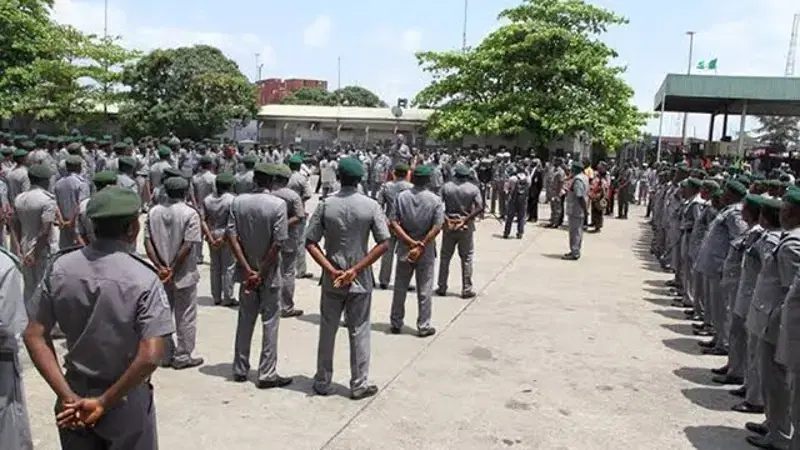
Over the past three years, the Service has shifted from traditional border enforcement to intelligence-led operations, combining technology, inter-agency collaboration and data analytics to target sophisticated smuggling networks. The objective is no longer simply to intercept contraband, but to dismantle the criminal supply chains that fuel banditry, terrorism, kidnapping and economic sabotage.
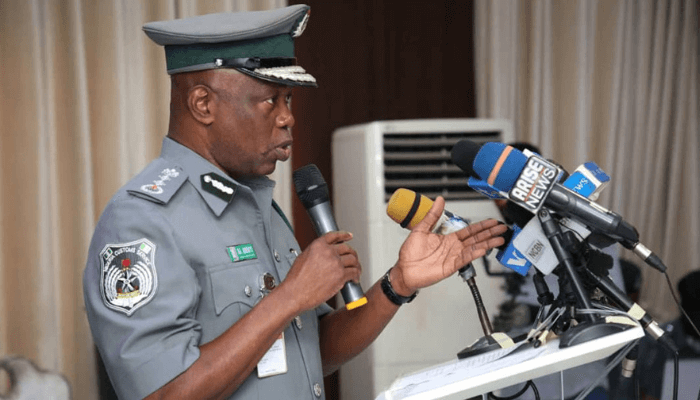
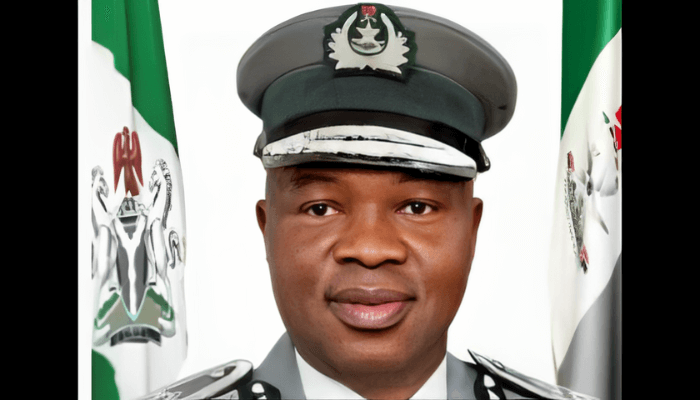
For Bashir Adewale Adeniyi, comptroller-general of Customs, the impact of anti-smuggling operations cannot be measured only by the value of seized goods.
“What is well recorded is the scale of specific interceptions,” he said, pointing to 40 shipments of unauthorised pharmaceuticals comprising 175,676 pieces and 6,271 cartons of counterfeit drugs worth N3.04 billion, thousands of pump-action rifles and rounds of ammunition intercepted over the years, more than 14,000 parcels of cannabis sativa seized in a single Zone A operation, almost 200,000 litres of petroleum products intercepted in Adamawa under Operation Whirlwind, and undeclared foreign currency worth hundreds of millions of naira seized at airports.