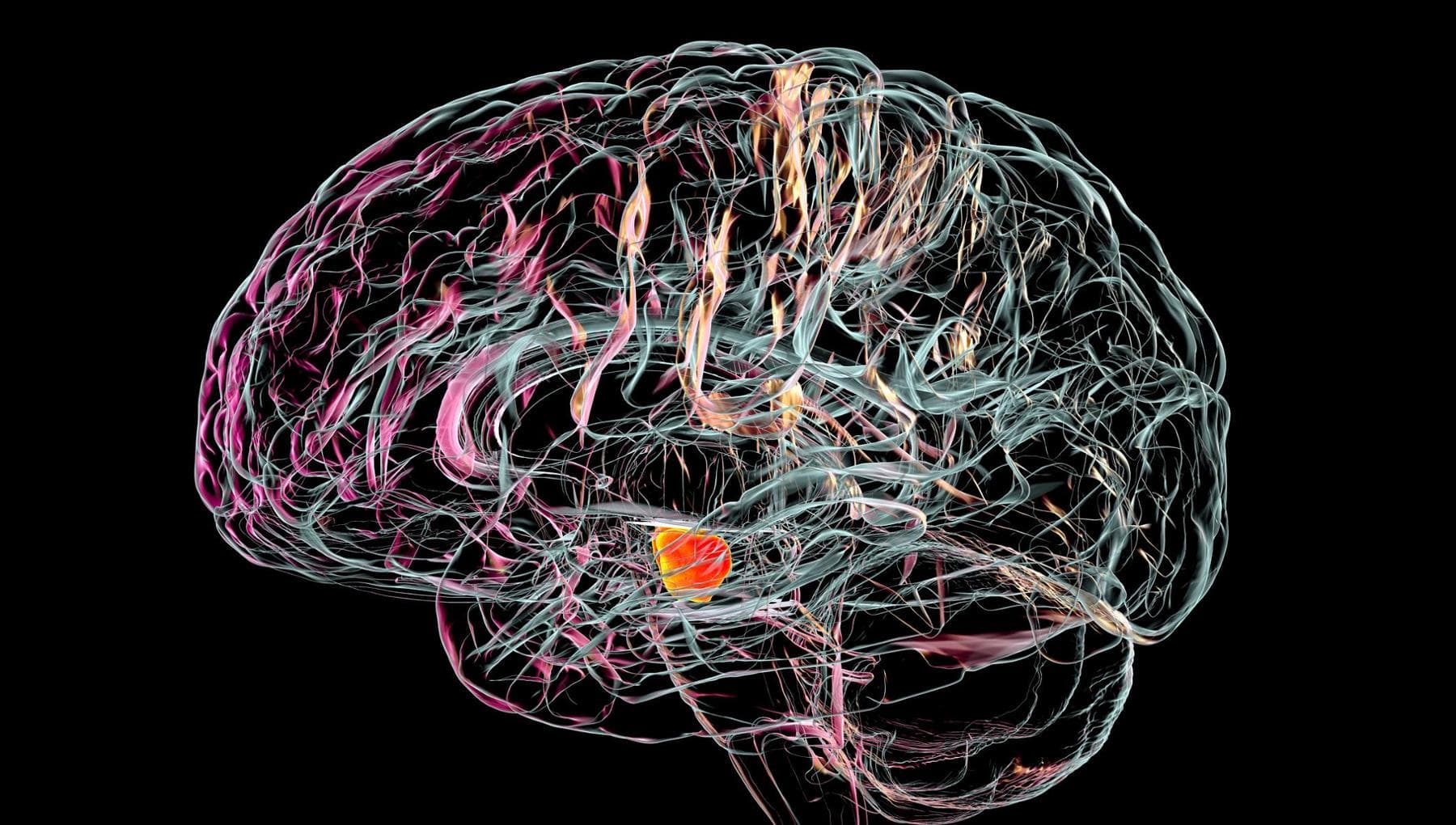
Deep brain stimulation (DBS) can reduce movement problems caused by Parkinson's disease, and new research is providing a clearer picture of why the treatment works. Scientists have found that its benefits appear to depend on stimulating a specific brain network that communicates primarily through a relatively fast beta rhythm (20 to 35 Hz).
The findings come from an interdisciplinary group of neuroscientists and clinicians at the University Hospitals of Cologne and Düsseldorf, Harvard Medical School and Charité Berlin. Published in the journal Brain, the study, 'The Deep Brain Stimulation Response Network in Parkinson's Disease Operates in the High Beta Band', is the first to bring together two approaches that have largely been studied separately: electrophysiology and brain imaging.
Pinpointing Where and How Brain Stimulation Works
"For the first time, we were able to characterize the DBS response network in Parkinson's disease in terms of space and time, simultaneously," says Professor Dr. Andreas Horn from the University of Cologne, who led the study and specializes in computational neurology. "We show that Parkinson's disease can best be treated if we stimulate a very precisely defined network. This network operates synchronized within a specific frequency band, and offers an explanation for how well patients respond to deep brain stimulation."