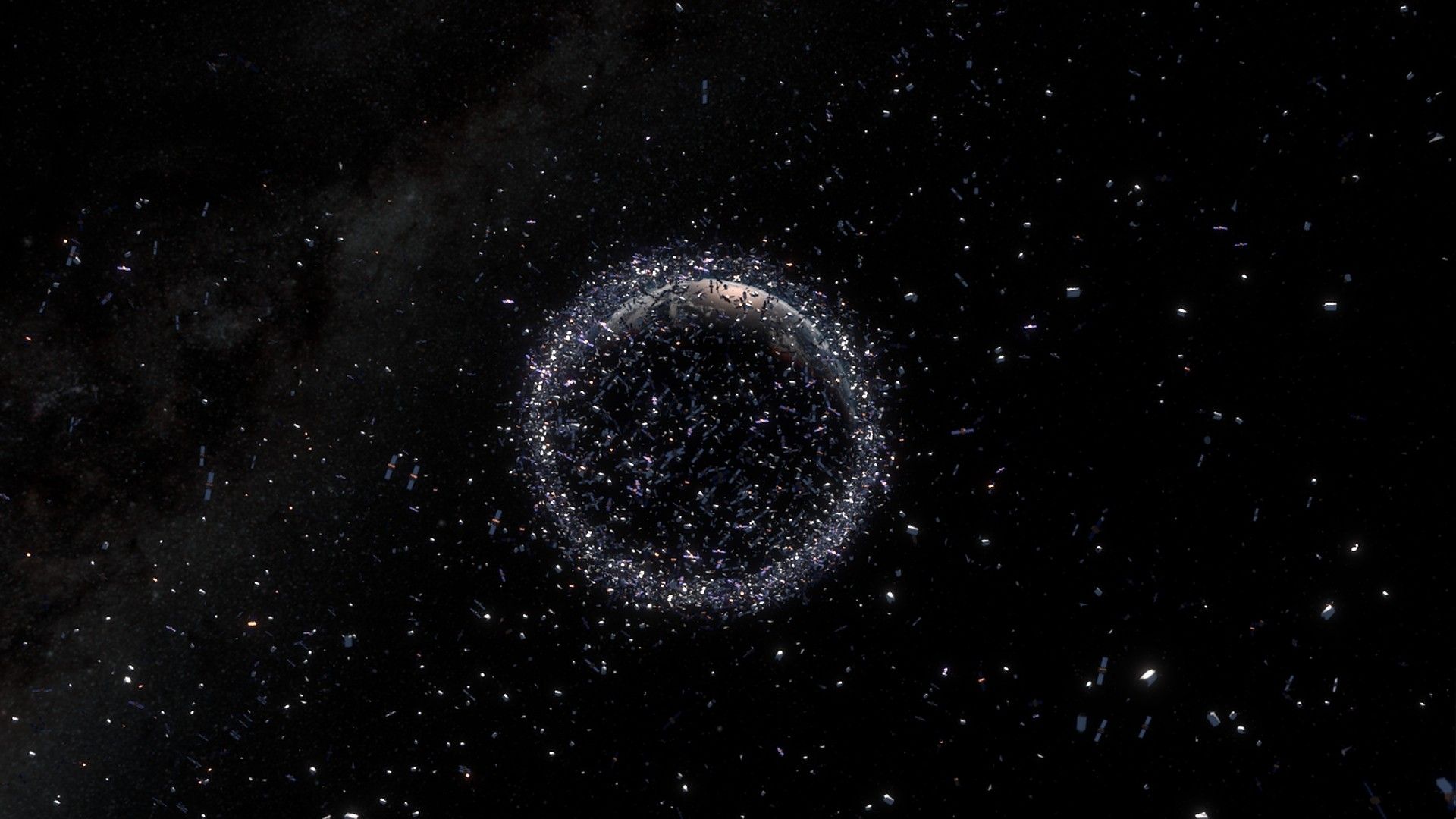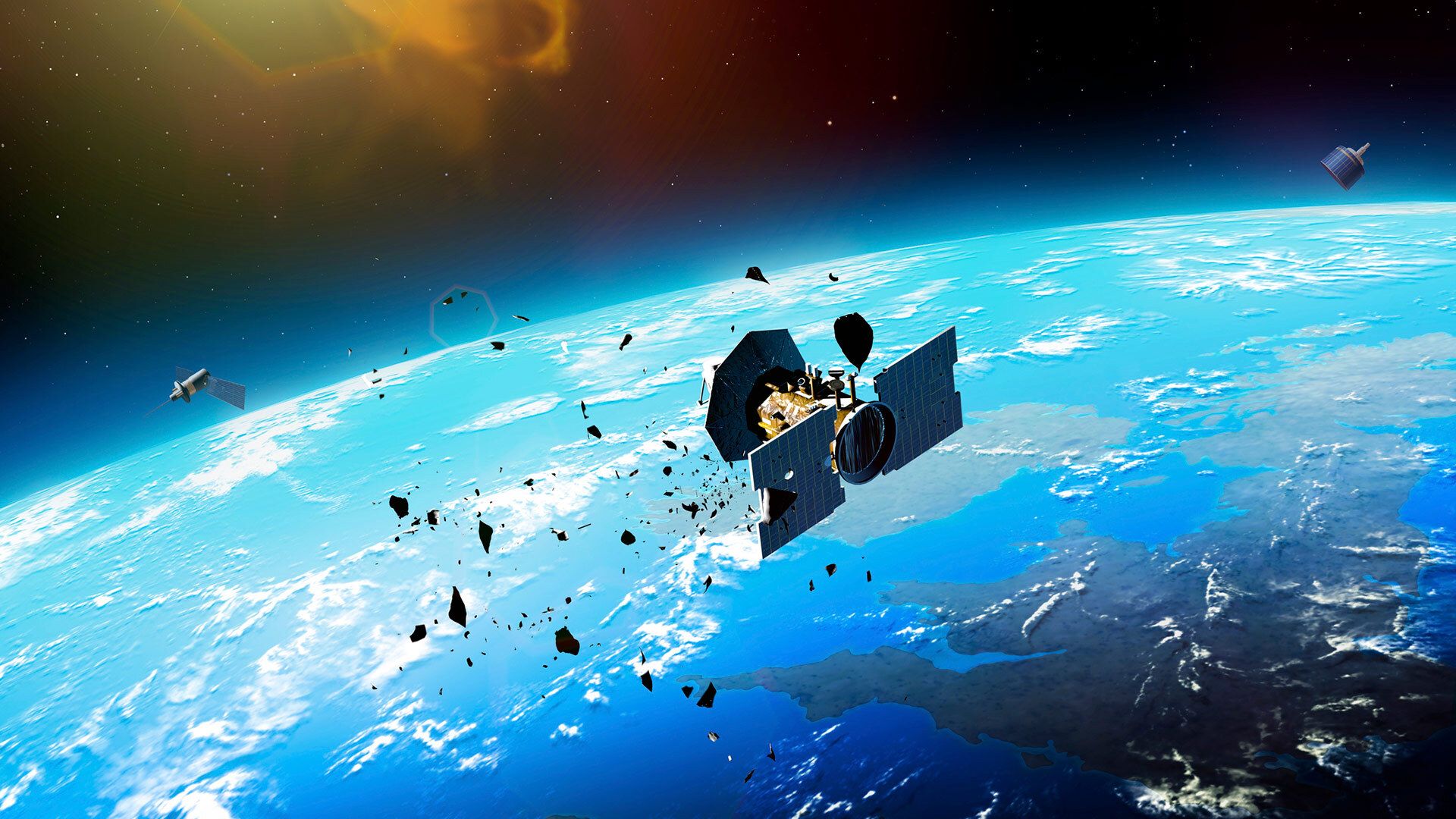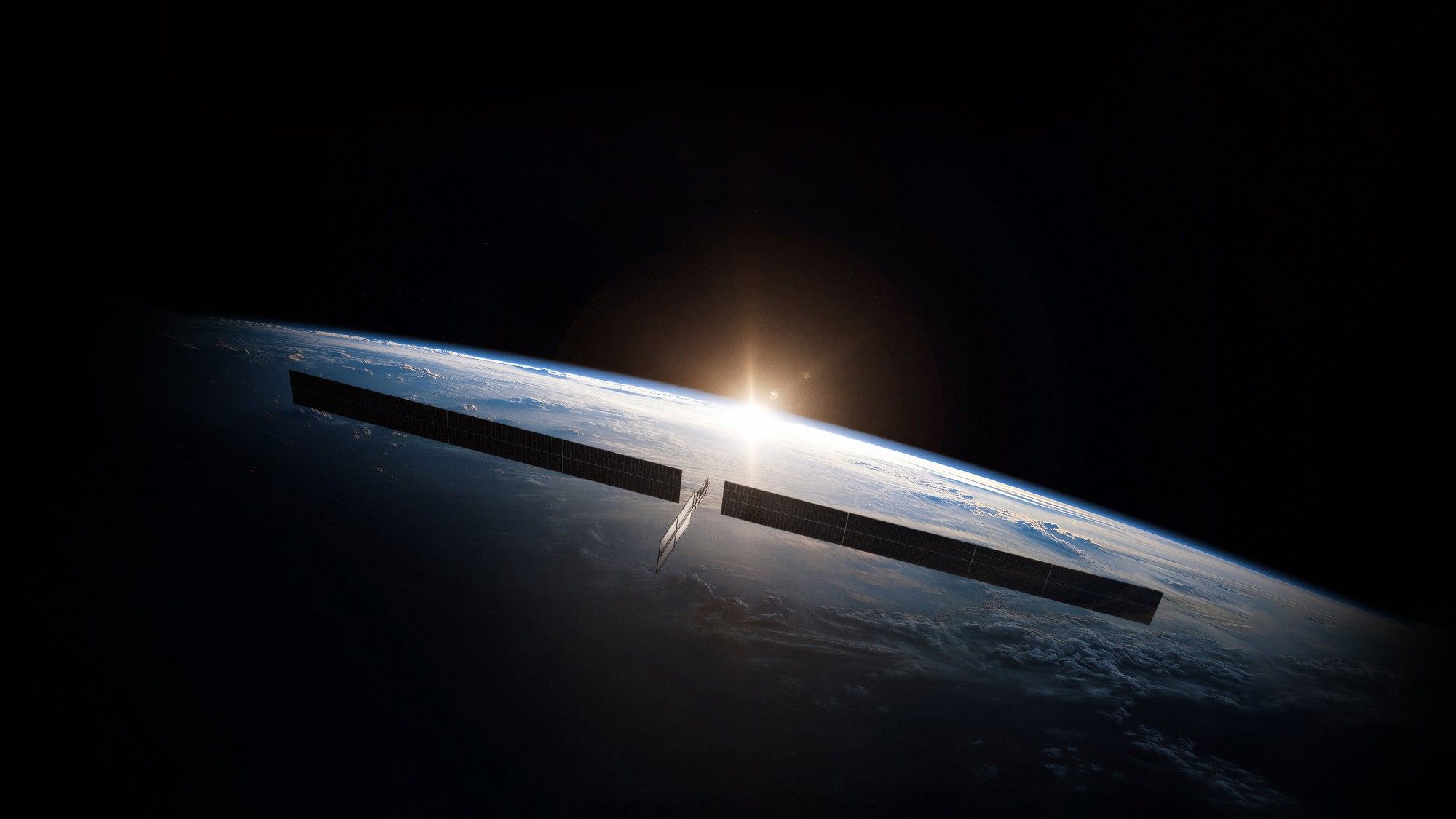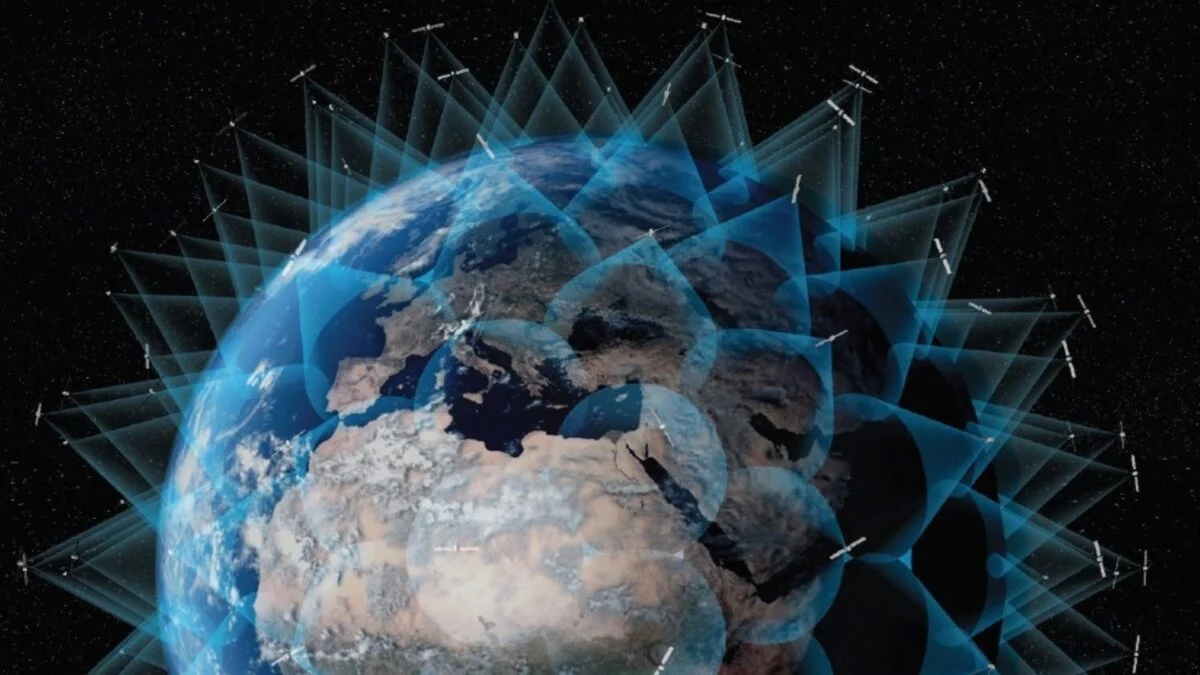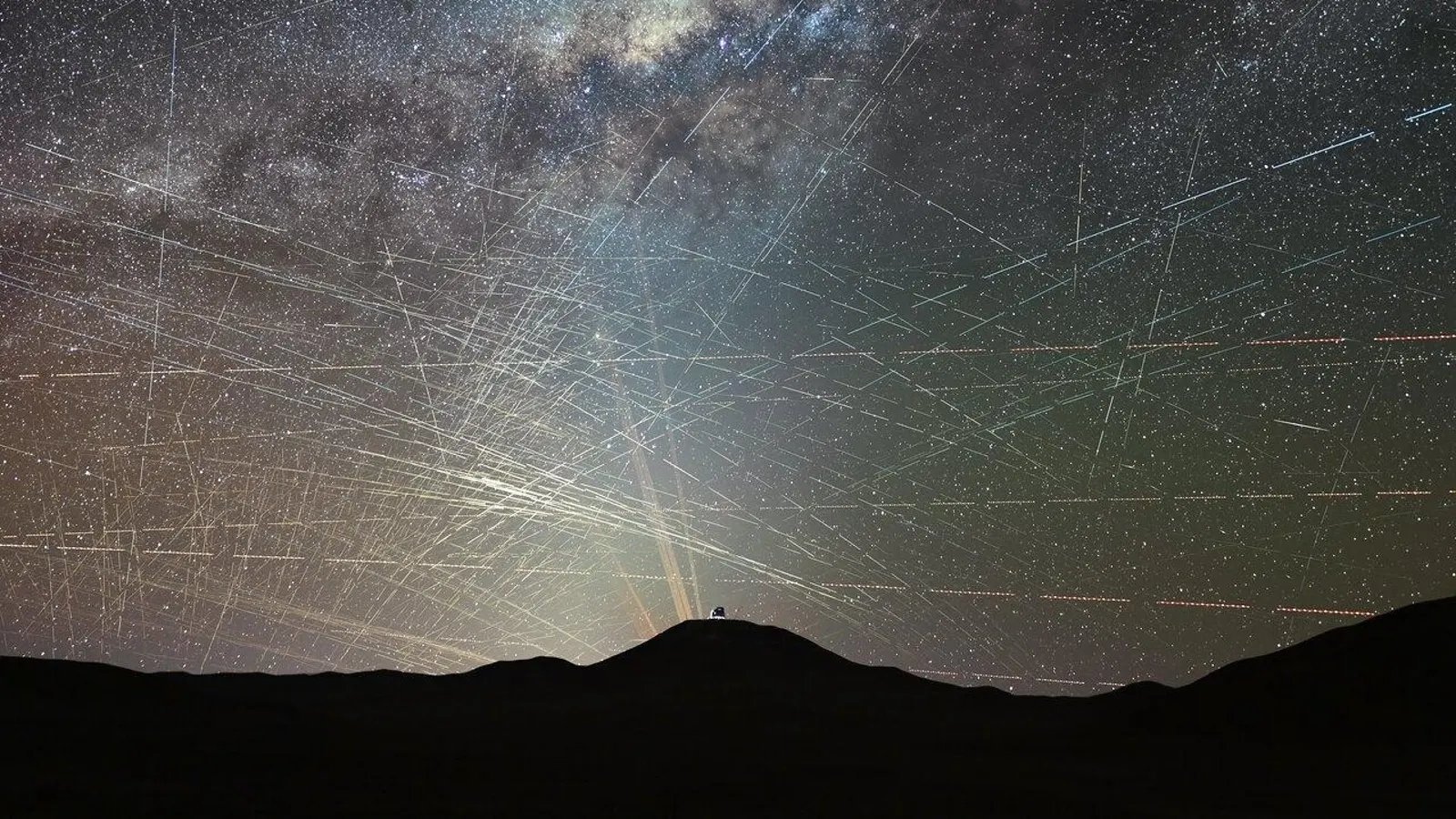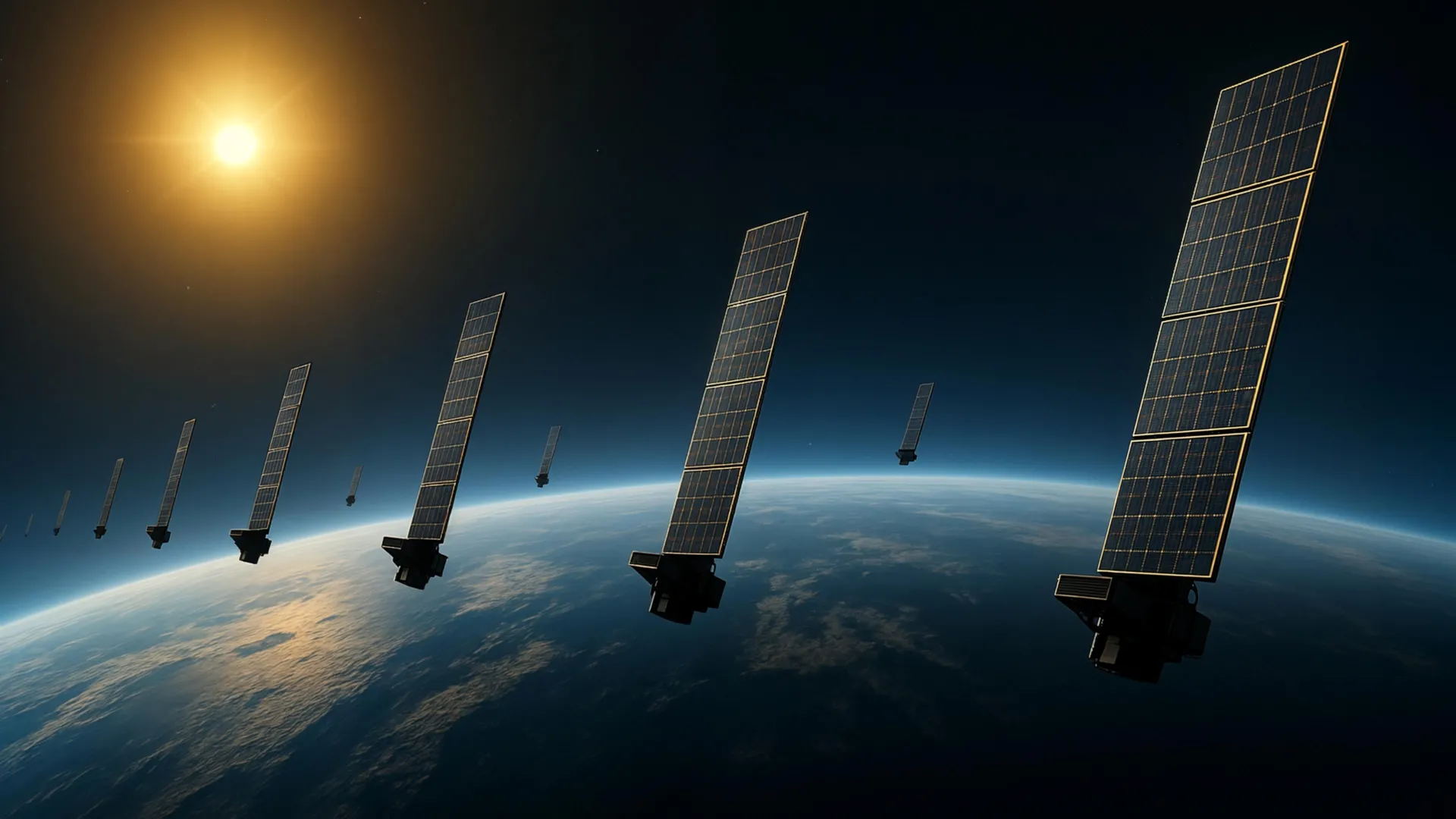
The region surrounding Earth is getting more crowded as thousands of satellites and pieces of space debris move through low Earth orbit. Farther above, at altitudes of several hundred kilometers, traces of Earth's upper atmosphere can still exert enough drag to slow satellites. Accurately measuring atmospheric density at these heights is therefore important for forecasting satellite motion and reducing the risk of collisions.
More than 99 percent of the upper atmosphere consists of electrically neutral gas known as the thermosphere. The term thermospheric density refers to the density of this neutral atmosphere between about 100 and 1000 kilometers above Earth's surface. By comparison, the ionized gas of the ionosphere accounts for less than 1 percent of the atmosphere. Because ionized gas affects the way radio waves travel, the ionosphere is relatively straightforward to observe. Measuring conditions in the thermosphere is much more difficult.
A New Way to Observe the Thermosphere
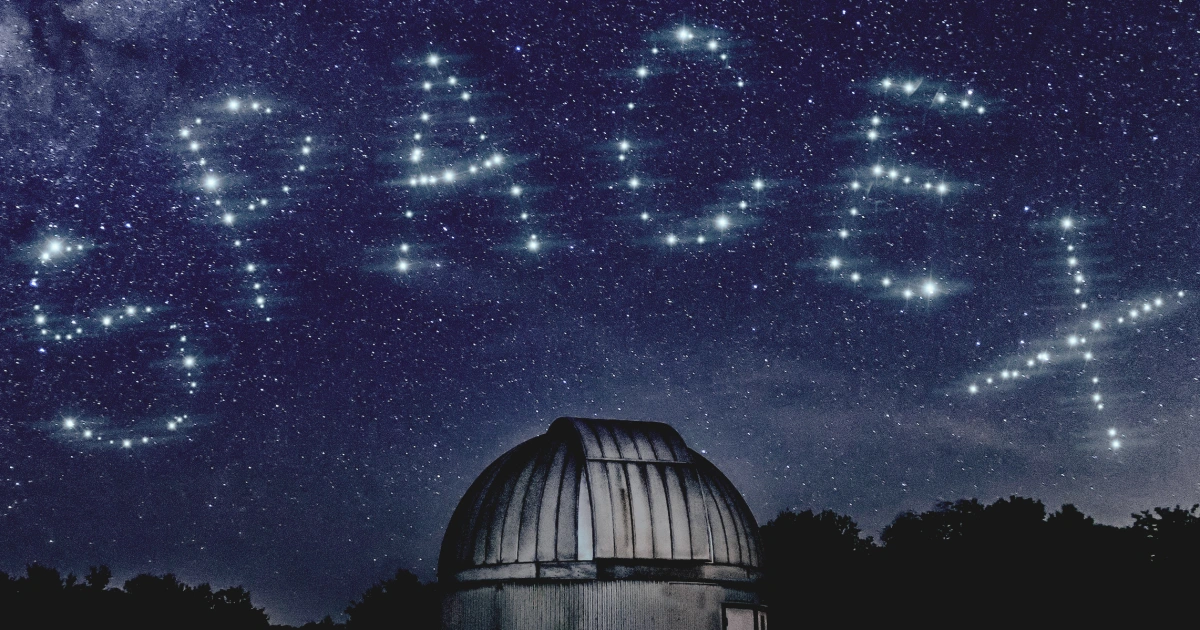
Better measurements of thermospheric density could advance research into the upper atmosphere while also providing valuable information for space engineering. Motivated by both needs, researchers at Kyoto University developed a new technique for visualizing this difficult-to-observe region.