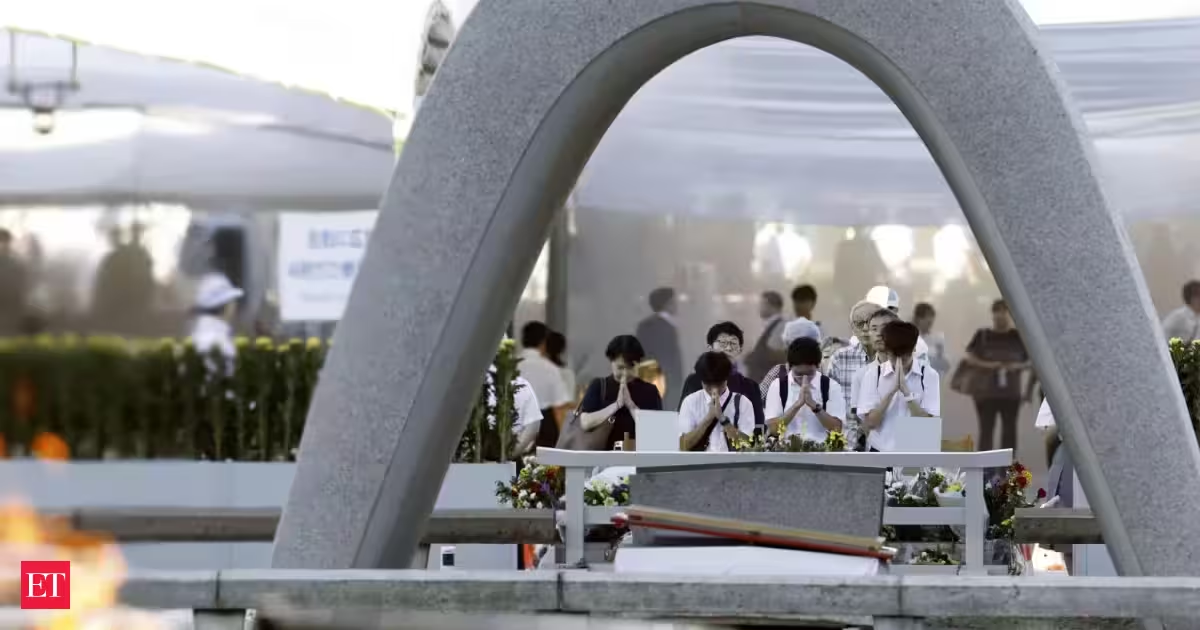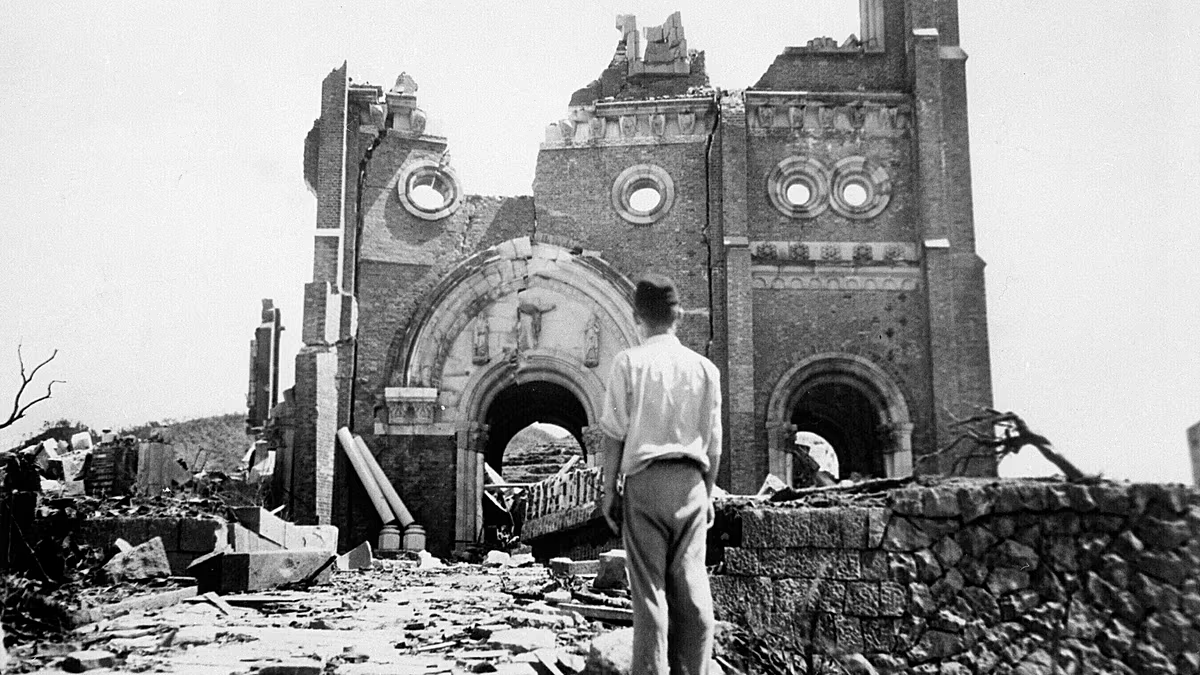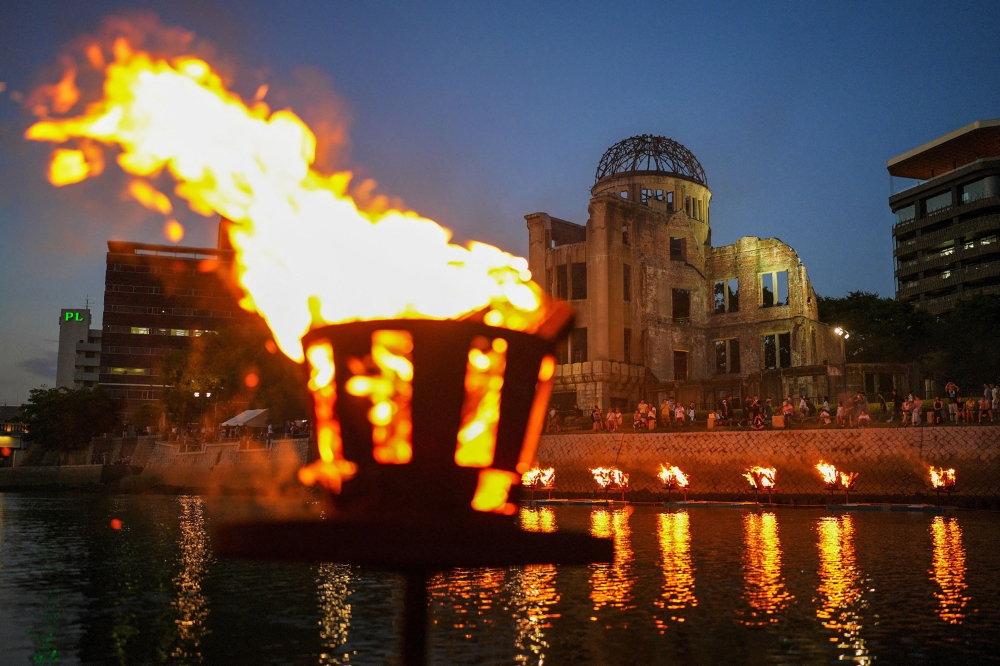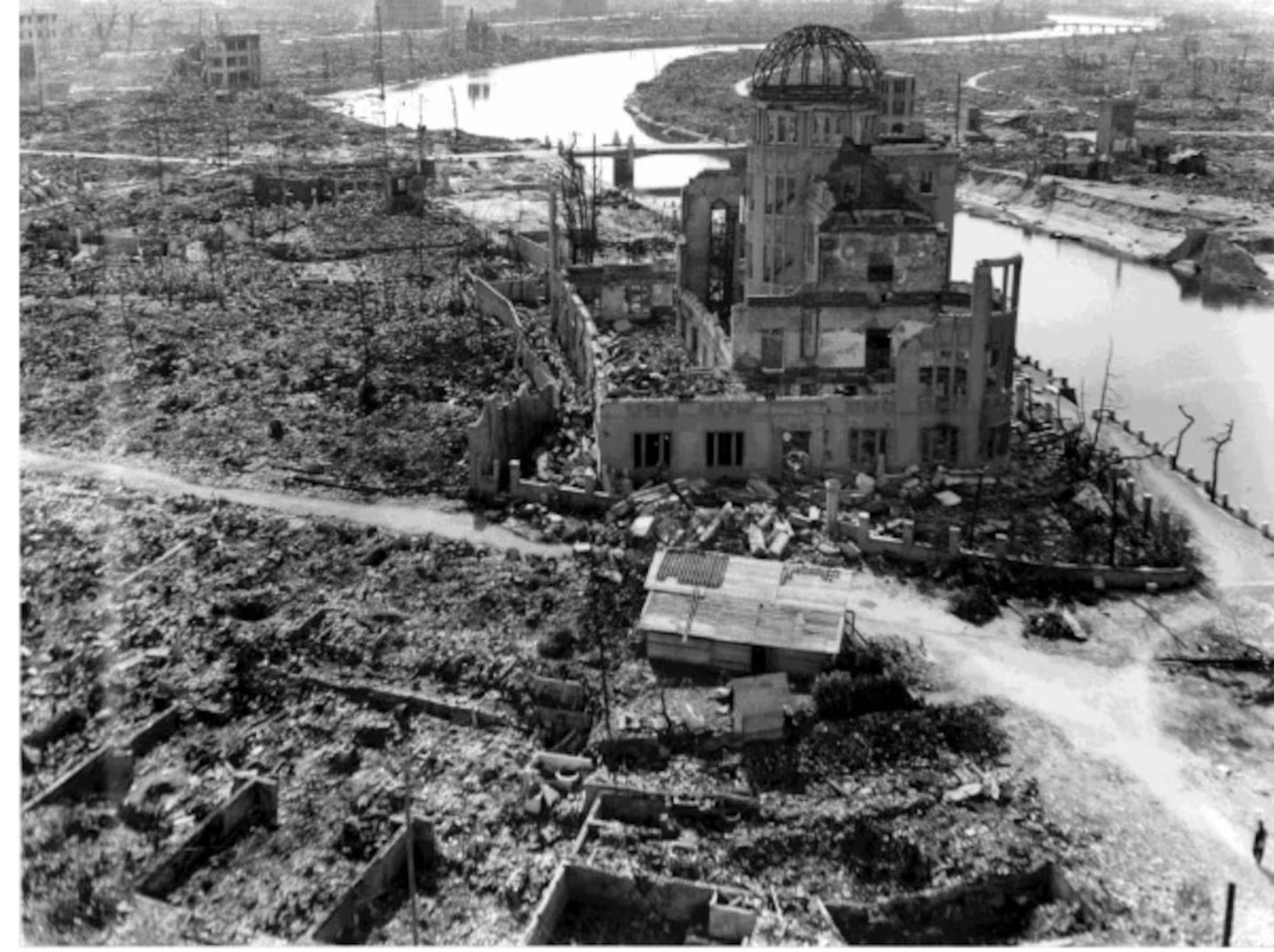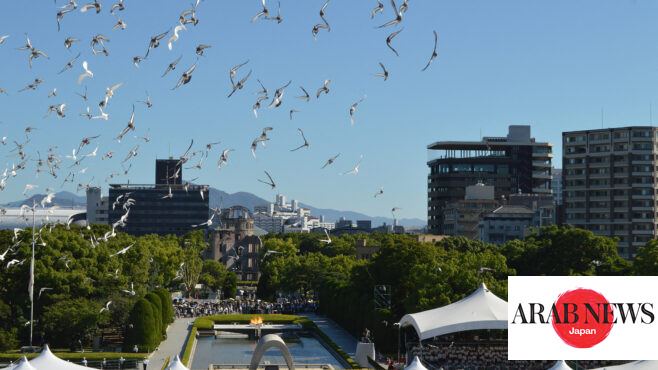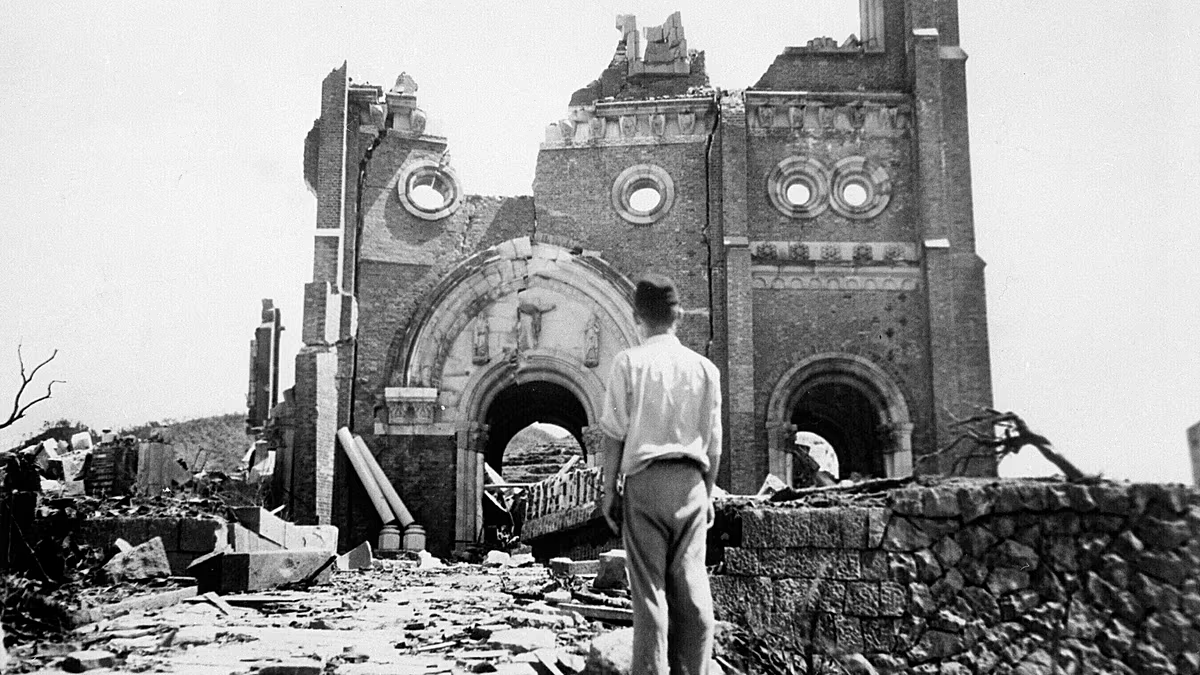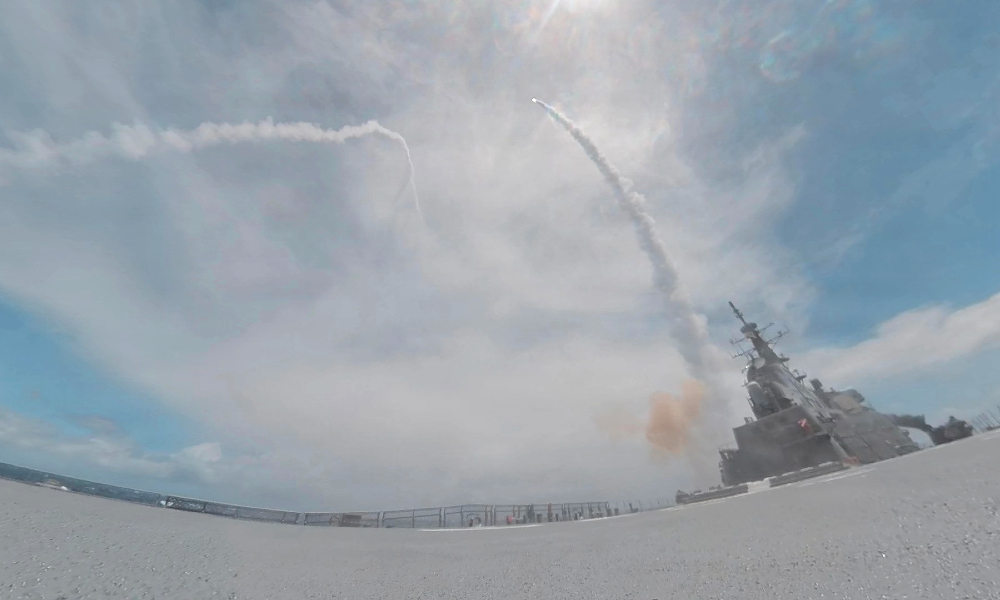
Eighty-one years after the atomic bombings of Hiroshima on August 6, 1945, and Nagasaki on August 9, Japan is confronting an increasingly difficult contradiction: how to uphold its identity as the only country to have suffered atomic attack in wartime while strengthening deterrence against an increasingly formidable group of nuclear-armed neighbors.
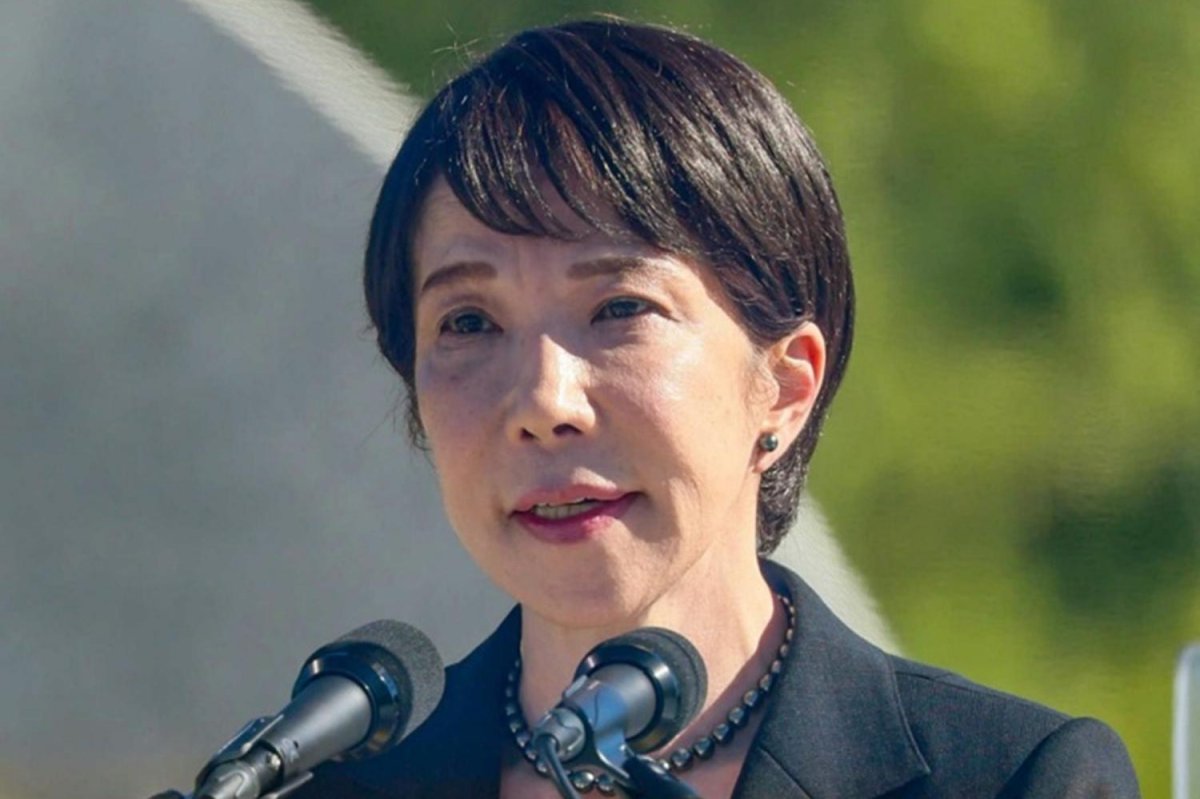
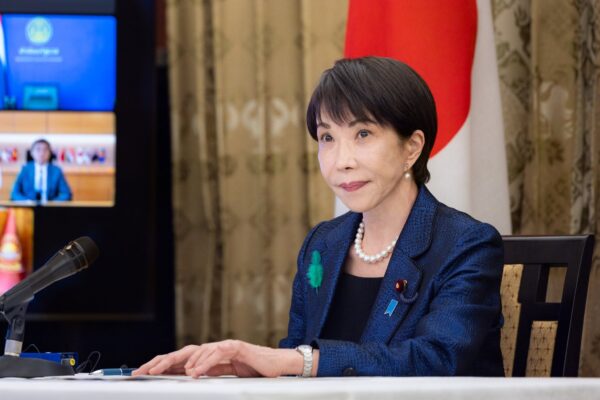
The dilemma came into sharper focus during this year’s Hiroshima and Nagasaki commemorations. Prime Minister Takaichi Sanae stated that Japan “maintains” its Three Non-Nuclear Principles and reaffirmed Tokyo’s commitment to pursuing a world free of nuclear weapons. Yet when asked whether the principles would continue to be explicitly affirmed in the three strategic documents her government plans to revise by the end of the year, Takaichi declined to prejudge the wording.
That ambiguity matters. Japan’s Three Non-Nuclear Principles – not possessing, not producing, and not permitting the introduction of nuclear weapons into Japanese territory – trace back to former Prime Minister Sato Eisaku’s 1967 declaration and have long stood as a symbol of Japan’s postwar identity.
The tension was particularly visible in Nagasaki on August 9. Mayor Suzuki Shiro described nuclear weapons as an “absolute evil,” warned of the dangers of relying on nuclear deterrence, and urged the government to uphold the Three Non-Nuclear Principles. Takaichi, by contrast, reiterated Japan’s current adherence to the principles while emphasizing a “realistic and practical” approach toward achieving a world without nuclear weapons.