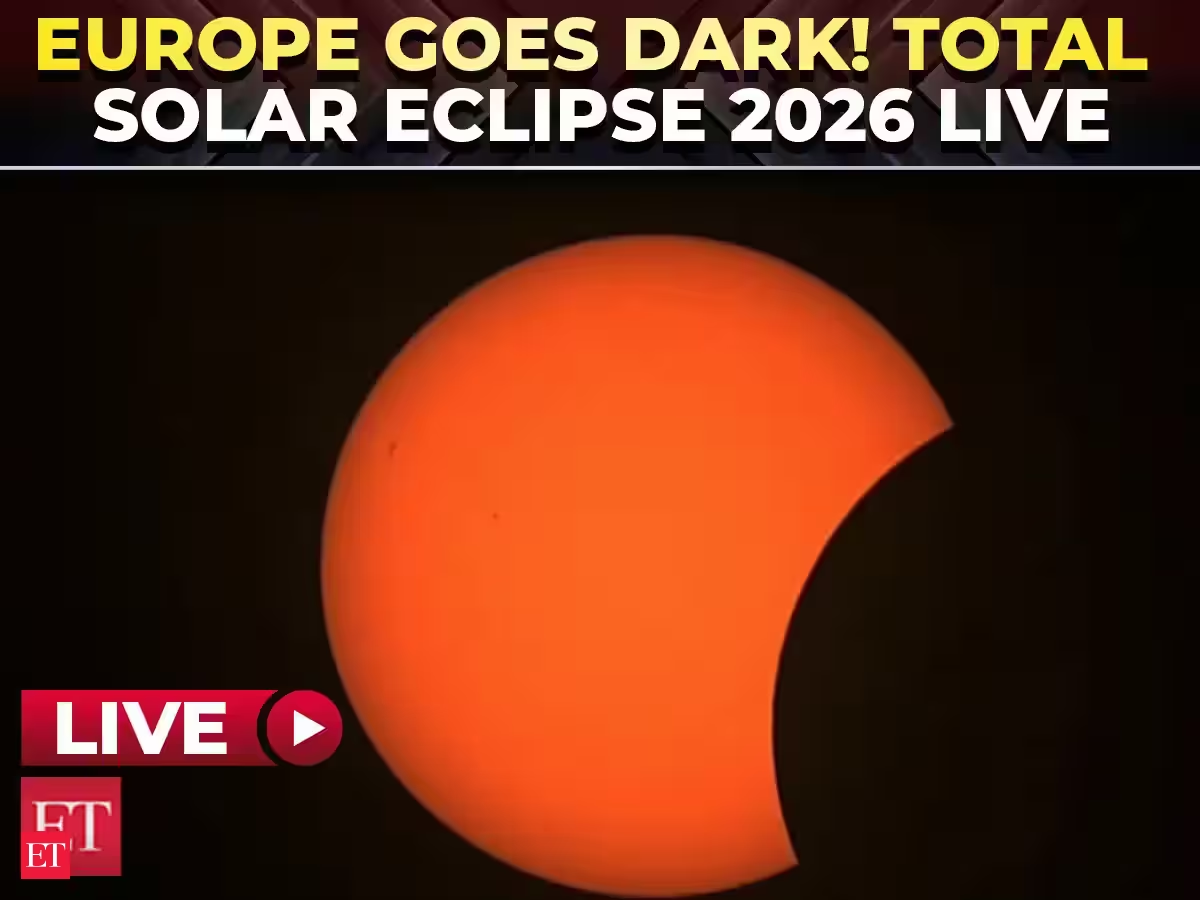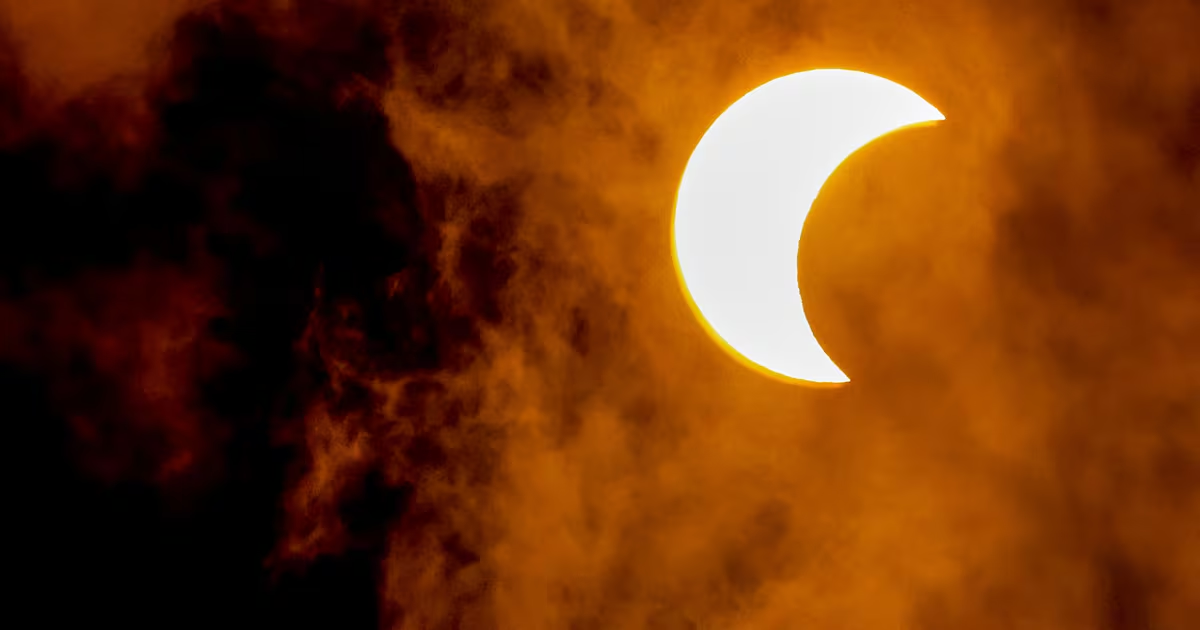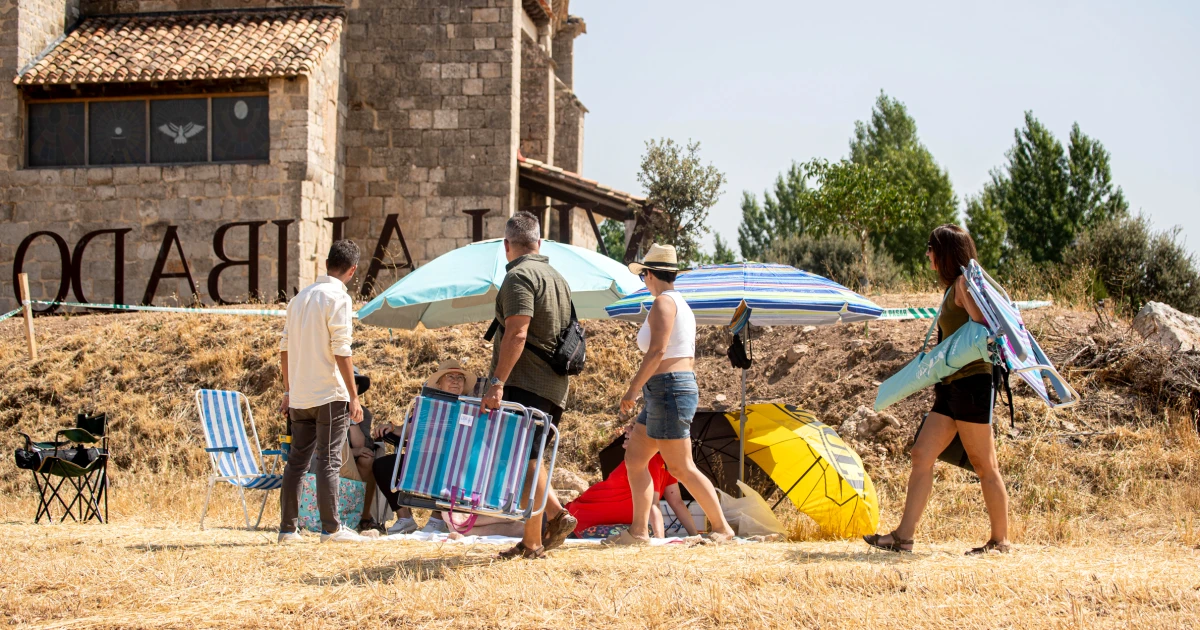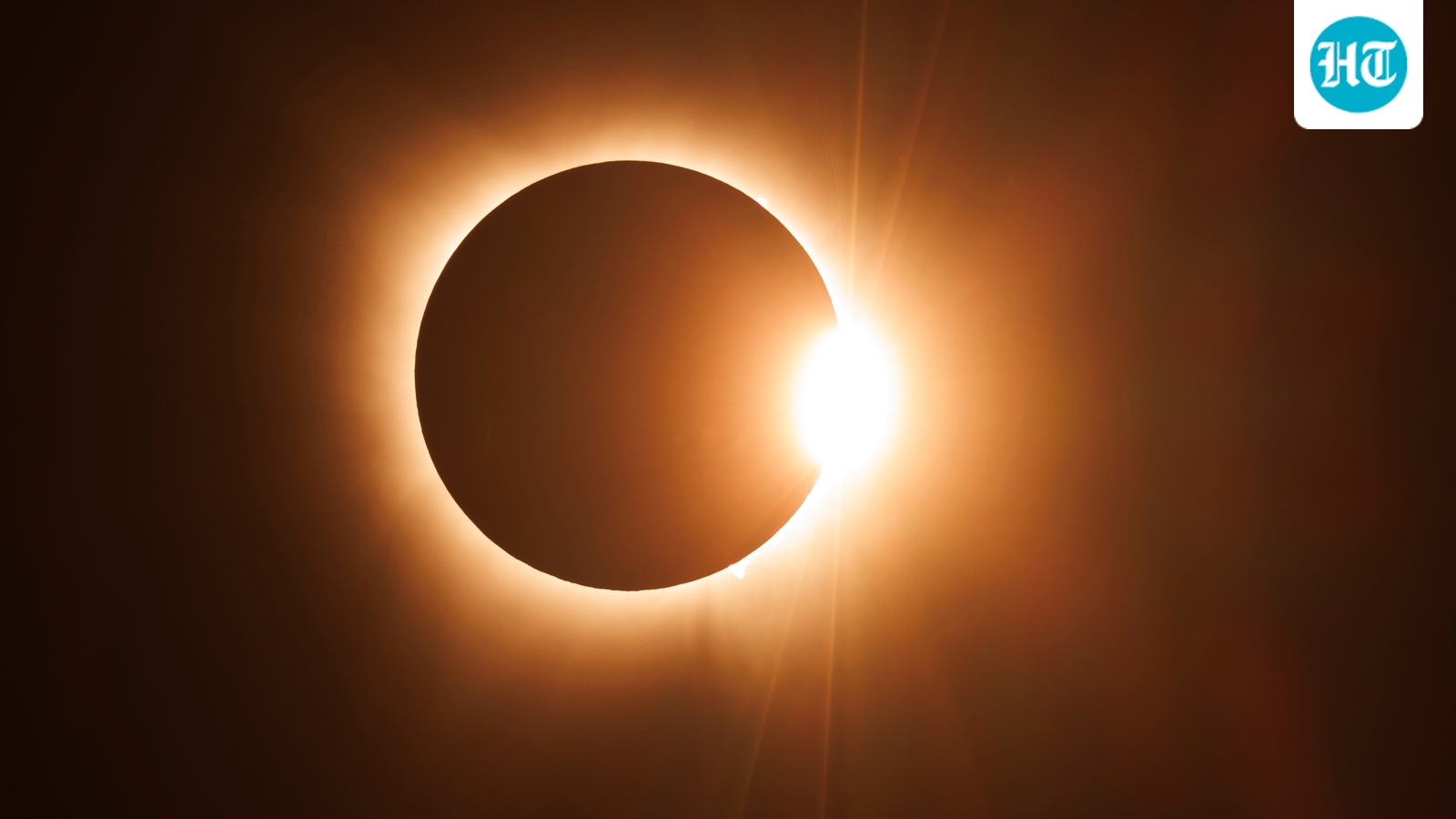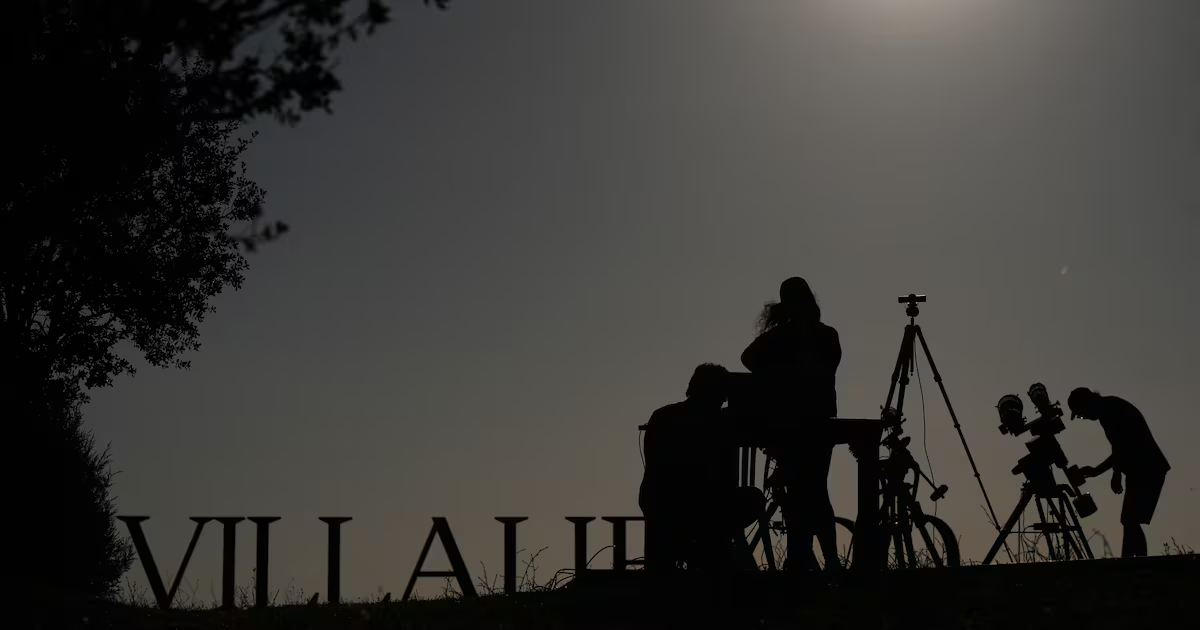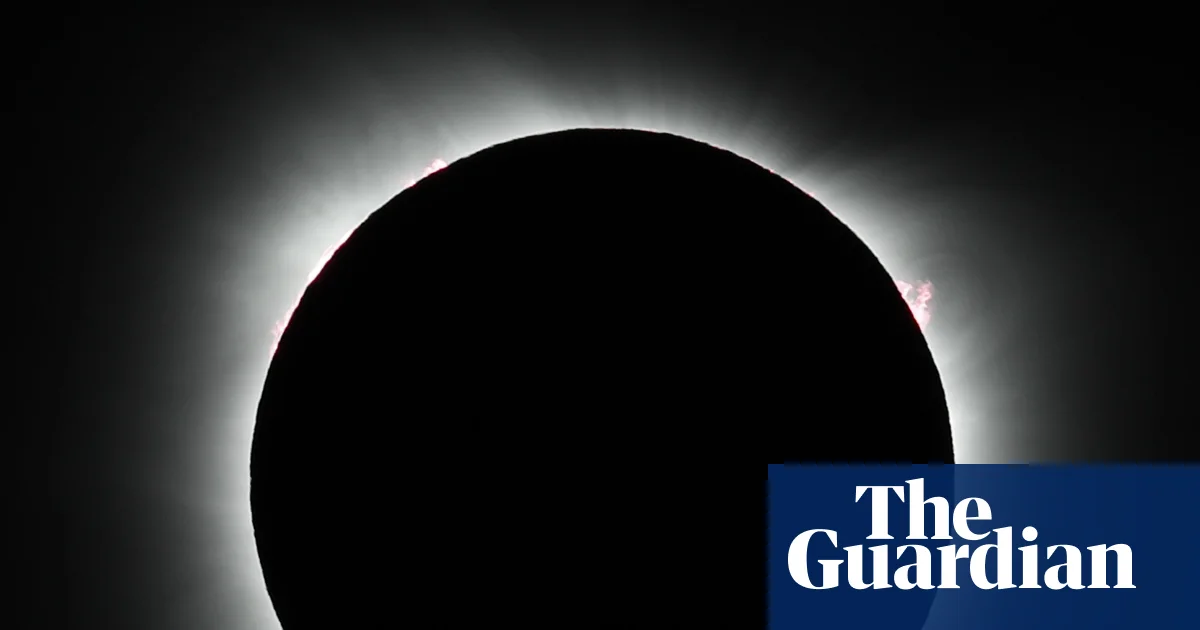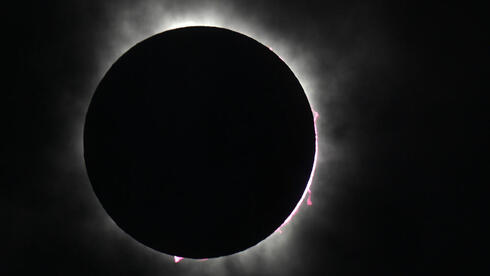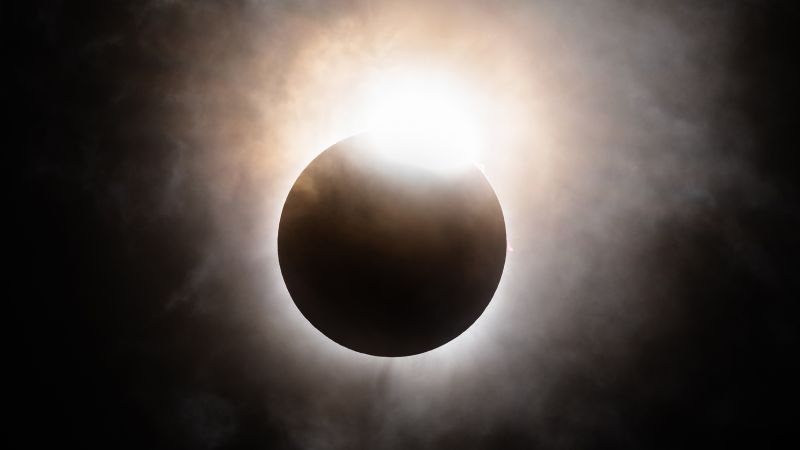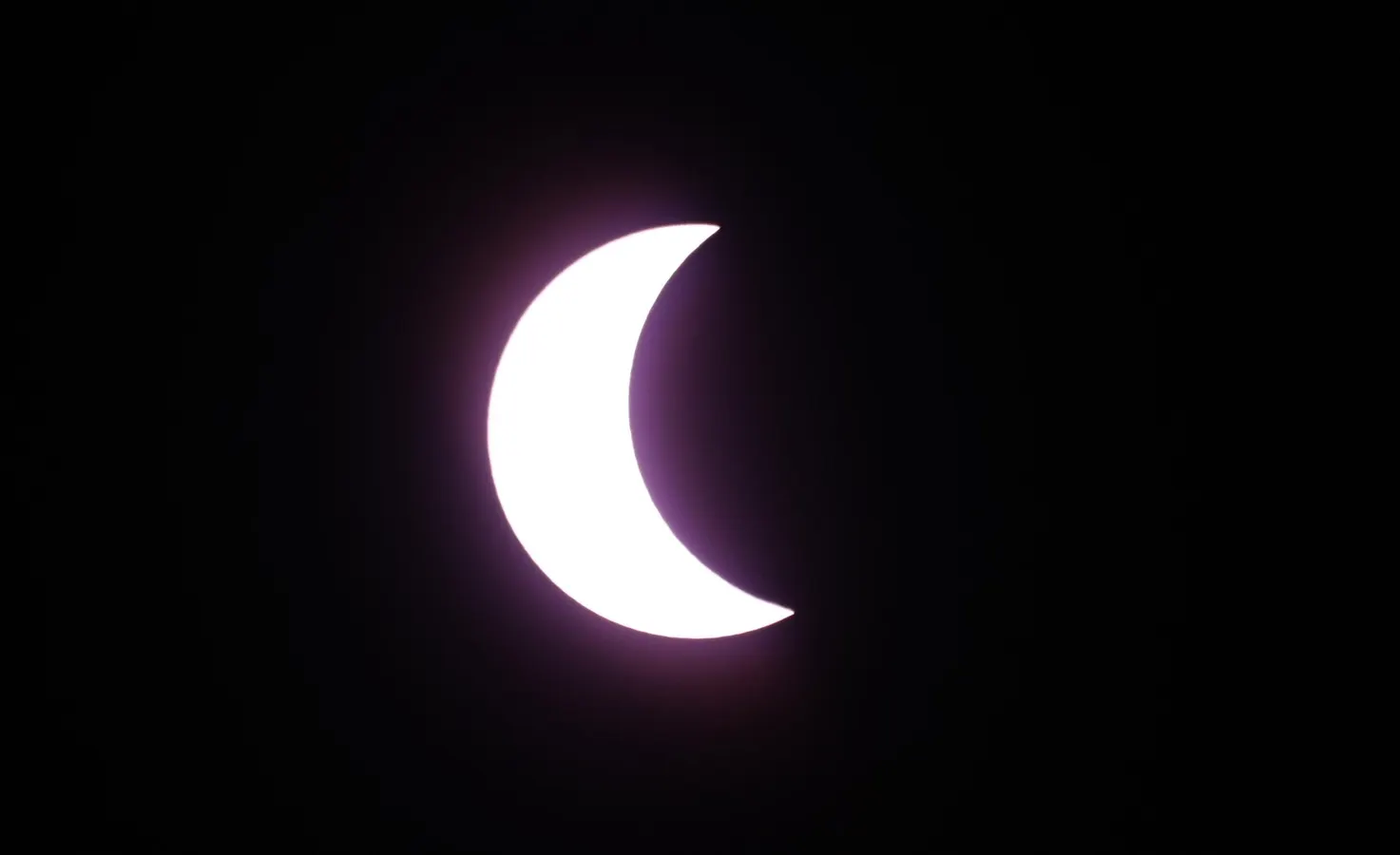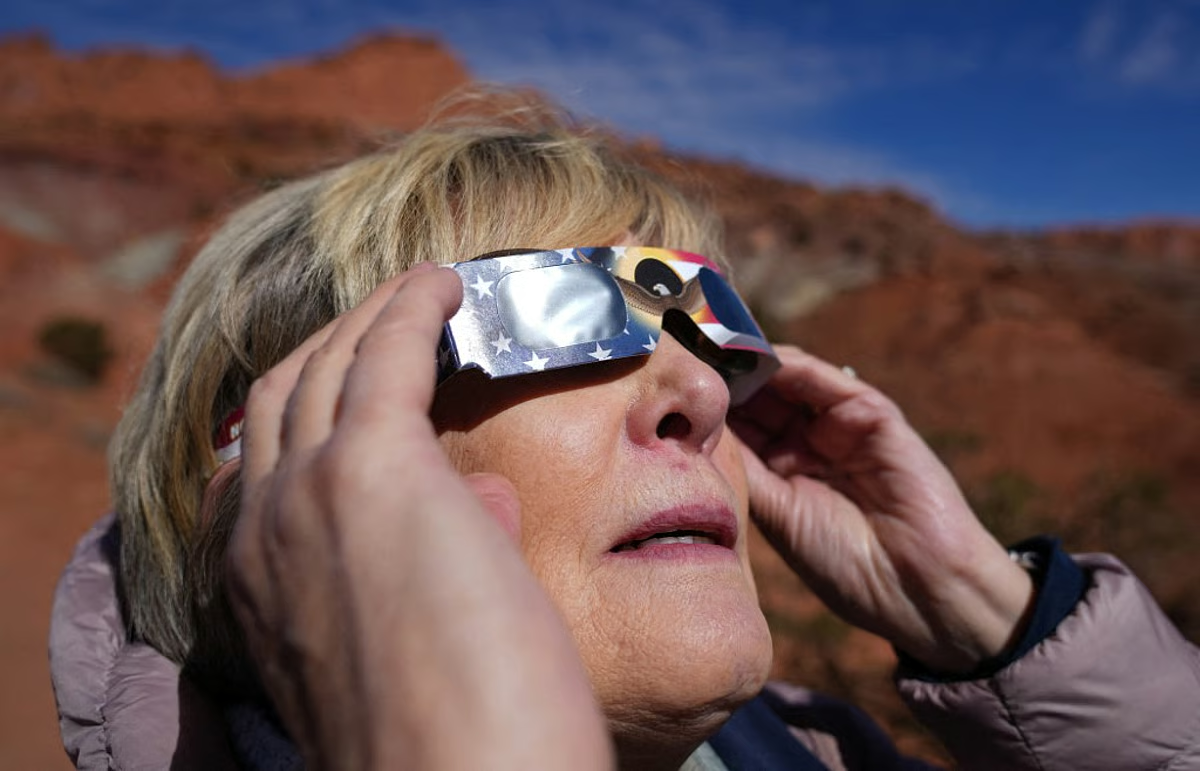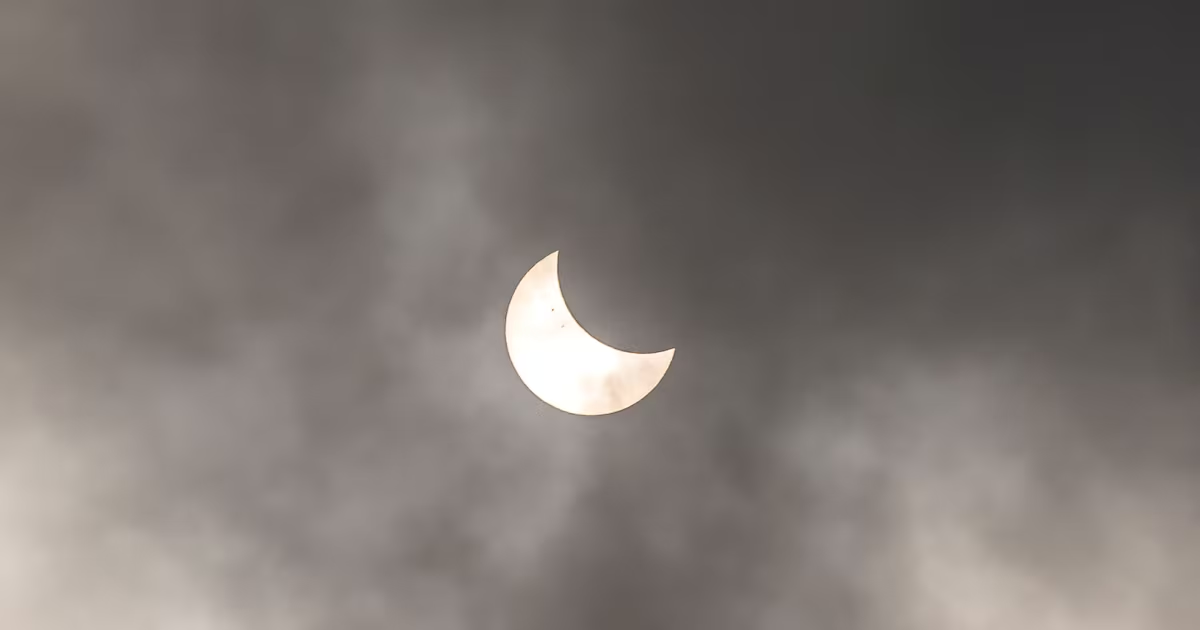
Main pointsA solar eclipse will take place across western Europe today. The sun will be obscured by the moon over Ireland, Iceland, the UK, France, Spain and Portugal.During the eclipse, the moon will appear to take a bite out of the sun, but how much varies by location.A total eclipse – where the moon fully blocks the sun – will be seen in western Iceland, northern Spain and the Balearic Islands.Those watching in Dublin will see about 94 per cent of the sun covered, while further west in Co Kerry about 97 per cent of the sun will be obscured.The eclipse will be visible in Ireland from about 6pm until 8pm and will peak between 7pm and 7.45pm.Met Éireann says the clearest skies will be in the east and southeast of Ireland this evening.To enjoy the eclipse safely, never look at the sun with the naked eye, even with sunglasses on.Key readsEverything you need to know about today’s solar eclipseThe growth of dark sky tourism in Ireland as enthusiasts prepare for eclipse‘Thousands of special viewing glasses’ sold in Ireland ahead of eclipseRonan McGreevy - 10 minutes agoHow to capture the solar eclipse - without frying your phonePlanning on watching the solar eclipse that will take place later today? Excitement about the event, which is the most complete solar eclipse we will see until 2090, is high. Instagram and TikTok are bound to be full of photos and videos of the event.But if you are planning on capturing it on camera, you need to take precautions — or risk damaging your camera or phone permanently.Nasa has some advice for people who want to capture a solar eclipse: use a filter. On a digital SLR camera, or if you plan to take extended footage, you will need a special solar filter to protect the camera that conforms to the ISO 12312-2:2015 standard, which also applies to eclipse glasses.If you are using your phone though, you can fashion one from a set of eclipse glasses - assuming you have spares - cutting it out from the cardboard frame and covering the camera lens completely.Read more here.Ronan McGreevy - 30 minutes agoAre you watching the eclipse in Ireland? Share your stories and photosAre you travelling to a good view point, or having a viewing party? Is this your first chance to see a solar eclipse from Ireland, or did you see the last one in 1999? Have you got the proper eye protection prepared? The Irish Times would like to hear from you – feel free to share your eclipse photos and thoughts about the spectacle.Ronan McGreevy - 45 minutes agoFrenzy in parts of Europe around the solar eclipseContinental Europe’s first total solar eclipse in decades will briefly turn day to dark across several countries on Wednesday, drawing armies of sky watchers. The coincidence of Earth, the moon and the sun falling into perfect alignment — a fleeting celestial event known as totality — has created a frenzy in some parts of the continent. People are paying exorbitant hotel rates to be in the inner part, or umbra, of the lunar shadow. Along that path, if the sky is clear, the sun will seem to become a black disk ensconced in a hazy corona, surrounded by planets and stars.In Spain, normally empty towns have filled up. Other people have trekked to far-flung North Atlantic destinations.A sign in a shop in Falmouth, England, one of many in the town advising shoppers that no stock remains of solar eclipse glasses. Photo by Hugh Hastings/Getty Images The eclipse will begin at about 6.08pm central European time (5.08pm Irish time) in the northernmost part of Russia, its shadow swooping over the Arctic Ocean, narrowly missing the North Pole. It will reach remote Greenland, then Iceland, where viewing parties are planned in Reykjavik for a totality that will last for one minute. It will then cut across Ireland and Europe including Spain, where totality will also occur. Eclipses have seized the imagination since people began telling stories. In Homer’s Odyssey, the death of Penelope’s suitors is foretold with an omen that may have been a solar eclipse: “The sun has been obliterated from the sky, and an unlucky darkness invades the world.”That strange moment of totality will be the main event Wednesday. Much light will go out of the sky and warmth out of the air. Currents may change. Birdsong and the buzzing of bees may stop. Stars and planets will snap into view, and pets may become upset.The eclipse will begin with the moon seeming to cut into the sun and then, over about an hour, slide across its surface. Then comes the totality phase, which is brief — at most, just over two minutes.Only then, in areas of actual totality, will it be safe to look up with the naked eye — otherwise, the sun can cause significant eye damage. Protective gear must be worn even in the darkest places when the moon starts to slide off the sun’s surface again. In Spain, the Spanish National Organization of the Blind has been distributing 1.7 million pairs of eclipse glasses, giving them away with the lottery tickets that it sells. - NYTRonan McGreevy - 55 minutes agoHow to keep your eyes safeEye safety is paramount if you plan to take a look at the near-complete eclipse, as the fraction of sun remaining mid-eclipse is still unsafe to stare at directly without taking proper care.However, practical and safe ways to watch the show unfold are described in a booklet at eclipse26.ie, compiled by Dunsink Observatory and ESERO Ireland.Without taking proper precautions, there is a risk of permanent eye injury due to thermal retinal burn. Your eye’s retina has no pain receptors, so you are unaware as the harm is being done.Read more here.Ronan McGreevy - 1 hour agoEclipse viewing eventsSeveral astronomy clubs and facilities countrywide have co-ordinated eclipse-viewing events with the details listed on their respective websites.Dunsink Observatory sold all tickets for its event in four minutes and has a waiting list of 700. While the public gathers there, its director, Prof Peter Gallagher, will be on a scientific mission to film the eclipse on its path off the west coast of Ireland.Other places hosting events include Ballycroy Visitor Centre in Mayo, Blackrock Castle Observatory in Cork, the Irish Astronomical Society (at the Phoenix Park Visitor Centre), the Irish Astronomical Association in Belfast and Midlands Astronomy Club.Maynooth University has sold out its 450 tickets for a public viewing event, and there is a waiting list with hundreds more.Read more here.Ronan McGreevy - 1 hour agoSolar eclipse set to begin from 6.09pm this eveningThe closest to a complete solar eclipse most of us are ever likely to see will occur at sunset on Wednesday, August 12th.Circumstances will not be as good again for us until a total solar eclipse on September 23rd, 2090, which will again favour the southwest. Total solar eclipses in Ireland are incredibly rare; the last one was on May 22nd, 1724.A member of the public holds up a pair of solar eclipse glasses prior to the partial eclipse. Photo by Hugh Hastings/Getty Images A total eclipse of the sun will miss Ireland by only a couple of hundred kilometres, and will be fully visible in parts of Portugal and northern Spain.The partial solar eclipse will begin between 6.09pm in the north and a bit later the farther south you go. Mid-eclipse will be between 7.07pm and 7.13pm and will end just after 8pm across the island.
Solar eclipse 2026: Live updates as rare spectacle to darken Ireland’s skies
Eclipse to be visible from about 6pm until 8pm, with Met Éireann forecasting the clearest skies in the east and southeast
1,250 words~6 min read