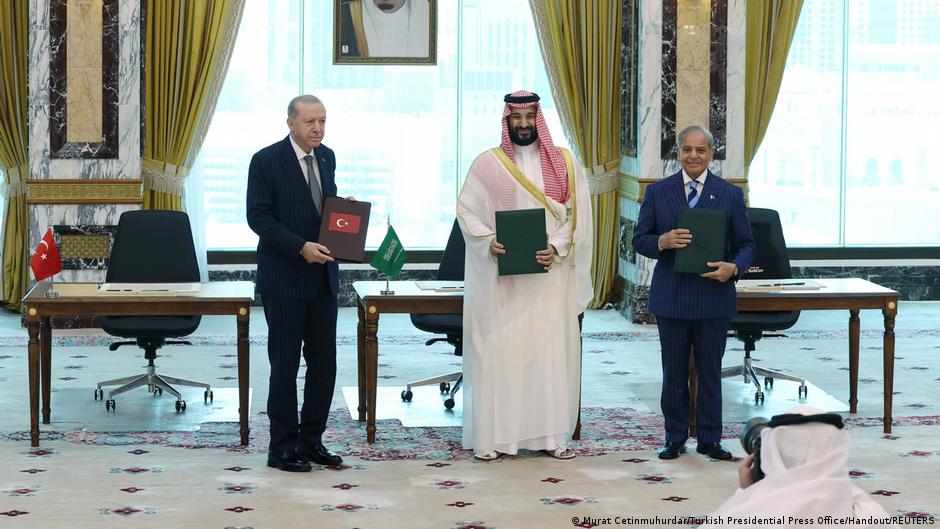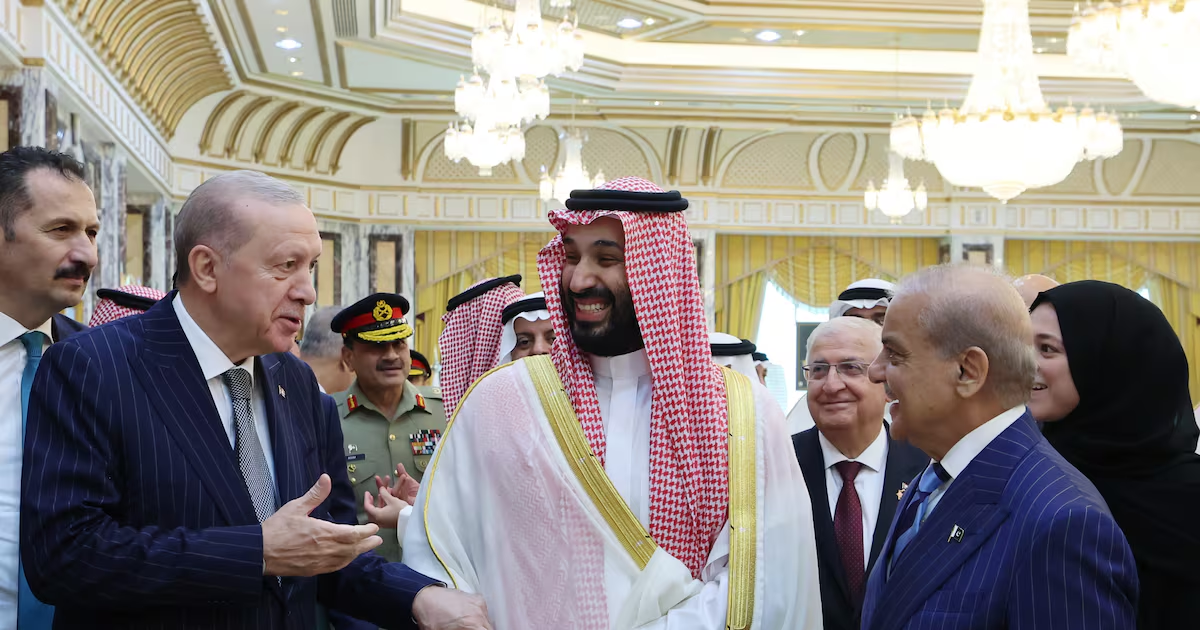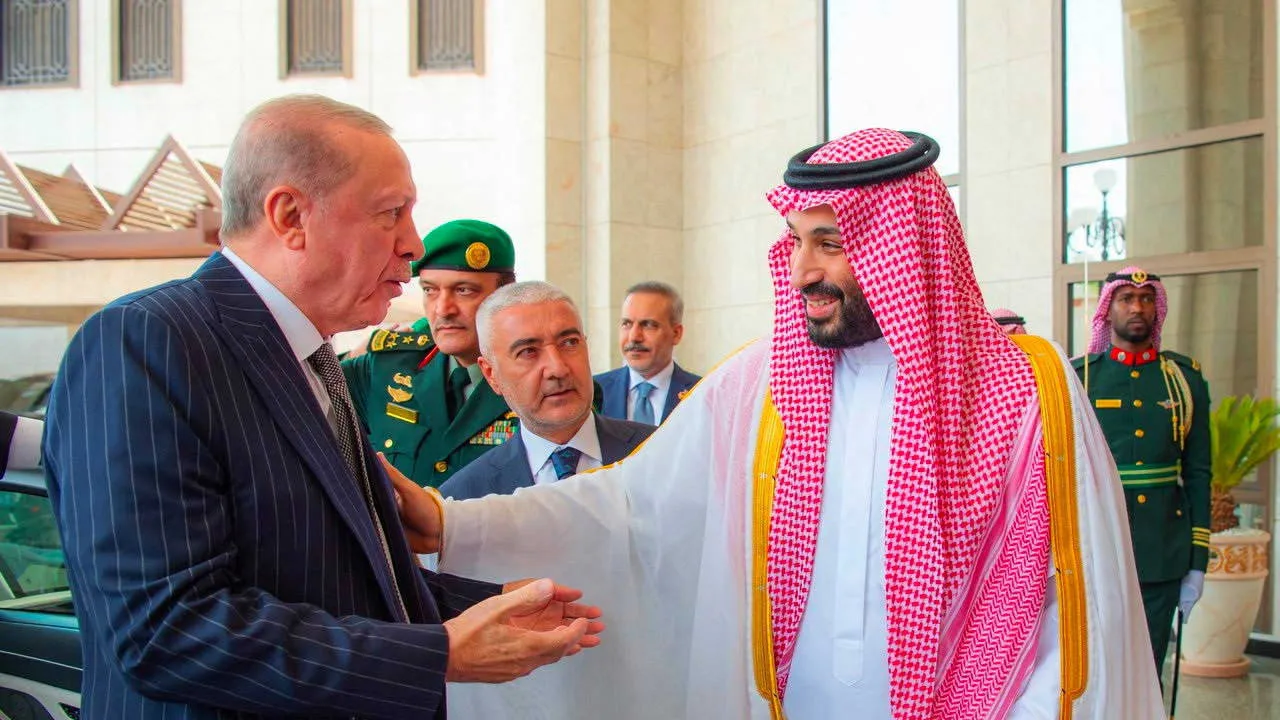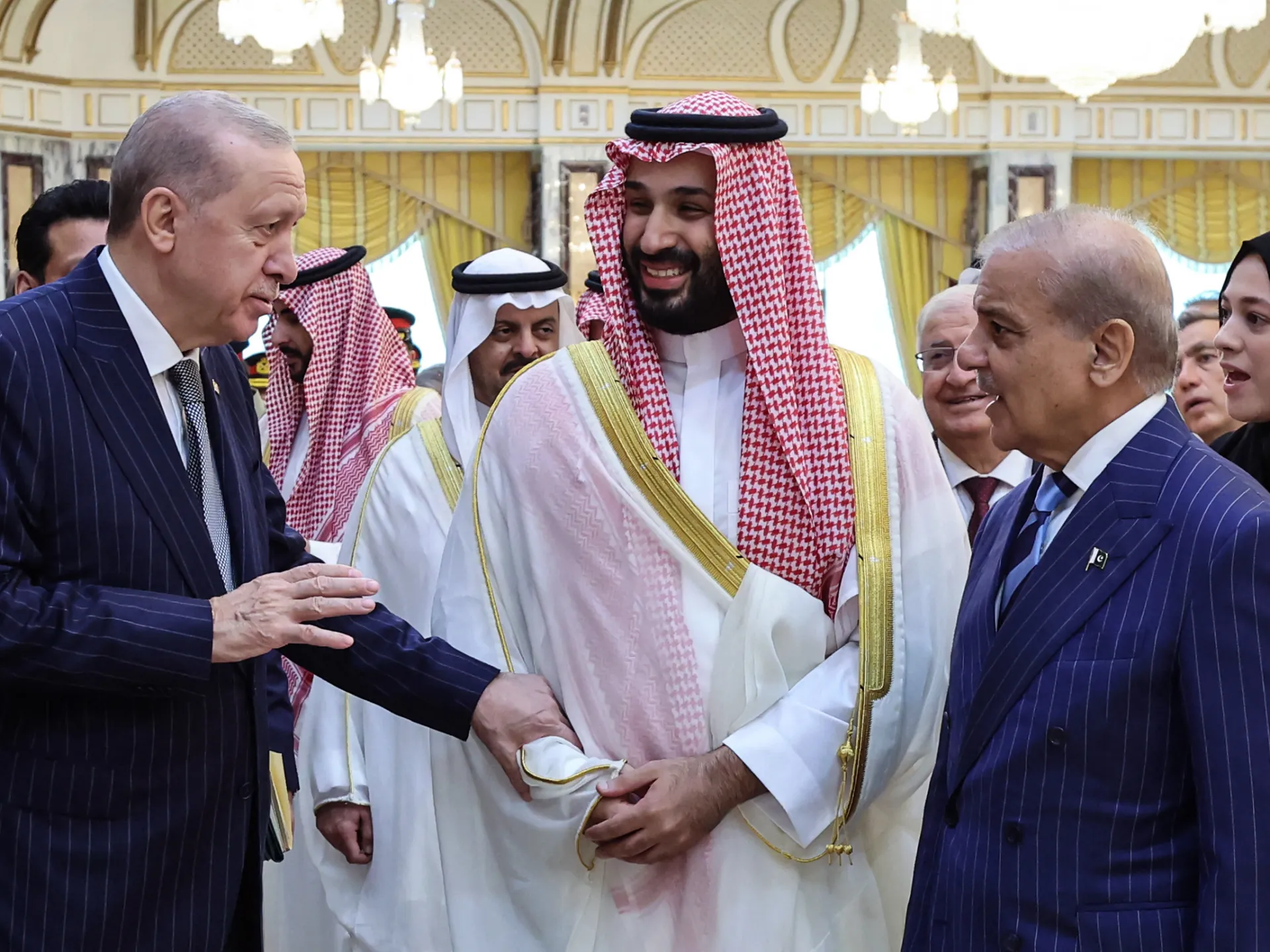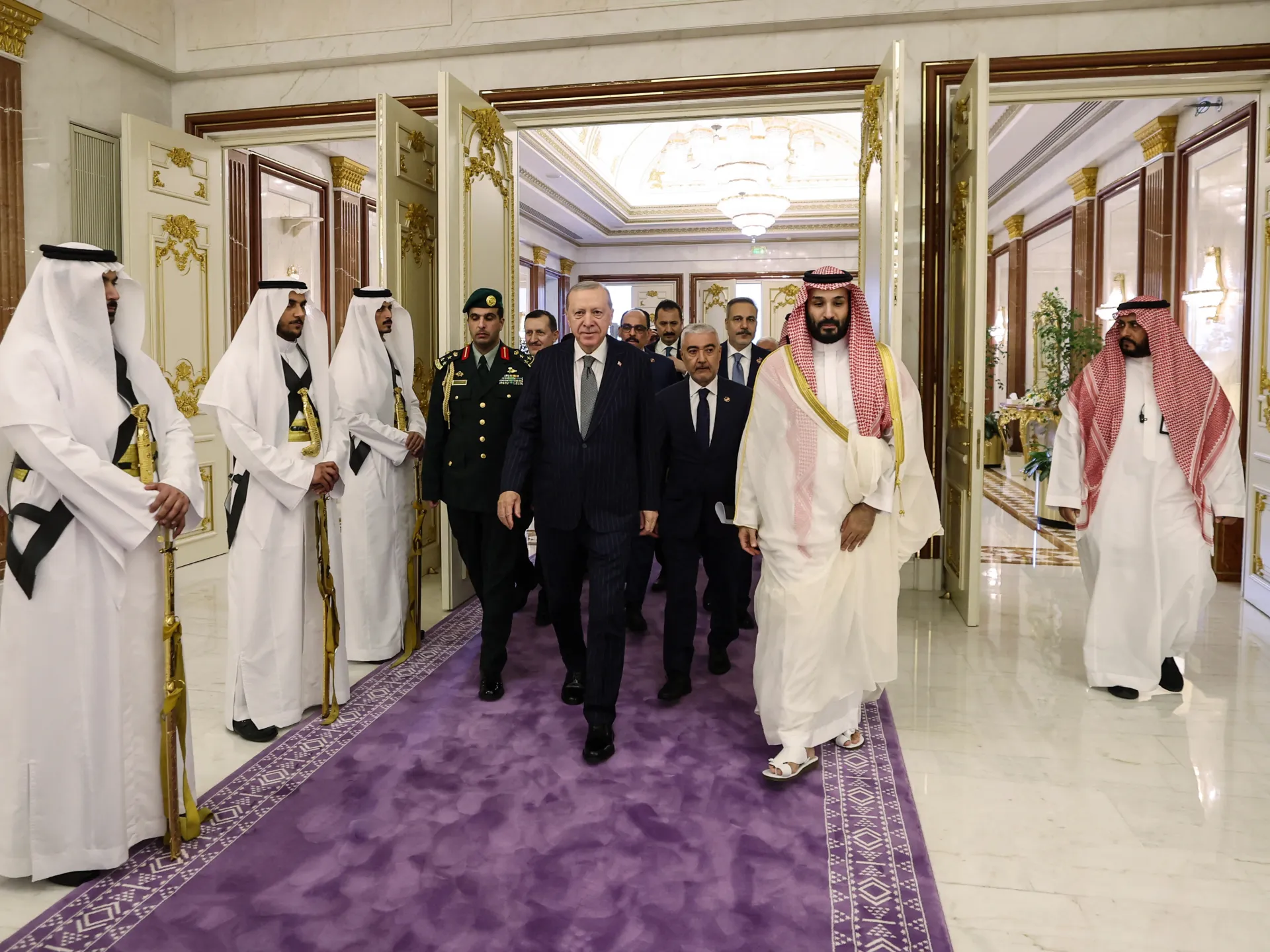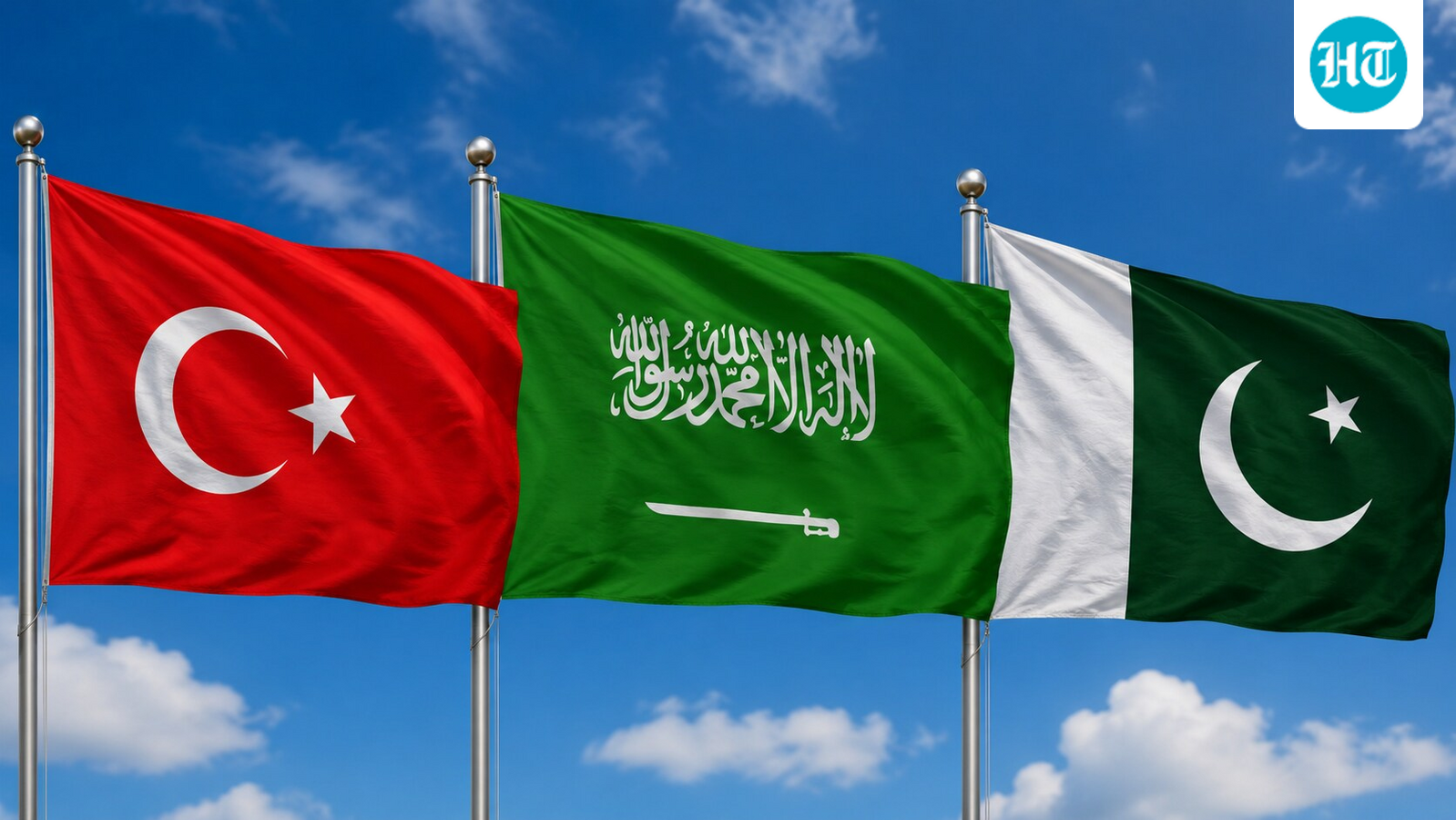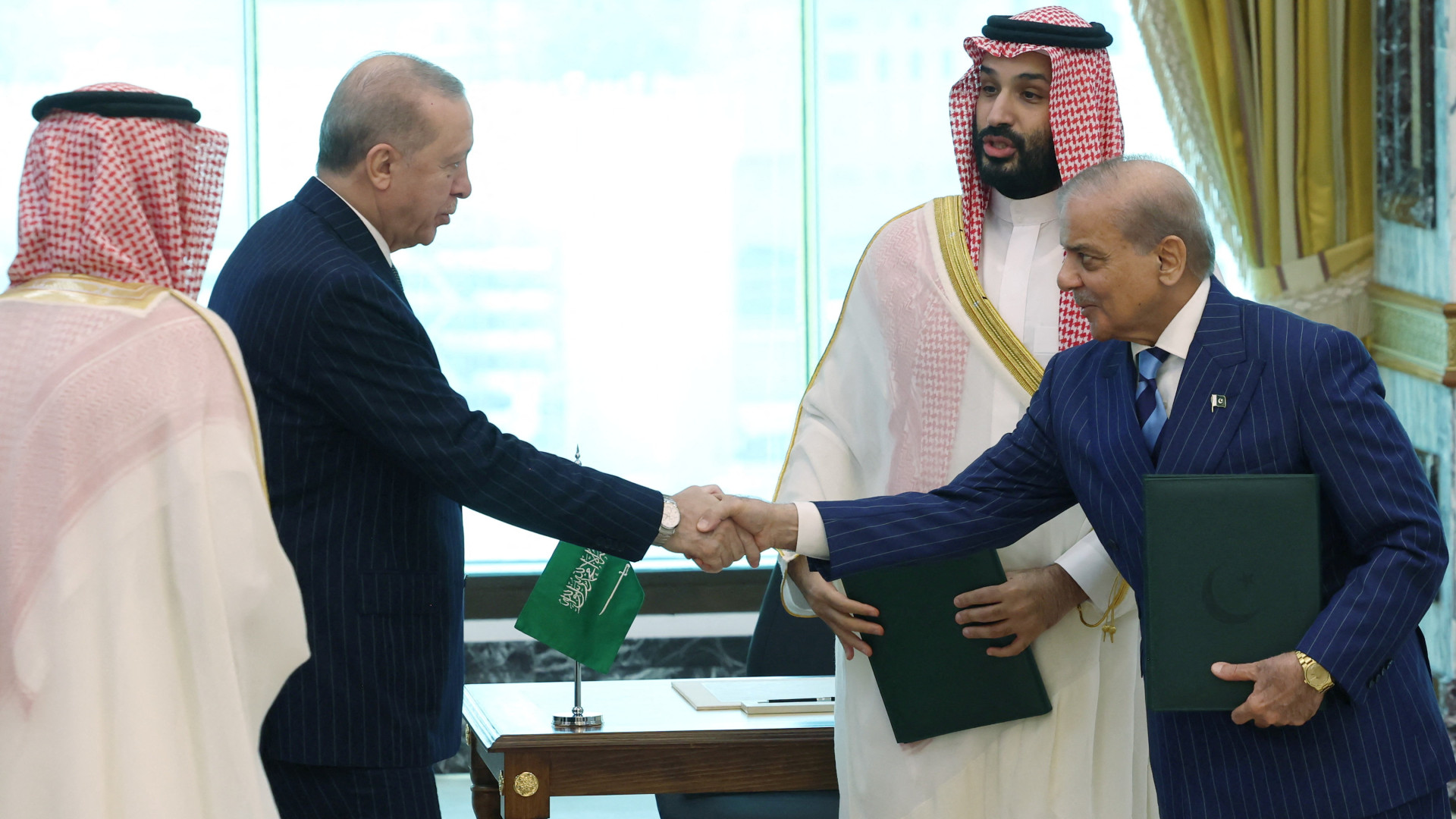
The signing of a joint defence agreement in Mecca on 7 August between Saudi Arabia, Turkey and Pakistan predictably set off a flurry of explanations.
Three of the most important Sunni Muslim states, alarmed by Iran's strategic ascendancy and the turmoil engulfing the region, were finally banding together, the argument went, to establish a military alliance that could eventually become a "Sunni" Islamic version of Nato.
This is the obvious reading. Saudi Arabia's contribution is clear: enormous financial reserves and a commanding geographic and religious position.
Turkey offers something different, as one of the region's most formidable conventional armies, backed by a defence industry that has grown more sophisticated in recent years.
Pakistan, meanwhile, brings perhaps the most consequential asset of all: a large, battle-tested military and the Muslim world's sole nuclear arsenal.