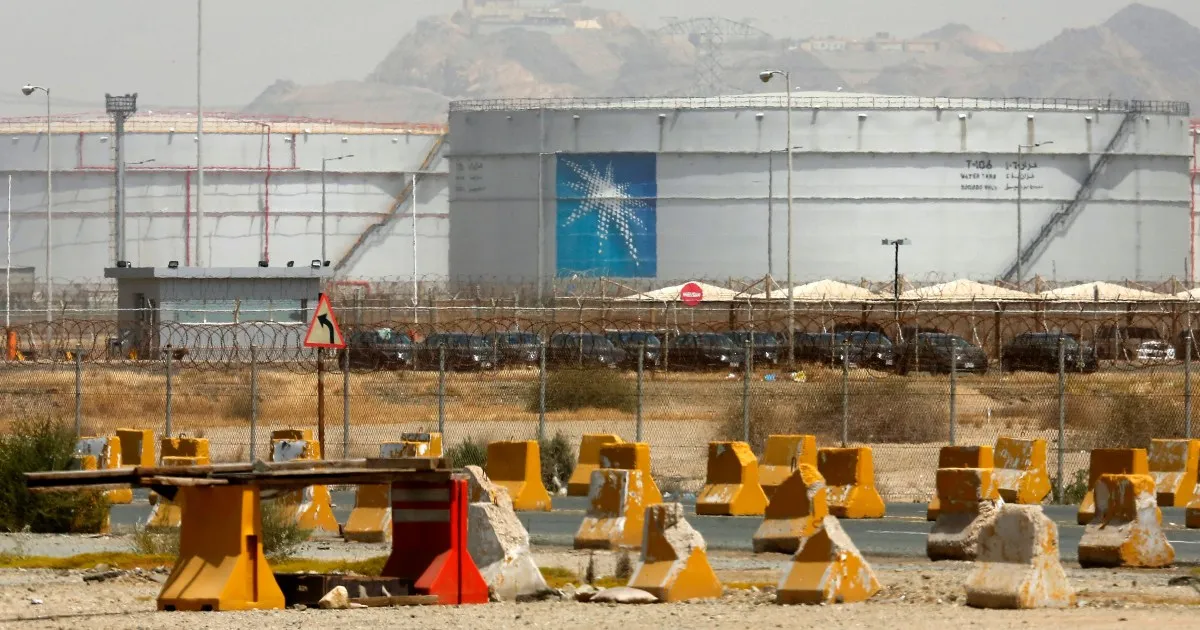
When wars pause, oil flows. Saudi Arabia told OPEC it pumped just over 1 million additional barrels per day in July, a direct result of the temporary ceasefire in the 2026 Iran conflict giving Gulf producers room to breathe, and to produce.
The kingdom’s rebound is part of a broader regional recovery. OPEC’s own data shows total cartel output climbed by 1.17 million barrels per day month-on-month in July, pushing collective production to 19.85 million barrels per day. That is a meaningful reversal from the war’s peak disruptions, when Gulf output was shut down by an estimated 6 to 10 million barrels per day.
How bad it got, and how quickly things turned
The Strait of Hormuz, the narrow chokepoint through which roughly a fifth of the world’s traded oil normally passes, became the conflict’s central vulnerability. When transit through the strait became untenable, producers scrambled for alternatives.
Saudi Aramco leaned heavily on its East-West pipeline, which runs across the Arabian Peninsula to the Red Sea and carries a capacity of around 7 million barrels per day. That workaround kept some Saudi crude moving to market even while the Gulf route was compromised.