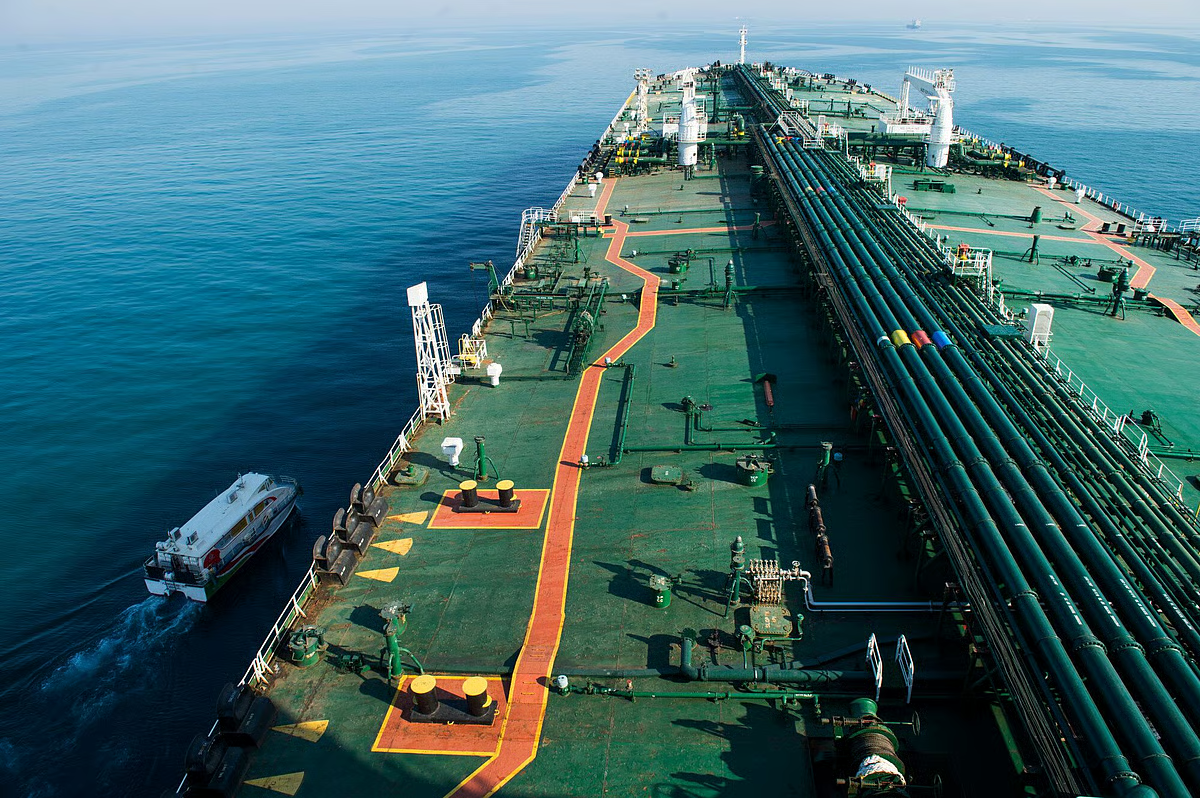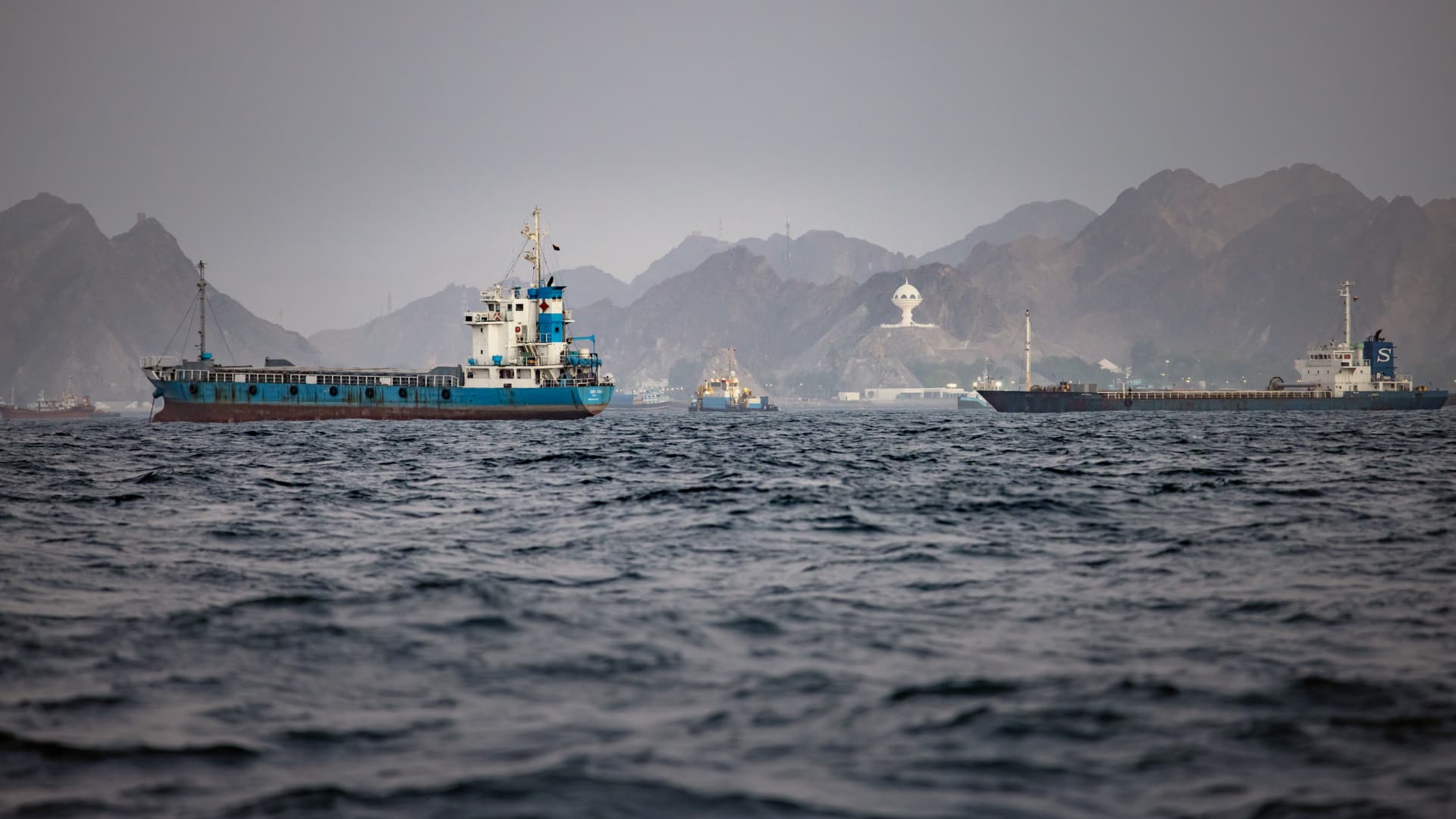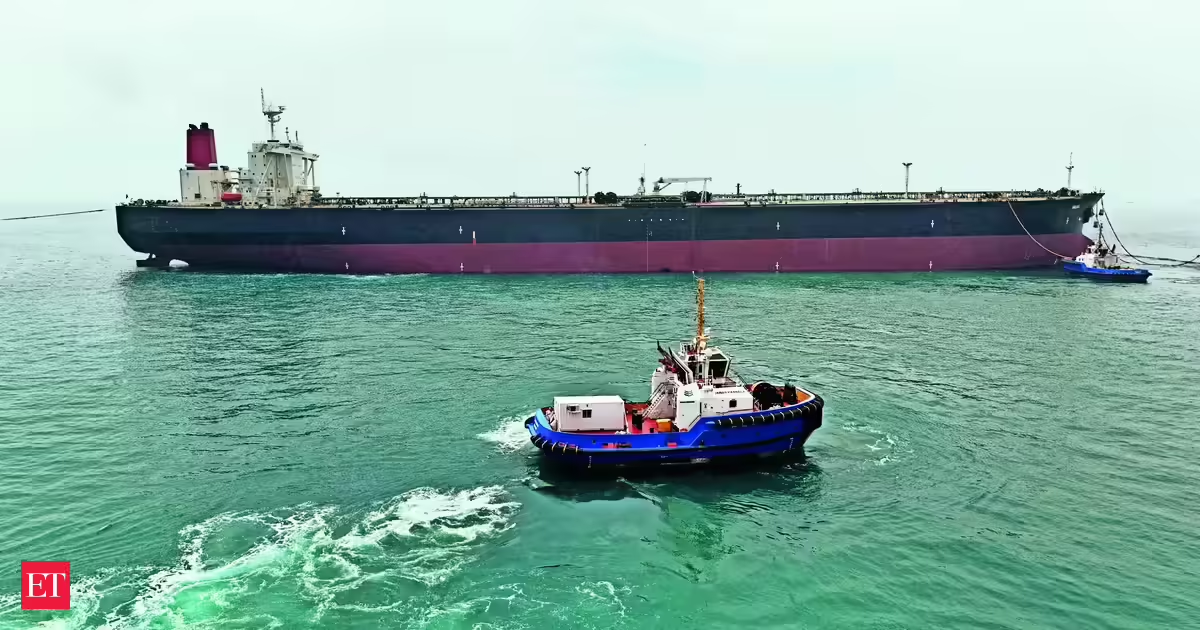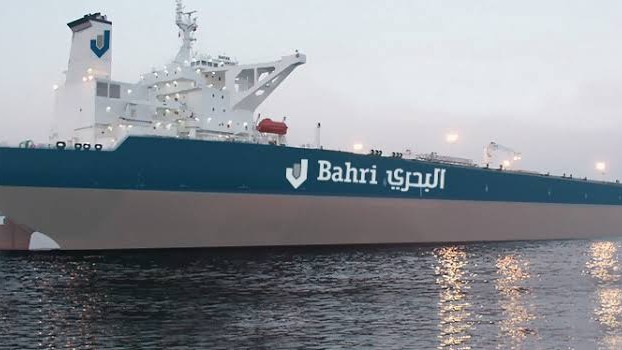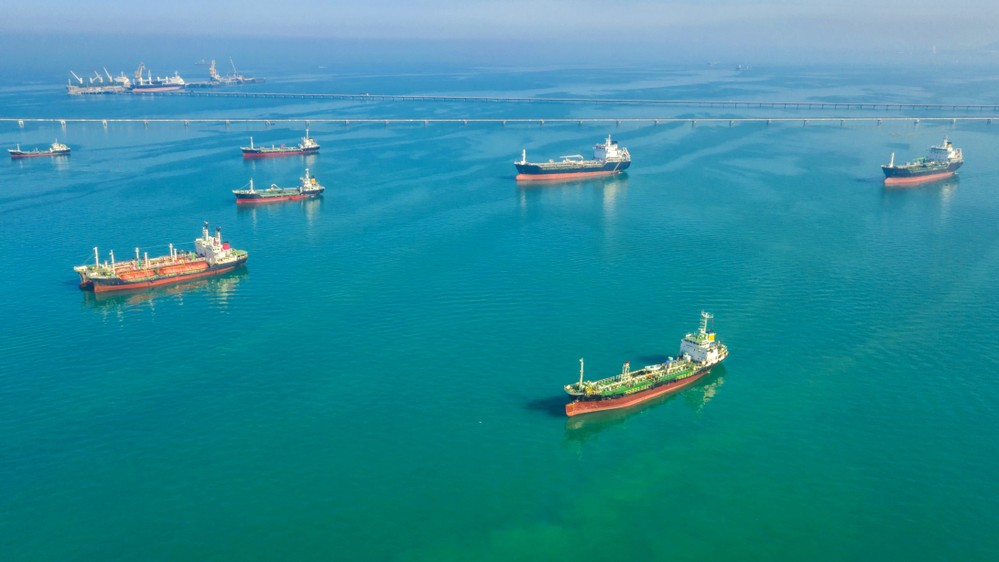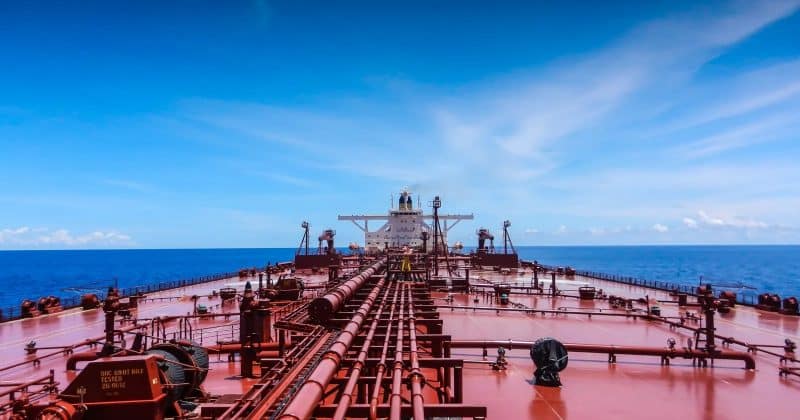
Saudi Arabia’s crude oil exports from Persian Gulf ports have climbed to their highest level since Iran blocked the Strait of Hormuz at the start of the war in late February. Tankers are loading again at Ras Tanura and other critical Gulf terminals.
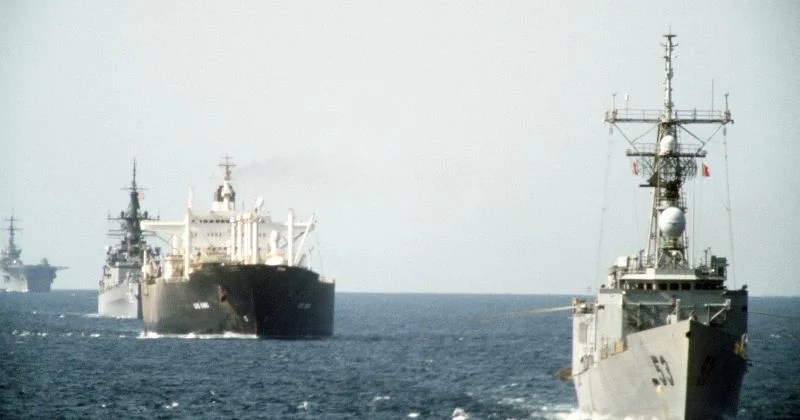
Gulf-origin exports have reached approximately 4.45 million barrels per day as of June 2026, up from a low of 3.99 million b/d in April. That recovery owes much to the ceasefire agreement between the United States and Iran, which has allowed very large crude carriers (VLCCs) to transit the strait for the first time since the conflict erupted.
From blockade to pipeline workaround
Roughly a fifth of the world’s oil passes through the Strait of Hormuz on any given day. When Iran effectively shut it down in March, Middle East Gulf exports plummeted by 60-71% at the crisis’s worst point.
Saudi Arabia activated its East-West pipeline, rerouting crude to Red Sea ports, primarily Yanbu, on the country’s western coast. Exports from Red Sea facilities tripled to approximately 5 million b/d by mid-April.