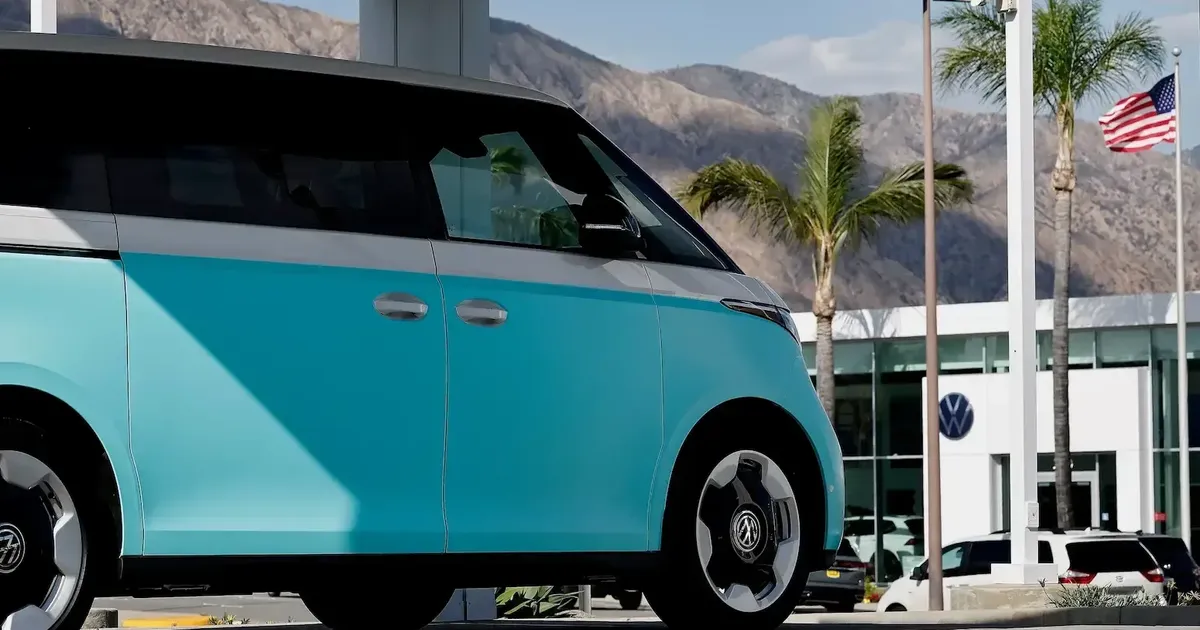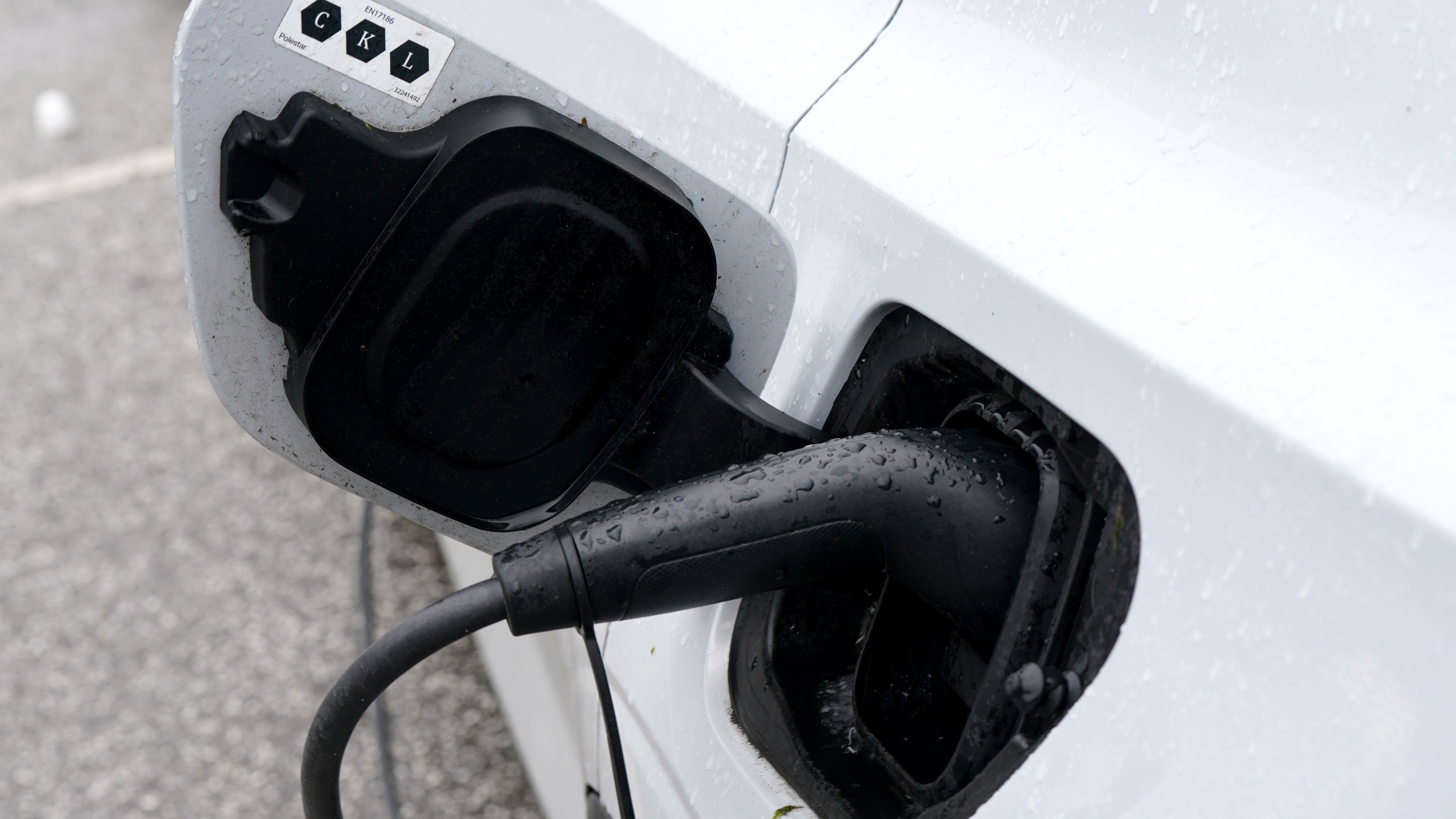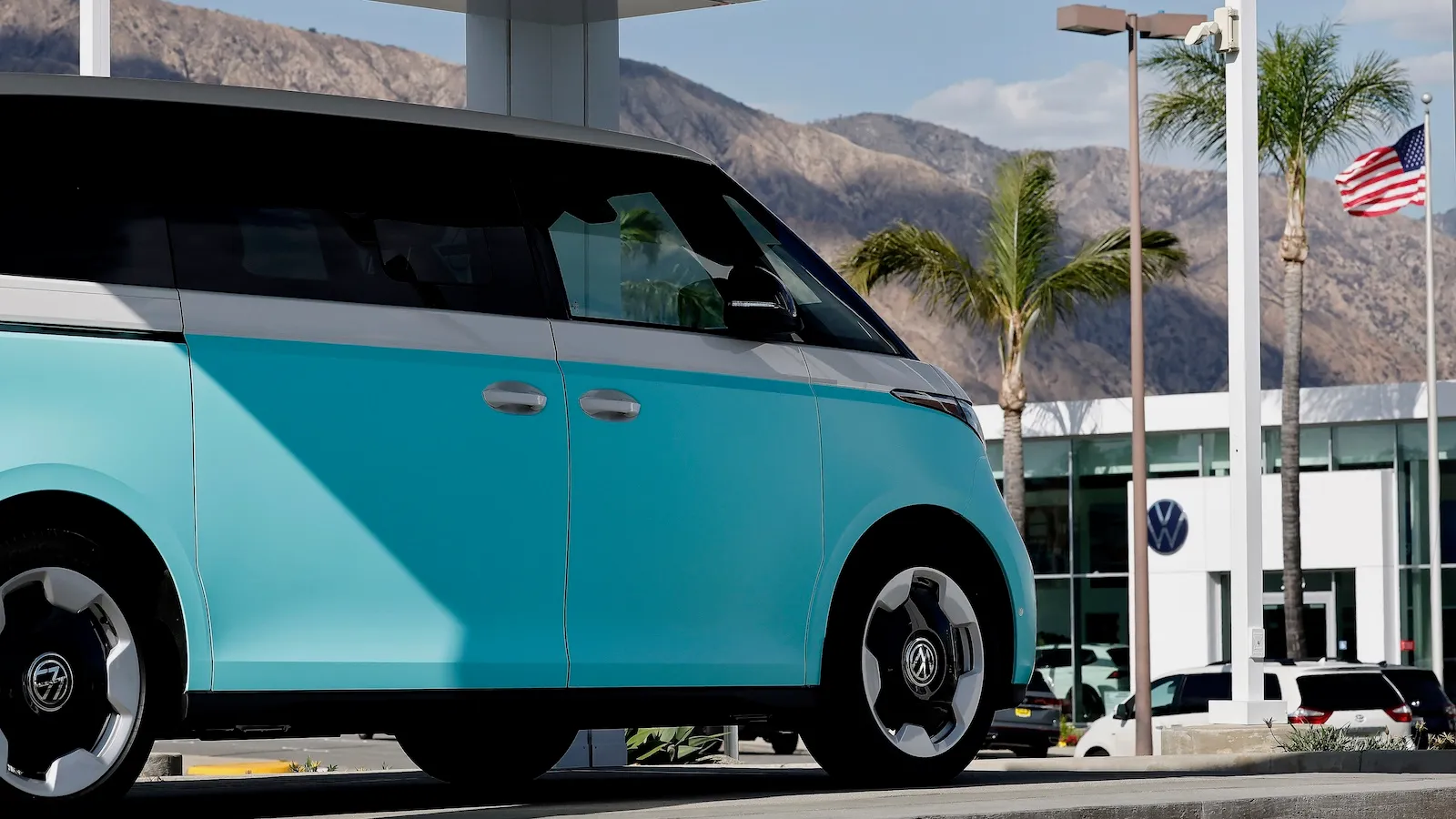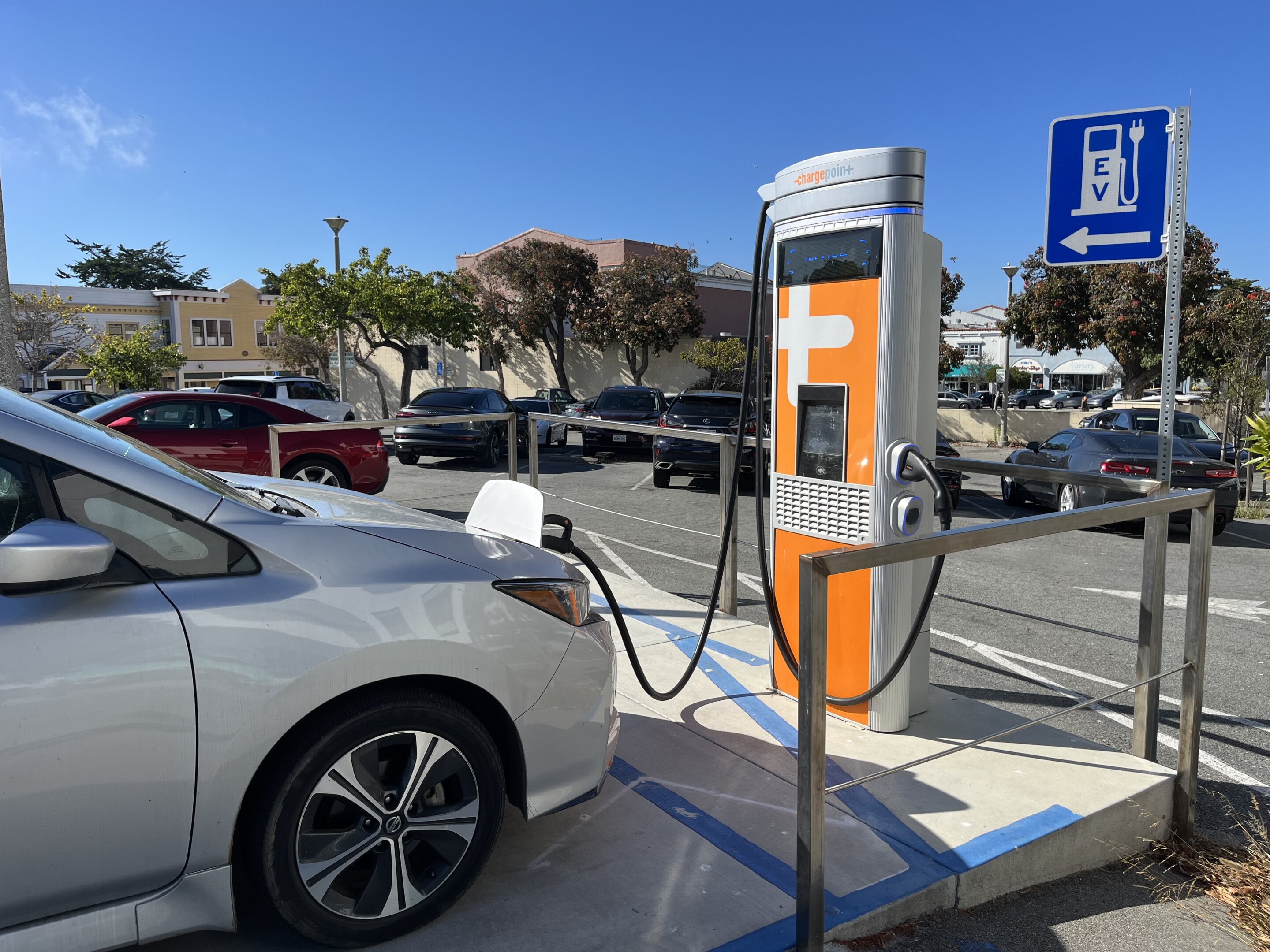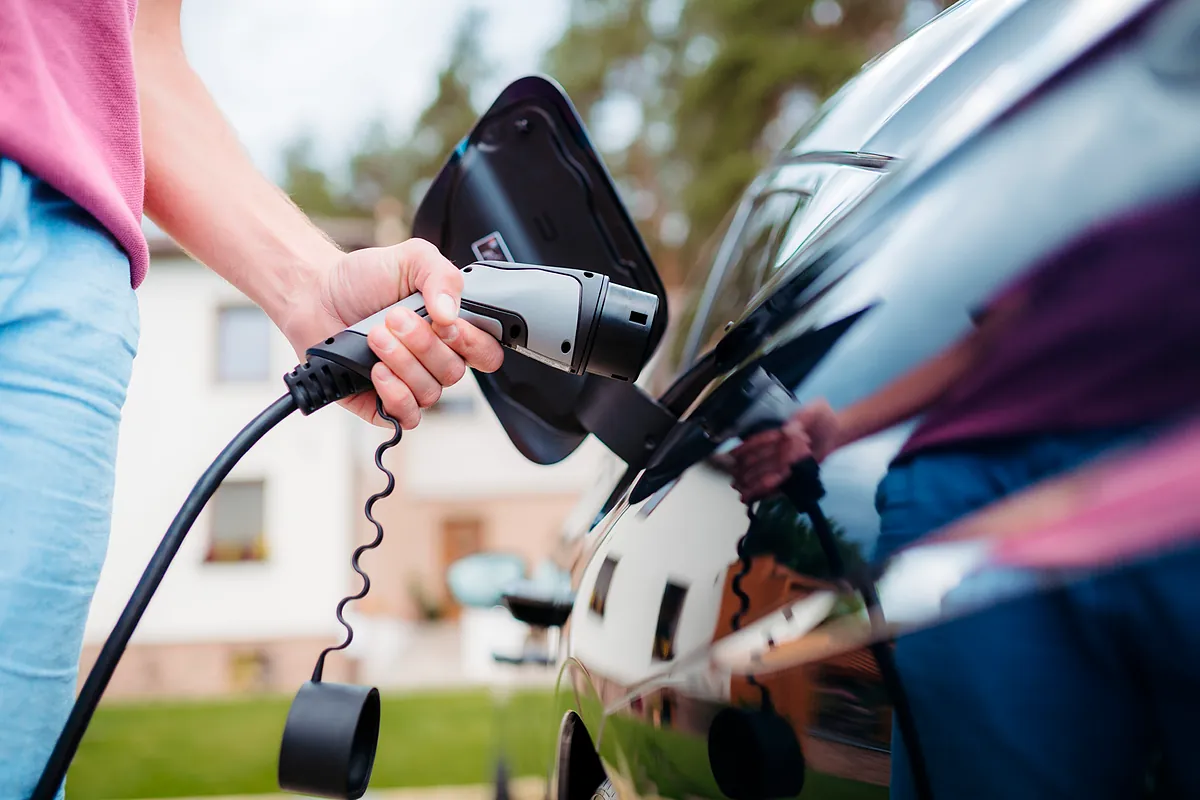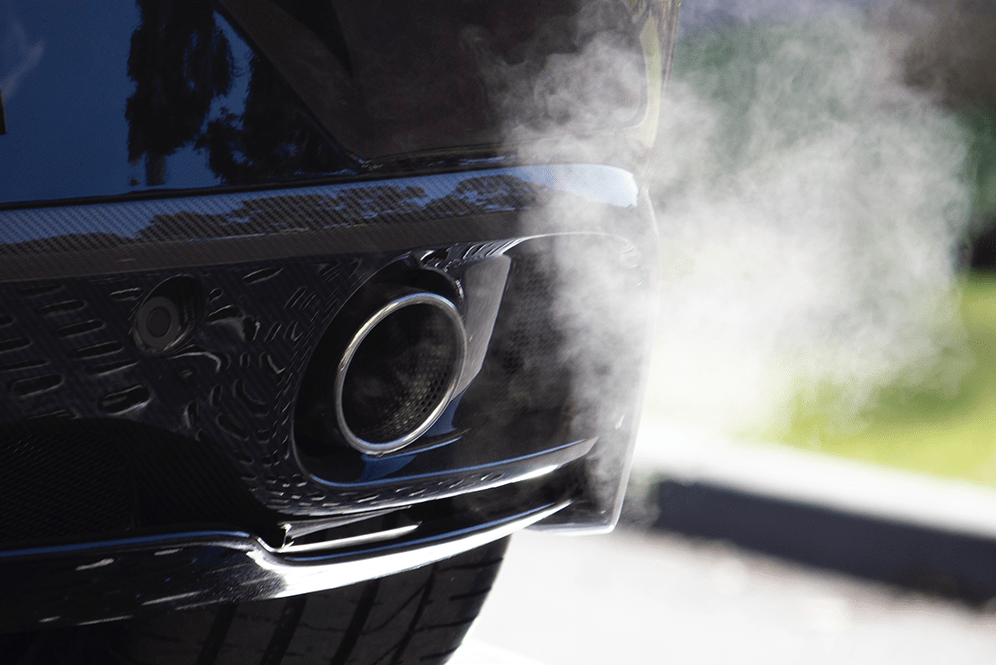
A study by researchers at the University of California Santa Cruz (UCSC) finds that switching early from an internal combustion engine vehicle to a battery-electric car almost always significantly reduces CO₂ emissions. However, this requires the ICE vehicle to be scrapped rather than resold, as continued use would still generate CO₂ emissions. As a result, replacing even a one-year-old petrol car with an electric vehicle can reduce CO₂ emissions. The researchers did not investigate whether such an early switch is financially beneficial for the driver.
For the study, published in the scientific journal Science, the researchers analysed more than 400 vehicle scenarios. They considered factors including fuel efficiency, battery size, annual mileage and regional electricity mixes, with a focus on the US. In 92 per cent of the modelled scenarios, switching to an electric car as early as possible was more climate-friendly than continuing to use an ICE vehicle. The longer an ICE vehicle remains in use, the more CO₂ it emits.
According to the study, an electric car typically offsets the additional CO₂ emissions from vehicle and battery production after around three years, after which its overall carbon footprint becomes lower than that of an ICE vehicle. Manufacturers are increasingly working to reduce this initial CO₂ burden. For example, BMW states that the iX3 achieves a lower CO₂ footprint after 21,500 kilometres than a comparable ICE vehicle. At an annual mileage of 11,000 kilometres, it would reach this point after around two years.