Washington has been handing the crypto industry a series of wins: friendlier rhetoric from the White House, a new SEC chair who speaks fluent DeFi, and the first federal stablecoin law in American history. In practice, a growing chorus of industry leaders is warning that most of these gains are built on sand.
The core problem is structural. Much of what the crypto world is celebrating right now comes from executive orders, agency guidance, and administrative reinterpretations of existing rules. Those tools are fast and flexible, which makes them appealing to a president who wants results. They’re also reversible, which makes them terrifying to anyone planning to invest billions of dollars over a decade-long time horizon.
What’s actually been signed into law
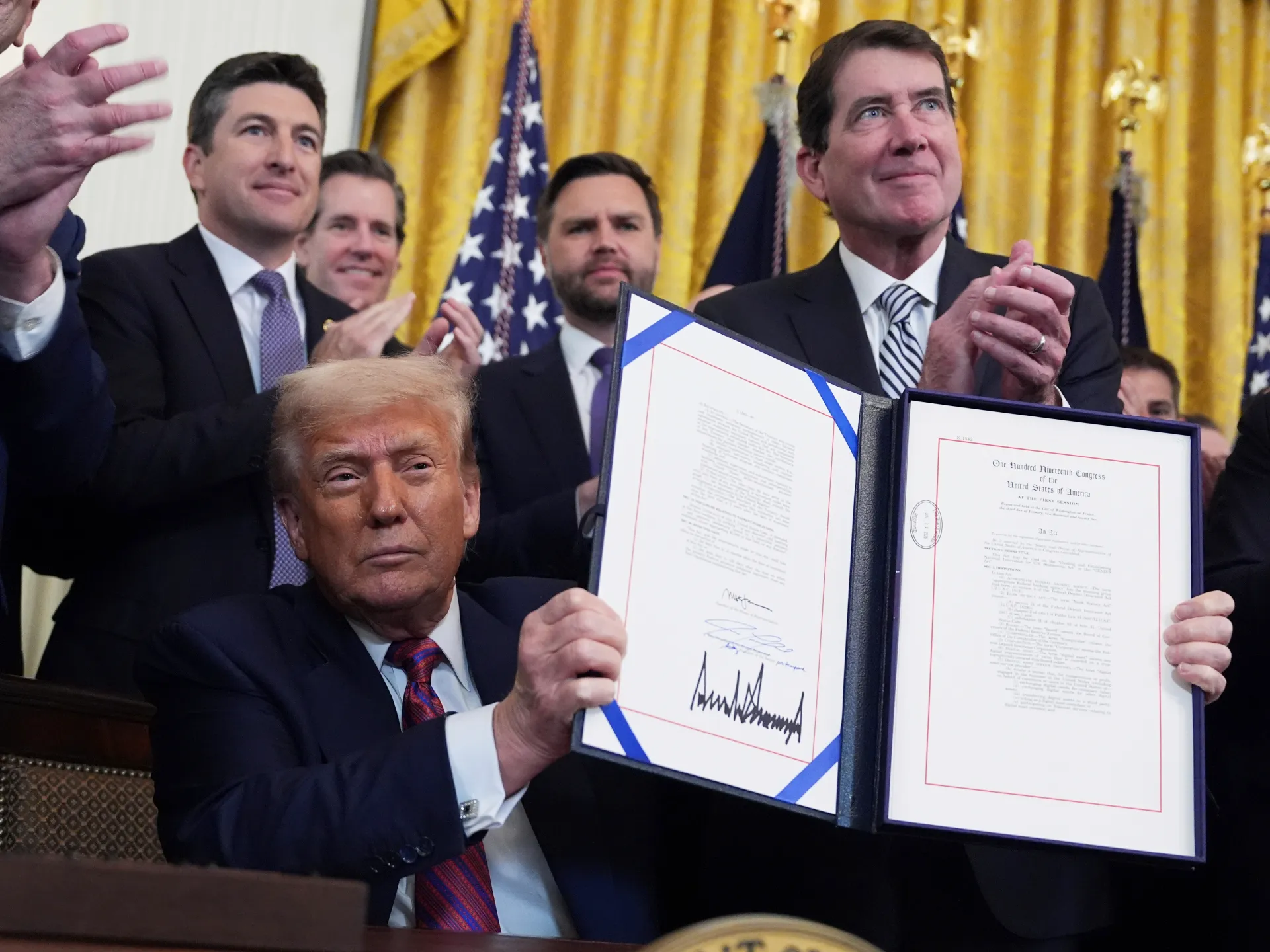
The GENIUS Act, signed into law in July 2025, stands as the most concrete legislative achievement for digital assets to date. It created the first federal framework for stablecoins, the dollar-pegged tokens that serve as the plumbing for most crypto trading. Regulators have until July 18, 2026, to issue implementing rules, meaning the real-world impact is still taking shape.
Then there’s the CLARITY Act, which tackles the turf war between the SEC and the CFTC over who gets to regulate what in crypto. The bill attempts to draw clearer lines around which digital tokens count as securities and which are commodities. It passed the House and then cleared the Senate Banking Committee on a bipartisan basis in May 2026.