https://arab.news/565pf
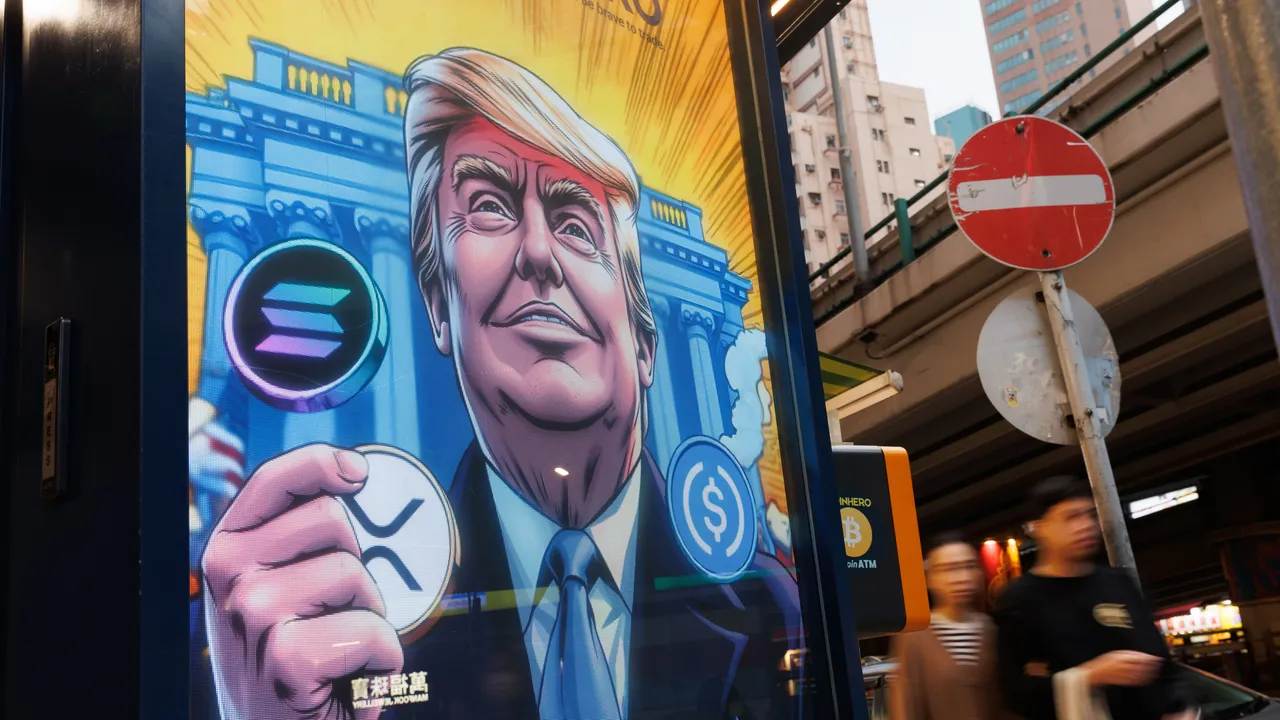
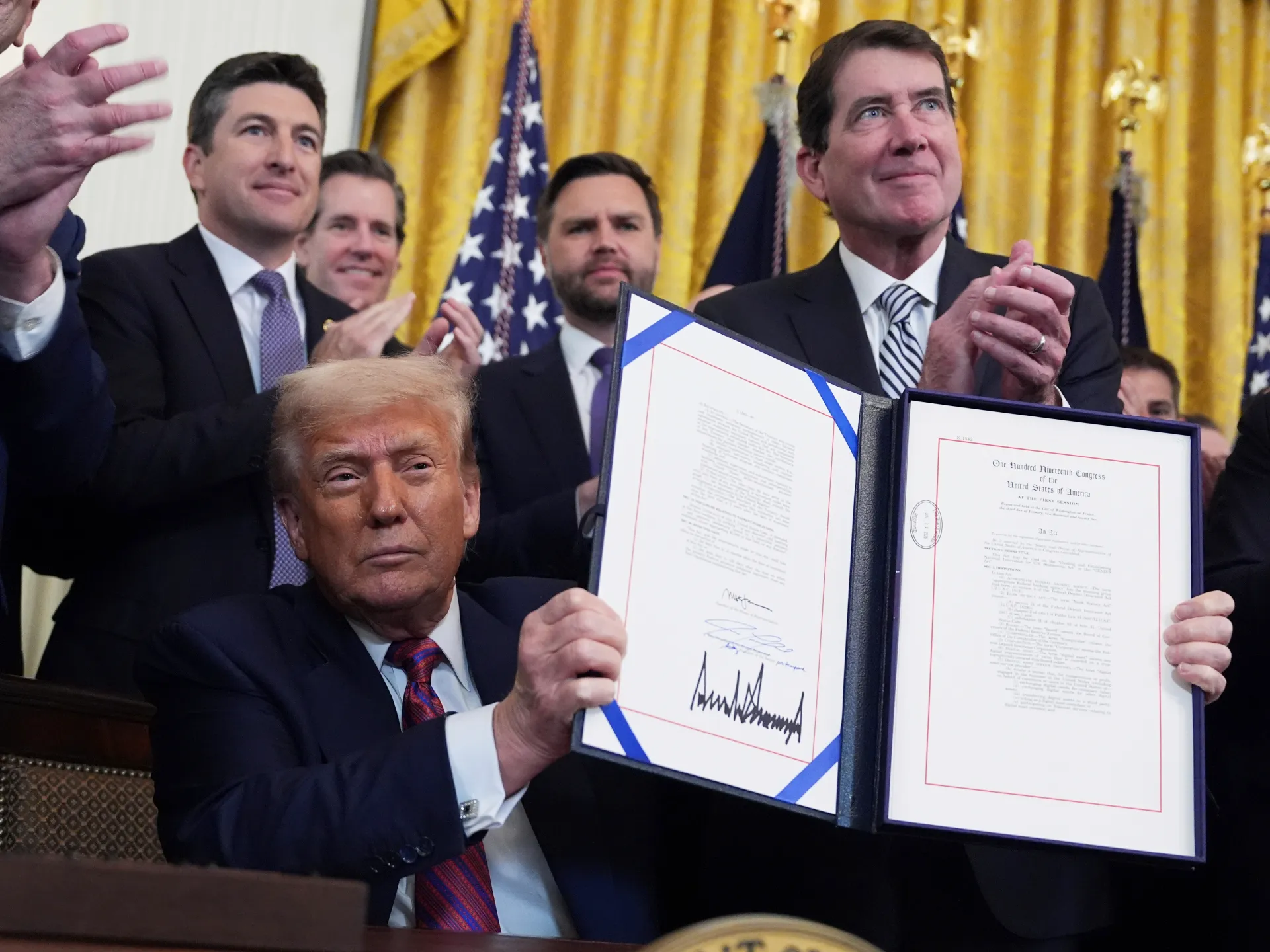
Cryptocurrencies have long existed in a legal and financial gray zone — praised as disruptive innovations, dismissed as speculative bubbles and often relegated to the periphery of serious capital markets. That era is over. New US federal regulation of digital assets, especially stablecoins, signals a shift from speculation to mainstream investment. Legislation known as the Genius Act is one of three cryptocurrency bills currently advancing in Washington with President Donald Trump’s support.
This is not merely a regulatory footnote. It is a structural turning point. For the first time since the publication of Satoshi Nakamoto’s white paper in 2008, the debate in Washington is no longer about whether to regulate crypto, but how — and, more importantly, who gets to define the rules. With bipartisan momentum and political backing from figures such as Trump, the US is stepping decisively into a global contest over digital financial infrastructure.
The implications are material, especially for investors and financial institutions recalibrating their exposure to a space once seen as fringe. Since the collapse of FTX, the crypto industry has not only recovered market capitalization but has also ramped up lobbying efforts, poured capital into US elections and achieved a legislative milestone that provides regulatory clarity for dollar-backed stablecoins. The new framework mandates full reserve backing with short-term, Treasury-like instruments and places oversight in the hands of state or federal regulators. What was once dismissed as internet play money is now being granted legal standing and policy legitimacy.