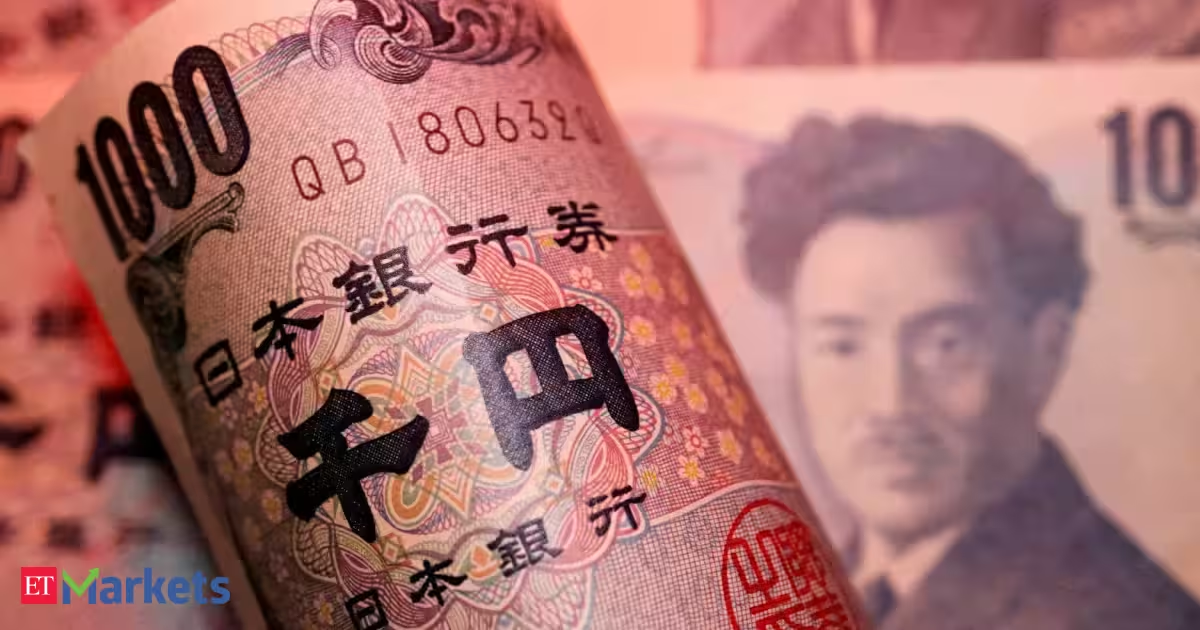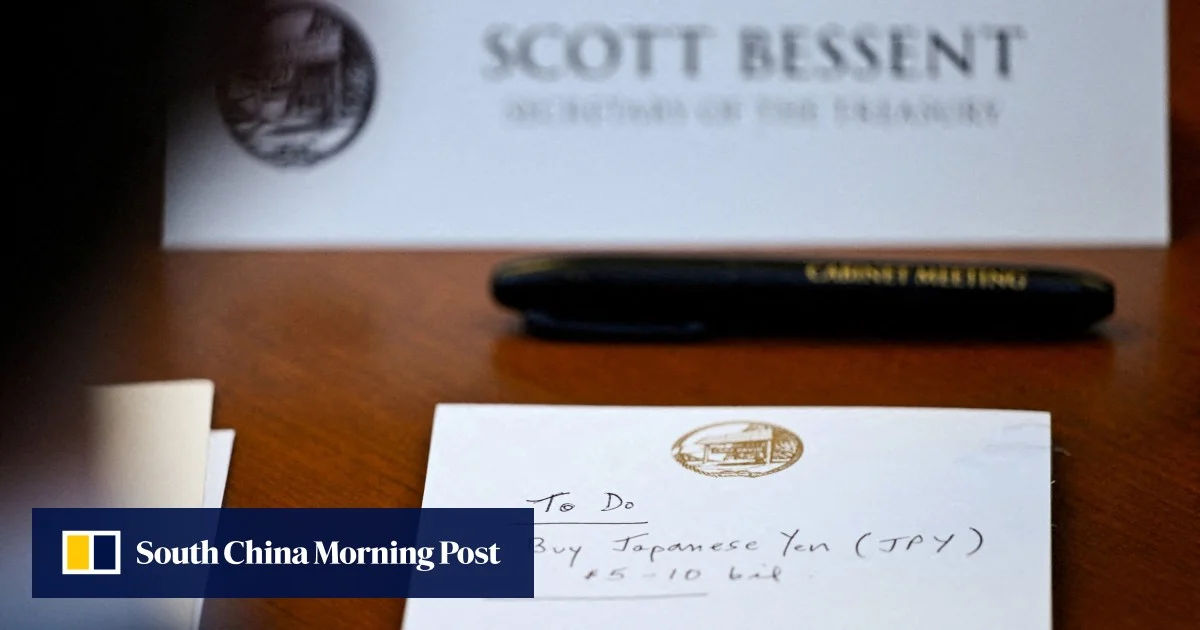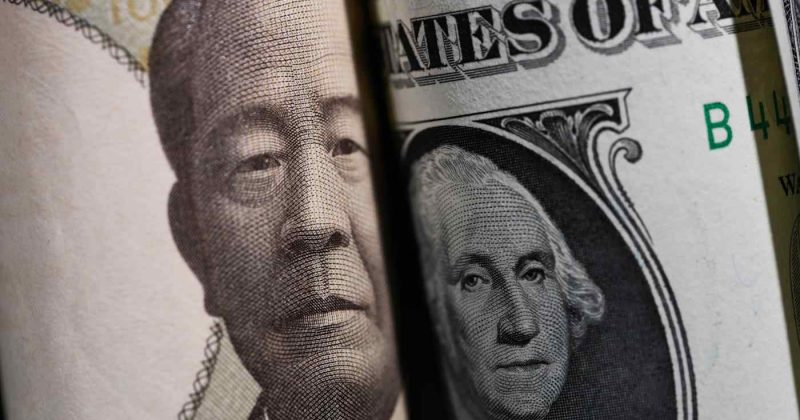
The US and Japan just pulled off something the currency world hasn’t seen in nearly three decades. A coordinated foreign exchange intervention to prop up the yen, confirmed on August 3, is now sending ripple effects across the Pacific, putting upward pressure on China’s renminbi at a moment when Beijing is still figuring out how much appreciation it actually wants.
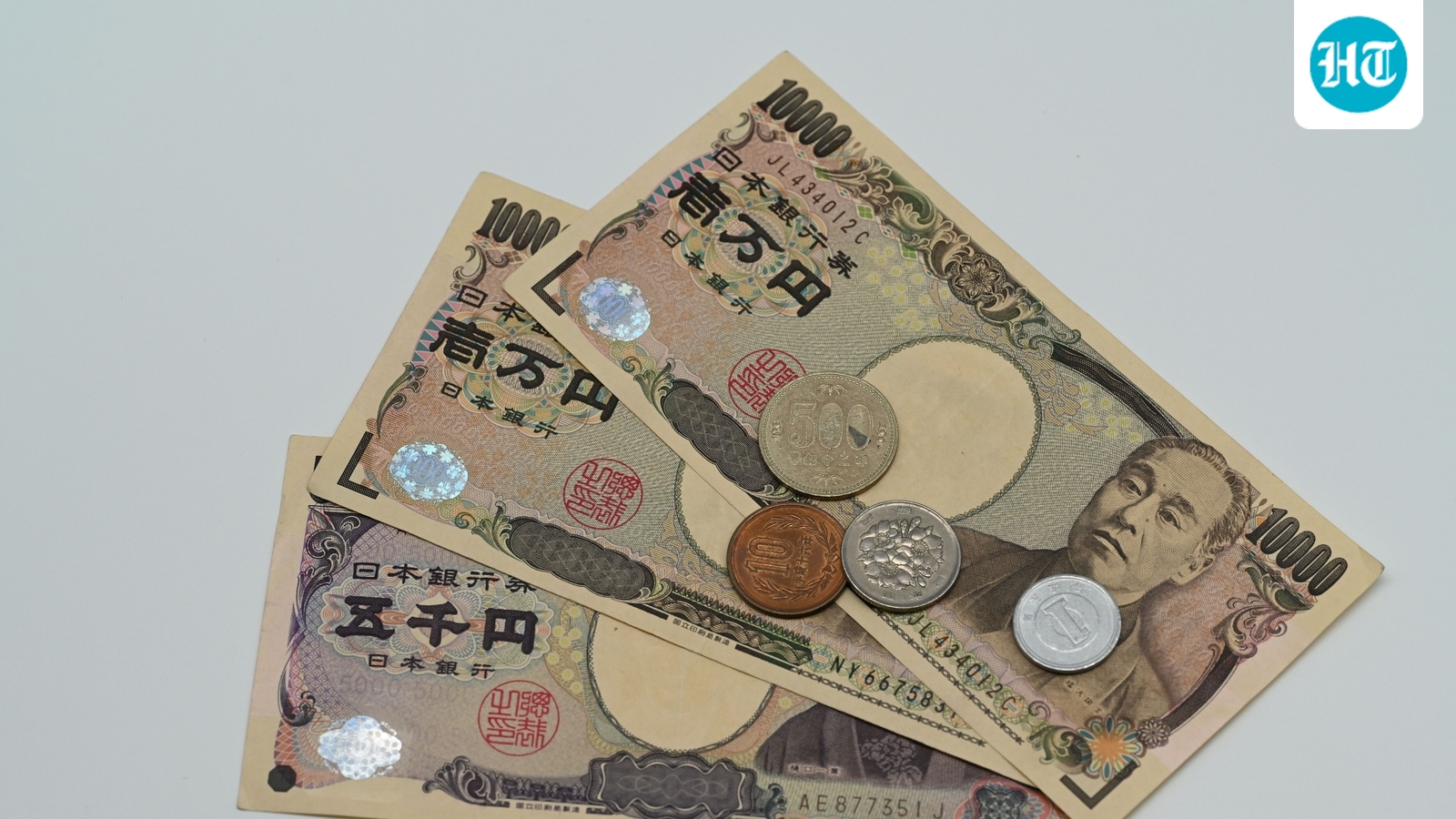
The joint operation, executed on July 30-31, involved buying yen in a move that pushed the currency from around 164 per dollar to approximately 155. That’s a roughly 5% swing in a matter of days. The last time Washington and Tokyo teamed up like this on forex markets was 1998, during the Asian financial crisis.
What happened and why it matters for the yuan
The mechanics of the intervention were somewhat unusual. Rather than selling dollars directly, the US Treasury acted through the Federal Reserve Bank of New York using euro-yen transactions.
US President Donald Trump framed the intervention as a gesture of friendship toward Japan. Japan’s Finance Minister Katayama struck a more tactical tone, signaling readiness for further action if the yen came under pressure again.