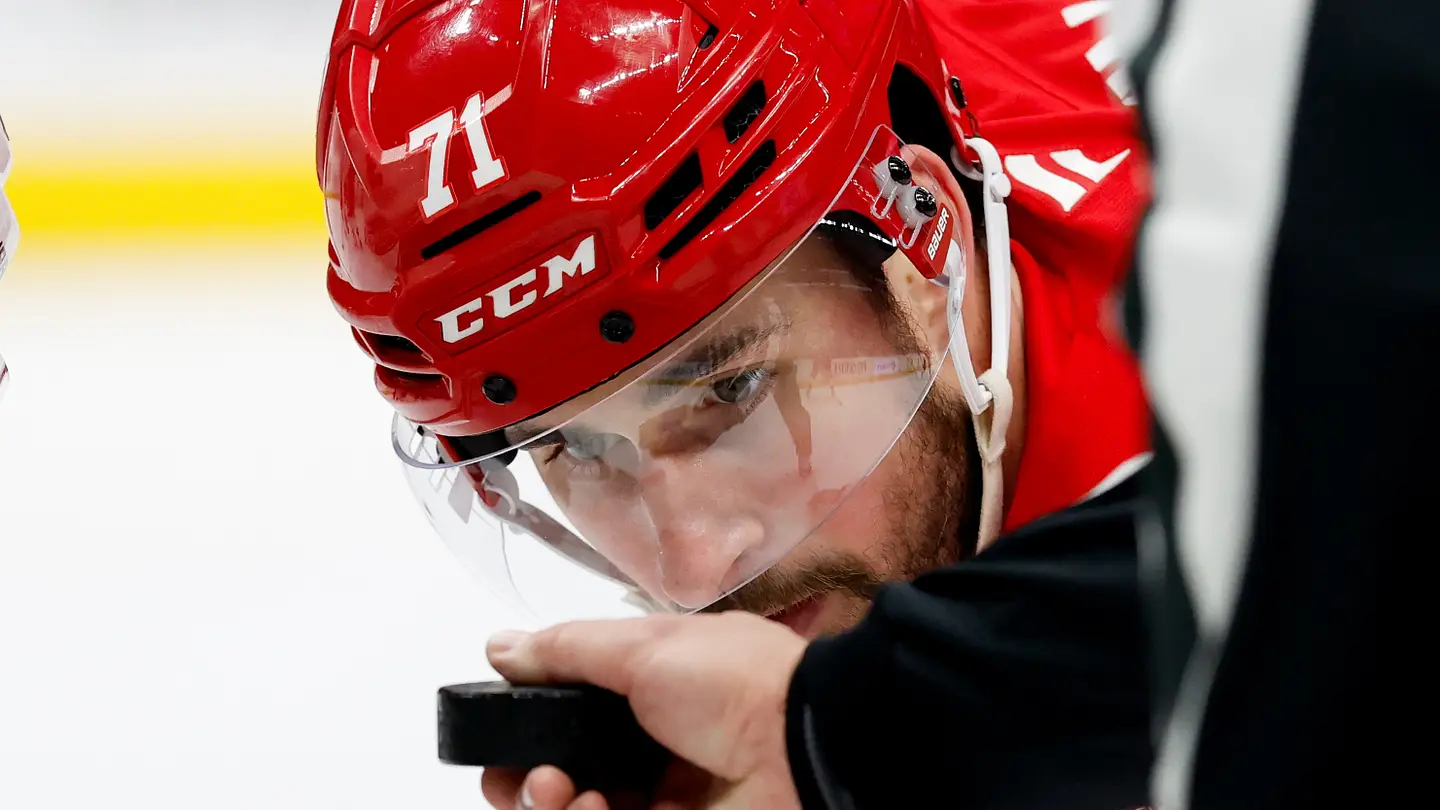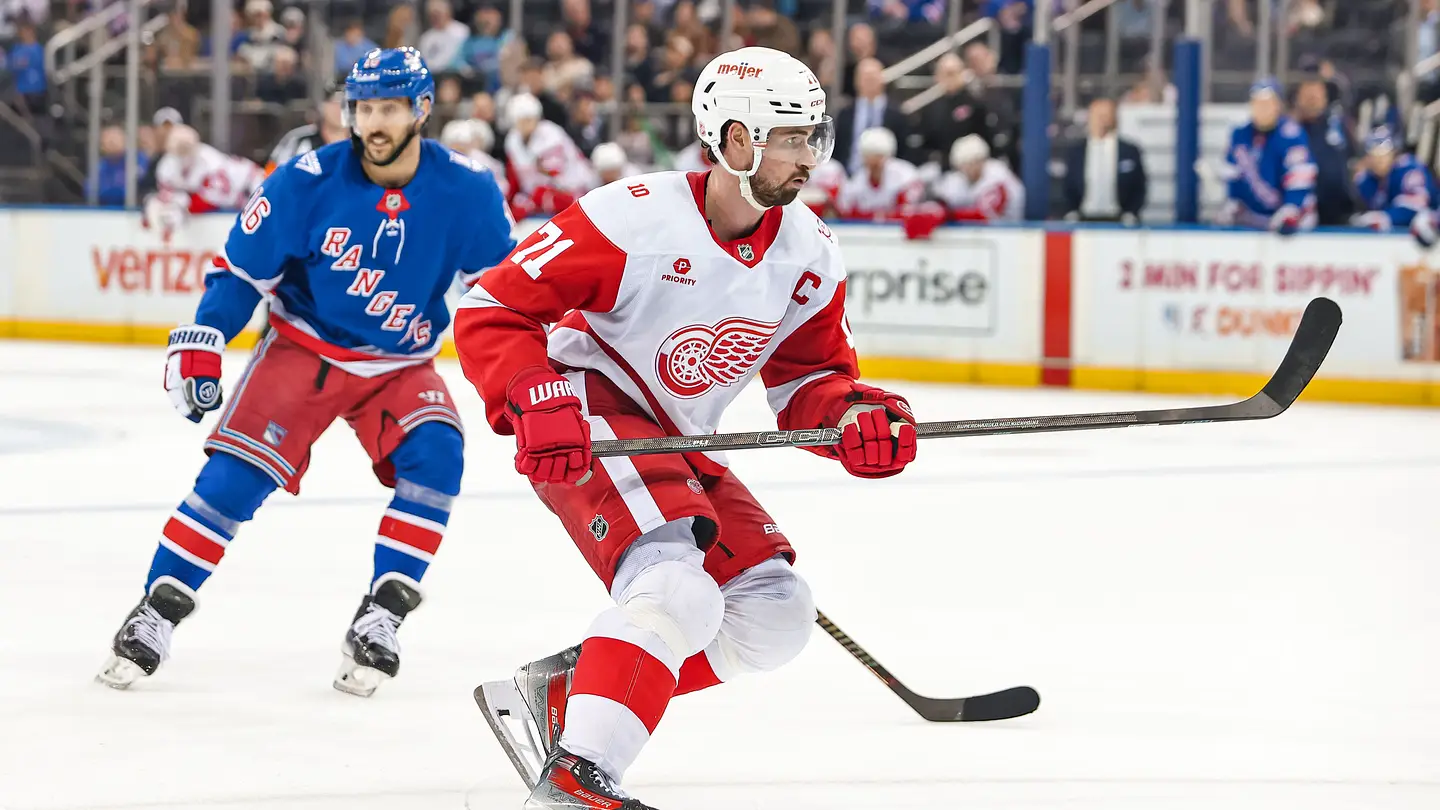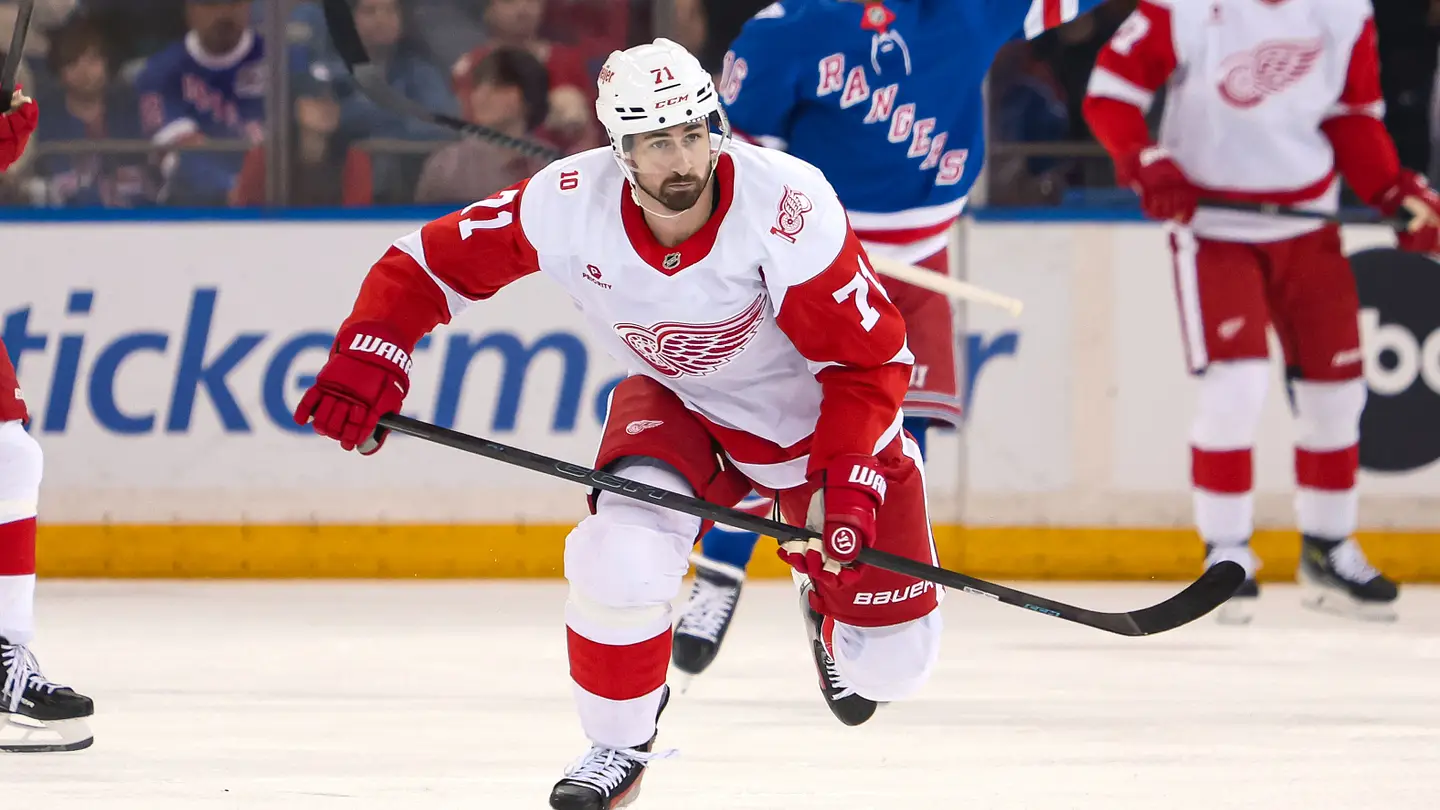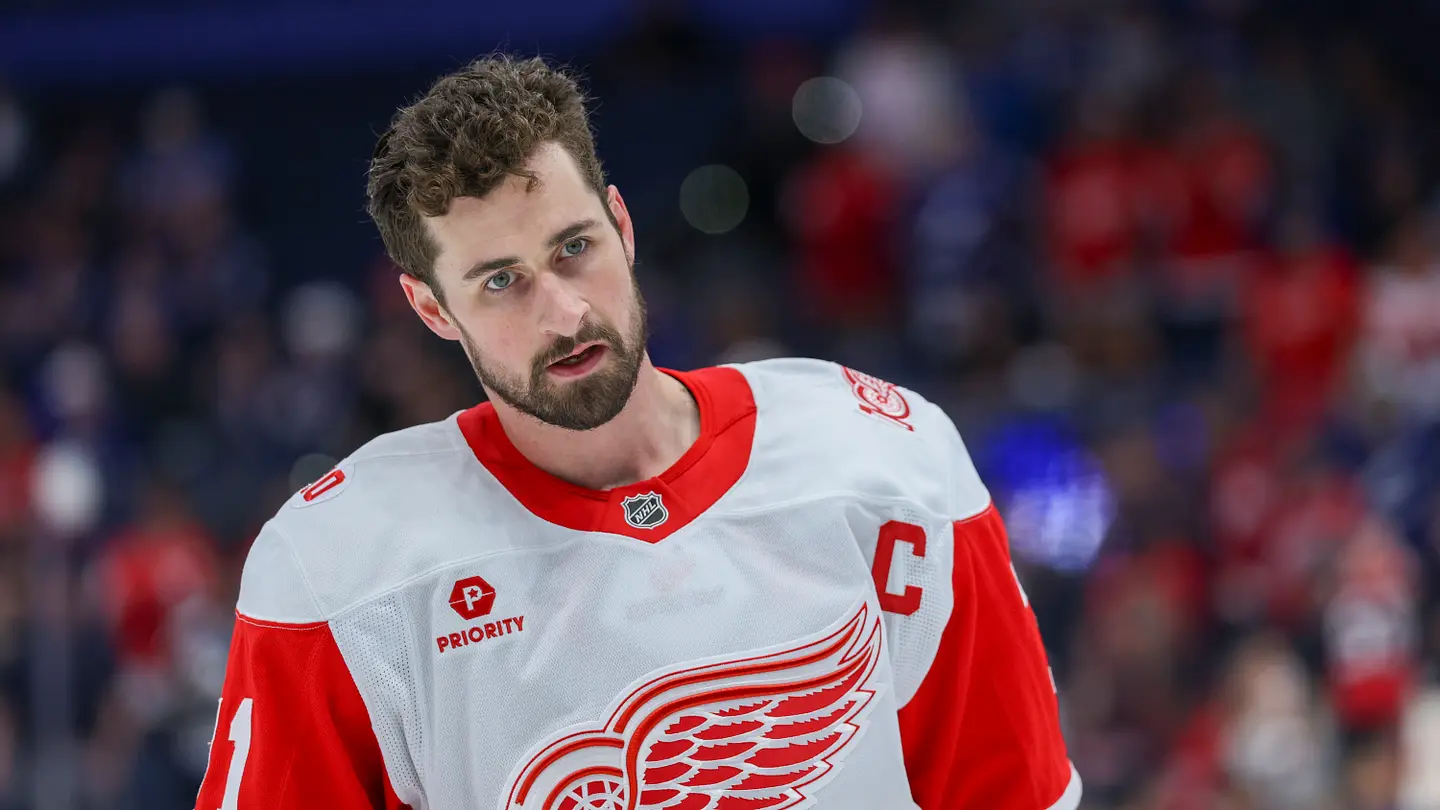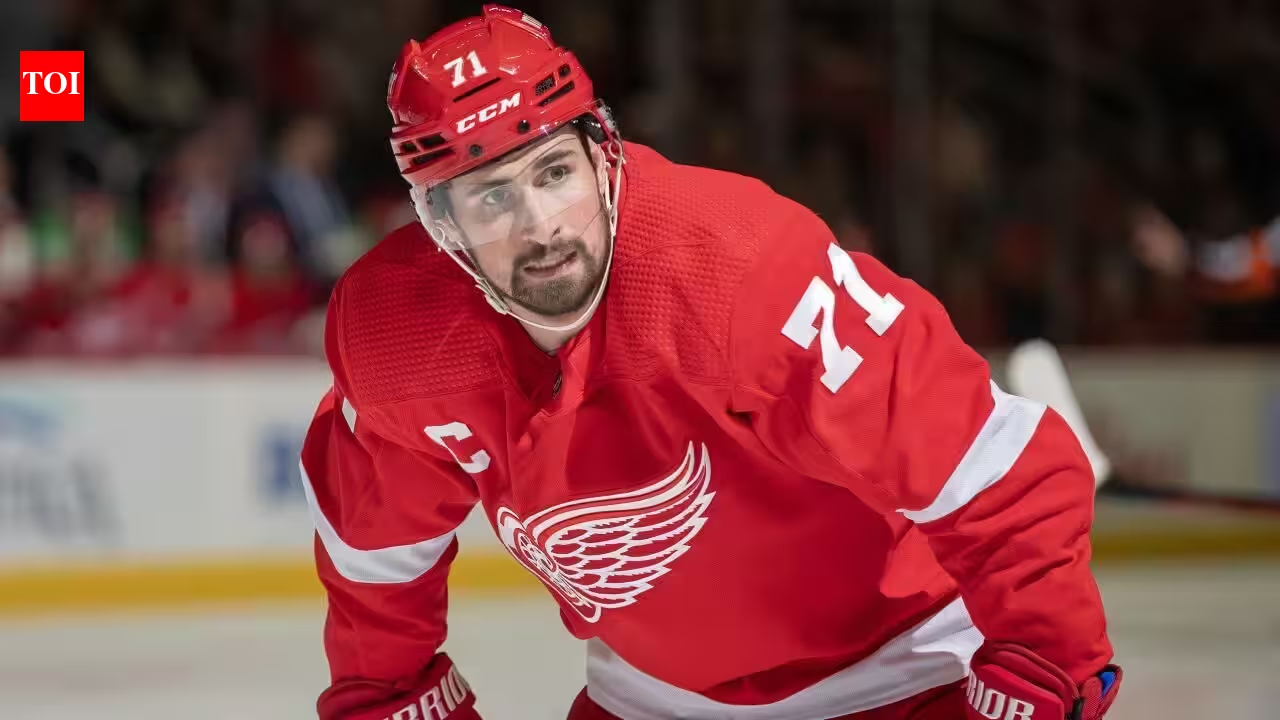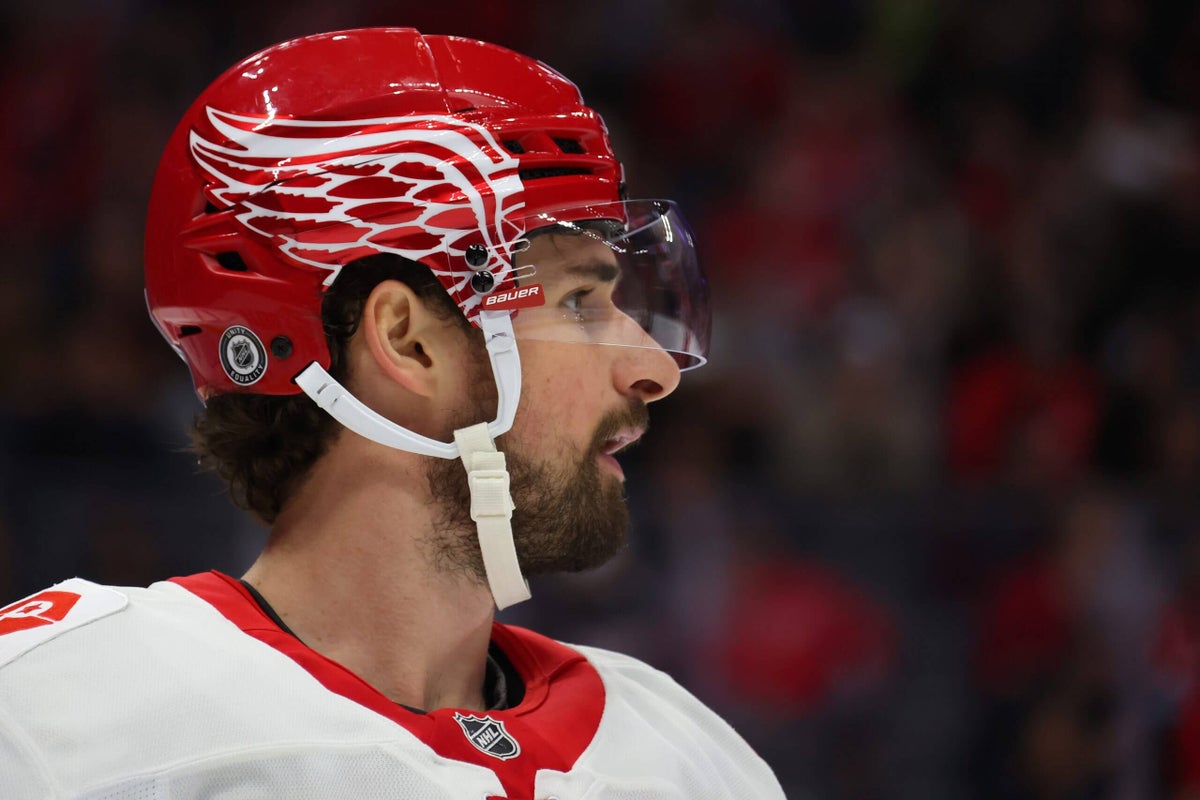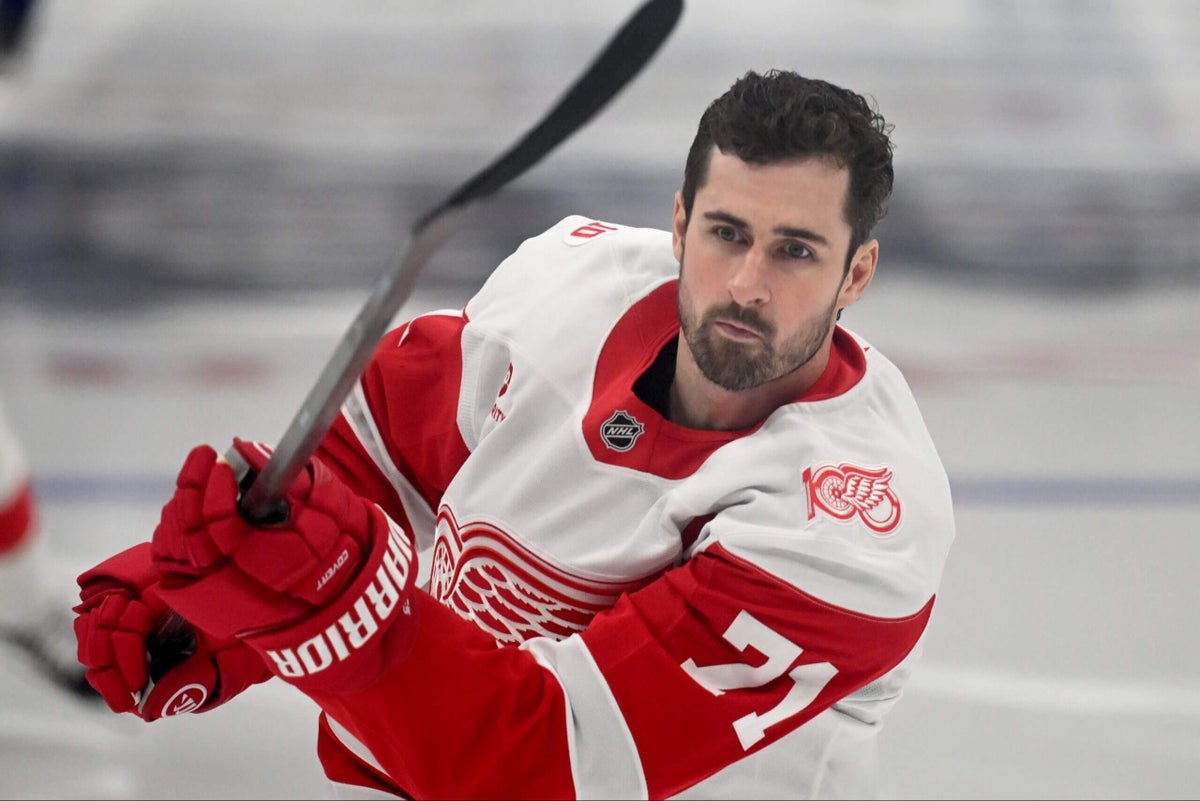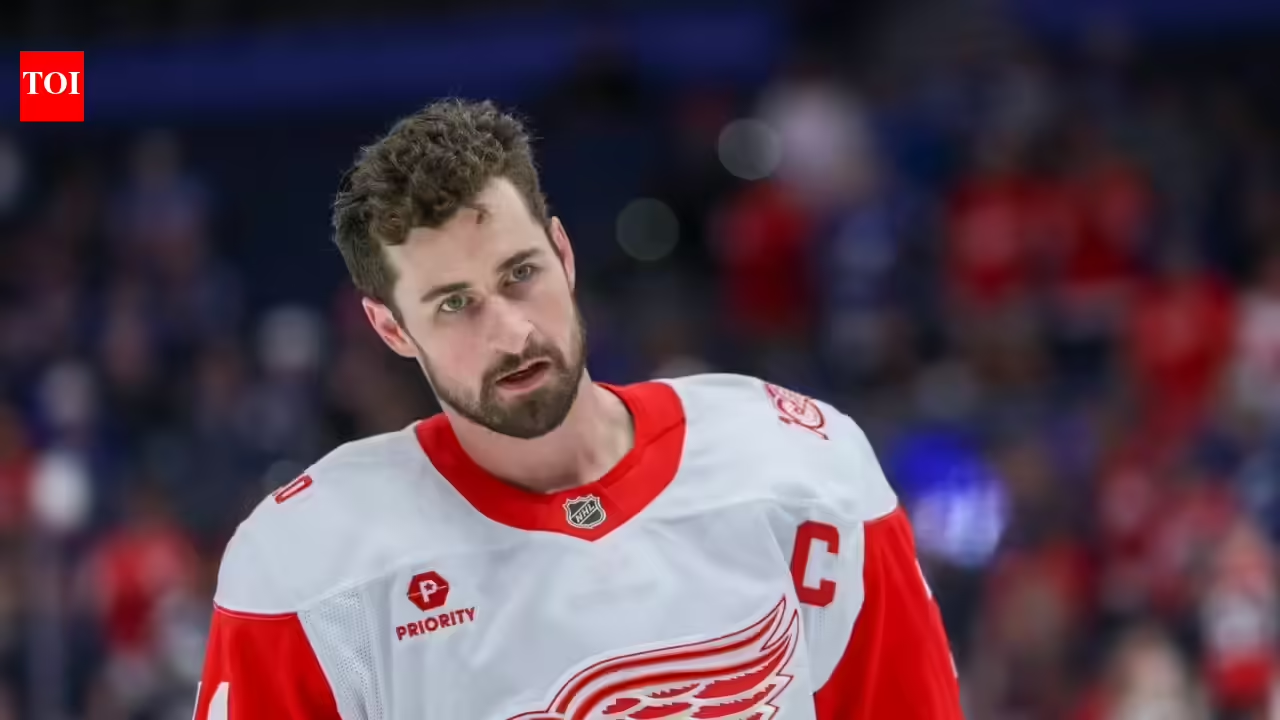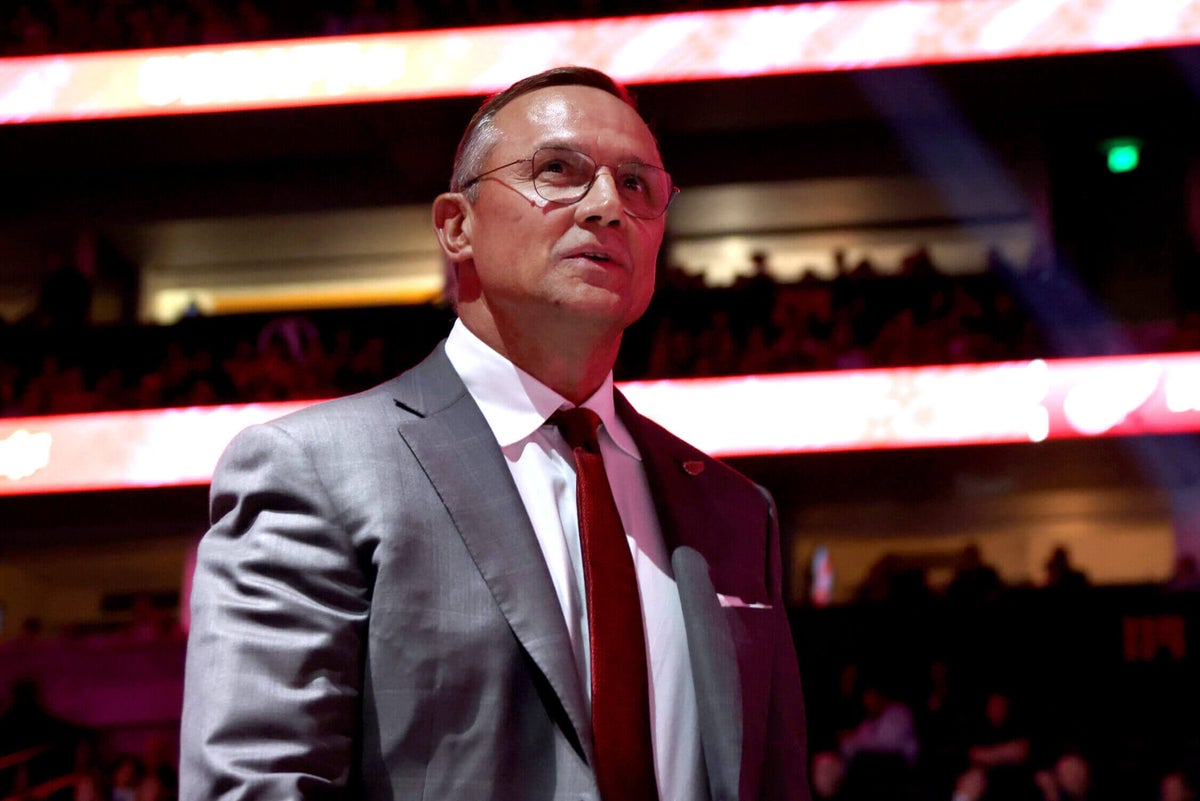
It’s been a summer of discontent in Hockeytown.Some of that was inevitable after missing the playoffs for a 10th straight season, but between Dylan Larkin’s trade request and Steve Yzerman’s ouster from the general manager chair, this offseason has become a full-on upheaval in Detroit. And the real kicker is: it all remains unresolved.A month out from the prospect tournament, the Red Wings don’t have a general manager and Larkin’s future remains up in the air — along with other important business like restricted free agent Simon Edvinsson’s next contract. Today, we open up the mailbag and try to answer some of the fans’ most pressing questions.Questions have been lightly edited for clarity.Why is there no sense of urgency from Red Wings leadership to replace Yzerman? Why the delay in making a decision? Does this wait give us a clue? Jeff Greenberg next President/GM? — John D.It’s certainly unusual for a team not to have a general manager this late into an offseason, and while it has been a slow start to the process, it’s not unprecedented for searches to take a while in terms of sheer time spent. The Nashville Predators, for example, didn’t hire their GM until June 2 — six weeks after the season ended, and four months after news first broke of Barry Trotz’s decision to step down. Detroit’s at four weeks right now.It’s obviously not a perfect analogue — few GM searches are — and there is real incentive for the Red Wings to get their next head of hockey operations in place soon, so they can get working on Edvinsson, Larkin and more. It’s also true the New Jersey Devils got through their search just 10 days after parting ways with Tom Fitzgerald, hiring Sunny Mehta on April 16.But one big difference between this search and the ones that took place right when the season ended is that Detroit is the only team in the market right now. They’re not racing with any other franchises to make sure their top candidates don’t get snatched up. They can just focus on their own process.As to the last part of your question, I wrote about Greenberg — currently the Detroit Tigers GM — and how he could factor into this process a couple weeks ago, and I get where you’re going with the connection to the MLB trade deadline having just passed. But I wouldn’t necessarily call the timeline a “clue” to that end. They’re going through the process, lengthy as it may be.Max, if plan was to fire SY, why not do it before 2026 draft and get the new regime some momentum by being able to deal Larkin for prospects and picks? — Todd M.If the plan all along was to move on from Yzerman, then yes, the most logical thing would have certainly been to do it in April, right when the season ended. That leads me to believe it was not the plan all along.So, what changed? While no one has spoken on the record about the GM change, or the specific motivation behind it, it’s easy enough to see the timeline and conclude the Larkin trade request had to have at least factored in the decision.That news broke publicly on June 4, just three weeks prior to the draft. And while Yzerman (and the Red Wings) would certainly have known about that request sooner than the rest of us, conducting a search with free agency and the draft so close on the horizon would have nonetheless created huge time pressure on the search. For example, could a new front office have really taken over on, say, June 15 and run a successful draft and free agency two weeks later, while also putting together the most consequential Red Wings trade in decades? Maybe — again, MacFarland was hired in early June and had a nice offseason — but it would have been asking a lot.Of course, it’s also not ideal having let Yzerman run those two key events only to remove him from the chair two weeks later. And there will still be some time pressure on key decisions doing it this way.But that mostly just sums up this offseason: few good options to choose from.Discuss the separate responsibilities and/or functions of a GM vs. a president of hockey operations, and why you might want your analytics guy in one role and your “hockey” guy in the other, and which guy in which role. — Matt S.There’s no one specific way to divvy up the roles and responsibilities in that kind of structure — it’s up to each organization how to define the roles.Some recent examples of that front office structure have featured a former player as president with an analytics-minded GM — such as the Toronto Maple Leafs with Brendan Shanahan as the president of hockey operations and Kyle Dubas as general manager, or the Colorado Avalanche with Joe Sakic as president and MacFarland as general manager. In both of those cases, the GM was still the key hockey decision-maker, with the president providing guidance and input as needed and serving as a bridge between the front office and ownership.But the Tigers, on the other hand, have Scott Harris as the key decision-maker in the president role, as is common in baseball. And the Predators, in hiring MacFarland away from the Avalanche, gave him both titles.In the Red Wings’ case, it’s all going to come down to finding someone who can run a modern, forward-thinking hockey operations department. And that could still end up being just a single GM hire. That’s what the Devils did with Mehta, who certainly fits the descriptor of an innovative, sharp mind atop a department.To me, though, the main appeal of a president-GM combo is basically that you get a chance to lure two bright people away from their current organizations via those title bumps. And if the Red Wings go that route, the real key is less about what the specific division of responsibilities and roles is, and more about making sure those two people are on the same page and well-suited for that kind of collaboration.So yes, maybe it’s that familiar structure of an experienced president giving guidance to a forward-thinking GM, but it could also be a president focused on how the organization functions (the processes of staffing, scouting, development and data integration and usage) and a GM focused more on using those processes to make decisions. Maybe it’s more of a shared distribution of those subcategories, though one still has to have final say on hockey decisions.The point is, there’s different ways to do it. But it all starts with picking your top decision-maker first, and going from there.My odds Dylan Larkin is back this season: 90%. Yours? — Vince A.How do you see it working out if Larkin isn’t traded? Do you think he will refuse to report to training camp? Or if he does report, will he be welcomed back by Wings players with open arms? — Bernie S.The Larkin situation is impossible to handicap right now before knowing who the new GM will be. We don’t know what direction that person will want to take things, or how (if at all) that affects Larkin’s thinking, or the organization’s about him.I will say that if he’s still on the team, I would be shocked if he didn’t report to training camp. He’d be leaving money on the table, and I don’t really see the upside of doing so, especially while wielding a no-trade clause to limit possible destinations.As for the locker room reception, there are a few different elements at play, but I do think the locker room reaction would be much milder than fans’. Players can relate to other players. With that said, I also haven’t yet had the chance to ask any of his teammates about it, and that aspect could actually become one of the bigger obstacles; it’s one thing for teammates to understand Larkin’s situation in isolation, but another when they’re continuously being asked about it, reading about it and hearing the boos on home ice. At that point, you have a potential distraction.Because of how little time the new GM will have to facilitate a Larkin trade once hired, it’s totally possible Larkin is still in the organization when camp begins, and even on opening night.But — with the giant caveat that this is all still so dependent on the new GM and how they approach things — my gut feeling is still that this ends in a trade at some point.Do you think it was a mistake to trade Sebastian Cossa for the 2026 23rd overall pick? We moved on before seeing what he could do in the NHL, for a draft pick that is years away. — Ryan H.Only time will tell for sure, but with the information we have today, it’s hard for me to call it a mistake. Obviously, it has to sting for the Red Wings to have invested so much into Cossa and his development just to trade him away for a pick five years later. And Cossa may yet turn out to be a very good NHL goalie. His AHL stats have been strong for years, and with prototypical size and athleticism, there’s a real path to him becoming a legit starting goalie in Utah.But, by the end of the season, the Red Wings certainly seemed to prefer Michal Postava (who is just nine months older), starting him over Cossa in every single AHL playoff game despite his much smaller stature. Again, we’ll see if that proves wise or not, but if Detroit viewed Cossa as its second- or even third-best goalie prospect, trading from a position of strength to add a skilled scoring forward prospect doesn’t seem unreasonable.I also found it notable reading that Cossa said there was “celebration” with his camp when he found out he had been traded. I can understand the sentiment from a goalie who I do believe should have gotten more NHL opportunity sooner, but if Cossa actually wanted to be elsewhere, getting a first-round pick back isn’t the worst thing.Really, though, how history views this move will depend on what becomes of the relevant players here. Does one of Postava or Trey Augustine become a legit starting goalie? Does Cossa? And does J.P. Hurlbert, on whom Detroit used the pick, become a legit top-nine scorer in the NHL? We won’t know those answers for years.
Why has the Red Wings’ GM search taken so long? What does it mean for Dylan Larkin?
From Marco Kasper's potential for a bounce-back to the Red Wings' early schedule, here's the latest updates in the Red Wings mailbag.
2,374 words~11 min read