What’s a robotics roadmap, and why should we care?
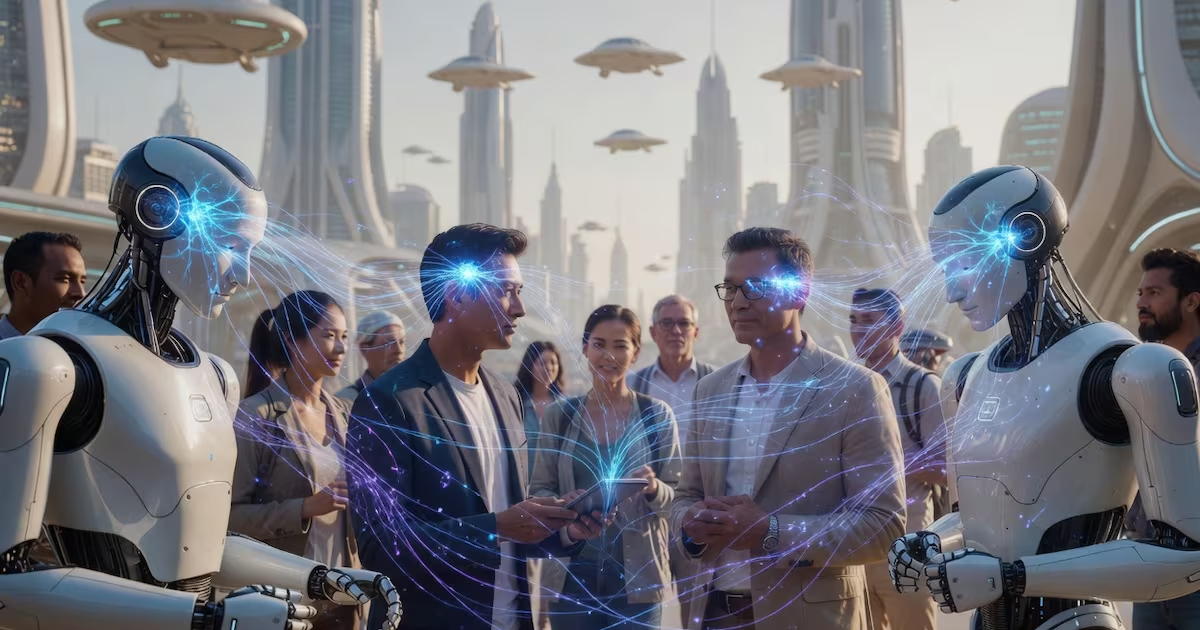
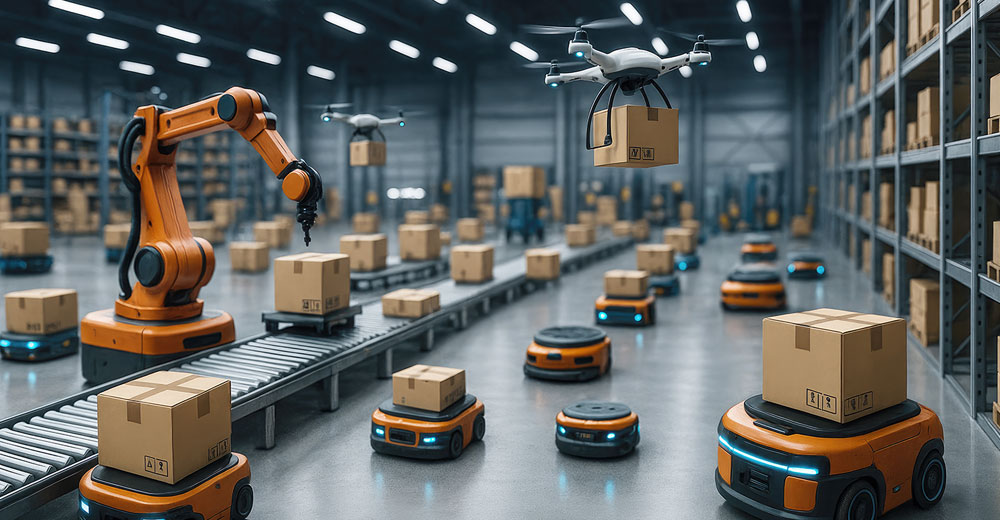
Machines with pre-defined capabilities will soon be old-school. Future machines are expected to learn and adapt to unpredictability and to interact with the physical world with the ableness of our own bodies. Welcome to Industry 4.0 (1).
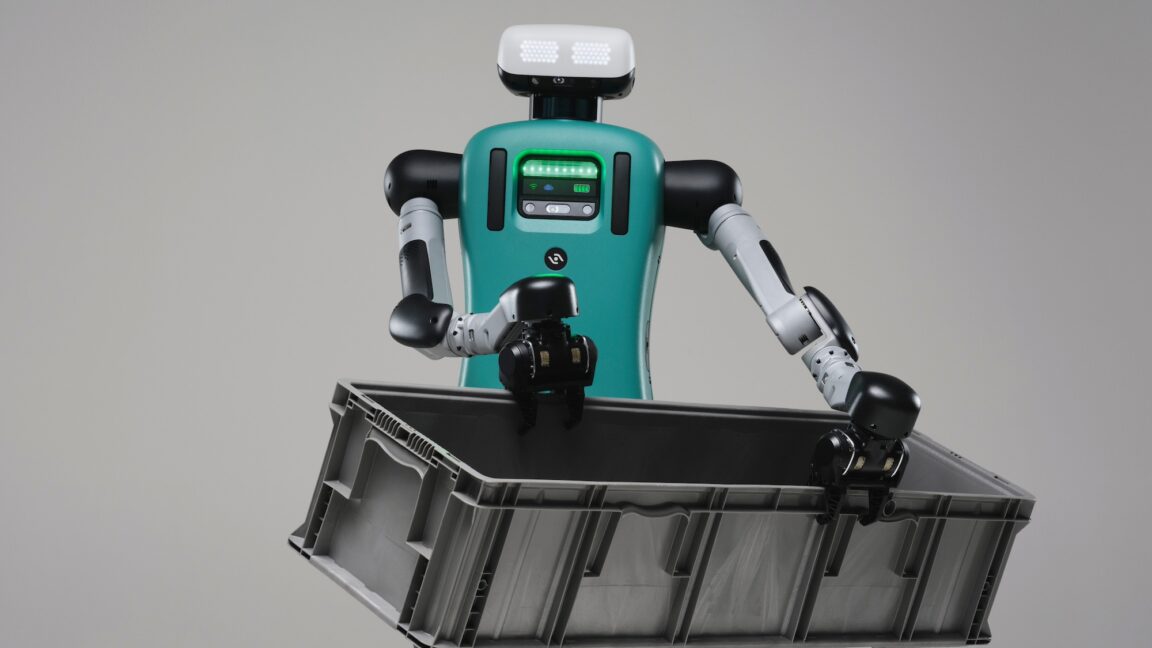
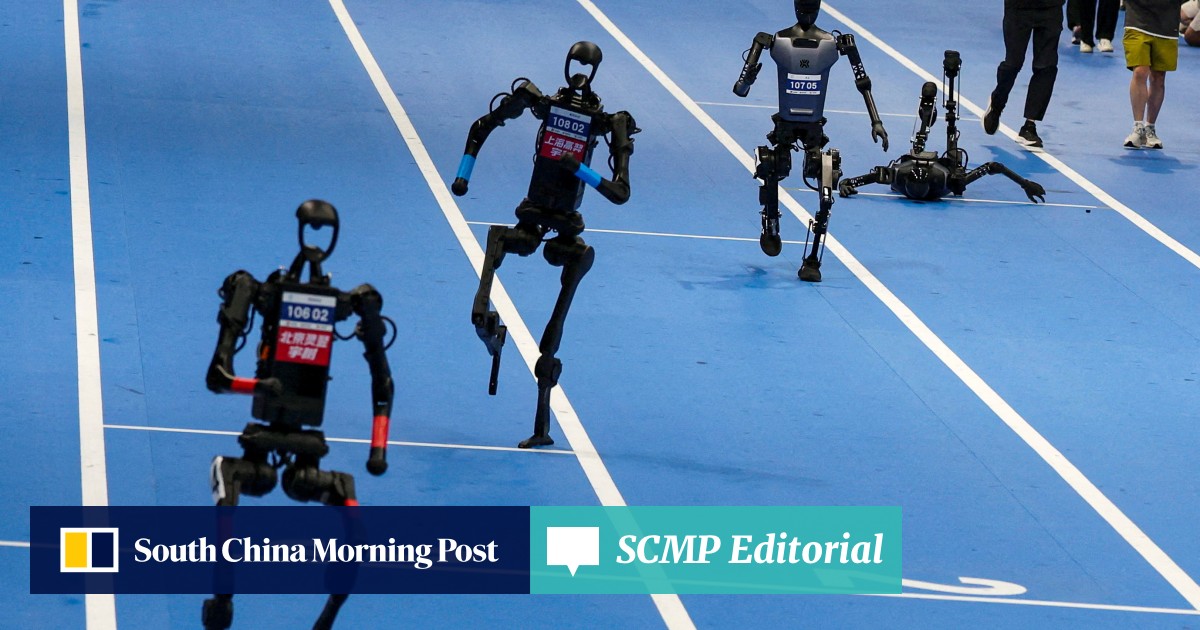
The reliance of modern societies on robots, from manufacturing to healthcare to agriculture to transportation (2), already suggests the magnitude of impact that recent innovations in robotic hardware could have once transferred from the laboratory to the market. Investment in robotics is a national priority in many countries (3). We are in fact in the midst of a global race to advance robots for physically embodying artificial intelligence, which is expected to have a dominating influence in global labor markets, immigration, military, commerce, and education (4).
Gaining familiarity with relevant stakeholders helps roboticists to understand their role in influencing the trajectory of their innovation. Roboticists can advise policymakers, for example, on the viability of their field and its potential to transform specific sectors. Government support in these areas enables academic institutes and industries to advance their technology, which can also reassure private investors to bet their money on related businesses. Done well, this process will expedite innovation where society needs it most.