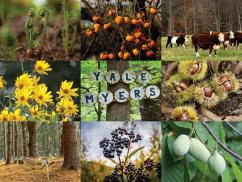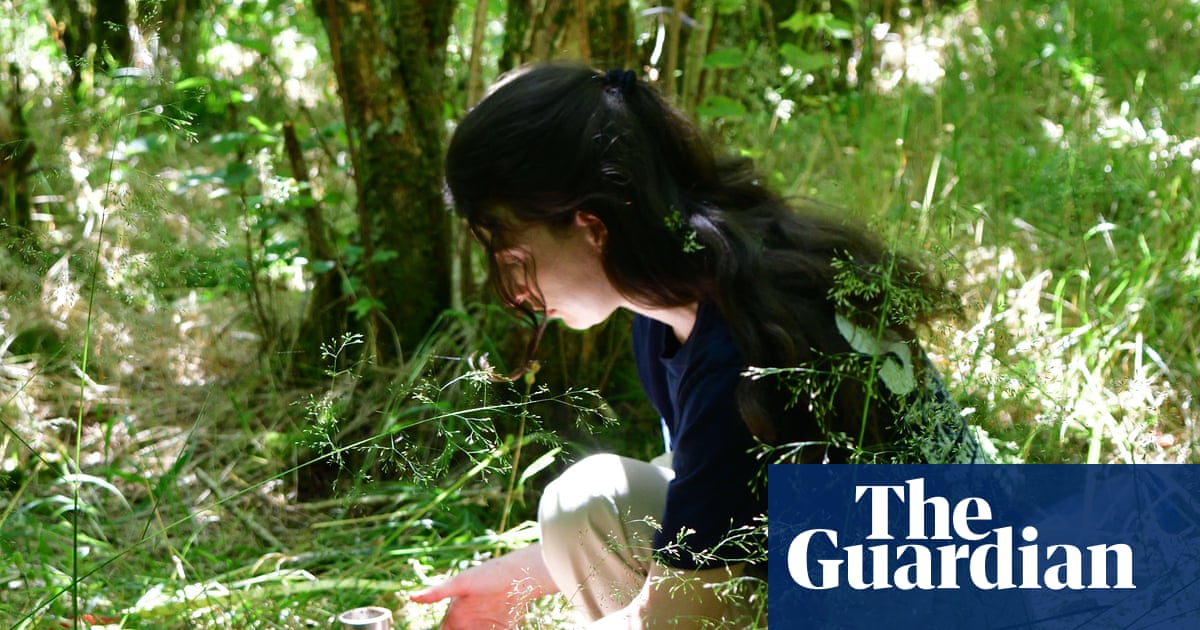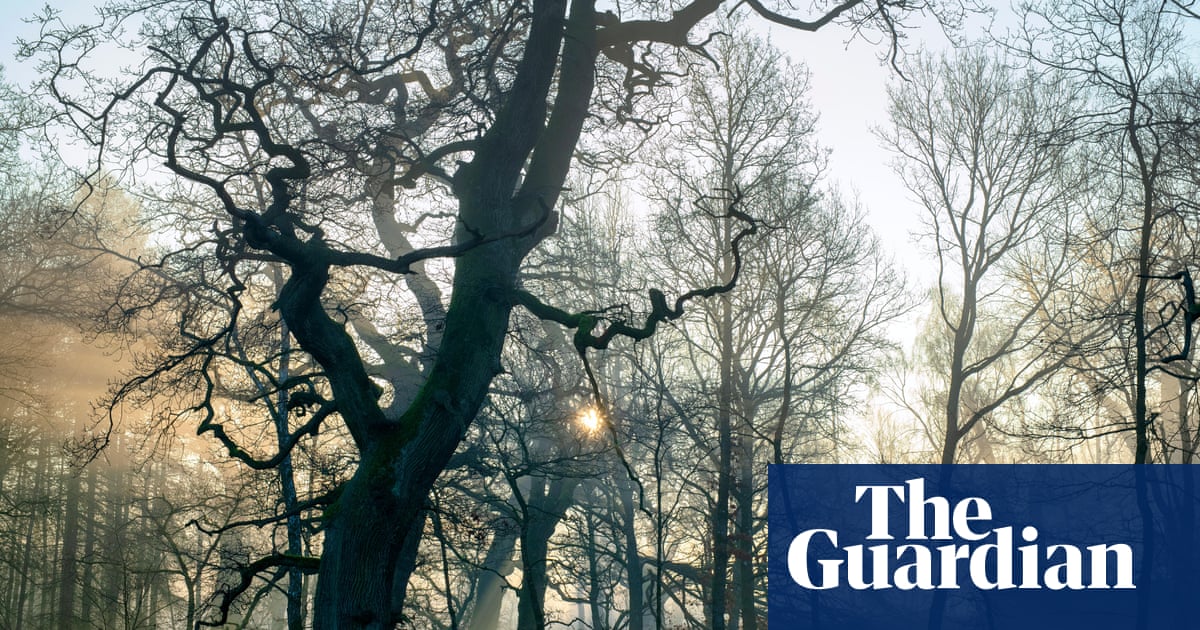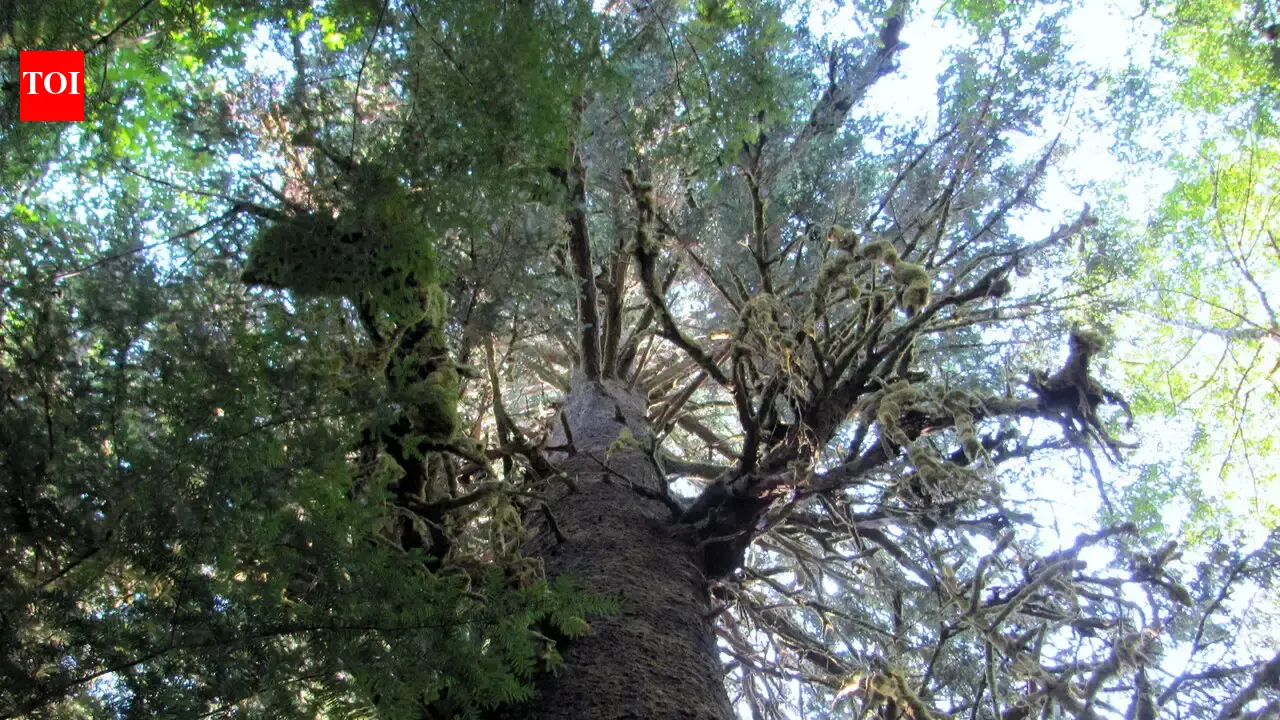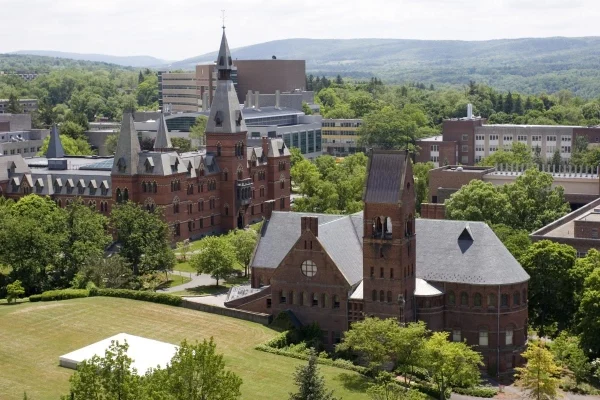
Forests and other natural areas are more integral to academic life than is widely known. Many academic institutions own and use significant areas of forested land for research, education and conservation, and some of these forests have done as much to shape intellectual disciplines as famous laboratories. The Arnot Teaching and Research Forest at Cornell University and Wytham Woods at the University of Oxford gave rise to foundational theories and practices in ecology, forestry and land management. University forests have also inspired engineering, psychology, literature and cultural studies. Recent surveys of faculty at our institution, Clemson University, reveal strong attachment to our forest, with all 13 colleges, schools and the library having faculty engaged in using it for teaching, research and outdoor recreation.
Academic forests are distributed globally, and some have been established for centuries. While not precisely known, we estimate that upward of a million acres of forest are owned by academia. An array of geographic settings and relationships to campuses exists. For example, Dartmouth College’s The Grant is well visited, even though it is about 100 miles from campus. Other forests are nearby and integral to the daily life of students, staff and faculty. These forests vary in size from small (11.5 acres within the main campus of Virginia Tech) to medium (Duke University Forest at roughly 7,000 acres) to large (Berry College’s forest is 27,000 acres—the largest known that is adjacent to a campus). Others surround their campuses, including the ones here at Clemson (19,200 acres) and at the University of the South (13,000 acres).