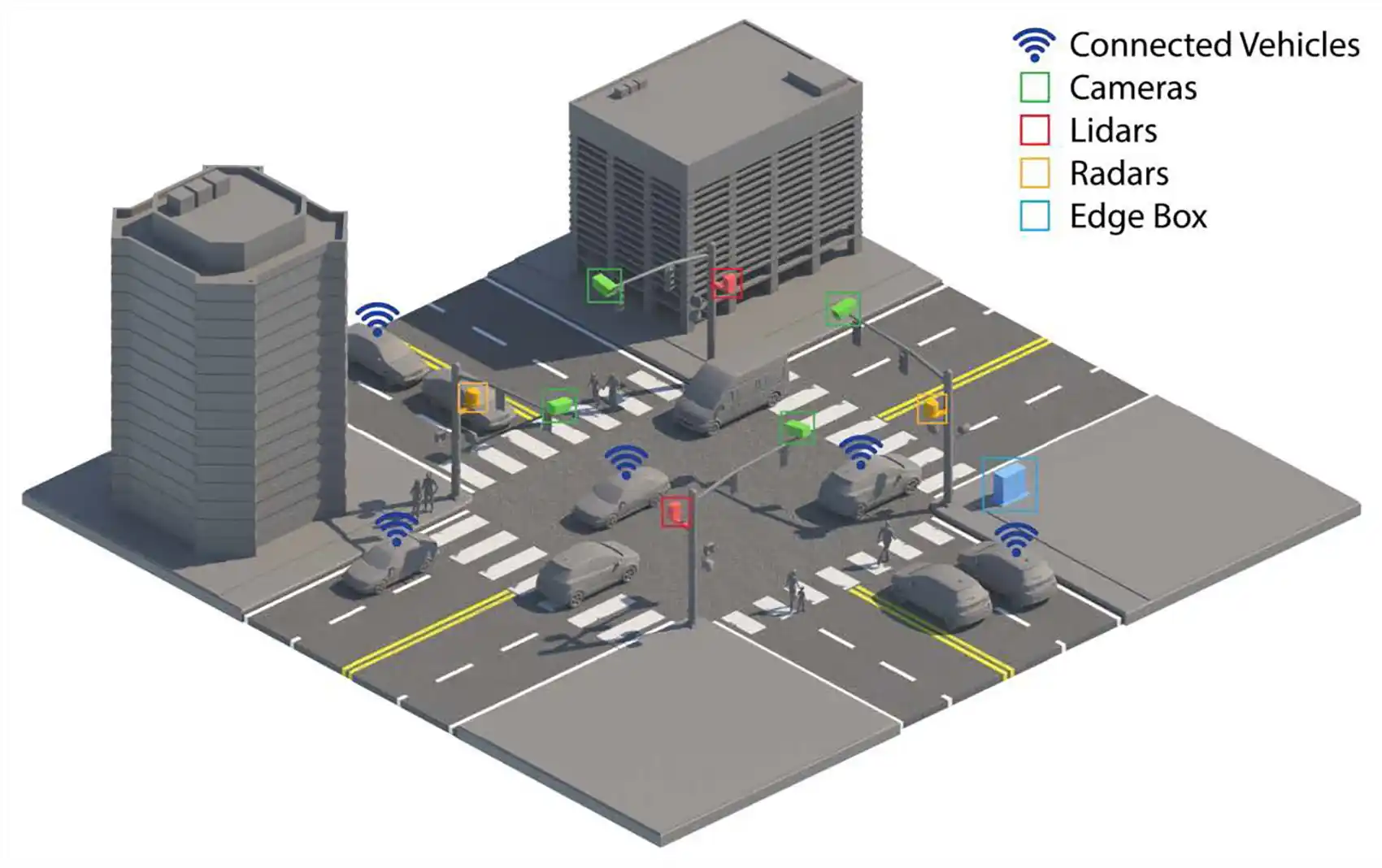
As developers, we often tackle complex problems, and few are as dynamic and critical as managing urban traffic. The constant ebb and flow of vehicles, pedestrians, and public transport presents a fascinating challenge. If you've ever stared at a gridlocked intersection and thought, "There has to be a better way," then you're already thinking like a smart traffic system architect. Today, we're diving into how to configure a smart traffic system – not just the fancy AI, but the foundational logic that makes it tick.
The Gridlock Dilemma: Why Smart Systems Matter
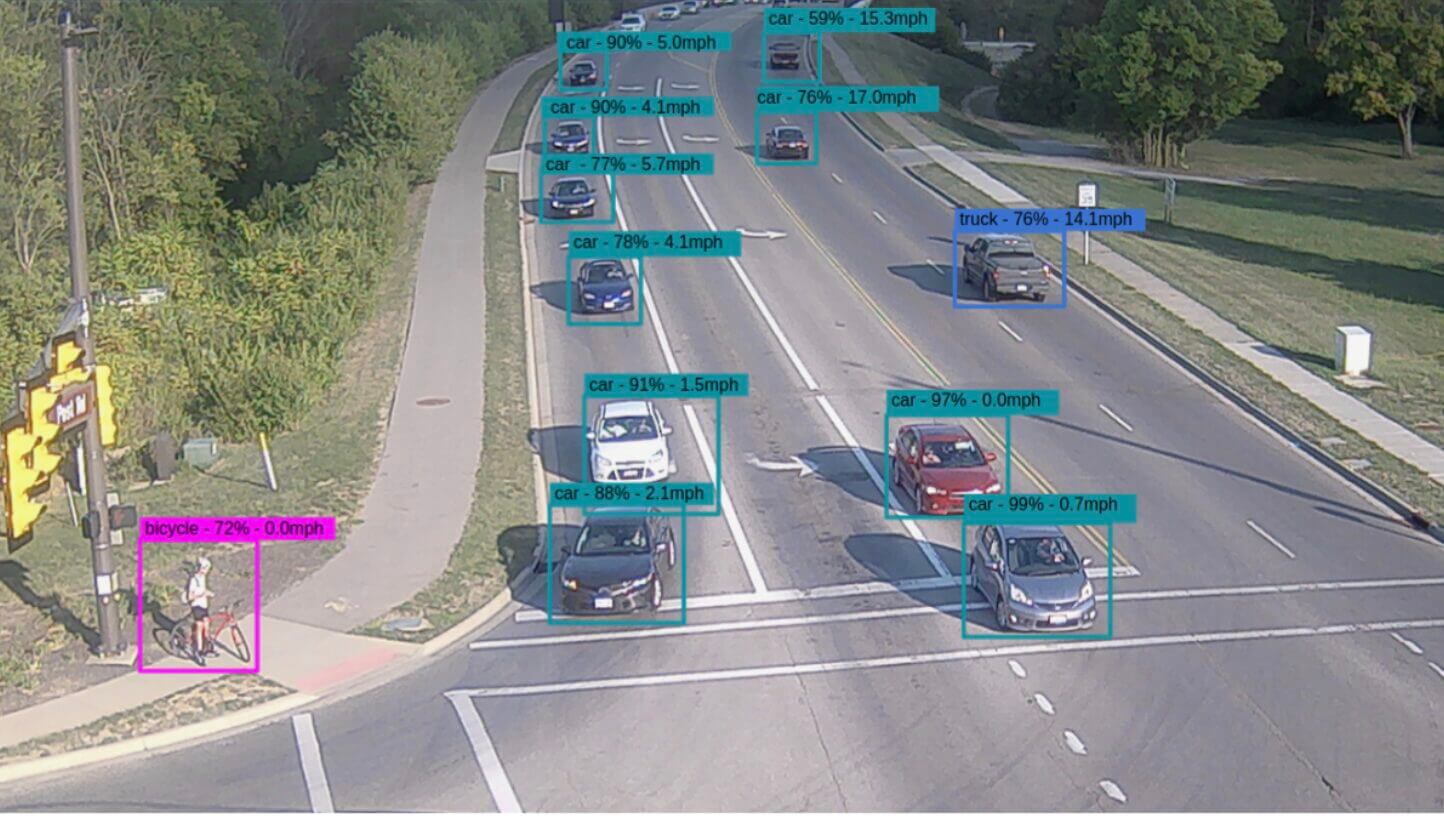
Traditional traffic light systems are, for the most part, static. They operate on pre-defined timers, regardless of actual traffic density. This leads to frustrating scenarios: an empty main road gets a long green light while a dozen cars wait impatiently on a side street, or vice-versa. This inefficiency isn't just annoying; it costs time, wastes fuel, increases pollution, and can even delay emergency services.
The goal of a smart traffic system is to move beyond these fixed schedules. It aims for dynamic, adaptive control, optimizing traffic flow in real-time. This isn't just about making commutes smoother; it's about building more efficient, sustainable, and responsive cities.