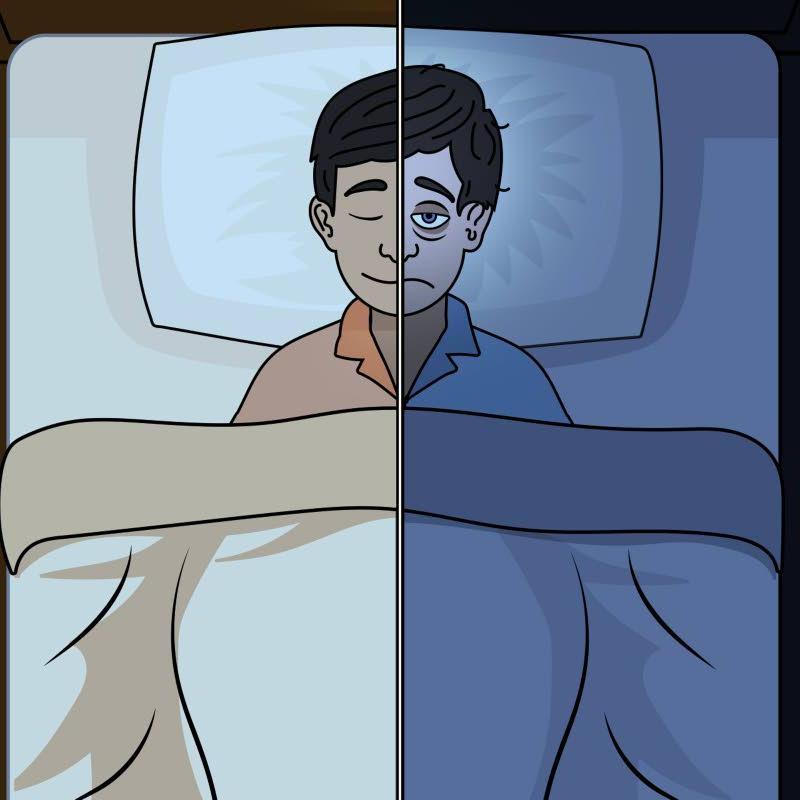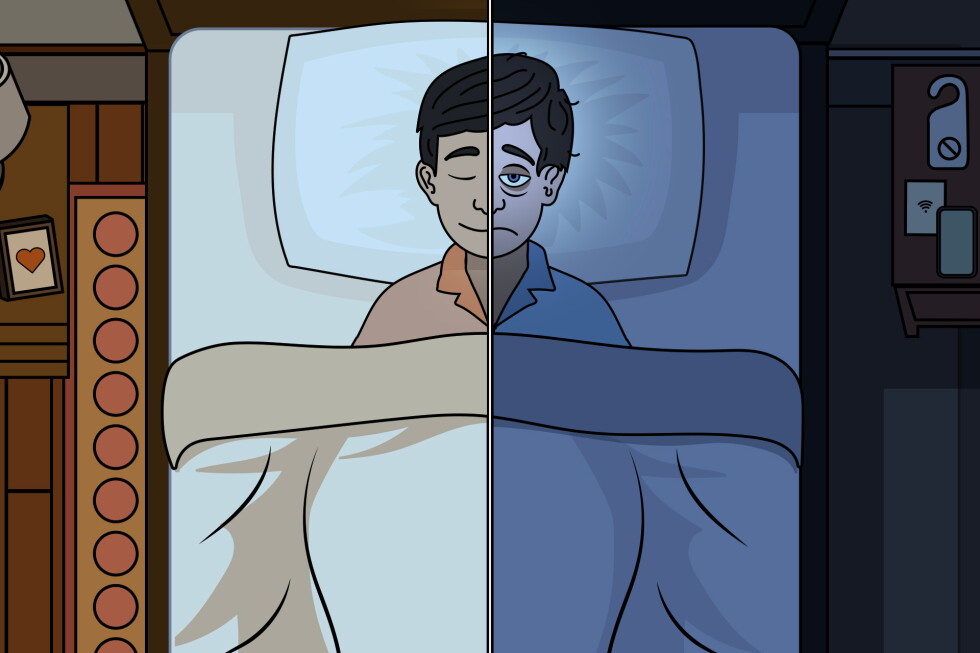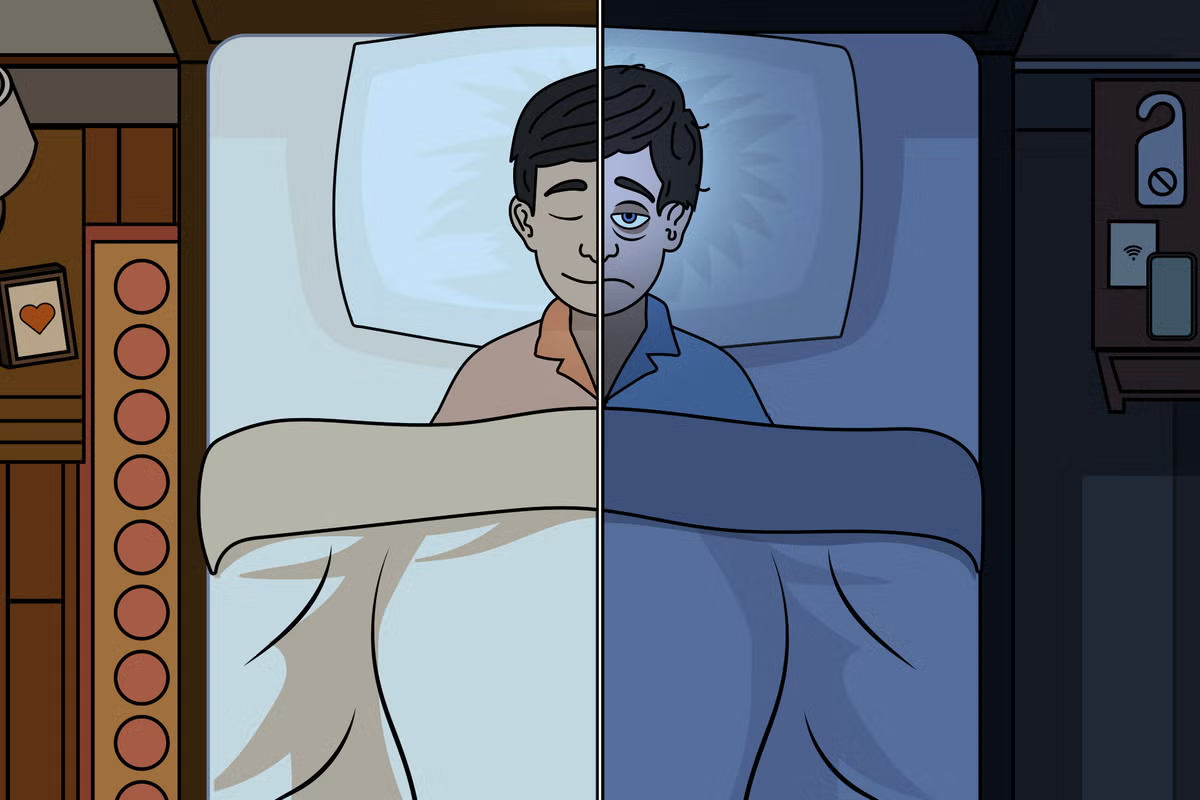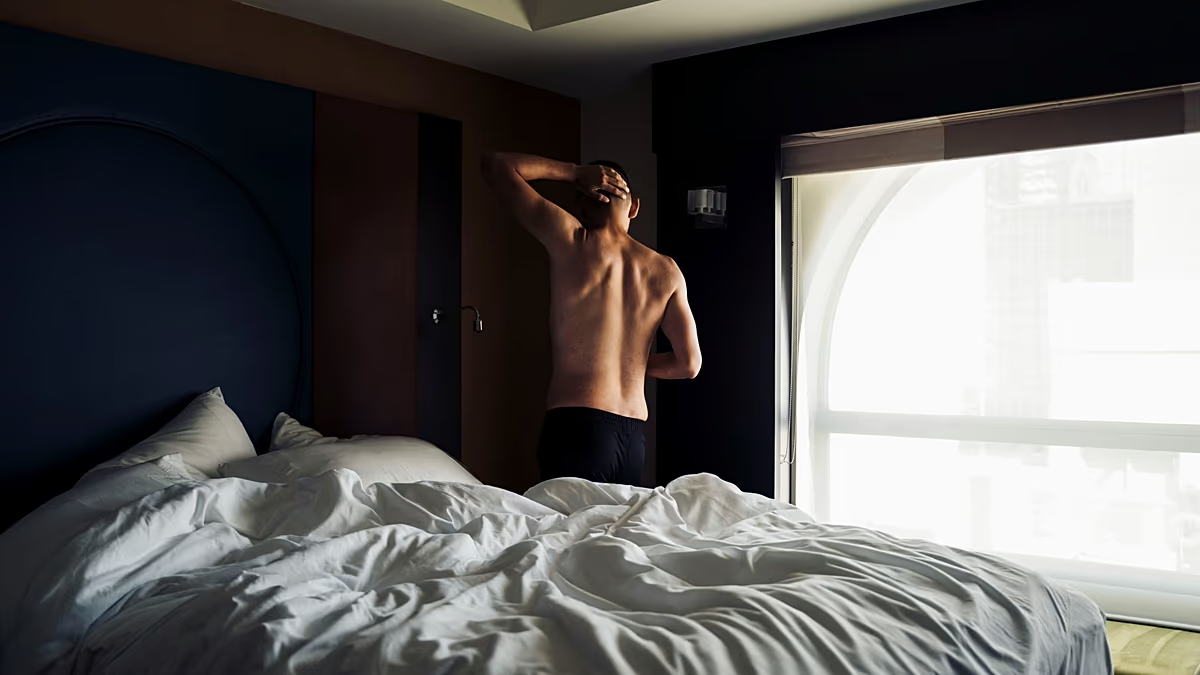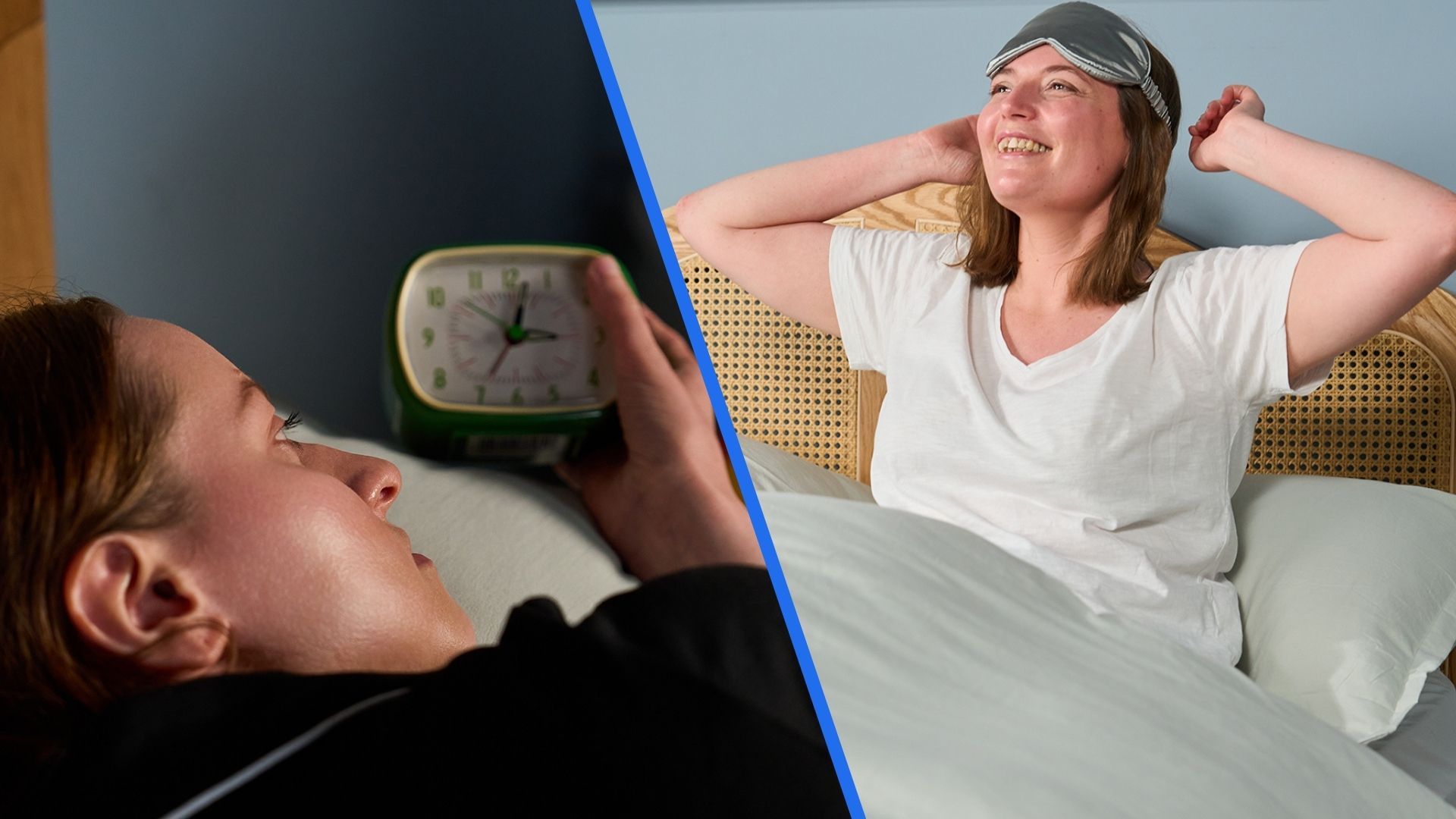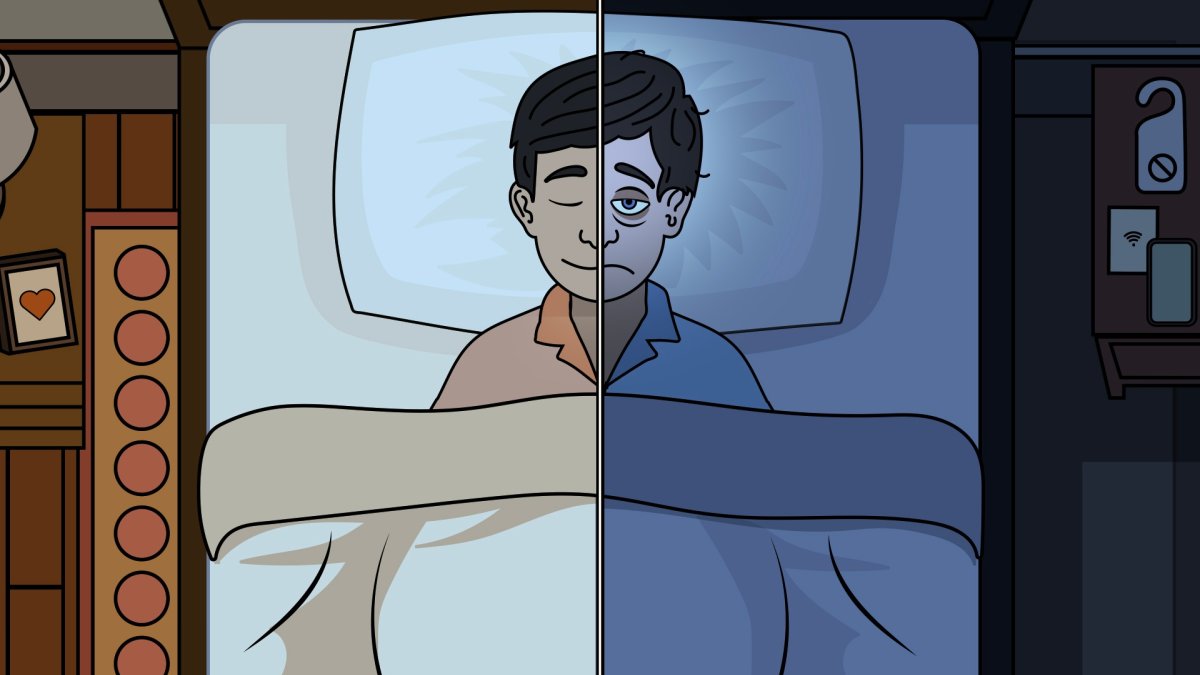
The first night in a new place is always the same for Robinson Leoni: He takes longer to fall asleep, wakes up more often during the night and gets less sleep overall.
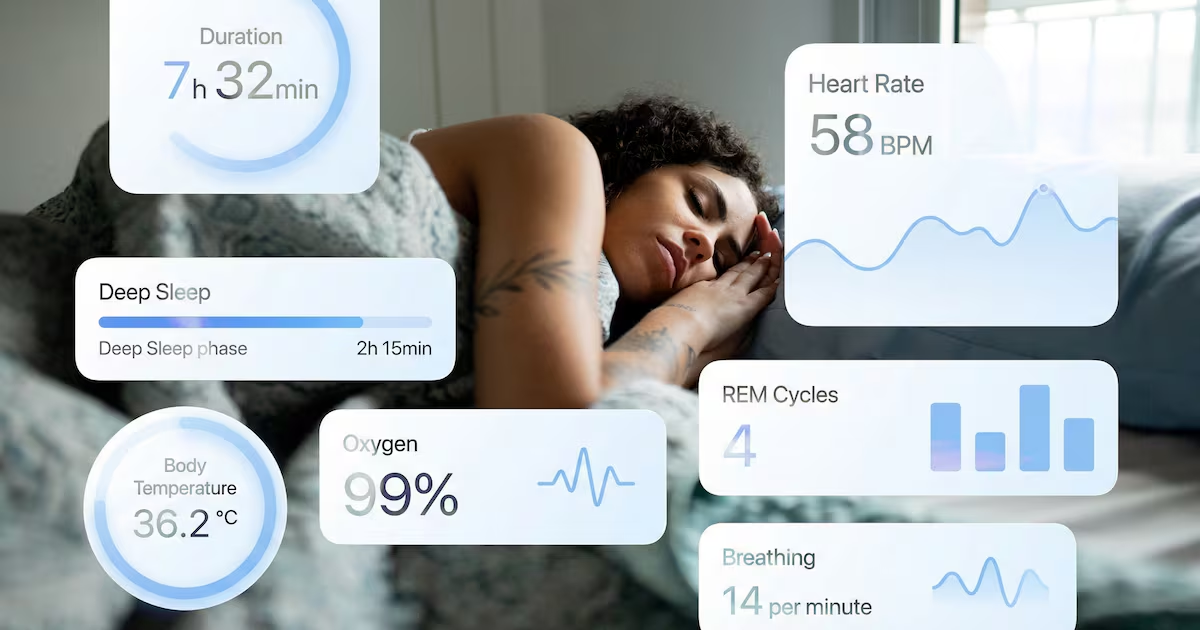
At home he averages seven hours. The first night away - with or without earplugs and regardless of the bed's quality - his smartwatch tells him he gets about five.
"I feel normal, you know, no stress, nothing, but it’s just I notice I wake up continuously,” said Leoni, a sales director for a tech company who travels once or twice a month for work.
He is a victim of what sleep specialists call the first-night effect. The phenomenon has been confirmed by dozens of studies and is believed to have evolutionary roots, said Anna Wick, a senior sleep researcher at the University of Freiburg in Switzerland.
"It’s assumed to be an adaptation response that the sleeping brain remains vigilant in this unfamiliar environment,” Wick said.