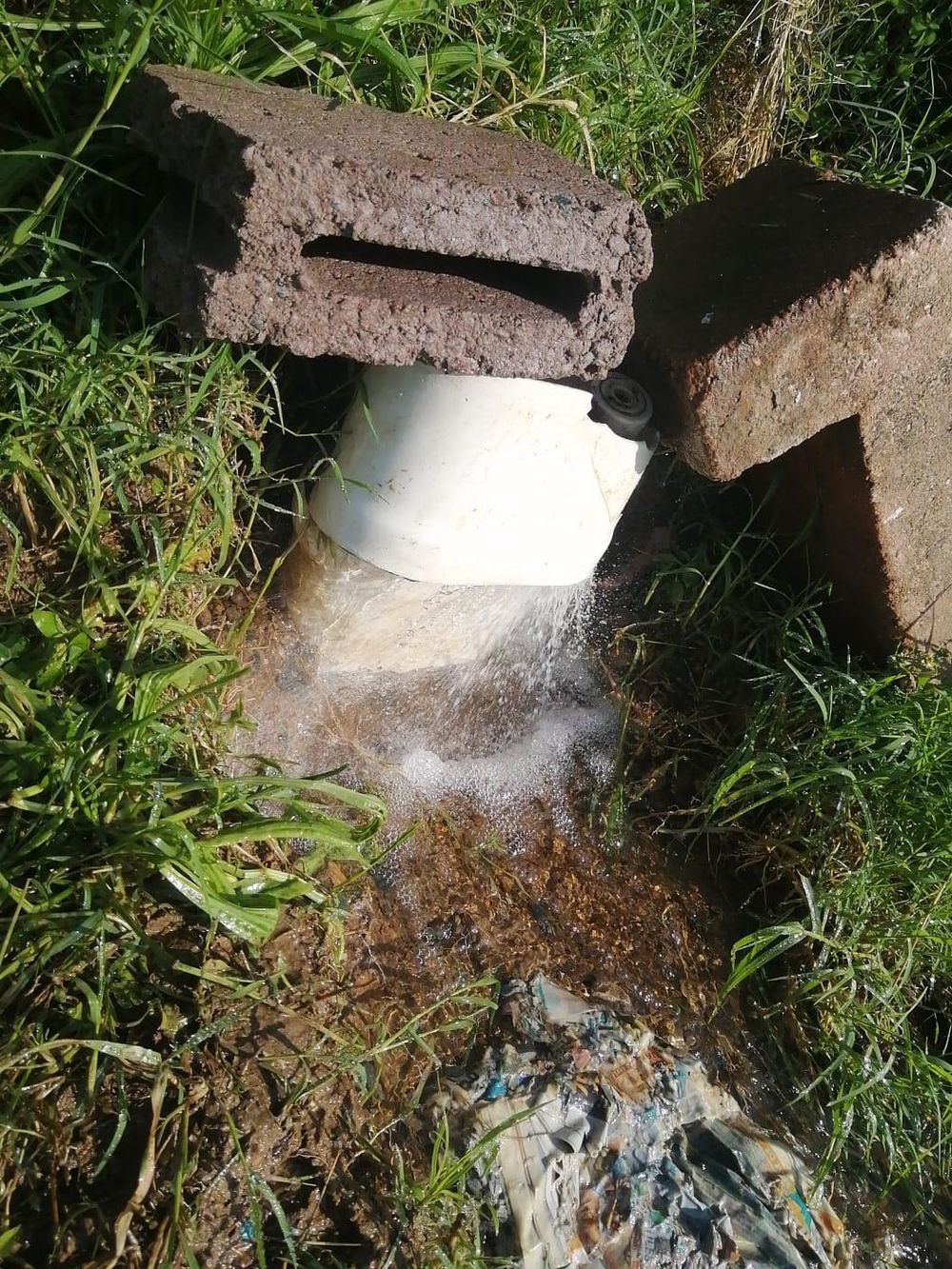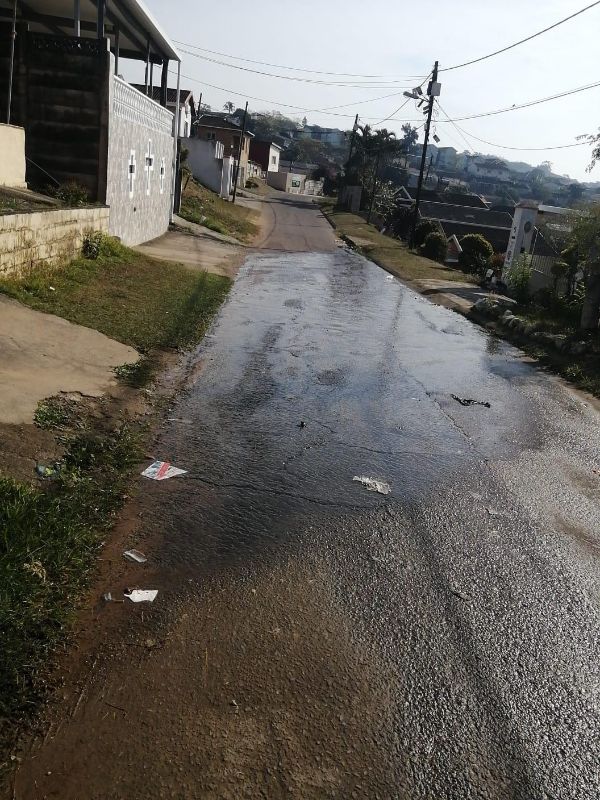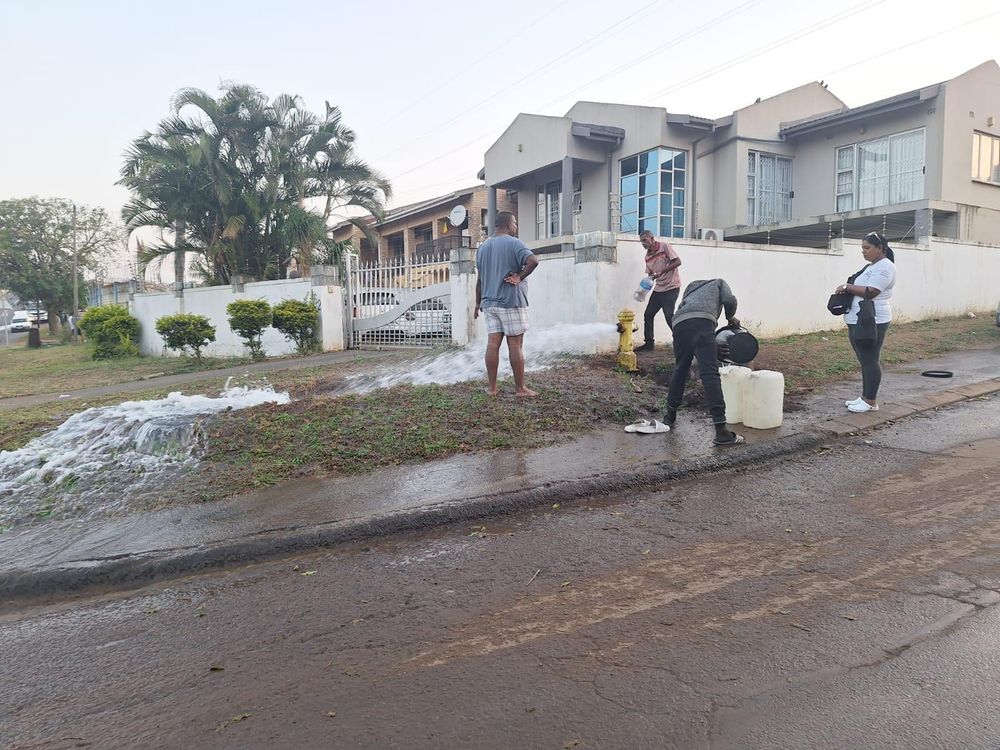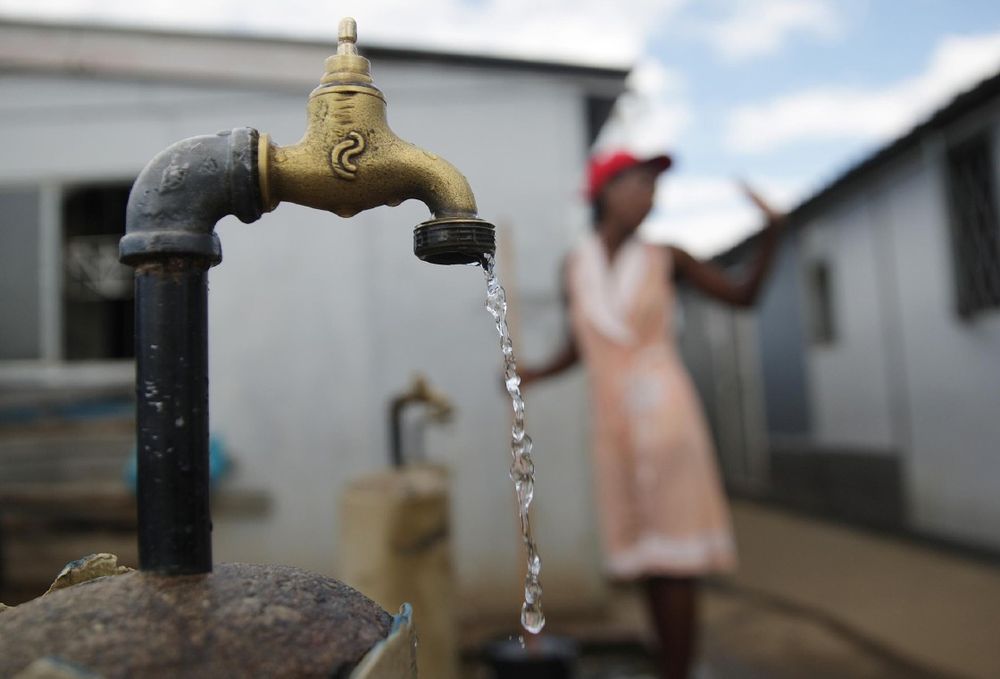
eThekwini’s growing population, ageing infrastructure, water losses and climate pressures are placing strain on supply, requiring investment, innovation and new approaches to water security, argues academic Prof David Lokhat.
This month, the Stockholm International Water Institute hosts the annual World Water Week, under the theme “Water for People and Progress”. The theme aims to support progress towards a more just, equitable and water-secure future for all people and the planet, within the context of climate change.
Almost 15 000 participants from 190 countries will engage in the event to develop solutions to the world’s greatest water-related challenges, with topics ranging from food security and health to agriculture, technology, biodiversity and the climate crisis. Closer to home, residents in eThekwini who have endured ongoing water cuts may feel that these global discourses and potential solutions are literally a world away.
In reflecting on the water provision challenges in the eThekwini region, it is important to remember that consumers are only one part of a large water value chain. Since water resources are not evenly distributed, it is necessary to use inter-basin water transfers to move water from the source to the area of use.