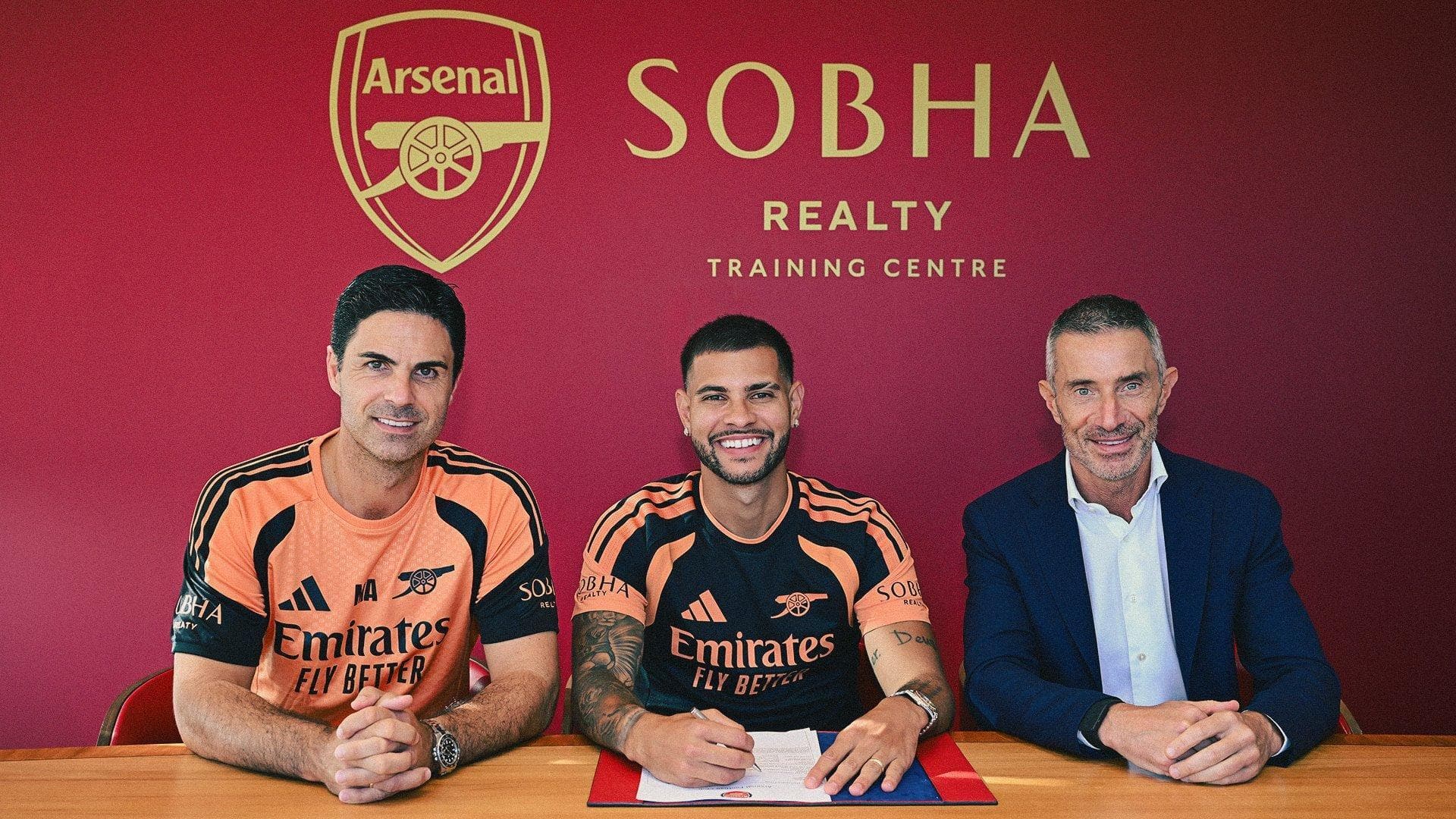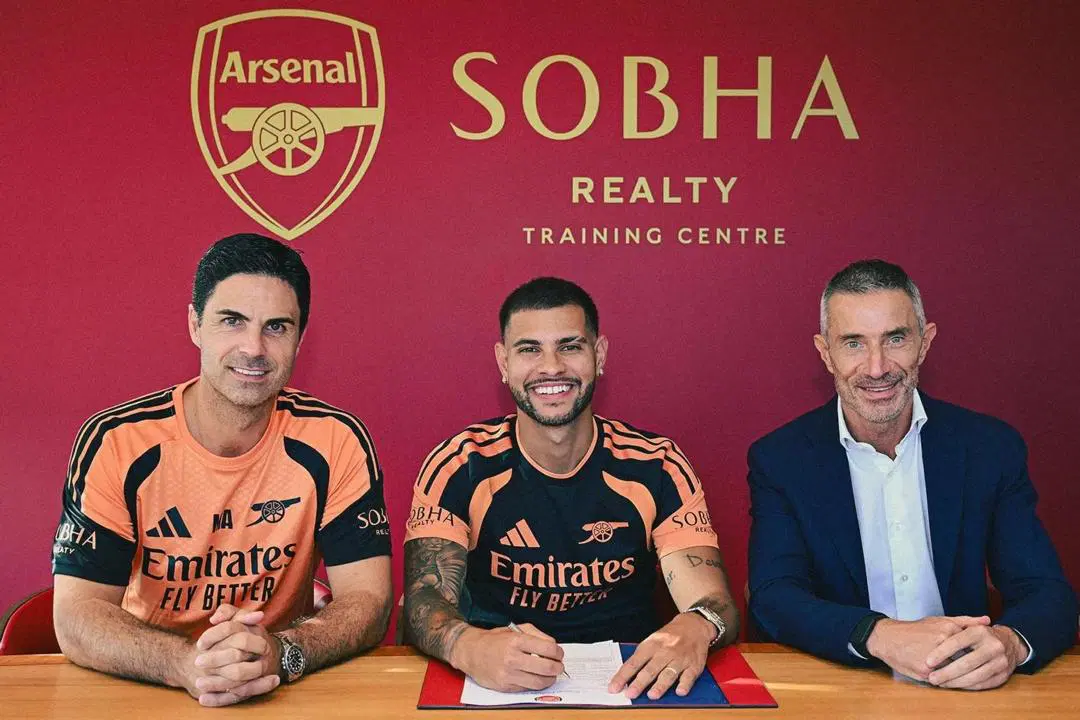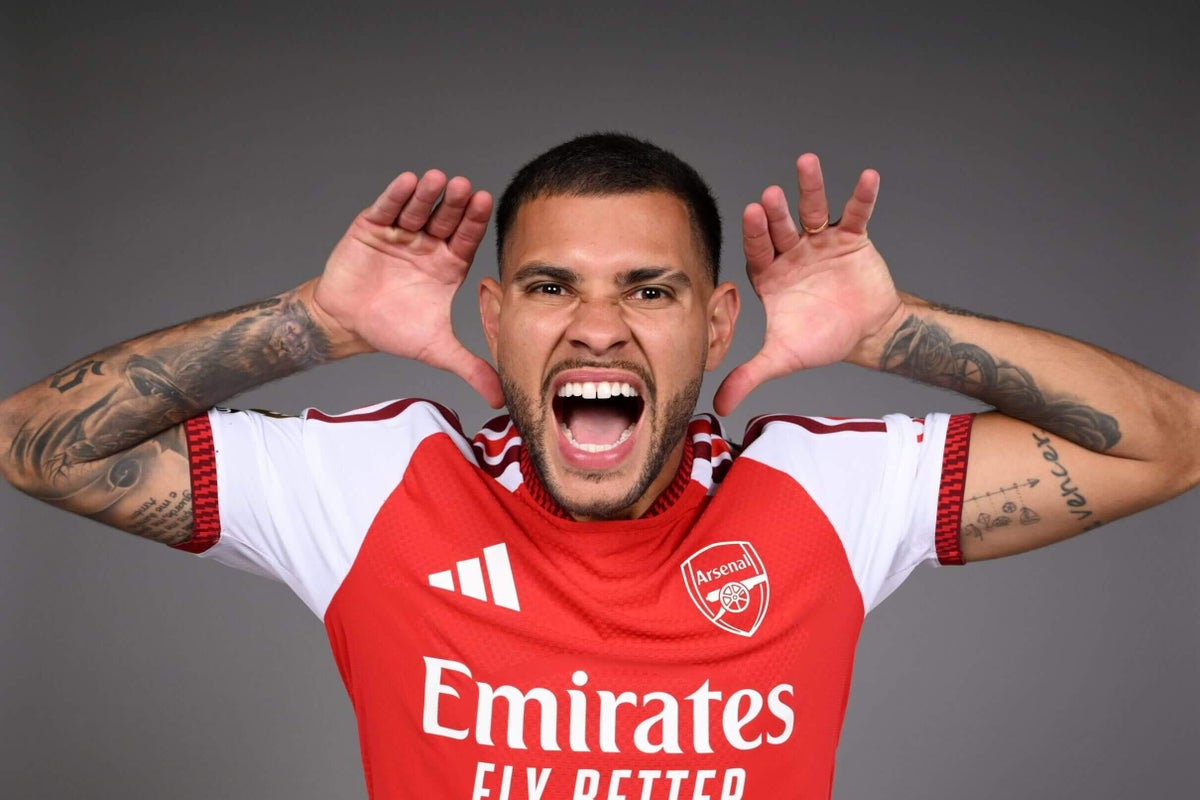
Bruno Guimaraes’ £75million move from Newcastle United to Arsenal gives more supporting evidence to several recent themes.At 28 years old, the sizeable outlay on the Brazilian midfielder continues Arsenal’s ploy of spending big money on players who can immediately improve their first team. A year ago, their roughly £185million in fees on players aged over 24 was the most ever spent on that cohort by an English club in a single season. A first Premier League title in 22 years comprised proof of concept.Meanwhile, Guimaraes leaving Tyneside, where he was the club’s talisman, adds him to the list of recent high-profile departures and more grounds for Newcastle’s transformation into an impressive seller. Alexander Isak, Anthony Gordon and Sandro Tonali (and head coach Eddie Howe) have all vacated St James’ Park since last September.In the 12 years to the end of June 2025, Newcastle generated £352million from player sales. A reasonable estimate, even after sell-on clauses and solidarity payments to former clubs, has them matching that figure inside the past 12 months.Such statistics say lots about where Arsenal and Newcastle are as clubs, but the Guimaraes deal also underscores what is fast becoming a Premier League motif: the richest teams are ever more frequently plucking the best players from the rest of the division.Guimaraes’ transfer is the 10th instance this summer of one of the ‘Big Six’ — Arsenal, Chelsea, Liverpool, Manchester City, Manchester United and Tottenham Hotspur — acquiring players (often the best ones) from the other 14 clubs in the top tier.He follows where Morgan Rogers, Elliot Anderson, Tonali, Maxence Lacroix, Jan Paul van Hecke, Youri Tielemans, Danny Welbeck, Marcos Senesi and Jordan Henderson have already trodden (backup goalkeepers Illan Meslier and Karl Darlow have made similar moves as free agents). Initially, that might not seem worthy of much note.The Welbeck and Henderson deals are not of the same ilk as the rest and, in any case, there has long been a pecking order in football, mirrored on and off the pitch. The richest clubs can buy the most talented players, making their teams better and them more attractive than previously, thereby enticing more players to follow suit; a virtuous cycle of dominance. Manchester United under Sir Alex Ferguson routinely signed the best from the rest.Yet research carried out by The Athletic shows the trend is rapidly intensifying.Using a methodology that takes the six highest-earning clubs in a given Premier League season (which has been those same ‘Big Six’ teams since 2009) and counting the combined number of signings from the rest of the division, excluding no-fee, backup goalkeepers, like those Meslier and Darlow deals, and intra-‘Big Six’ moves like the one which recently took Andrey Santos from Chelsea to Manchester United, we find that particular flow of transfers is at an all-time high, even as middling to lower-end Premier League teams enjoy greater wealth than ever.Last summer, 11 players moved from a non-‘Big Six’ club to a ‘Big Six’ one, with all six of the latter getting in on the act. In January, Manchester City’s signings of Antoine Semenyo and Marc Guehi, the best players at Bournemouth and Crystal Palace respectively, took the 2025-26 tally to 13.That was a new record and only once before has the number of moves hit double figures. That came in 2014-15, in a year where the richest opportunistically pilfered a couple of less wealthy clubs who had shown themselves highly adept at scouting and youth development. Of that season’s 10 Other 14-to-‘Big-Six’ moves, five were departures from Southampton and three involved players leaving Swansea City.Over the past 14 months, 23 of these deals have taken place, in what amounts to a mass transfer of the best talent from the less-well-offs to the richest. Unlike 12 years ago, predation isn’t centred on a minority; 11 different Premier League clubs have lost players to the ‘Big Six’ since the beginning of last summer.
Premier League’s ‘Big Six’ are raiding poorer clubs at record levels as wealth gap grows wider
Arsenal signing Bruno Guimaraes from Newcastle has taken recent 'Big Six' spending on players from other Premier League clubs to £1.2bn
1,829 words~8 min read